
Air source heat pumps are an innovative solution for heating and cooling that utilize renewable energy from the air. These systems are particularly appealing to B2B buyers concerned with energy efficiency, sustainability, and cost-effectiveness in their operations. This article will explore essential aspects of air source heat pumps, including how to find reliable suppliers, key specifications to consider, cost factors, common problems and their solutions, and what buyers need to know to make informed decisions.
Finding a trustworthy supplier for air source heat pumps requires careful consideration. Look for companies with a proven track record in renewable energy solutions, particularly those specializing in HVAC systems. Start by evaluating suppliers that have been in the market for at least five years, as they are likely to have established reliability and experience. For instance, suppliers providing a Wind Power Generation System can also be a good option.
Check for certifications and industry affiliations that can signify quality and compliance with international standards. Networking at industry trade shows and conferences can also yield valuable contacts and insights into potential suppliers. Jiangsu DHC Environmental Si-Tech Co., Ltd., known for its expertise in renewable energy systems, is an example of a manufacturer that combines experience with a commitment to innovative solutions.
When evaluating air source heat pumps, several technical specifications should be prioritized:
Heating Capacity: Measured in BTUs or kilowatts, this indicates the unit's ability to heat a space. Ensure the capacity aligns with your specific application requirements.
Coefficient of Performance (COP): This ratio measures the efficiency of the heat pump. A higher COP means better efficiency, translating to lower operational costs.
Seasonal Energy Efficiency Ratio (SEER): Important for cooling performance, SEER indicates how well a heat pump performs over a typical cooling season. Higher SEER ratings often mean better energy savings.
Noise Level: Measured in decibels (dB), noise levels can significantly impact user comfort. Consider the unit's noise emissions, especially in residential or quiet commercial settings.
Operating Temperature Range: Make sure the pump can efficiently function within the climate conditions of your application. Some units are designed to operate effectively in colder temperatures.
Understanding these specifications will help you assess the suitability of different models and ensure that you choose a heat pump tailored to your needs.
The total cost of an air source heat pump can vary significantly based on several factors:
Initial Purchase Price: The upfront cost includes the unit itself and any necessary installation materials. High-efficiency models may have higher upfront costs but can lead to significant energy savings over time.
Installation Costs: Professional installation is critical for optimal performance. Costs can vary based on the complexity of the installation and local labor rates.
Operational Costs: Consider energy consumption, which will affect long-term operational expenses. The efficiency ratings (COP and SEER) will guide you in estimating these costs.
Maintenance and Repair: Regular maintenance is essential for performance and longevity. Factor in potential repair costs as well.
Incentives and Rebates: Many regions offer incentives for renewable energy systems. Research available rebates or tax credits that could offset the initial investment.
Understanding these cost factors will help you budget appropriately and evaluate the total cost of ownership for various air source heat pump systems, including options like the Container Energy Storage Battery.
While air source heat pumps are generally reliable, buyers should be aware of common issues that can arise:
Inefficient Heating or Cooling: This can be due to insufficient sizing, dirty filters, or refrigerant issues. Regular maintenance, including filter changes and professional inspections, can mitigate these problems.
Frost Build-Up: In colder climates, frost can accumulate on the outdoor unit, affecting efficiency. Ensure the model is suitable for your climate and maintain proper airflow around the unit to prevent frost issues.
Noisy Operation: If the unit is excessively noisy, it may indicate installation issues, such as improper mounting or lack of insulation. Consult with your supplier for troubleshooting advice.
Electrical Issues: Faulty wiring or electrical components can lead to operational failures. Regular inspections by a qualified technician can help prevent these issues.
By being aware of these potential problems and their solutions, buyers can ensure proper operation and maintenance of their air source heat pumps, leading to a more efficient system.
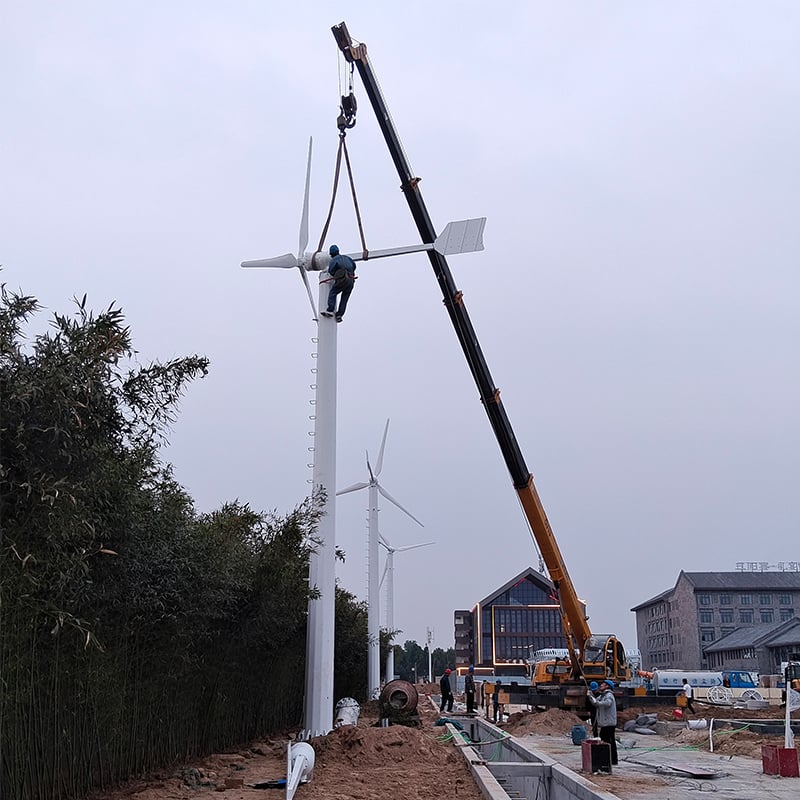
As most sought-after brand of wind solar hybrid power systems, DHC has own wind turbine factory integrating R D design, production and technical support. founders of DHC have been working on the idea green 2kw vertical axis wind turbine protection since 2009 and immersed in the world of renewable energy adhering to the company's values "diligence as well as honesty, cooperation and innovation." Our DHC brand DHC is the result of this.
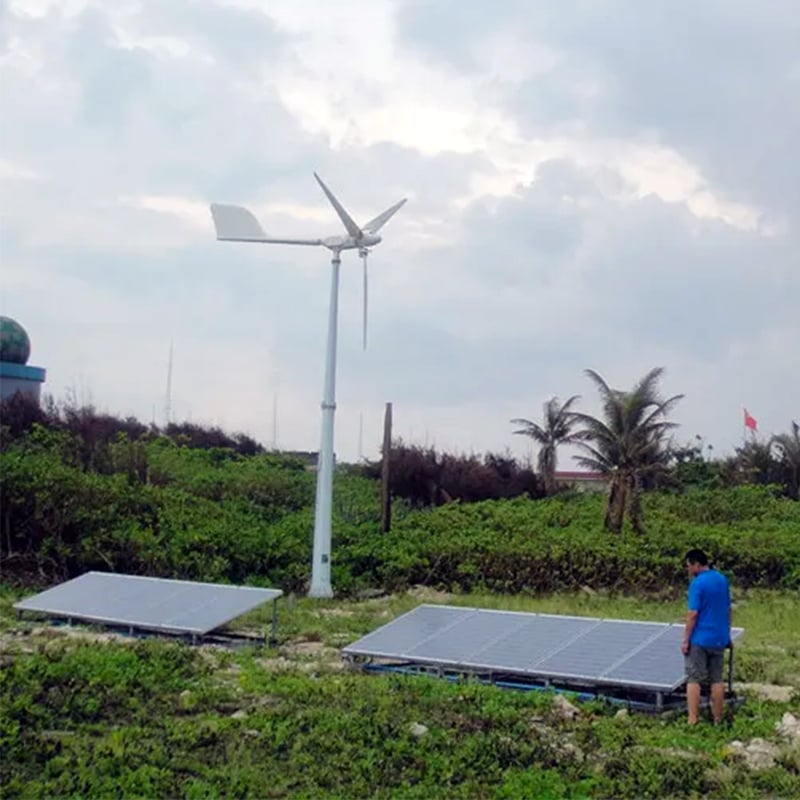
primary products wind turbines, solar panels and lifepo4 batteries. customers will receive a one-stop-shop service the integration and Eolic generator a wind-solar hybrid as well as smart photovoltaic system. DHC provides reliable products, technologies, and after-sales service to customers with excellent delivery capability.
We're dedicated solving commercial residential electrical needs utilizing a solar/wind power system. With professional supply chain management and integration capabilities, are able to provide customers with completely customized solutions. We'll provide high-quality service all hours of day from 2kw vertical axis wind turbine to design and after-sales.
Integrity the cornerstone of company. offer real power solutions offer an expert service. {When it comes to wind turbines, {you can pay attention it is important to Integrity is the foundation our company. We offer real power equipment, as well as skilled service. You can consider parameters like blade diameter as well as wind you should pay attention aspects like blade's diameter as well as weight. promise that all products produced by DHC come with wind turbine generator power output and not overinflated power.
Before making a purchasing decision regarding air source heat pumps, consider the following key points:
Customization Options: Many manufacturers offer customization to meet specific application requirements. Discuss your needs with suppliers to explore tailored solutions.
Lead Times: Production and delivery can vary significantly based on the supplier and the specific model. Always confirm lead times when placing an order to ensure timely installation.
Quality Assurance: Ask about the manufacturer’s quality control processes. Reliable suppliers will have rigorous testing protocols in place to ensure product performance.
Documentation and Support: Ensure that the supplier provides comprehensive documentation, including installation manuals, warranty details, and customer support options. This ensures you have the resources needed for effective operation and troubleshooting.
Sample Approval: It’s advisable to request a sample unit or a demonstration model before committing to a large order. This allows you to evaluate performance and compatibility with your systems.
By understanding these aspects, you can make informed decisions and select air source heat pumps that meet your operational needs and efficiency goals.
Welcome to DHC, the top brand of wind solar hybrid power system! We provide innovative and effective new energy solutions including wind turbine, solar panel, lifepo4 battery, etc.




 EN