
As businesses increasingly seek sustainable solutions, the air source heat pump (ASHP) emerges as a critical technology for energy efficiency. ASHP heat pumps utilize outdoor air to provide heating, cooling, and hot water, making them an attractive option for various applications in commercial, industrial, and residential settings. Buyers often have concerns about specifications, performance, and procurement strategies, and this article aims to equip purchasing managers, engineers, and product managers with essential insights into ASHP heat pumps, helping them make informed decisions.
When evaluating ASHP heat pumps, several key specifications should be considered:
Heating Capacity: Measured in kilowatts (kW), the heating capacity determines how effectively the pump can meet the thermal demands of a space. It’s crucial to match the capacity to the specific heating requirements of the application.
Coefficient of Performance (COP): This metric indicates the efficiency of the heat pump. A higher COP means more efficient energy use, which translates to lower operating costs. Buyers should assess the COP at various outdoor temperatures to understand performance under different conditions.
Refrigerant Type: The choice of refrigerant impacts both efficiency and environmental considerations. Common refrigerants include R410A and R32, with R32 being recognized for its lower global warming potential.
Operating Temperature Range: Buyers should verify the operational limits of the ASHP, including the minimum outdoor temperatures for effective heating. This is particularly important for regions with extreme winter conditions.
Noise Level: Measured in decibels (dB), the noise level of the outdoor unit is crucial for residential applications where sound disruption can be an issue.
Control Systems: Modern ASHPs come with advanced control systems that allow for programmable settings, remote access, and integration with smart home technologies. These features can enhance user convenience and energy management.
Wholesale buyers should look for suppliers that provide detailed specifications and can offer customized solutions based on specific project requirements. Additionally, exploring options like the Household 6P Air Source Heat Pump System with PVT Solar Panels can offer integrated solutions for energy efficiency.
Cost-effective procurement of ASHP heat pumps involves more than just comparing upfront prices. Here are critical factors to consider:
Total Cost of Ownership (TCO): Evaluate the total cost over the product’s lifecycle, including installation, maintenance, and energy consumption. A higher initial investment may lead to lower operating costs if the system is more efficient.
Warranty and Support: A comprehensive warranty can save money in the long run. Consider the duration and coverage of warranties, as well as the availability of customer support and service options.
Installation Requirements: Understand the complexity of the installation process. Systems that require extensive modifications to existing infrastructure can incur additional costs.
Incentives and Rebates: Research available government incentives or utility rebates for energy-efficient installations. These can significantly offset initial costs.
Supplier Reliability: Assess the supplier’s reputation in the market. Look for customer reviews and case studies that demonstrate their reliability and product performance.
By systematically comparing these factors, buyers can ensure they make a financially sound decision when procuring ASHP heat pumps.
Quality standards play a vital role in ensuring the reliable performance of ASHP heat pumps. Buyers should consider the following:
Certifications: Look for products that meet industry standards such as ISO 9001 for quality management systems and CE marking for compliance with European safety regulations. These certifications indicate a commitment to quality and reliability.
Performance Testing: Verify whether the ASHP has been tested under standard conditions, such as those set by the International Organization for Standardization (ISO) or the American Society of Heating, Refrigerating and Air-Conditioning Engineers (ASHRAE). This testing provides insights into performance efficiency.
Material Quality: Assess the materials used in the construction of the heat pump. Components such as heat exchangers and compressors should be made from durable materials to withstand varying environmental conditions.
Quality Control Processes: Inquire about the manufacturer’s quality control processes. A robust quality assurance program that includes thorough inspections and testing can prevent defects and ensure consistent performance.
Ensuring adherence to these quality standards will help buyers select reliable ASHP heat pumps that meet their operational needs.
When selecting a supplier for ASHP heat pumps, look for manufacturers with a proven track record in renewable energy solutions. Jiangsu DHC Environmental Si-Tech Co., Ltd., with over 15 years of experience in the renewable energy sector, is notable for its expertise in wind and solar hybrid systems, including heat pumps. Their commitment to customized solutions and strong supply chain partnerships enhances reliability and performance.
Consider engaging with suppliers who:
Offer comprehensive product catalogs with clear specifications. Provide excellent customer support and technical assistance. Have a strong reputation in the market, backed by positive customer testimonials. Are transparent about production capabilities, lead times, and pricing structures.
Choosing a reputable supplier can significantly influence the success of your ASHP heat pump procurement.
Wind solar energy wind turbine generator our primary focus. We can provide customers with customized solutions with professional capability of managing supply chains as well as ability integrate. Tell us what want to achieve. needs, from de sign, manufacturing, through after-sales and more, will offer you real-time professional support throughout the day.
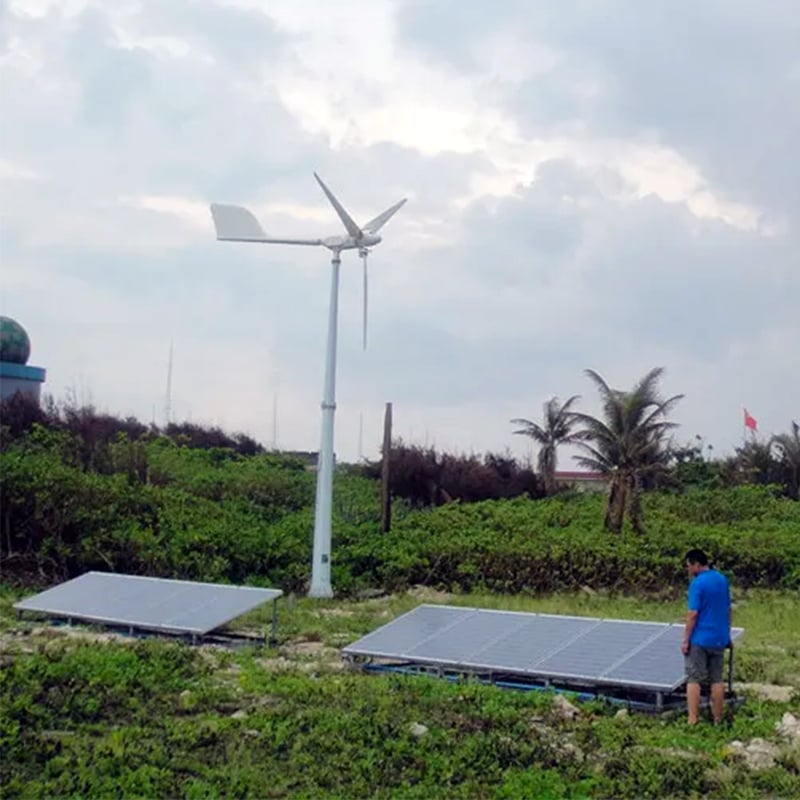
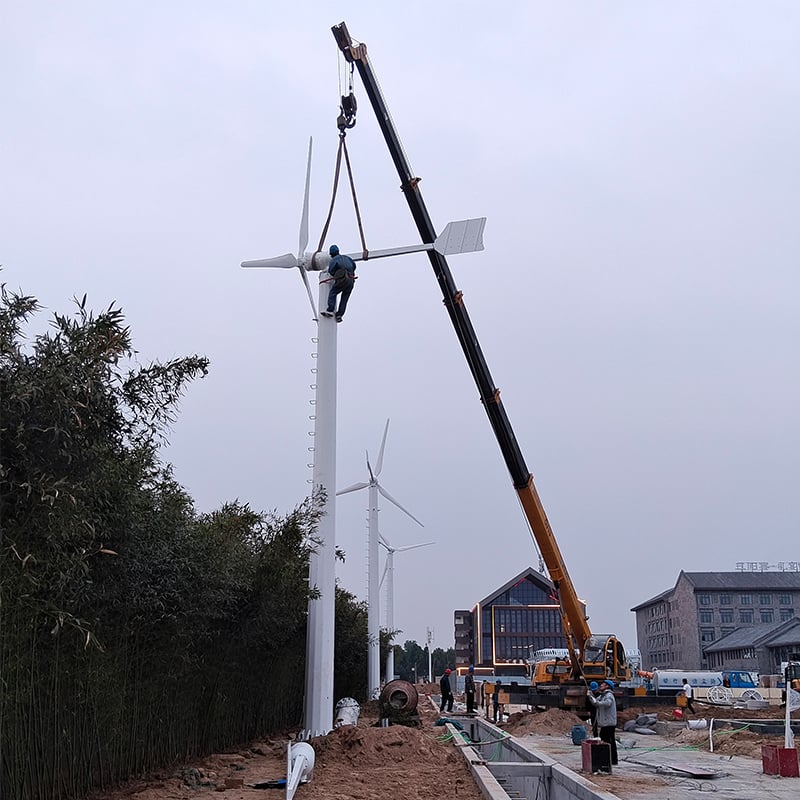
main products wind turbines and solar panels. customers can receive a single-source service integration and development wind-solar hybrids as well as intelligent photovoltaic systems. DHC provides reliable 5000w wind turbine, technologies and after-sales support customers through exceptional delivery capability.
Integrity the cornerstone of company. offer real power solutions offer an expert service. {When it comes to wind turbines, {you can pay attention it is important to Integrity is the foundation our company. We offer real power equipment, as well as skilled service. You can consider parameters like blade diameter as well as wind you should pay attention aspects like blade's diameter as well as weight. promise that all products produced by DHC come with 2kw vertical axis wind turbine power output and not overinflated power.
As most sought-after brand of wind solar hybrid power systems, DHC has own wind turbine factory integrating R D design, production and technical support. founders of DHC have been working on the idea green 2kw vertical axis wind turbine protection since 2009 and immersed in the world of renewable energy adhering to the company's values "diligence as well as honesty, cooperation and innovation." Our DHC brand DHC is the result of this.
ASHP heat pumps are versatile and can be adapted for numerous applications across different industries:
Residential Heating and Cooling: ASHPs are widely used in homes for space heating and cooling, providing an energy-efficient alternative to traditional HVAC systems. They are particularly effective in moderate climates.
Commercial Buildings: In commercial settings, ASHPs can efficiently regulate indoor climates, resulting in significant energy savings. They can be integrated with existing systems for hybrid solutions, including options like the Residential 3kW PVT Solar Panel 2kW Wind Turbine 6P Air Source Heat Pump System.
Industrial Processes: Industries that require consistent heating or cooling can benefit from ASHPs. They can be used for process heating, space heating, and even for heating water in manufacturing facilities.
Agricultural Applications: ASHPs can effectively heat greenhouses or provide climate control for livestock housing, helping to maintain optimal conditions for plant and animal growth.
Hot Water Production: ASHPs can also be utilized for domestic hot water systems, providing a sustainable source of hot water for various applications.
Understanding these applications allows buyers to determine the best fit for their specific operational needs and optimize their investment in ASHP technology. By considering the specifications, procurement strategies, quality standards, supplier reliability, and application versatility of ASHP heat pumps, B2B buyers can make informed decisions that support their organizational goals for sustainability and efficiency.
Welcome to DHC, the top brand of wind solar hybrid power system! We provide innovative and effective new energy solutions including wind turbine, solar panel, lifepo4 battery, etc.




 EN