
Air source heat pumps are an efficient heating and cooling solution for residential applications, utilizing the ambient air outside to regulate indoor temperatures. When considering an air source heat pump for a house, B2B buyers—such as purchasing managers, engineers, and product managers—often have concerns regarding efficiency, performance specifications, and supplier reliability. This article will help you understand how to select the right air source heat pump, the key specifications to look for, and factors to consider when evaluating suppliers and pricing.
Selecting the right air source heat pump involves assessing several factors tailored to your specific application. Start by determining the heating and cooling capacity required for your home, which is often measured in British Thermal Units (BTUs). The size of the pump should be appropriate for the square footage of the living space to avoid inefficiencies such as short cycling or inadequate climate control. Additionally, consider exploring options like Portable Power Station to complement your energy needs.
Next, consider the Seasonal Energy Efficiency Ratio (SEER) and Heating Seasonal Performance Factor (HSPF) ratings. These metrics indicate the pump's efficiency in converting electrical energy into heating or cooling. A higher SEER or HSPF rating typically translates to lower energy costs and a smaller environmental footprint.
Additionally, take into account the installation requirements and compatibility with existing systems. Some air source heat pumps can be integrated into existing ductwork, while others may require ductless installation. Lastly, consider the noise level of the unit, especially if it will be located near living areas.
When evaluating air source heat pumps, several specifications are critical to ensure optimal performance:
Capacity: Measure the unit's BTU output to match the heating and cooling needs of your home.
Efficiency Ratings: Focus on the SEER and HSPF ratings. For example, a SEER rating of 16 or higher is generally considered efficient for cooling, while an HSPF of 8 or above is ideal for heating.
Refrigerant Type: Modern units typically use R-410A refrigerant, which is more environmentally friendly than older refrigerants like R-22. Ensure that the chosen unit complies with current regulations.
Operating Temperature Range: Assess the unit's performance in extreme temperatures, as some models may struggle in very cold conditions.
Noise Levels: Look for decibel (dB) ratings; a lower dB indicates quieter operation. This is particularly relevant for residential areas.
Warranty: Review the warranty terms to understand the manufacturer's support and coverage for parts and labor.
Choosing a reliable supplier is crucial for ensuring consistent product quality and support. Look for suppliers with a solid reputation in the renewable energy sector, like Jiangsu DHC Environmental Si-Tech Co., Ltd., which specializes in renewable energy solutions and has 15 years of experience. Consider also their offerings like Wind Turbine products that may be beneficial for your projects.
Evaluate potential suppliers based on their manufacturing capabilities, including the technology and processes utilized in producing air source heat pumps. Suppliers should be able to provide detailed specifications, certificates of compliance, and a clear understanding of their quality control processes.
Additionally, consider the supplier's customer service track record. Timely communication and support can significantly impact the purchasing experience, particularly during installation or troubleshooting.
When purchasing air source heat pumps in bulk, assessing product quality becomes paramount. Start by requesting samples from potential suppliers to verify the build quality, efficiency, and performance under actual operating conditions. Testing samples in relevant environments can help identify potential issues before committing to a larger order.
Check for certifications that indicate adherence to industry standards, such as ISO certifications or compliance with local energy efficiency regulations. This ensures that the products meet specific performance and safety criteria.
Also, consider the supplier's production capacity and lead time for bulk orders. Understanding their ability to fulfill orders on time is essential for project planning, particularly if the pumps are needed for construction or renovation timelines.
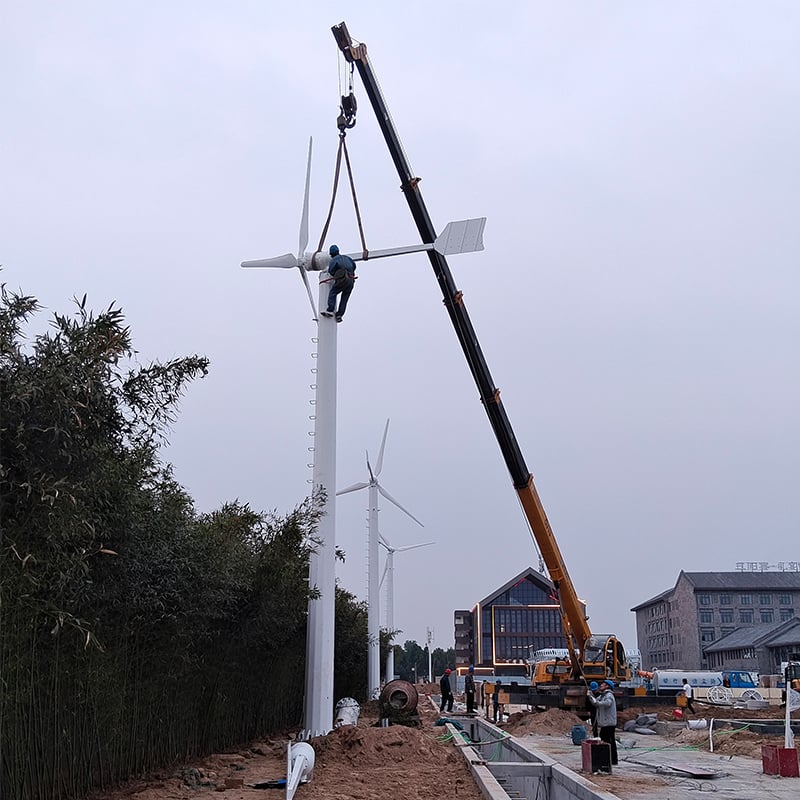
We dedicated to upholding integrity as cornerstone of our business, offering customers genuine power products expert services. In the case of wind turbines can pay attention is important to committed to keeping integrity as the cornerstone of business, offering customers the best power products as well as 5000w wind turbine services. Consider parameters such as blade diameter and wind turbine's weight when you evaluate wind turbines. We promise that all products manufactured by DHC have real power output without exaggerated power.
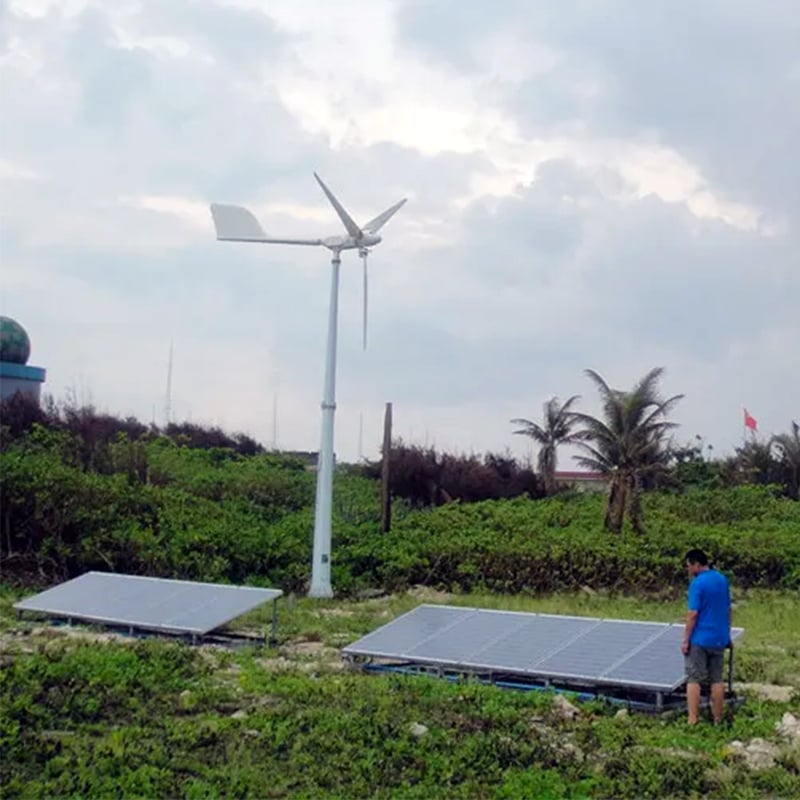
Our main products include wind turbines solar panels. can provide customers with all-in-one service for design and integration smart photovoltaic systems, as well as wind-solar hybrid systems. DHC is reliable supplier products, technologies after-sales 2kw vertical wind turbine customers with its excellent delivery capability.
We're dedicated solving commercial residential electrical needs utilizing a solar/wind power system. With professional supply chain management and integration capabilities, are able to provide customers with completely customized solutions. We'll provide high-quality service all hours of day from Wind turbine for home 5kw to design and after-sales.
DHC the market leader in hybrid wind solar power systems. has its own manufacturing facility that integrates R D and production, design technical support. Since 2009 founders of DHC have been implementing the concept of environmental protection and have been immersed the latest technology and embraced the corporate wind turbine generator that focuses on "diligence and integrity, collaboration and innovation." This is also the basis of our brand "DHC".
The cost of air source heat pumps can vary widely based on several factors. Begin by considering the initial purchase price, which is often influenced by the unit’s capacity and efficiency ratings. High-efficiency models may have a higher upfront cost but often result in lower operating expenses over time.
Installation costs are another significant factor. Depending on the complexity of the installation—such as ductwork modifications or electrical upgrades—labor costs can vary. Ensure to obtain detailed quotes that encompass both the product and installation services.
Also, assess potential rebates or incentives available for energy-efficient home improvements, as these can significantly offset costs. Research local, state, or federal programs that may provide financial assistance for installing renewable energy systems.
Finally, consider the long-term savings associated with operational costs. A more efficient air source heat pump may come with a higher initial price but can lead to substantial savings on energy bills over its lifespan.
By understanding these aspects, B2B buyers can make informed decisions when selecting air source heat pumps for their residential projects, ensuring optimal performance and cost-effectiveness.
Welcome to DHC, the top brand of wind solar hybrid power system! We provide innovative and effective new energy solutions including wind turbine, solar panel, lifepo4 battery, etc.




 EN