
Air source heat pumps are a popular choice in renewable energy solutions, offering efficient heating and cooling by extracting heat from the air. As a leading player among air source heat pump manufacturers, Jiangsu DHC Environmental Si-Tech Co., Ltd. combines 15 years of experience with advanced technology in wind and solar hybrid systems to provide customized solutions for various applications. Additionally, the integration of a Wind Solar Hybrid Power System can enhance the overall efficiency of energy solutions. In this article, we will explore key considerations for selecting the right air source heat pump, specifications to keep in mind when sourcing, where to find reliable suppliers, cost factors for bulk orders, and common problems with heat pumps along with their effective solutions.
Selecting the right air source heat pump involves understanding your specific needs and the environmental conditions where it will be installed. Key considerations include the heating and cooling load requirements of your space, local climate conditions, and the energy efficiency ratings of the units you're considering. Buyers should also evaluate the type of refrigerant used in the heat pump, as this can impact efficiency and environmental friendliness.
Moreover, it is essential to consider the noise levels of the units, particularly for residential applications, as some models may operate more quietly than others. Additionally, ensure that the chosen heat pump is compatible with existing heating systems, if applicable, to facilitate a smoother integration process. Seeking guidance from experienced manufacturers can also help in making informed decisions tailored to specific project requirements.
When sourcing air source heat pumps, several specifications are crucial to ensuring optimal performance. These include:
Heating Capacity: Measured in BTUs or kilowatts, this indicates the amount of heat the pump can provide. It should match the heating load of your space. Seasonal Energy Efficiency Ratio (SEER): This rating measures the cooling efficiency of the unit. A higher SEER rating indicates better energy efficiency and lower operating costs. Coefficient of Performance (COP): This is the ratio of useful heating or cooling provided to the energy consumed. A higher COP indicates greater efficiency. Operating Temperature Range: Understanding the range of temperatures in which the pump can operate effectively is vital, especially in regions with extreme weather conditions. Refrigerant Type: The choice of refrigerant affects both environmental impact and efficiency. R410A is commonly used due to its favorable efficiency characteristics.Buyers should confirm these specifications against their unique application needs to ensure the selected heat pump performs as expected.
Identifying reliable suppliers begins with researching manufacturers known for their quality and expertise in air source heat pumps. Look for companies with a strong track record and positive customer reviews. Industry certifications, such as ISO for quality management and compliance with local regulations, can also indicate a reputable supplier.
Trade shows and industry conferences provide opportunities to meet manufacturers and distributors face-to-face, allowing for direct discussions about product offerings and capabilities. Additionally, leveraging online B2B platforms and industry-specific directories can help in identifying potential suppliers that meet your project requirements.
It's also beneficial to seek recommendations from industry peers or professionals who have experience with specific manufacturers. This word-of-mouth feedback can provide insights into product reliability and customer service.
When considering bulk orders of air source heat pumps, several cost factors come into play. First, pricing can vary based on the type and specifications of the heat pump. More advanced models with higher efficiency ratings may come at a premium but can offer significant energy savings in the long run. Additionally, bulk orders often come with discounts, but it’s crucial to consider the total cost of ownership, including installation, maintenance, and operational costs. Shipping costs can also impact the total price, particularly for international orders. Understanding the minimum order quantity (MOQ) and any associated lead times for production can help in planning and budgeting for your project.
Lastly, customization options can affect pricing. If specific features or specifications are required, discussing these with manufacturers early in the procurement process can lead to more accurate quotations and better alignment with budget expectations.
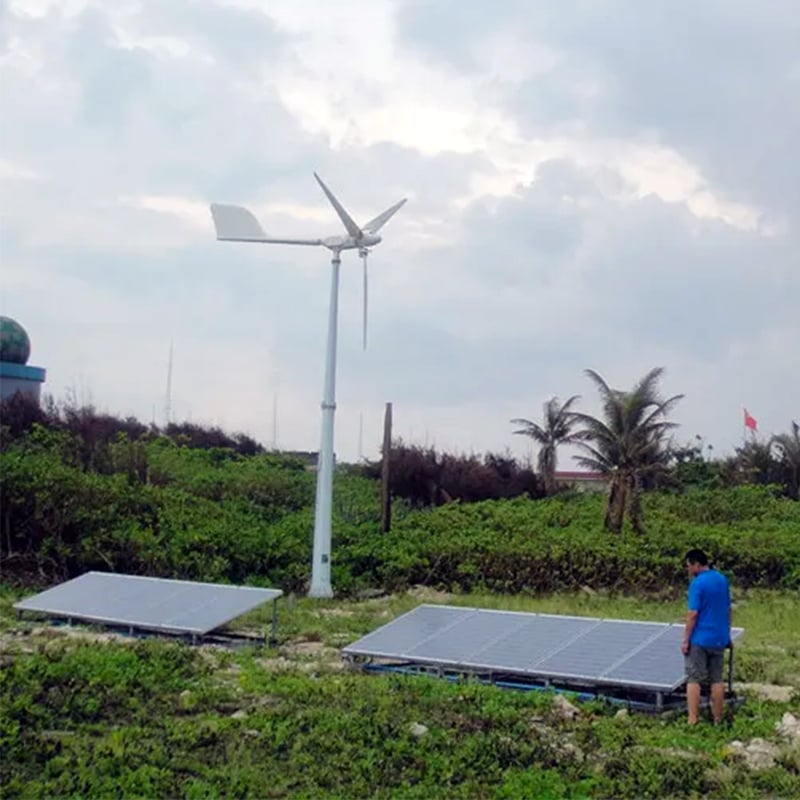
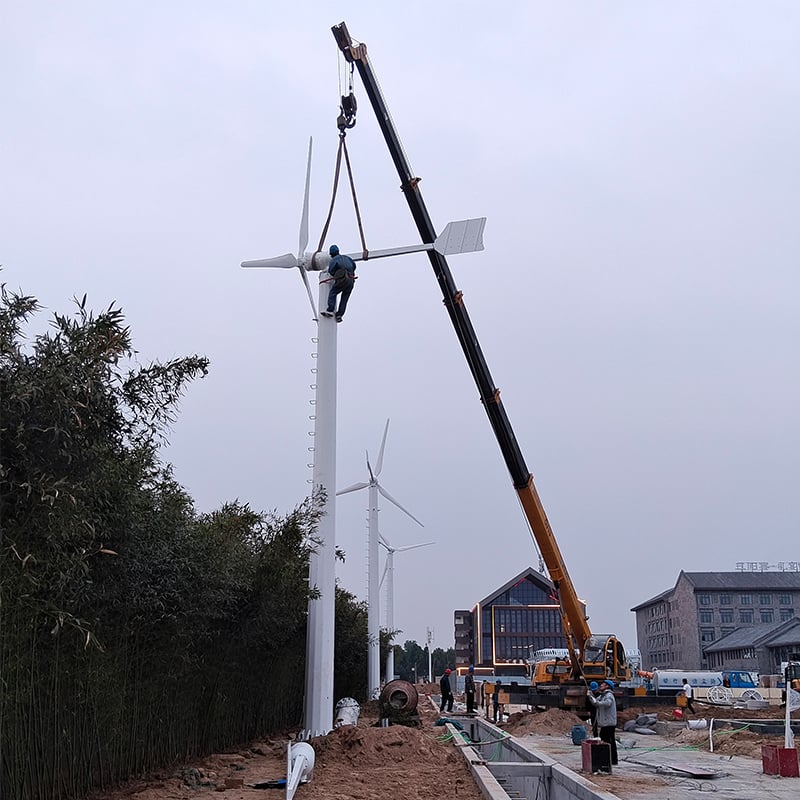
main products include wind Wind turbine for home 5kw solar panels. Customers can avail an all-in-one service integration development of wind-solar hybrids as well as smart photovoltaic system. With excellent delivery ability, DHC provides reliable technologies and products, as well as after-sales service customers.
Wind solar energy wind turbine generator our primary focus. We can provide customers with customized solutions with professional capability of managing supply chains as well as ability integrate. Tell us what want to achieve. needs, from de sign, manufacturing, through after-sales and more, will offer you real-time professional support throughout the day.
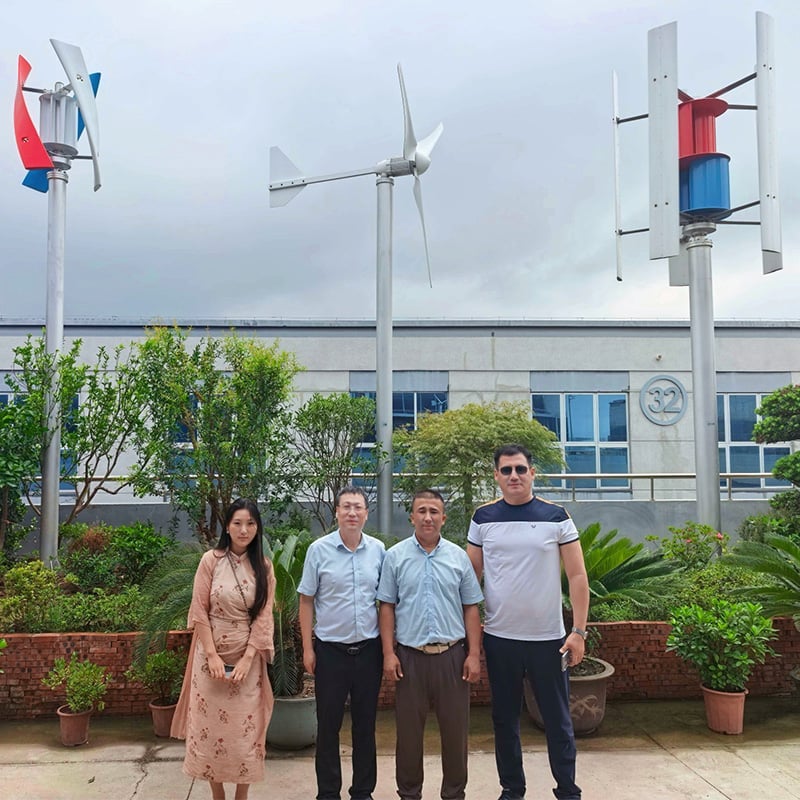
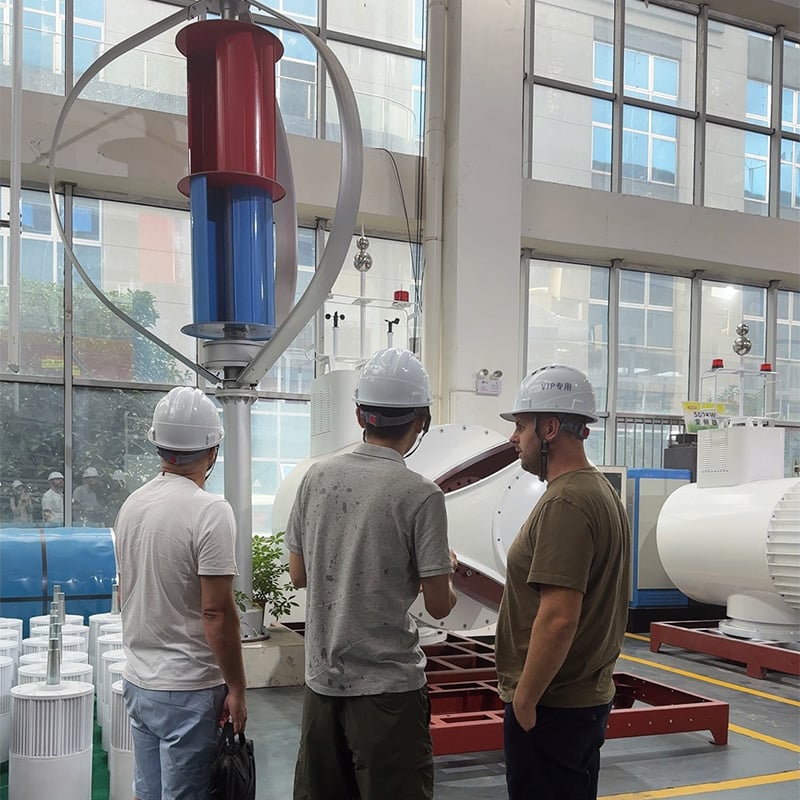
DHC is leading brand in the hybrid wind solar power systems. It has own factory that incorporates R D production, design, and technical services. Since 2009 the founders DHC have been implementing the idea protecting the environment and have been immersed in the latest technology and Wind turbine the corporate values "diligence and integrity, co-operation and creativity." This is also the source of our name "DHC".
Integrity is foundation of our company. offer real power equipment, as well as skilled Wind turbine. In the case of wind turbines, {you can pay attention it is important to commitment to integrity the basis of our business. We provide genuine power equipment, as well as expert service. Consider parameters such as blade diameter as well as wind turbine weight when looking at wind turbines. DHC promises that its products are able to deliver real power without exaggerating the power.
Air source heat pumps can experience various issues during operation. Common problems include:
Insufficient Heating or Cooling: This can occur if the unit is undersized for the application. Ensuring proper sizing and installation is critical. Frost Build-Up: In colder climates, frost can accumulate on the outdoor coil, reducing efficiency. Regular maintenance and ensuring the unit is properly defrosted can mitigate this issue. Noise Issues: Excessive noise can be a concern, particularly in residential areas. Selecting quieter models and ensuring proper installation can help minimize noise. Electrical Failures: Electrical issues can arise from improper wiring or component failures. Regular inspections and maintenance can help identify potential electrical problems early.Understanding these common challenges allows buyers to take preventive measures and ensure their air source heat pumps operate efficiently over the long term.
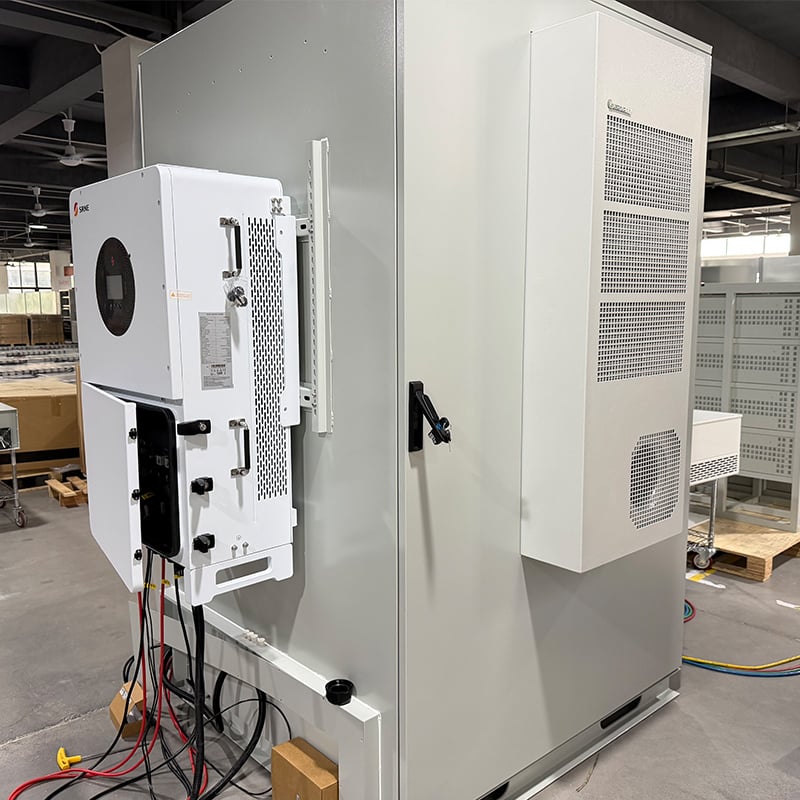
By considering these factors and leveraging the expertise of experienced manufacturers like Jiangsu DHC Environmental Si-Tech Co., Ltd., buyers can make informed decisions that align with their renewable energy goals and project requirements. Utilizing a Container Energy Storage Battery can also complement these systems by providing additional energy storage solutions.
Welcome to DHC, the top brand of wind solar hybrid power system! We provide innovative and effective new energy solutions including wind turbine, solar panel, lifepo4 battery, etc.

 EN