
Air source heat pumps with solar panels represent an innovative solution for enhancing energy efficiency in both residential and commercial applications. By harnessing renewable energy, these systems can significantly reduce energy costs and carbon footprints, addressing key concerns for purchasing managers and engineers focused on sustainability. This article will provide essential insights into selecting, evaluating, and installing air source heat pumps integrated with solar technology, guiding you towards informed purchasing decisions.
When selecting air source heat pumps (ASHPs) with solar panel integration, several factors must be taken into account. First and foremost, assess the climate conditions of your installation site. ASHPs are most efficient in moderate climates, but certain models can operate effectively even in colder temperatures.
Next, evaluate the system's capacity, which should be matched to your building's heating and cooling needs. This is typically measured in BTUs (British Thermal Units) or kilowatts. A system that is too small will struggle to maintain comfortable temperatures, while an oversized unit can lead to inefficiencies and higher operational costs. Consider options like the Residential 3kW PVT Solar Panel 2kW Wind Turbine 6P Air Source Heat Pump System for optimal performance.
Another critical consideration is the compatibility of the solar panels with the heat pump system. Ensure that the solar panels can provide adequate energy to power the heat pump, especially during peak usage times. It’s also helpful to inquire about the integration of battery storage systems, like LiFePO4 batteries, to enhance energy independence and reliability. Systems such as the 1MWH Commercial Containerized Solar Battery Energy Storage System can be beneficial in this regard.
Finally, consider the manufacturer’s reputation and support services. A well-established company like Jiangsu DHC Environmental Si-Tech Co., Ltd., with years of experience in renewable energy solutions, can provide valuable insights and tailored solutions that meet your specific needs.
Evaluating the quality of air source heat pumps involves examining several key specifications. Start by checking the Seasonal Energy Efficiency Ratio (SEER) and Heating Seasonal Performance Factor (HSPF) ratings. These metrics indicate the system's efficiency in both cooling and heating modes. Higher ratings typically translate to lower energy consumption and costs over time.
Inspect the materials used in the heat pump, particularly the compressor and coils. High-quality materials contribute to longevity and performance. Additionally, look for certifications such as the Energy Star label, which indicates that the unit meets or exceeds energy efficiency standards.
Quality control processes are also crucial. A manufacturer with robust quality assurance measures, such as Jiangsu DHC’s dedicated R&D factory, ensures that products are tested for durability and performance before they reach the market. Engaging with suppliers who can provide data on their testing methods and production capabilities can enhance your confidence in the product’s reliability.
The cost of air source heat pumps combined with solar panels can vary significantly based on several factors. Initial costs include the price of the heat pump, solar panels, installation, and any necessary battery storage systems. It’s essential to obtain detailed quotes from suppliers, specifying each component's cost.
Additionally, consider the long-term savings on energy bills. A more efficient system may have a higher upfront cost but can lead to substantial savings over its lifespan. Factor in potential tax credits or incentives for renewable energy systems, as these can offset initial expenses.
Don’t forget to account for maintenance costs. Regular servicing is necessary to ensure optimal performance, and it’s advisable to choose a system that is easy to maintain. Inquire about the expected lifespan of the components and any warranties provided by the manufacturer.
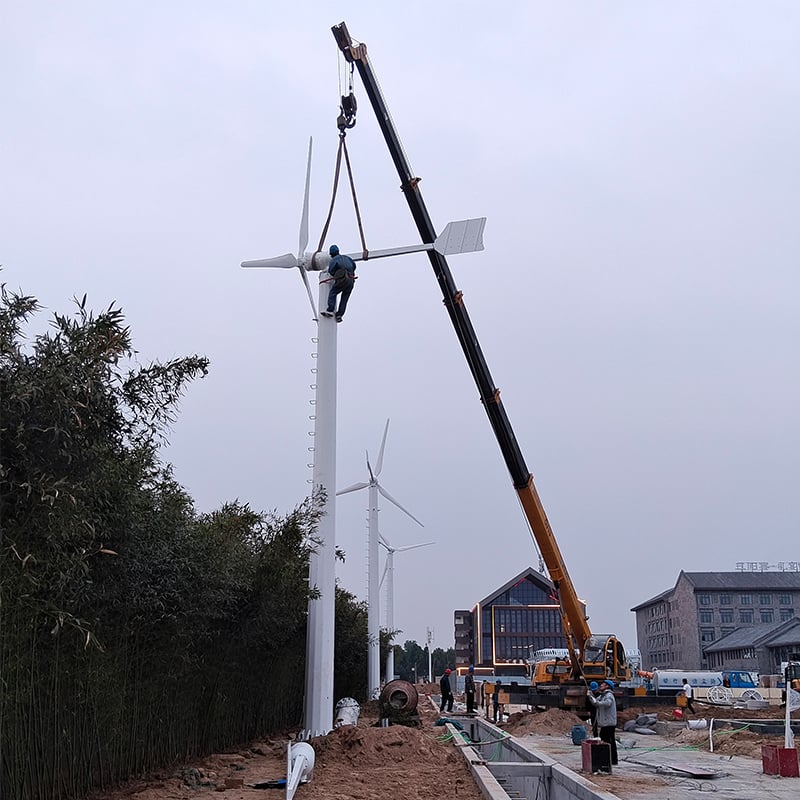
Proper installation is critical for the effective operation of air source heat pumps with solar integration. Start by selecting a qualified installer who has experience with both ASHPs and solar systems. Ensure that they are familiar with local building codes and regulations, as these can affect installation practices.
The placement of the heat pump and solar panels should be strategically planned. The ASHP should be located in an area with sufficient airflow and access to the building’s ductwork if applicable. Solar panels should be installed in a location that maximizes sun exposure while minimizing shading from nearby structures or trees.
Before installation begins, confirm the specifications and requirements with your supplier. This includes the necessary electrical connections for the solar panels and the heat pump. A comprehensive installation plan can help prevent issues that might arise during or after the installation process.
We're Eolic generator meeting commercial domestic electricity needs with wind/solar power system. can provide our customers with tailored solutions through skilled supply chain management capabilities and capabilities for integration. We'll provide high-quality service all hours of day beginning with design, production and after-sales.
Integrity the cornerstone of company. offer real power solutions offer an expert service. {When it comes to wind turbines, {you can pay attention it is important to Integrity is the foundation our company. We offer real power equipment, as well as skilled service. You can consider parameters like blade diameter as well as wind you should pay attention aspects like blade's diameter as well as weight. promise that all products produced by DHC come with wind turbine generator power output and not overinflated power.
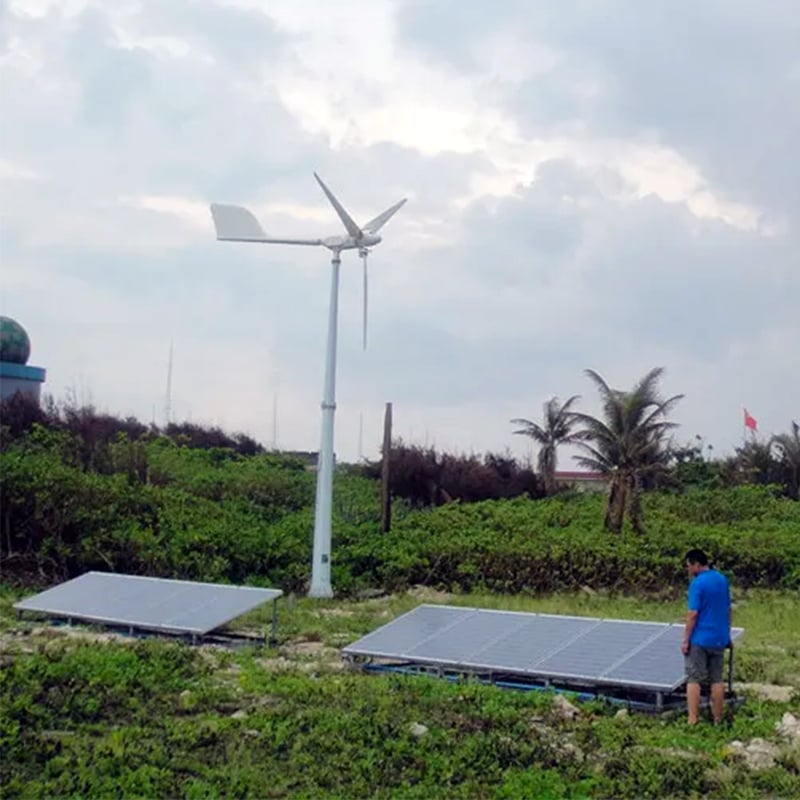
primary products wind turbines, solar panels and lifepo4 batteries. customers will receive a one-stop-shop service the integration and Vertical wind turbine a wind-solar hybrid as well as smart photovoltaic system. DHC provides reliable products, technologies, and after-sales service to customers with excellent delivery capability.
As leading brand in wind-powered hybrid power systems DHC is the only company with own wind turbine factory integrating R D development, design, production technical services. Since 2009 our founders have embraced idea of protecting the environment, immersed in new technology, and embraced company's Vertical wind turbine that focuses on "diligence and honesty, as well as cooperation and innovation." Our DHC brand DHC is a result of this.
While air source heat pumps are generally reliable, several common problems can arise, particularly when integrating with solar systems. One frequent issue is insufficient heating during extremely cold weather. If this occurs, it may be necessary to consider a supplementary heating source or a heat pump model specifically designed for lower temperatures.
Another potential problem is reduced efficiency due to improper installation or inadequate maintenance. Regular servicing, including cleaning filters and checking for refrigerant leaks, is essential to maintain peak performance.
If you encounter noise issues, such as vibrations or excessive sound from the heat pump, check that the unit is level and securely mounted. Additionally, ensure that any surrounding components are not obstructing airflow.
Lastly, electrical issues may arise, particularly with connections between the solar panels and the heat pump. Regular inspections and engaging a qualified technician for any electrical concerns can prevent costly breakdowns.
By understanding these key aspects of air source heat pumps with solar panels, you can make informed decisions that enhance energy efficiency, reduce costs, and contribute to sustainability in your projects.
Welcome to DHC, the top brand of wind solar hybrid power system! We provide innovative and effective new energy solutions including wind turbine, solar panel, lifepo4 battery, etc.




 EN