
As a leading brand in renewable energy, Jiangsu DHC Environmental Si-Tech Co., Ltd. specializes in solutions like solar panels and air source heat pumps that are vital for sustainable energy projects. This article will guide B2B buyers—including purchasing managers, engineers, and product managers—on how to make informed decisions when selecting solar panels and air source heat pumps. Key concerns will be addressed, such as specifications, application suitability, and common issues. By the end, readers will gain practical insights to enhance their purchasing strategies.
Selecting the appropriate solar panels for your project involves evaluating several critical factors, including efficiency, warranty, and compatibility with existing systems. High-efficiency panels typically generate more power in a smaller area, making them ideal for limited spaces. Look for panels with a performance warranty of at least 25 years; this indicates reliability and manufacturer confidence.
Consider the type of solar panel as well. Monocrystalline panels are known for their high efficiency and longevity, while polycrystalline panels are often more affordable but slightly less efficient. You should also assess the temperature coefficient, which indicates how well the panels perform in varying temperatures. A lower coefficient means better performance in hot conditions, which is crucial for certain geographical areas.
Lastly, ensure that the panels meet local regulations and grid compatibility. Understanding the specific energy needs of your project—whether it’s for residential, commercial, or industrial applications—will further guide your selection process. For instance, considering the use of a Wind Controller can optimize energy management in your system.
When sourcing air source heat pumps, consider working with wholesale suppliers that have robust product offerings and strong supply chain partnerships. Look for suppliers who specialize in energy-efficient systems, as these units can significantly reduce operational costs over time. Jiangsu DHC Environmental Si-Tech Co., Ltd. offers a range of customized air source heat pumps tailored for various applications, ensuring that your energy requirements are met effectively.
Evaluate potential suppliers based on their ability to provide technical support, warranty options, and product certifications. A good supplier should also be willing to provide samples for testing before committing to a larger order. This allows you to assess the quality and suitability of the equipment for your specific application.
Ensure that the supplier can meet your minimum order quantities (MOQ) and deliver within your required timelines. Establishing a strong relationship with your supplier can also lead to better pricing and terms in the long run.
When considering solar panels and air source heat pumps, there are several key factors that can directly affect your investment:
Performance Specifications: Understand the energy output, efficiency rating, and operating temperature ranges. For air source heat pumps, check the Coefficient of Performance (COP), which indicates the efficiency of the system under various operating conditions.
Installation Requirements: Both solar panels and air source heat pumps have specific installation needs. Ensure that your site can accommodate the necessary infrastructure, such as mounting systems for solar panels and adequate space for air source heat pumps.
Regulatory Compliance: Confirm that the products meet local building codes and energy regulations. This could involve certifications like CE or UL, which indicate that the products have been tested and meet safety standards.
Maintenance Needs: Evaluate the upkeep required for both systems. Regular maintenance ensures optimal performance and longevity, and understanding this will help you budget appropriately.
Cost Factors: Analyze the total cost of ownership, which includes initial purchase price, installation, and long-term operational costs. Sometimes, higher upfront costs can be offset by lower energy bills over time.
Air source heat pumps can face common issues that may affect their efficiency and reliability. Here are a few prevalent problems and their solutions:
Low Efficiency in Cold Weather: Air source heat pumps may struggle to provide adequate heating during extremely cold weather. To address this, consider units with a higher heating capacity or supplementary heating options, such as electric resistance heaters.
Frost Buildup: In cold climates, frost can accumulate on the outdoor unit, reducing efficiency. Most modern heat pumps come equipped with a defrost cycle that automatically removes frost. Regular maintenance, like cleaning the unit and ensuring proper airflow, can also help.
Noise Levels: Some heat pumps can be noisy during operation. Choosing models with quiet operation features or sound-reducing enclosures can mitigate this issue, making them more suitable for residential areas.
Refrigerant Leaks: If you notice a drop in performance, it could be due to refrigerant leaks. Regular inspections can help identify and fix leaks before they lead to significant efficiency losses.
Thermostat Issues: Sometimes, the thermostat may not accurately read the temperature, leading to inefficient operation. Ensure that the thermostat is installed correctly and calibrated as needed.
are dedicated to meeting commercial domestic electricity needs with wind solar power system. able to provide customers with fully customized solutions with our professional capability managing supply chains capabilities 15kw wind turbine for home. We'll provide professional service throughout day beginning with design, production and after-sales.
Integrity the cornerstone of company. offer real power solutions offer an expert service. {When it comes to wind turbines, {you can pay attention it is important to Integrity is the foundation our company. We offer real power equipment, as well as skilled service. You can consider parameters like blade diameter as well as wind you should pay attention aspects like blade's diameter as well as weight. promise that all products produced by DHC come with 2kw vertical axis wind turbine power output and not overinflated power.
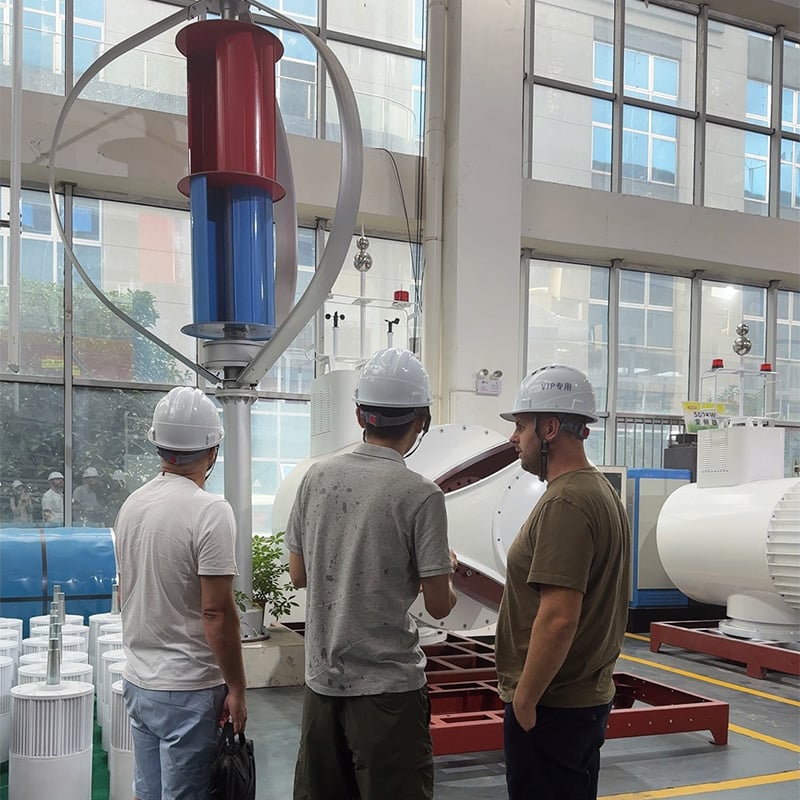
As most sought-after brand of wind solar hybrid power systems, DHC has own wind turbine factory integrating R D design, production and technical support. founders of DHC have been working on the idea green 2kw vertical axis wind turbine protection since 2009 and immersed in the world of renewable energy adhering to the company's values "diligence as well as honesty, cooperation and innovation." Our DHC brand DHC is the result of this.
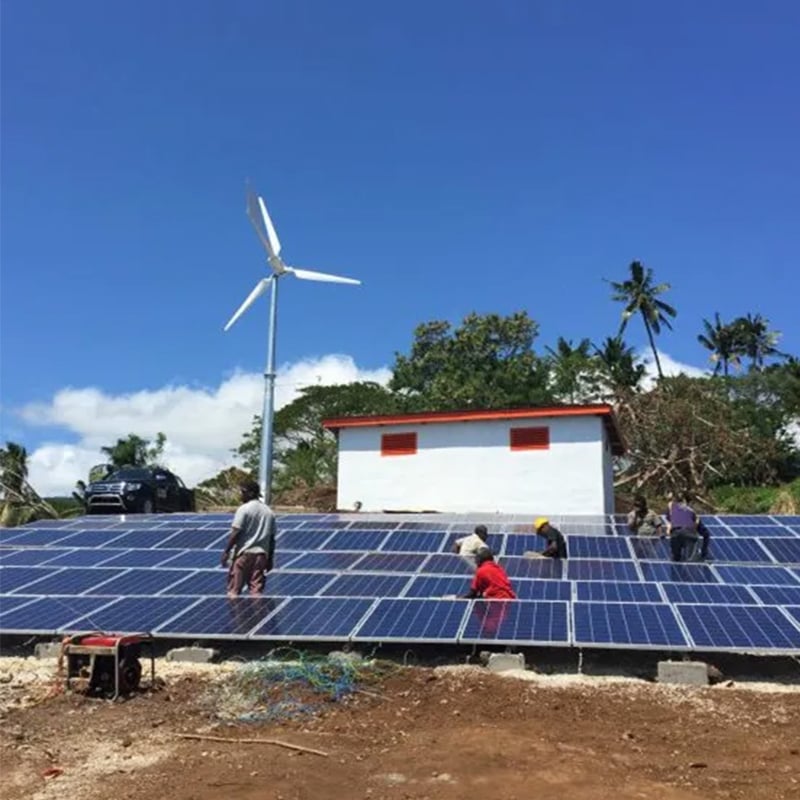
primary products wind turbines, solar panels and lifepo4 batteries. customers will receive a one-stop-shop service the integration and Eolic generator a wind-solar hybrid as well as smart photovoltaic system. DHC provides reliable products, technologies, and after-sales service to customers with excellent delivery capability.
Solar panels have versatile applications across different industries. Here are a few scenarios where they can be effectively implemented:
Agriculture: Farmers can utilize solar panels to power irrigation systems, greenhouses, and equipment, significantly reducing electricity costs and helping to manage energy needs during peak usage times.
Commercial Buildings: Retail and office spaces can integrate solar panels to offset energy consumption, lower operating costs, and enhance sustainability initiatives. This can also improve the building’s marketability.
Manufacturing: Factories can harness solar energy to power machinery and reduce reliance on conventional energy sources. This not only cuts costs but also aligns with corporate sustainability goals.
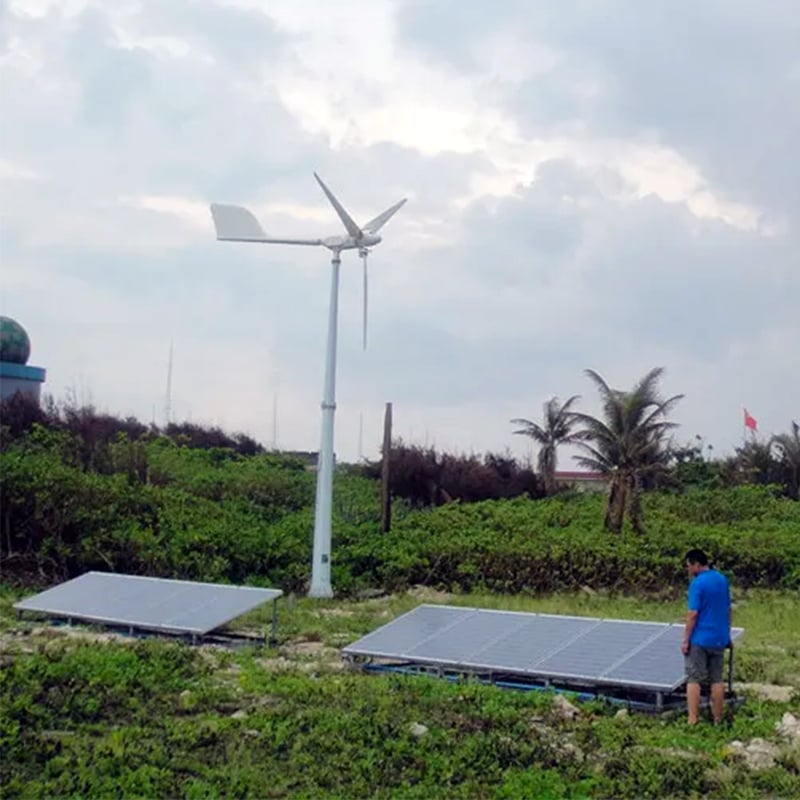
Remote Locations: In areas where grid access is limited, solar panels can provide reliable energy solutions for remote facilities, such as telecommunications towers or emergency response stations.
Residential Use: Homeowners can install solar panels to reduce their electricity bills and increase energy independence. Many governments offer incentives for residential solar installations, further making it an attractive option.
By understanding these diverse applications, buyers can make more informed decisions about integrating solar panels into their energy strategies.
Welcome to DHC, the top brand of wind solar hybrid power system! We provide innovative and effective new energy solutions including wind turbine, solar panel, lifepo4 battery, etc.
 EN