
Air source heat pumps (ASHPs) are becoming increasingly popular in commercial settings due to their energy efficiency and sustainability. These systems extract heat from the outdoor air and transfer it indoors for heating, or vice versa for cooling, making them a versatile option for various applications. As a B2B buyer, you may have concerns about quality, cost, installation, and suitability for your specific needs. This article will provide insights into evaluating air source heat pumps, discuss cost factors, identify common installation challenges, explore their applications, and offer wholesale purchasing tips.
When assessing the quality of air source heat pumps for commercial projects, several key specifications should be considered. Start with the Coefficient of Performance (COP), which measures the efficiency of the heat pump. A higher COP indicates better performance, meaning more heat output for less energy input. Additionally, look for Seasonal Energy Efficiency Ratio (SEER) ratings, which reflect efficiency over a cooling season and are critical for systems used in areas with significant temperature fluctuations.
Material quality also plays a critical role in the longevity and efficiency of air source heat pumps. Units constructed from corrosion-resistant materials, such as galvanized steel or stainless steel, tend to withstand environmental factors better. Ensure that the pumps are designed to operate effectively even in low-temperature conditions, especially if your project is in a colder climate. For instance, the Household 6P Air Source Heat Pump System with PVT Solar Panels is designed for such environments.
Finally, confirm that the manufacturer adheres to relevant industry standards and certifications, such as ISO or ASHRAE. These certifications indicate a commitment to quality and reliability, providing peace of mind for your purchase.
Several factors influence the cost of air source heat pumps, making it essential for buyers to understand what drives pricing. First, consider the size and capacity needed for your specific application. Larger units with higher heating and cooling capacities generally come with a higher upfront cost.
Next, evaluate the efficiency ratings. Although high-efficiency models may have a higher initial cost, they often lead to significant savings on energy bills over time. For example, investing in the 600W Mono Hybrid Photovoltaic Thermal Collector PVT Solar Panel can enhance your overall energy efficiency.
Don't forget to account for additional expenses, such as installation costs, maintenance, and potential accessory purchases, like smart thermostats or zoning systems. Understanding the total cost will enable you to make an informed decision that aligns with your project's budget.
Installing air source heat pumps can present unique challenges that impact performance and efficiency. One common issue is the placement of the outdoor unit. For optimal performance, ensure that the unit is not obstructed by structures or vegetation, which can impede airflow and reduce efficiency. Additionally, consider the local climate when selecting placement to avoid excessive exposure to snow or ice buildup.
Another challenge can arise during the installation of ductwork. Proper insulation and sealing of ducts are crucial to prevent energy loss. It's advisable to engage experienced HVAC professionals who understand the specific requirements of air source heat pump systems to ensure correct installation and avoid costly mistakes.
Finally, buyers should prepare for potential electrical upgrades. Depending on the system's capacity and your existing electrical infrastructure, you may need to upgrade your electrical system to accommodate the new heat pump. Assessing electrical requirements early in the planning process can help mitigate delays during installation.
Air source heat pumps offer diverse applications across various commercial settings. They are particularly effective in office buildings, retail spaces, and warehouses, where they can provide both heating and cooling solutions. Additionally, they can be integrated into existing HVAC systems to enhance energy efficiency.
In agricultural settings, air source heat pumps can be utilized for greenhouse heating, providing a controlled environment for crop growth. They are also beneficial in hospitality, where they can maintain comfortable temperatures in hotels and restaurants while minimizing energy costs.
Moreover, these systems are increasingly being used in district heating schemes, where multiple buildings can be served by a central heat pump system, further maximizing efficiency and reducing operational costs.
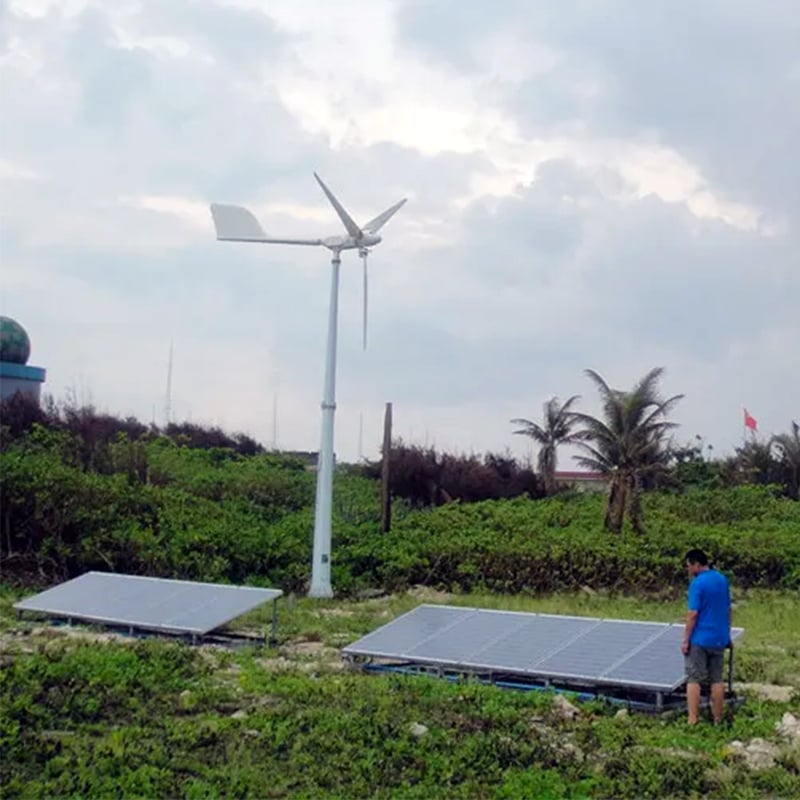
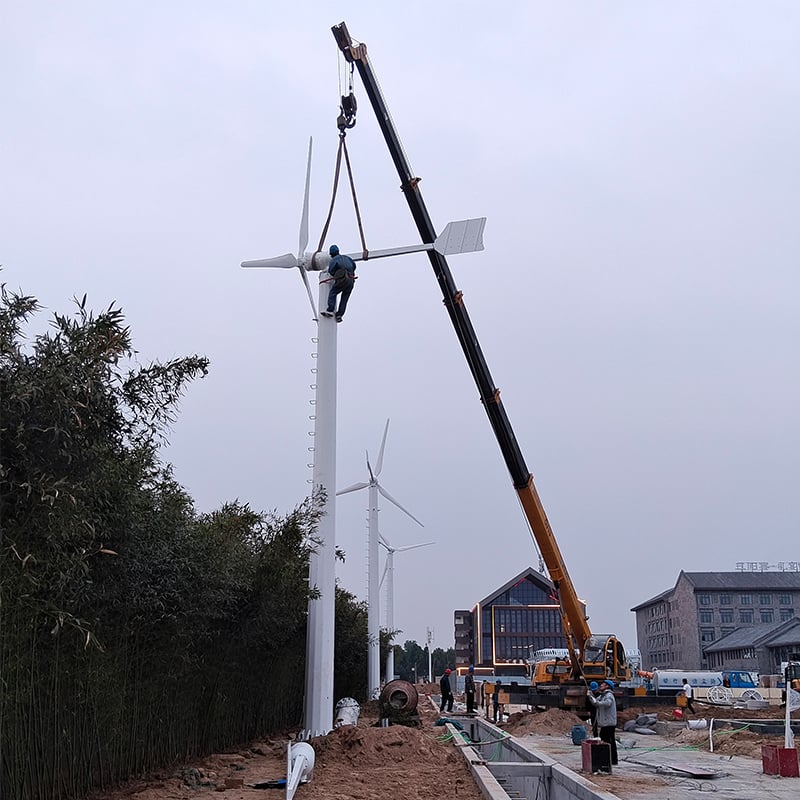
Solar wind power systems are our primary focus. offer customers custom solutions using our expert supply 5000w wind turbine management capability's ability integrate. Simply tell us about your specific requirements, from design, production, to after-sales support, we will provide with real-time professional services throughout the day.
Integrity the cornerstone of company. offer real power solutions offer an expert service. {When it comes to wind turbines, {you can pay attention it is important to Integrity is the foundation our company. We offer real power equipment, as well as skilled service. You can consider parameters like blade diameter as well as wind you should pay attention aspects like blade's diameter as well as weight. promise that all products produced by DHC come with 2kw vertical axis wind turbine power output and not overinflated power.
As most sought-after brand of wind solar hybrid power systems, DHC has own wind turbine factory integrating R D design, production and technical support. founders of DHC have been working on the idea green 2kw vertical axis wind turbine protection since 2009 and immersed in the world of renewable energy adhering to the company's values "diligence as well as honesty, cooperation and innovation." Our DHC brand DHC is the result of this.
primary products wind turbines, solar panels and lifepo4 batteries. customers will receive a one-stop-shop service the integration and 2kw vertical axis wind turbine a wind-solar hybrid as well as smart photovoltaic system. DHC provides reliable products, technologies, and after-sales service to customers with excellent delivery capability.
When purchasing air source heat pumps wholesale, consider establishing a strong relationship with a reliable manufacturer or supplier. Look for companies with a proven track record in the industry, such as Jiangsu DHC Environmental Si-Tech Co., Ltd., which has over 15 years of experience in renewable energy solutions.
Ensure you communicate your specific needs clearly, including the type, model, capacity, and any customization requirements. Providing detailed technical drawings or specifications can facilitate accurate quotations and reduce the likelihood of misunderstandings.
Additionally, inquire about the minimum order quantity (MOQ) and lead times for delivery. Having this information upfront can help you plan your project timeline effectively. Lastly, don’t hesitate to request samples for evaluation before committing to a large order. Testing a sample can provide valuable insights into product performance and compatibility with your existing systems.
By following these tips and understanding the critical aspects of air source heat pumps, you can make informed decisions that enhance your commercial projects while aligning with sustainability goals.
Welcome to DHC, the top brand of wind solar hybrid power system! We provide innovative and effective new energy solutions including wind turbine, solar panel, lifepo4 battery, etc.




 EN