
Air source electric heat pumps are innovative heating and cooling solutions that leverage ambient air to provide efficient climate control for residential and commercial applications. As a B2B buyer, understanding the specifications, benefits, installation challenges, applications, and sustainability advantages of these systems is crucial for making informed procurement decisions. This article aims to equip purchasing managers, distributors, and engineers with the essential knowledge they need to evaluate air source electric heat pumps effectively.
When sourcing air source electric heat pumps, several key specifications should be evaluated to ensure optimal performance and compatibility with your application.
Heating Capacity: Measured in BTUs (British Thermal Units), this indicates the amount of heat the pump can provide. It's essential to match the heating capacity to the space requirements; an undersized unit may struggle to maintain comfort levels, while an oversized unit can lead to inefficiencies.
Coefficient of Performance (COP): This ratio measures the efficiency of the heat pump by comparing the amount of heating generated to the energy consumed. A higher COP indicates a more efficient system, which can lead to significant cost savings over time.
Operating Temperature Range: Understanding the operational limits of the heat pump is crucial, especially in regions with extreme weather conditions. Ensure that the heat pump can function effectively at both low and high temperatures typical for the installation location.
Sound Levels: Noise emissions are a critical consideration for commercial and residential applications. Look for models with sound ratings that meet local regulations and your noise tolerance.
Refrigerant Type: The type of refrigerant used can impact the efficiency and environmental footprint of the heat pump. Modern units often use refrigerants with lower Global Warming Potential (GWP), aligning with sustainability goals.
Installation Requirements: Assess the space requirements for installation and any additional infrastructure needed, such as electrical connections or mounting platforms. For instance, integrating a Portable Power Station can enhance the setup.
These specifications will help guide your selection process, ensuring that the air source electric heat pump meets your operational needs and regulatory requirements.
Distributors can significantly benefit from the growing market for air source electric heat pumps due to several factors:
Demand for Energy-Efficient Solutions: As businesses and homeowners seek to reduce energy costs and carbon footprints, the demand for energy-efficient heating and cooling options is on the rise. Air source electric heat pumps are recognized for their low operational costs and environmental benefits.
Diverse Product Range: With various models available, from compact residential units to larger commercial systems, distributors can cater to a wide range of customers and applications, enhancing their product portfolio. This includes options like the High Voltage Lifepo4 Battery for energy storage.
Government Incentives: Many regions offer incentives for installing renewable energy solutions, including air source electric heat pumps. Distributors can leverage these incentives to promote their products, making them more attractive to potential buyers.
Training and Support Opportunities: Providing training and support for installation and maintenance can enhance customer satisfaction and loyalty. Distributors who offer extensive product knowledge position themselves as trusted advisors in the marketplace.
By understanding these benefits, distributors can effectively market air source electric heat pumps as a valuable addition to their offerings.
Installing air source electric heat pumps can present several challenges, but understanding these can help mitigate issues:
Site Selection: Proper site selection is critical for optimal performance. Issues can arise from poor airflow or inadequate clearance around the unit. Conduct a thorough site assessment to ensure the location allows for efficient air circulation and easy access for maintenance.
Electrical Requirements: Ensure that the electrical infrastructure can support the heat pump's power requirements. This may involve upgrading power supplies or installing dedicated circuits, which can complicate installation timelines.
Mounting and Placement: Incorrect mounting can lead to operational issues or damage to the unit. Ensure that the heat pump is installed on a stable, level base and that it’s positioned correctly in relation to the building structure to maximize efficiency.
Ductwork Compatibility: If integrating with existing duct systems, assess the condition and design of the ductwork. Leaky or poorly designed ducts can reduce system efficiency. It may be necessary to upgrade or redesign ductwork to optimize airflow.
Weather Protection: In regions with harsh weather, additional measures may be needed to protect the unit from snow, ice, or extreme temperatures. Installing protective enclosures or using adaptive technology can enhance durability.
Addressing these installation challenges proactively can lead to a smoother installation process and improved system performance.
Air source electric heat pumps are versatile solutions that find applications across multiple industries:
Residential: Homeowners utilize these systems for both heating and cooling, enhancing comfort while reducing energy costs. They can be integrated with existing HVAC systems or used as standalone units.
Commercial: Businesses use air source heat pumps for space heating, cooling, and hot water production. Their efficiency makes them an ideal choice for office buildings, retail spaces, and warehouses.
Agriculture: Farms can employ air source heat pumps for climate control in greenhouses, livestock buildings, and processing facilities, helping to maintain optimal conditions for growth and production.
Healthcare: In hospitals and clinics, maintaining precise temperature and humidity levels is critical. Air source heat pumps can provide efficient climate control while meeting strict regulatory standards.
Industrial: Factories and manufacturing plants use heat pumps to provide process heating and cooling, contributing to energy savings in operations that require significant thermal management.
Understanding these applications can help buyers choose the right air source electric heat pump tailored to their specific industry needs.
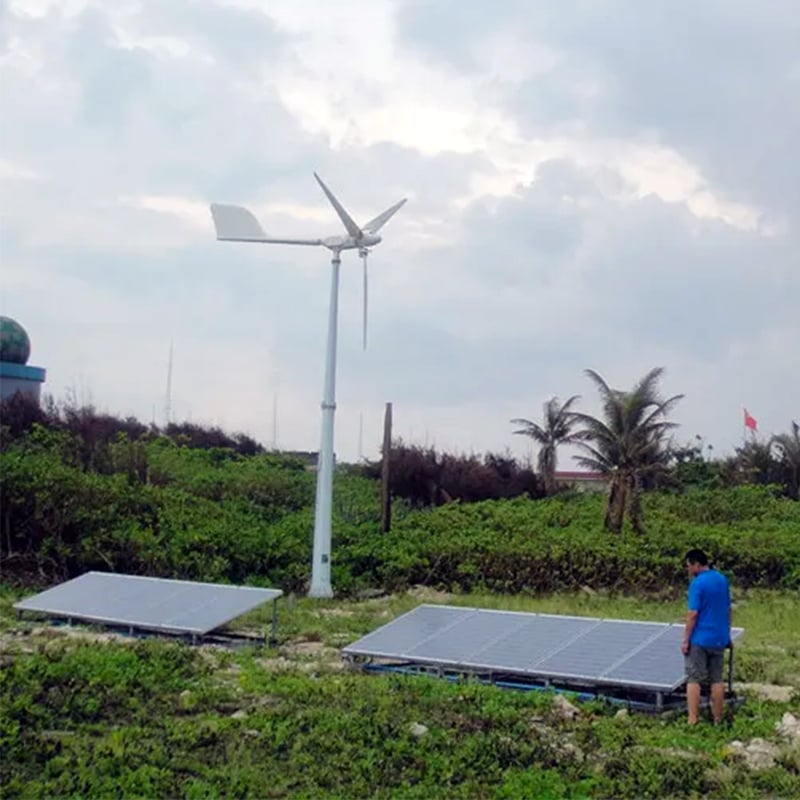
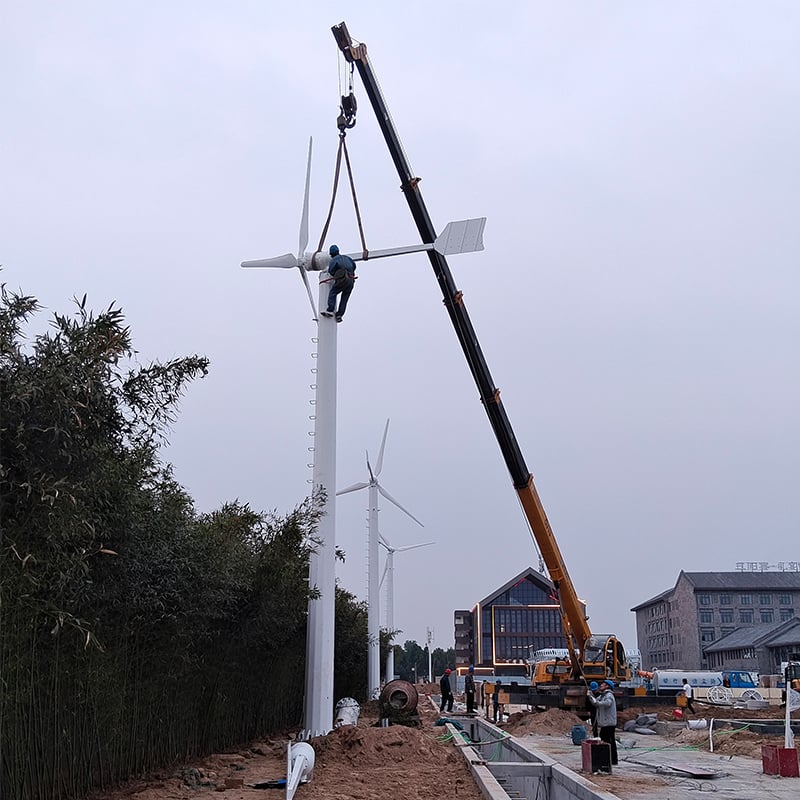
As most sought-after brand wind solar hybrid power systems, DHC has own wind turbine factory, which combines R D design, production, technical services. Since 2009 our founders have been living the idea protecting the environment, wind turbine and generator in new energy, adhered to our corporate culture of "diligence and honesty, co-operation and the pursuit of creativity." This is also the basis of our name "DHC".
We're dedicated solving commercial residential electrical needs utilizing a solar/wind power system. With professional supply chain management and integration capabilities, are able to provide customers with completely customized solutions. We'll provide high-quality service all hours of day from Wind turbine for home 5kw to design and after-sales.
main products include wind turbines, solar panels lifepo4 batteries. customers can receive all-in-one-shop solution the integration and design wind-solar hybrid smart photovoltaic systems. DHC is reliable supplier of products, 15kw wind turbine for home, after-sales support customers through the best delivery capabilities.
Our commitment integrity the foundation of our business. We provide genuine power products and provide skilled service. Regarding wind turbines can pay attention is important to committed to preserving integrity as the primary goal of our enterprise, and we offer customers real power products and professional services. It is possible to consider factors such as blade diameter as well as wind turbine weight when Wind turbine for home 5kw wind turbines. We ensure that all products made by DHC are based on actual power output and not overinflated power.
Incorporating air source electric heat pumps into sustainable projects offers numerous advantages:
Reduced Carbon Footprint: These systems are often more environmentally friendly than traditional heating methods, as they use renewable ambient air and consume less electricity, leading to lower greenhouse gas emissions.
Energy Efficiency: Air source heat pumps can achieve high efficiency ratings, often exceeding conventional heating systems. This efficiency translates to lower energy bills and reduced resource consumption.
Government Compliance: Many regions have regulations aimed at reducing energy consumption and emissions. Using air source heat pumps can help projects meet these sustainability goals and qualify for incentives and rebates.
Long-Term Cost Savings: While the initial investment may be higher than traditional systems, the long-term savings from reduced energy costs and maintenance can offset the upfront expenses.
Flexibility and Scalability: These systems can be easily scaled to meet changing demands, making them ideal for projects that anticipate future growth or shifts in energy requirements.
Incorporating air source electric heat pumps into your sustainable projects not only fosters environmental responsibility but also enhances economic viability. </p>
By understanding the specifications, benefits, installation challenges, applications, and sustainability advantages of air source electric heat pumps, B2B buyers can make informed decisions that align with their operational needs and sustainability goals.
Welcome to DHC, the top brand of wind solar hybrid power system! We provide innovative and effective new energy solutions including wind turbine, solar panel, lifepo4 battery, etc.




 EN