
Domestic air source heat pumps are an efficient and sustainable solution for heating and cooling residential and commercial spaces. As a buyer, understanding the key features and specifications of these systems is crucial to making informed purchasing decisions. This article will explore how to choose the right domestic air source heat pump for your project, compare options for bulk orders, and provide tips for wholesale purchasing. Additionally, we will address common issues these systems may face and their various applications across industries.
Selecting the right domestic air source heat pump involves several considerations. Start by assessing the heating and cooling requirements of the space. This is typically measured in British Thermal Units (BTUs) or kilowatts (kW). Ensure that the heat pump’s capacity aligns with your specific needs, factoring in the size, insulation, and climate conditions of the installation site.
Next, consider the energy efficiency ratio (EER) and seasonal energy efficiency ratio (SEER), which indicate the system's efficiency in converting energy into heating or cooling output. Higher ratings typically mean lower operational costs. Additionally, the coefficient of performance (COP) is critical; it measures the pump's heating efficiency, with higher COP values indicating better performance.
Lastly, verify the noise levels of the heat pump, especially for residential applications where quiet operation is often a priority. Ducted systems may offer quieter operation than ductless units but consider the installation requirements for both types. If you're looking for a quiet alternative, you might explore options like the Wind Turbine which can complement the heating solutions.
When comparing domestic air source heat pumps for bulk orders, focus on key specifications and features that are crucial for your project. Start by evaluating the manufacturer’s track record and reputation in the renewable energy sector. Jiangsu DHC Environmental Si-Tech Co., Ltd. has over 15 years of experience in delivering customized renewable energy solutions, making them a reliable option.
Next, review the technical specifications, including the models available, their respective capacities, and the energy efficiency ratings. Ensure that the pumps adhere to relevant local and international standards, which can impact installation and operational compliance.
Pricing is also a significant consideration when ordering in bulk. Request quotes from multiple suppliers to compare costs, and inquire about discounts for larger orders. Additionally, clarify the minimum order quantity (MOQ) requirements and lead times, as these factors can influence your purchasing strategy.
When purchasing domestic air source heat pumps wholesale, thorough preparation can mitigate risks and enhance the buying experience. Start by gathering detailed product requirements, including desired specifications, potential customization needs, and application scenarios. This information will help suppliers provide tailored solutions.
Engage in discussions with suppliers to clarify their quality control processes. Understanding how they ensure product consistency and reliability can help you assess their capability to meet your standards. It’s also advisable to request samples before committing to a large order. Testing samples in real-world conditions will allow you to evaluate performance, noise levels, and energy efficiency firsthand.
Additionally, consider the packaging methods and shipping logistics. Proper packaging is crucial to prevent damage during transport, especially for complex systems. Confirming shipping timelines and costs upfront will help you manage project schedules effectively.
Domestic air source heat pumps can encounter various common issues that may affect their performance. One frequent problem is inadequate heating or cooling, often caused by incorrect sizing or installation. Ensuring that the heat pump is appropriately sized for the space and installed by qualified professionals can prevent this issue.
Another common concern is frost buildup on the outdoor unit, which can reduce efficiency. Regular maintenance, including cleaning and inspection, can help mitigate this problem. Additionally, some units may experience compressor failure, often due to poor power supply or lack of refrigerant. Monitoring the electrical supply and ensuring that refrigerant levels are maintained can help avoid these failures.
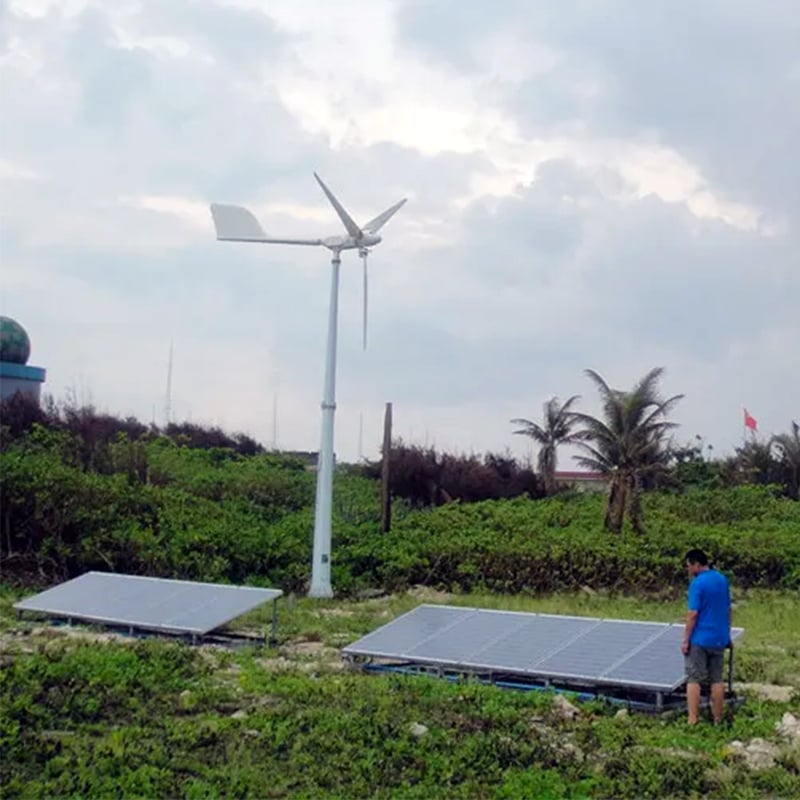
Lastly, noise complaints can arise from improperly installed or aging units. Buyers should always check the manufacturer's noise specifications and consider models designed for quiet operation when selecting a heat pump. For quieter operation, consider integrating the system with a Wind Solar Hybrid Power System which may help in reducing noise levels while providing efficient heating.
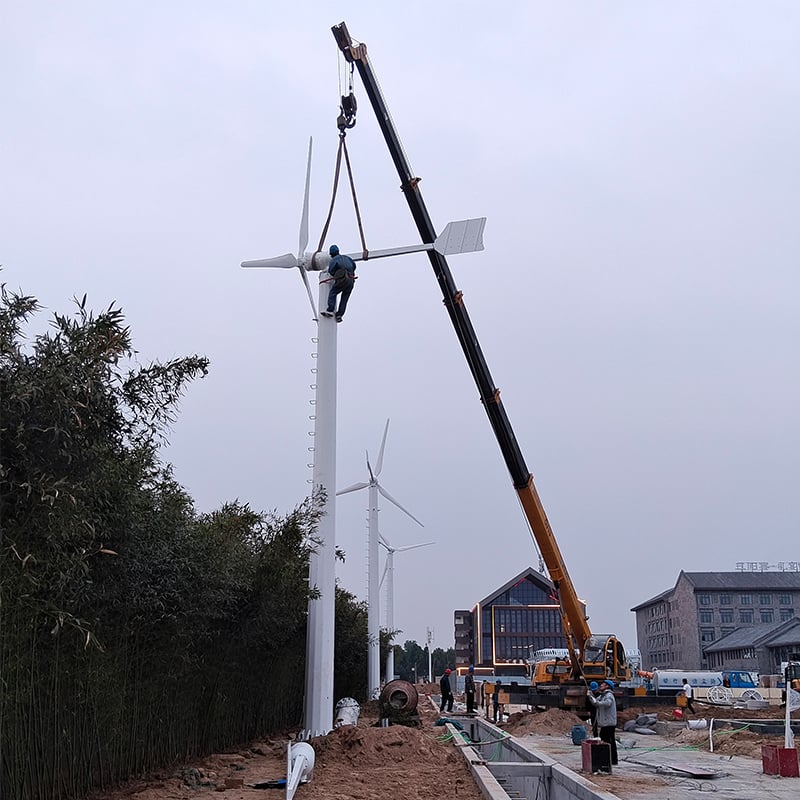
main products wind turbines and solar panels. customers can receive a single-source service integration and development wind-solar hybrids as well as intelligent photovoltaic systems. DHC provides reliable 5000w wind turbine, technologies and after-sales support customers through exceptional delivery capability.
Solar wind energy systems are main focus. With Wind turbine chain management expertise integration capabilities, we are able provide customers with totally customized solutions. offer professional service throughout the day starting from design, production and after-sales.
DHC the market leader in hybrid wind solar power systems. has its own manufacturing facility that integrates R D and production, design technical support. Since 2009 founders of DHC have been implementing the concept of environmental protection and have been immersed the latest technology and embraced the corporate wind turbine generator that focuses on "diligence and integrity, collaboration and innovation." This is also the basis of our brand "DHC".
Our commitment integrity the foundation of our business. We provide genuine power products and provide skilled service. Regarding wind turbines can pay attention is important to committed to preserving integrity as the primary goal of our enterprise, and we offer customers real power products and professional services. It is possible to consider factors such as blade diameter as well as wind turbine weight when Wind turbine for home 5kw wind turbines. We ensure that all products made by DHC are based on actual power output and not overinflated power.
Domestic air source heat pumps are versatile systems with applications across various sectors. In residential settings, they are commonly used for space heating and cooling, providing efficient climate control while reducing energy costs. Their ability to integrate with existing renewable energy systems, such as solar power, further enhances their appeal for eco-conscious homeowners.
In commercial environments, these heat pumps can serve larger buildings, offering heating and cooling solutions that meet the demands of office spaces, retail locations, and hospitality establishments. Their flexibility in installation allows for both ducted and ductless applications, catering to the specific layout and needs of the business.
Furthermore, agricultural applications benefit from domestic air source heat pumps for providing climate control in greenhouses and livestock facilities. By maintaining optimal temperatures, these systems contribute to improved growth conditions and animal welfare.
In summary, understanding these aspects of domestic air source heat pumps will empower B2B buyers to make informed decisions, ensuring that their chosen solutions meet both operational needs and sustainability goals.
Welcome to DHC, the top brand of wind solar hybrid power system! We provide innovative and effective new energy solutions including wind turbine, solar panel, lifepo4 battery, etc.




 EN