
As businesses increasingly prioritize energy efficiency and sustainability, air source heat pumps have emerged as a vital solution for heating and cooling needs. Sourcing from reliable air source heat pump suppliers is critical for ensuring quality and performance. This article will guide purchasing managers, engineers, and product managers through the essential aspects of evaluating air source heat pumps, focusing on quality, specifications, supplier reliability, common installation issues, and performance comparisons. By the end, you’ll be equipped with practical insights to make informed purchasing decisions.
When evaluating air source heat pumps for bulk orders, start by considering the product's construction and performance specifications. High-quality heat pumps typically exhibit robust insulation, durable casing materials, and efficient compressors. Consider certifications from recognized bodies that indicate compliance with energy efficiency standards, such as the Energy Star label.
Additionally, assess the manufacturer's reputation and experience in the industry. Jiangsu DHC Environmental Si-Tech Co., Ltd., for instance, has 15 years of experience in renewable energy solutions, which adds credibility to their products. In bulk orders, it’s essential to request samples for quality assurance. Conducting field tests can reveal how well the units perform under actual operating conditions, ensuring they meet your specific application needs. For instance, consider exploring the Household 6P Air Source Heat Pump System with PVT Solar Panels as a reliable option.
Several key specifications are crucial when selecting air source heat pumps:
Heating Capacity: This is measured in BTUs or kilowatts and indicates how much heat the pump can produce. Ensure the capacity matches your application requirements, considering peak demand scenarios.
Coefficient of Performance (COP): This ratio indicates the efficiency of the heat pump. A higher COP means better energy efficiency, leading to reduced operating costs over time.
Noise Level: Noise output is an important consideration, especially for residential applications. Look for decibel ratings and seek models that operate quietly.
Refrigerant Type: Pay attention to the refrigerant used. R-410A is a common choice that is more environmentally friendly than older refrigerants like R-22.
Operating Temperature Range: Ensure the heat pump can operate effectively in your geographical climate, particularly during extreme temperatures.
Understanding these specifications will help you select a unit that not only meets your performance needs but also aligns with your sustainability goals.
Finding reliable air source heat pump suppliers involves careful research and evaluation. Start by exploring industry directories and trade shows that focus on HVAC and renewable energy technologies. Websites that aggregate supplier information can also be useful.
Networking within industry associations can provide recommendations based on firsthand experiences. It’s also beneficial to check online reviews and request references from potential suppliers. Look for suppliers with a solid track record in delivering high-quality products and customer service. A company like Jiangsu DHC Environmental Si-Tech Co., Ltd., with a strong supply chain and dedicated R&D factory, can be a valuable partner, ensuring you receive innovative and customized solutions for your energy needs. For example, the Home Solar Powered Heat Pump System 5.4kW PVT Panels with 6P Heat Pump is an excellent choice.
Installation can significantly impact the performance of air source heat pumps. Here are some common issues and their solutions:
Improper Sizing: Selecting a unit that is too large or too small can lead to inefficiency. Work with a qualified HVAC technician to perform a load calculation for accurate sizing.
Airflow Issues: Blocked airflow due to improper placement or obstructions can diminish performance. Ensure the unit is installed in an unobstructed area and that ductwork is adequately designed.
Incorrect Electrical Supply: Ensure that the electrical supply matches the pump’s requirements. An inadequate electrical setup can lead to operational failures.
Thermostat Misconfiguration: Incorrect thermostat settings can lead to inadequate heating or cooling. Ensure proper calibration and settings for optimal performance.
Being aware of these common installation problems and their solutions can save time and costs during the setup of air source heat pumps.
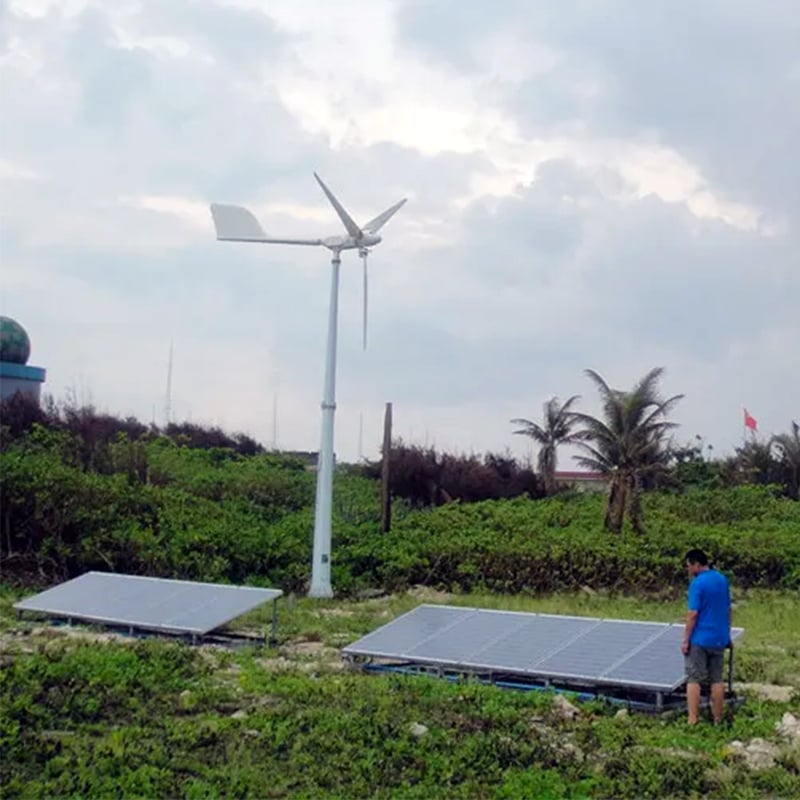
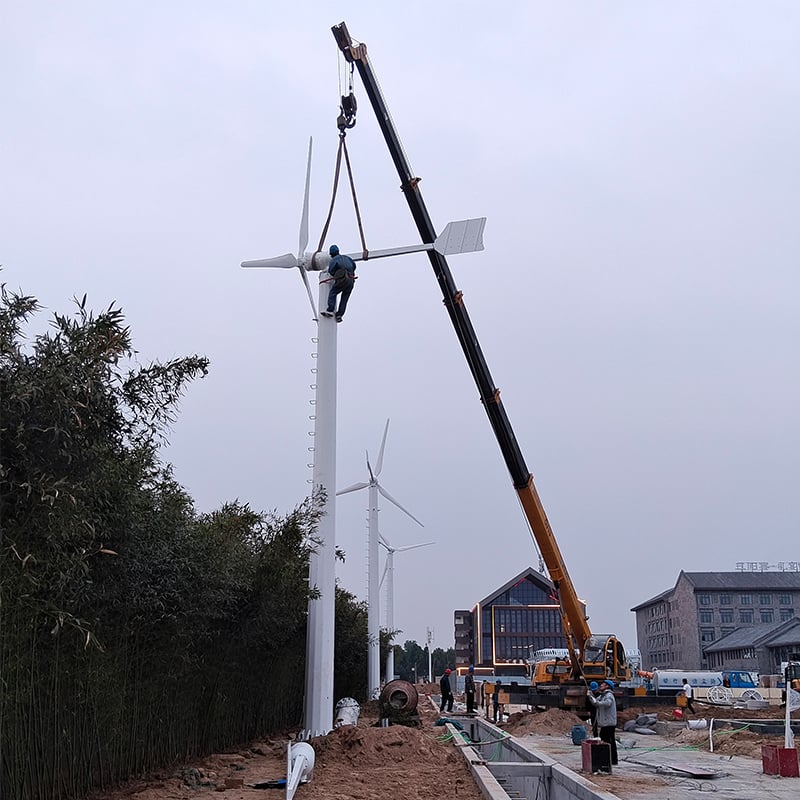
main products include wind turbines, solar panels lifepo4 batteries. customers can receive all-in-one-shop solution the integration and design wind-solar hybrid smart photovoltaic systems. DHC is reliable supplier of products, 15kw wind turbine for home, after-sales support customers through the best delivery capabilities.
As most sought-after brand of wind solar hybrid power systems, DHC has own wind turbine factory integrating R D design, production and technical support. founders of DHC have been working on the idea green 2kw vertical axis wind turbine protection since 2009 and immersed in the world of renewable energy adhering to the company's values "diligence as well as honesty, cooperation and innovation." Our DHC brand DHC is the result of this.
We're dedicated solving commercial residential electrical needs utilizing a solar/wind power system. With professional supply chain management and integration capabilities, are able to provide customers with completely customized solutions. We'll provide high-quality service all hours of day from Wind turbine for home 5kw to design and after-sales.
Our commitment integrity the foundation of our business. We provide genuine power products and provide skilled service. Regarding wind turbines can pay attention is important to committed to preserving integrity as the primary goal of our enterprise, and we offer customers real power products and professional services. It is possible to consider factors such as blade diameter as well as wind turbine weight when Wind turbine for home 5kw wind turbines. We ensure that all products made by DHC are based on actual power output and not overinflated power.
When comparing features of different air source heat pumps, consider the following aspects for optimal performance:
Variable Speed Compressors: These allow the unit to adjust its output based on demand, providing enhanced efficiency and comfort compared to single-speed models.
Defrost Cycle: Look for models with an efficient defrost cycle that minimizes energy consumption and maintains performance in colder temperatures.
Smart Controls: Advanced models come equipped with smart controls that enable remote monitoring and programming, improving user convenience and energy management.
Warranty and Support: A robust warranty indicates the manufacturer’s confidence in their product. Evaluate the warranty terms and the level of customer support offered by the supplier.
Installation Flexibility: Some units offer more versatile installation options, such as wall-mounted or ground-mounted configurations, which can be a significant factor depending on your site layout.
By carefully comparing these features, you can ensure that the chosen air source heat pump will meet your operational needs while maximizing efficiency and cost-effectiveness.
In summary, understanding the intricacies of air source heat pumps — from evaluating quality and specifications to navigating supplier relationships and installation challenges — is essential for making informed purchasing decisions. By leveraging insights from experienced manufacturers like Jiangsu DHC Environmental Si-Tech Co., Ltd., you can enhance your projects’ sustainability and efficiency.
Welcome to DHC, the top brand of wind solar hybrid power system! We provide innovative and effective new energy solutions including wind turbine, solar panel, lifepo4 battery, etc.




 EN