
Heat pump heating systems are innovative solutions that utilize renewable energy to provide efficient heating for various applications. As a B2B buyer, understanding the specifications, applications, and supplier options for heat pump heating systems is crucial for making informed purchasing decisions. This article will help you navigate the complexities of selecting a heat pump heating system by addressing key considerations, budgeting insights, supplier sourcing, and applications in commercial projects.
A heat pump heating system operates by transferring heat from one location to another, using electricity to move heat rather than generating it through combustion. This makes them more energy-efficient compared to traditional heating systems. When selecting a heat pump, consider the following critical specifications:
Coefficient of Performance (COP): This measures the efficiency of the heat pump. A higher COP indicates better efficiency, meaning you get more heat output for each unit of energy consumed.
Heating Capacity: This is determined by the size of the space to be heated and the heat loss associated with that space. It’s crucial to match the system’s capacity to your specific heating needs to avoid inefficiencies.
Temperature Range: Different heat pump models perform optimally at different temperature ranges. Understanding the climate where the system will be used is essential for selecting the right unit.
Noise Levels: Some heat pumps can be noisy during operation. Evaluate the decibel levels of the models you consider, particularly for residential or noise-sensitive areas.
Refrigerant Type: The type of refrigerant used can affect the system's environmental impact and efficiency. Familiarize yourself with the latest refrigerants that comply with environmental regulations.
By focusing on these specifications, buyers can ensure they choose a heat pump heating system that meets their performance requirements and environmental standards.
To effectively select and install a heat pump heating system, follow these steps:
Assess Your Heating Needs: Conduct a thorough analysis of your heating requirements based on the size of the space, insulation quality, and local climate conditions.
Research Available Options: Investigate different heat pump models and manufacturers. Pay attention to efficiency ratings and user reviews to gauge reliability.
Request Quotations: Prepare detailed RFQs that specify desired capacities, efficiency levels, and installation requirements. Provide information on the intended application and any customization needs.
Evaluate Suppliers: Compare potential suppliers based on their reputation, experience in the market, and customer service. Look for certifications that demonstrate their commitment to quality.
Review Samples: Before committing to a large order, request samples or demonstrations of the heat pump heating systems. This allows you to evaluate their performance and suitability for your application.
Finalize Your Purchase: Once you’ve selected a supplier and verified samples, finalize your order, considering factors such as lead time, delivery options, and warranty terms.
By following these steps, buyers can ensure that they choose the right heat pump heating system and establish a smooth purchasing process.
When budgeting for a heat pump heating system, it’s essential to account for various cost factors beyond the initial purchase price. Here are key considerations:
Installation Costs: Professional installation is often required for heat pump systems. Get estimates from qualified HVAC contractors, as installation complexity can significantly affect overall costs.
Energy Efficiency Incentives: Research local or national incentives for energy-efficient heating systems. These can help offset initial costs and improve the long-term return on investment.
Operating Costs: Analyze the expected operating costs based on the heat pump's efficiency ratings and local energy prices. A higher initial cost may be justified by lower operational expenses.
Maintenance Requirements: Regular maintenance is crucial for maximizing the lifespan and efficiency of heat pump systems. Factor in potential maintenance costs when developing your budget.
Potential Upgrades: Consider the possibility of future upgrades or expansions. Planning for these in advance can prevent the need for additional investments later on.
By taking a comprehensive approach to budgeting, buyers can avoid unexpected expenses and ensure that their investment in a heat pump heating system is sound.
Finding reliable suppliers for heat pump heating systems involves thorough research and evaluation. Here are some strategies to identify trustworthy partners:
Industry Associations: Joining industry associations and networks can provide access to reputable suppliers and manufacturers. These organizations often have directories of verified members.
Trade Shows and Exhibitions: Attending trade shows related to renewable energy and HVAC can help you connect directly with manufacturers, see products in action, and discuss specifications in person.
Online Marketplaces and Directories: Utilize B2B platforms and directories to find suppliers. Look for companies with positive reviews and established histories in the industry.
Request References: When considering a supplier, ask for references from other businesses that have purchased similar systems. This can provide insight into their reliability and product quality.
Evaluate Certifications: Ensure that potential suppliers have relevant certifications that demonstrate their compliance with industry standards and regulations, which can affect product quality and performance.
By employing these sourcing strategies, buyers can identify suppliers that meet their standards for quality and reliability in heat pump heating systems.
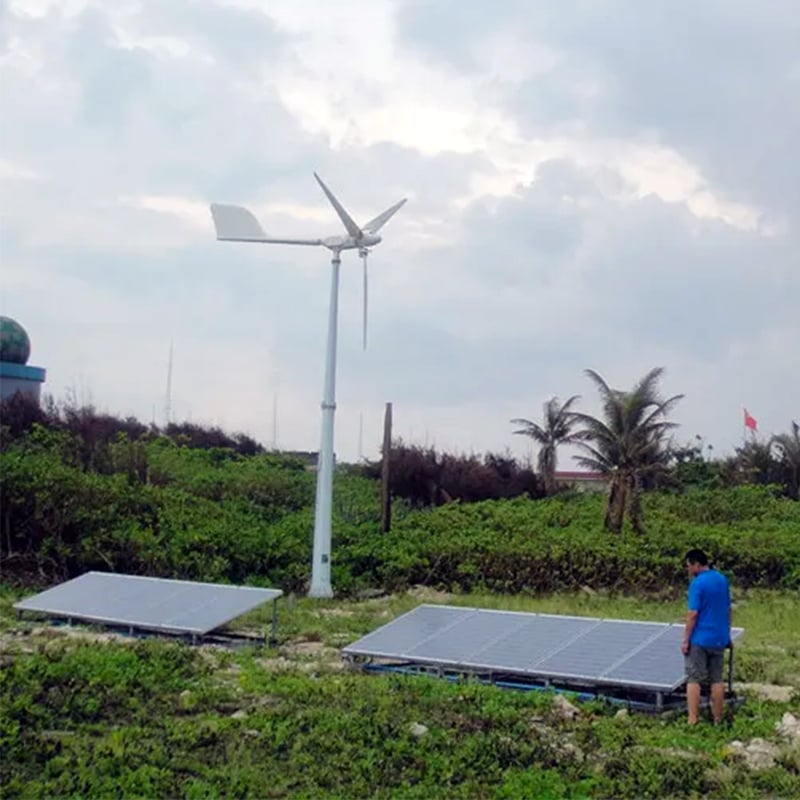
We're dedicated solving commercial residential electrical needs utilizing a solar/wind power system. With professional supply chain management and integration capabilities, are able to provide customers with completely customized solutions. We'll provide high-quality service all hours of day from Wind turbine for home 5kw to design and after-sales.
As leading brand in wind-powered hybrid power systems DHC is the only company with own wind turbine factory integrating R D development, design, production technical services. Since 2009 our founders have embraced idea of protecting the environment, immersed in new technology, and embraced company's Vertical wind turbine that focuses on "diligence and honesty, as well as cooperation and innovation." Our DHC brand DHC is a result of this.
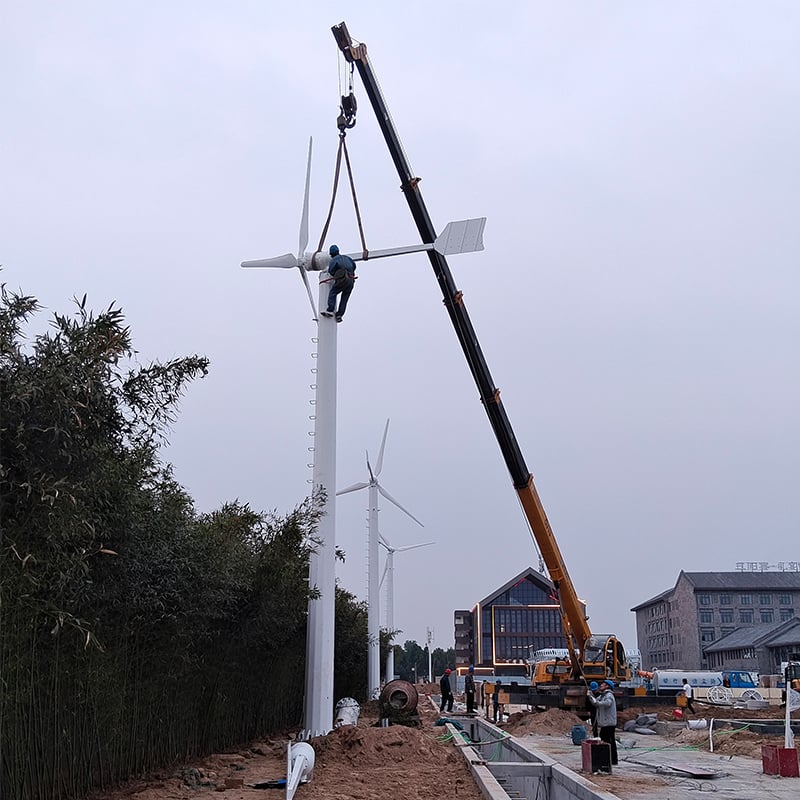
commitment integrity is the basis of our company. We offer real power solutions and offer expert service. Regarding wind turbines can pay attention to is important to We're committed keeping integrity as the primary goal of our 2kw vertical wind turbine, and we offer customers the best power products as well as competent services. When it comes to wind turbines, be sure to consider parameters such as blade diameter and weight. guarantee that all products made by DHC feature actual power output not overinflated power.
primary products wind turbines, solar panels and lifepo4 batteries. customers will receive a one-stop-shop service the integration and 2kw vertical axis wind turbine a wind-solar hybrid as well as smart photovoltaic system. DHC provides reliable products, technologies, and after-sales service to customers with excellent delivery capability.
Heat pump heating systems are increasingly used in various commercial applications due to their efficiency and environmental benefits. Here are some key areas where they can be implemented:
Office Buildings: Heat pumps can efficiently provide heating and cooling, adjusting to seasonal demands while reducing energy costs. Their versatility allows for integration into existing HVAC systems.
Manufacturing Facilities: In industrial settings, heat pumps can be used for space heating, process heating, and even water heating, offering a sustainable alternative to traditional heating methods. For a comprehensive solution, consider systems like the Residential 3kW PVT Solar Panel 2kW Wind Turbine 6P Air Source Heat Pump System.
Agricultural Applications: Farms benefit from heat pump systems for heating greenhouses or livestock facilities. Their ability to utilize ambient air or ground heat can lead to significant operational savings.
Hotels and Hospitality: In the hospitality sector, heat pumps can enhance guest comfort while reducing energy expenditures. Their quiet operation is particularly beneficial in guest rooms and common areas.
Retail Spaces: Retail environments can leverage heat pump technology to maintain comfortable shopping conditions. Efficient heating and cooling can enhance customer experience and reduce operational costs. A model that could fit well in this context is the Home Solar Powered Heat Pump System 5.4kW PVT Panels with 6P Heat Pump.
By understanding the various applications of heat pump heating systems, buyers in commercial sectors can make informed decisions that align with their operational needs and sustainability goals.
Welcome to DHC, the top brand of wind solar hybrid power system! We provide innovative and effective new energy solutions including wind turbine, solar panel, lifepo4 battery, etc.




 EN