
Air source heating systems are becoming increasingly popular as a sustainable solution for heating and cooling in various applications. These systems harness energy from the air, providing an efficient and environmentally friendly alternative to traditional heating methods. For professionals in manufacturing and purchasing, understanding the key aspects of air source heating systems is crucial when evaluating options, ensuring quality, and making informed purchasing decisions. This article will guide you through evaluating system quality, sourcing for bulk orders, best practices, common challenges, and diverse applications.
When assessing the quality of air source heating systems, consider several critical specifications. First, look into the Coefficient of Performance (COP), which measures the system's efficiency. A higher COP indicates better efficiency, meaning the system can produce more heat per unit of electricity consumed. This is particularly important for commercial applications where energy costs can significantly impact operational budgets. Additionally, it is beneficial to explore the integration of a Wind Controller to optimize energy usage in these systems.
Another factor to examine is the materials used in the system's construction. High-quality components, such as corrosion-resistant casings and durable fans, ensure longevity and reliable performance. Additionally, ensure that the system complies with relevant energy efficiency certifications, which can vary by region but often include labels such as ENERGY STAR or similar local standards.
Quality control processes during manufacturing also play a vital role. Verify that the manufacturer has robust quality assurance protocols in place to minimize defects and ensure consistent performance. Inspecting samples before placing bulk orders can help confirm that the product meets your specifications and quality expectations.
Sourcing air source heating systems for bulk orders involves clear communication and precise requirements. Begin by defining your project specifications, including the desired heating capacity, efficiency ratings, and any unique customization needs. This will help manufacturers provide tailored solutions that meet your operational requirements.
When requesting quotes, it’s essential to provide detailed information, such as the quantity needed, intended application, and specific performance expectations. This transparency aids suppliers in understanding your needs and can lead to more accurate pricing and lead time estimates.
Consideration of the Minimum Order Quantity (MOQ) is also crucial. Many manufacturers have specific MOQs, which can affect your procurement strategy. It’s advisable to compare multiple suppliers to find one that aligns with your purchasing volumes and budget constraints.
Implementing best practices in the procurement and installation of air source heating systems can significantly enhance their efficiency and lifespan. First, ensure that the installation is performed by certified professionals who are familiar with local regulations and the specific requirements of air source systems. Proper installation is key to achieving optimal performance and avoiding potential operational issues.
Regular maintenance is another best practice that cannot be overlooked. Schedule routine inspections and servicing to clean filters, check refrigerant levels, and ensure all components are functioning correctly. This proactive approach can prevent more severe issues down the line and extend the system's operational life.
Furthermore, consider integrating smart technology for monitoring system performance. This allows for real-time data collection and analysis, enabling timely adjustments to optimize energy use and identify potential issues before they escalate.
Despite their advantages, air source heating systems can encounter several common problems. One prevalent issue is reduced efficiency in extremely cold temperatures. While modern systems are designed to operate effectively in a range of temperatures, performance can diminish in severe cold. To mitigate this, consider systems equipped with variable-speed compressors that can adjust their output based on the outdoor temperature.
Another common problem is noise. Some units can generate significant sound levels, which can be a concern, especially in residential settings. When sourcing, look for models specifically designed for quiet operation, often featuring sound-dampening technology.
Lastly, ensure that you have a reliable support system in place for troubleshooting and repairs. Partnering with manufacturers or distributors who offer comprehensive after-sales support can help address any issues quickly and efficiently, minimizing downtime.
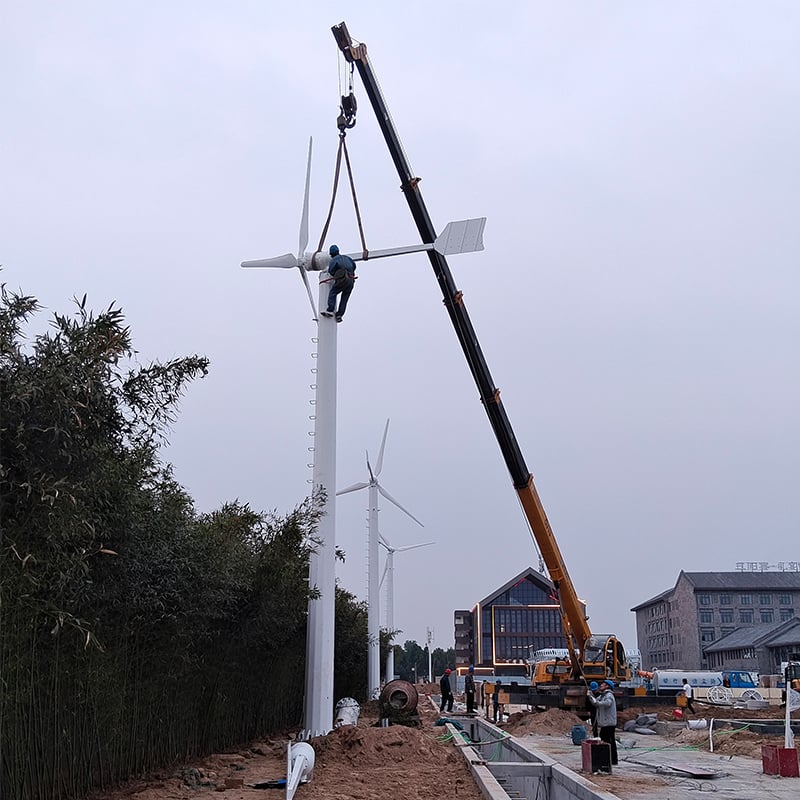
Integrity is foundation of our company. offer real power equipment, as well as skilled Wind turbine. In the case of wind turbines, {you can pay attention it is important to commitment to integrity the basis of our business. We provide genuine power equipment, as well as expert service. Consider parameters such as blade diameter as well as wind turbine weight when looking at wind turbines. DHC promises that its products are able to deliver real power without exaggerating the power.
As leading brand wind-powered hybrid power systems DHC is only company with its own wind turbine factory, which combines R D, design, production, technical services. Since 2009 founders have embraced the idea of protecting the environment, immersed new technologies, and Wind turbine for home 5kw by the corporate values that focuses "diligence and integrity, as well as cooperation and creativity." This is also the origin of our name "DHC".
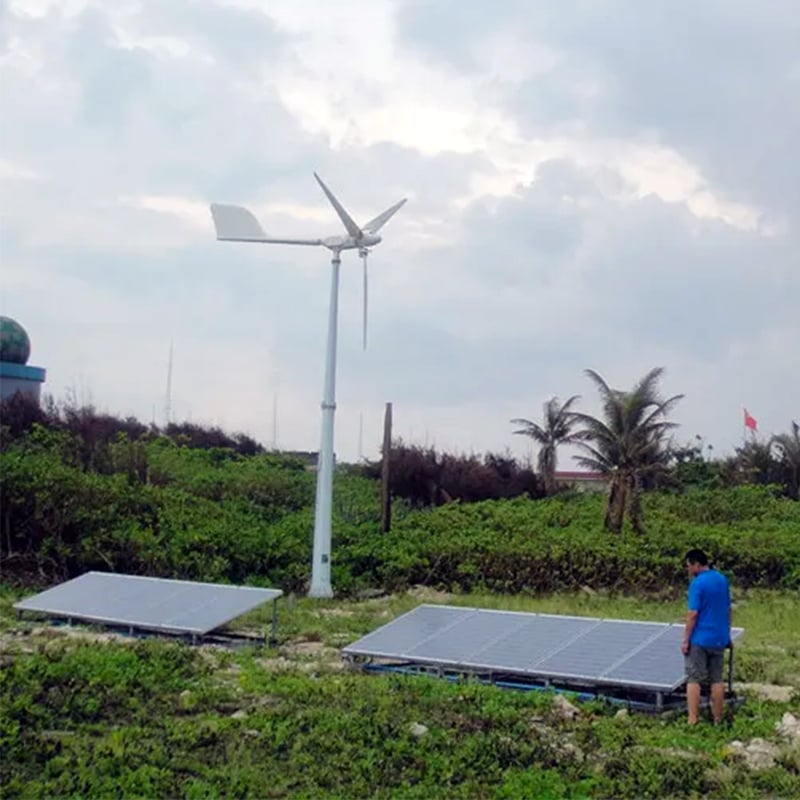
main products wind turbines and solar panels. customers can receive a single-source service integration and development wind-solar hybrids as well as intelligent photovoltaic systems. DHC provides reliable 5000w wind turbine, technologies and after-sales support customers through exceptional delivery capability.
Solar wind power systems are our primary focus. offer customers custom solutions using our expert supply 5000w wind turbine management capability's ability integrate. Simply tell us about your specific requirements, from design, production, to after-sales support, we will provide with real-time professional services throughout the day.
Air source heating systems are versatile and can be applied across various industries and settings. In residential applications, they provide efficient heating and cooling solutions that contribute to energy savings and reduced carbon footprints. Homeowners are increasingly opting for these systems as part of their sustainable living practices.
In commercial settings, air source heating systems are ideal for warehouses, offices, and retail spaces, offering significant cost savings on energy bills. Many businesses appreciate the potential for government incentives related to renewable energy systems, which can offset initial installation costs. Incorporating a Portable Power Station can further enhance the energy efficiency of these systems.
Agricultural operations also benefit from air source heating systems, especially in controlling temperatures in greenhouses to optimize plant growth. Additionally, they are finding increasing use in industrial applications, where they can support processes requiring temperature control while enhancing overall energy efficiency.
understanding the various facets of air source heating systems—from evaluation and sourcing to best practices and applications—empowers B2B buyers and purchasing managers to make informed decisions. As the industry shifts towards more sustainable solutions, air source heating systems represent a forward-thinking option that aligns with environmental goals while delivering effective heating solutions.
Welcome to DHC, the top brand of wind solar hybrid power system! We provide innovative and effective new energy solutions including wind turbine, solar panel, lifepo4 battery, etc.




 EN