
Air to air source heating systems are innovative solutions that utilize renewable energy sources to provide efficient heating. These systems transfer heat between the air inside a building and the outside environment, allowing for significant energy savings and reduced carbon emissions. For B2B buyers, key concerns often include energy efficiency, operational costs, installation requirements, and the reliability of the systems. This article will explore how to select the right air to air source heating system for your needs, where to source them, the key specifications to evaluate, quality and cost factors, and the advantages of materials used in their construction.
When selecting an air to air source heating system, it’s crucial to consider several factors tailored to your specific application. Firstly, assess the heating requirements based on the space you intend to heat. This involves calculating the total heating load, which is influenced by factors like building insulation, size, and local climate conditions.
Next, evaluate the system's energy efficiency ratings, typically indicated by the Seasonal Energy Efficiency Ratio (SEER) and Heating Seasonal Performance Factor (HSPF). Higher ratings mean lower operational costs and better performance, making them ideal for commercial applications where energy expenses can accumulate significantly. For example, the Household 6P Air Source Heat Pump System with PVT Solar Panels is known for its efficiency.
Additionally, consider the system’s compatibility with existing infrastructure. If retrofitting an old heating system, ensure that the new unit can integrate seamlessly without extensive modifications. Finally, assess maintenance requirements, as systems requiring frequent service may lead to higher operational costs over time.
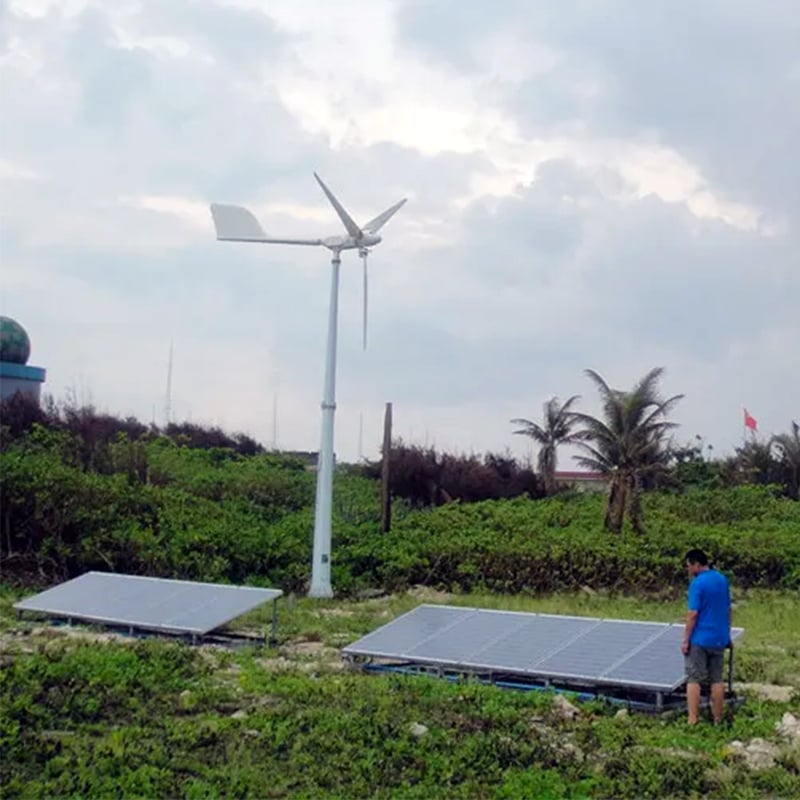
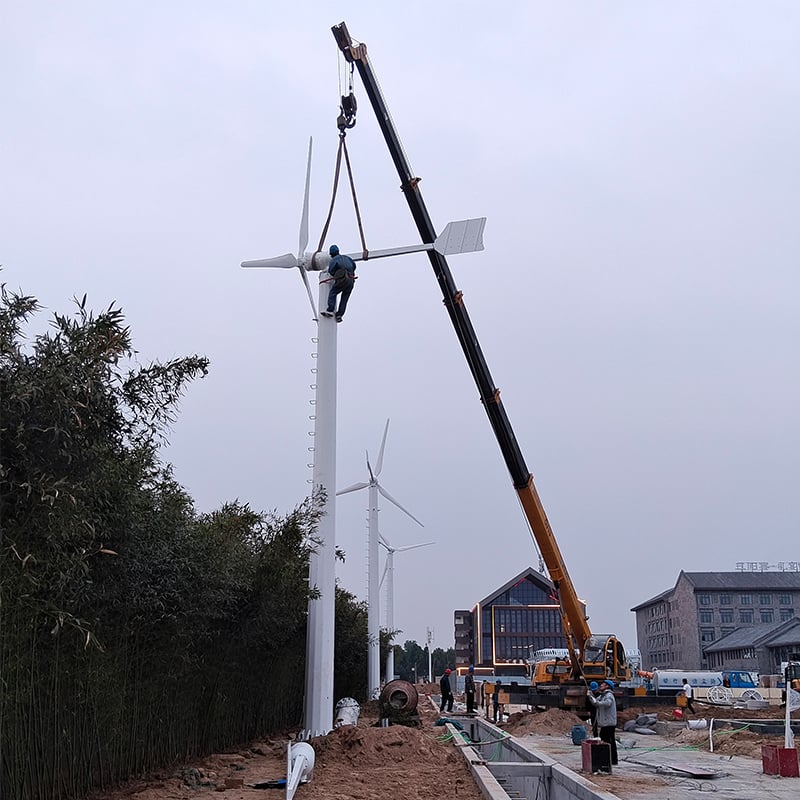
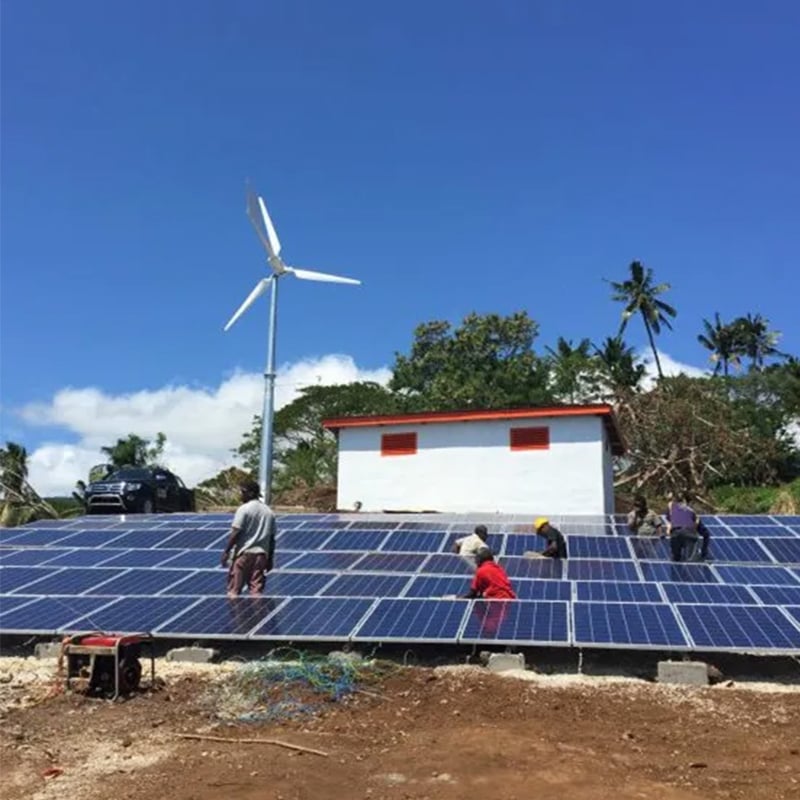
Sourcing air to air source heating systems in bulk requires careful evaluation of suppliers. Look for manufacturers with a strong reputation in renewable energy solutions, like Jiangsu DHC Environmental Si-Tech Co., Ltd., which specializes in hybrid wind and solar systems.
When evaluating potential suppliers, check their production capabilities, certifications, and quality control processes. A reliable supplier should provide clear documentation on their manufacturing processes and any applicable industry standards they meet. Additionally, it’s wise to request references from other businesses that have purchased similar systems to gauge the supplier's reliability and customer support.
Lastly, consider the logistics of sourcing these systems, including minimum order quantities (MOQs), lead times, and shipping options. Establishing a good relationship with your supplier can facilitate smoother transactions and ensure timely delivery of products.
Several key specifications should be assessed when evaluating air to air source heating systems. These include:
Capacity: Measured in BTUs (British Thermal Units), this indicates how much heating the system can provide. Proper sizing is critical; an undersized unit will struggle to heat the space, while an oversized unit may cycle on and off too frequently, reducing efficiency.
Energy Efficiency: Look for systems with high SEER and HSPF ratings. Higher efficiency typically translates to lower energy bills and a reduced carbon footprint, which is an essential consideration for environmentally conscious businesses. Models such as the 600W Mono Hybrid Photovoltaic Thermal Collector PVT Solar Panel can help achieve these goals.
Noise Levels: Pay attention to the decibel (dB) ratings of the systems. Noise can be a crucial factor in commercial settings, influencing the comfort of employees and clients alike.
Control Features: Modern systems often come equipped with smart controls that can optimize performance based on usage patterns. Features like programmable thermostats or mobile app integration can enhance convenience and efficiency.
Durability and Warranty: Evaluate the materials used in construction, as higher-quality components can result in longer-lasting systems. Understanding the warranty terms can also provide insights into the manufacturer’s confidence in their product.
Quality and cost are intertwined in the selection of air to air source heating systems. While initial purchase costs are important, consider the total cost of ownership, which includes installation, maintenance, and operational costs. A cheaper system may lead to higher energy bills or require more frequent repairs, negating initial savings.
Conduct a thorough cost-benefit analysis, including potential energy savings from efficient units and any available incentives for renewable energy installations. This can help justify a higher upfront investment in favor of long-term savings.
Furthermore, evaluate the warranty and after-sales support offered by suppliers. Robust warranty options often indicate higher confidence in product quality, and good customer service can save you time and resources in the long run.
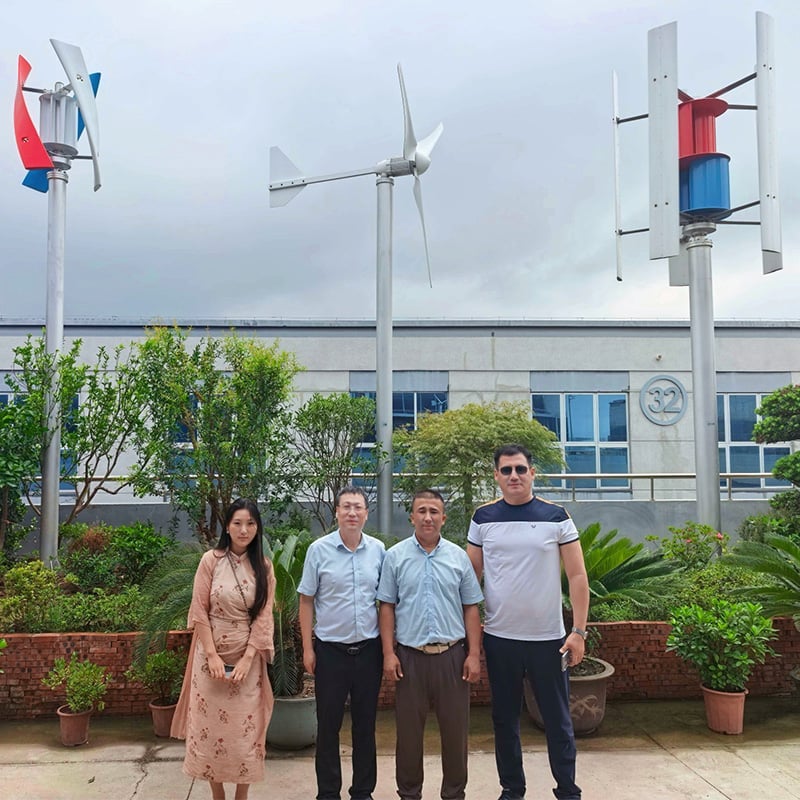
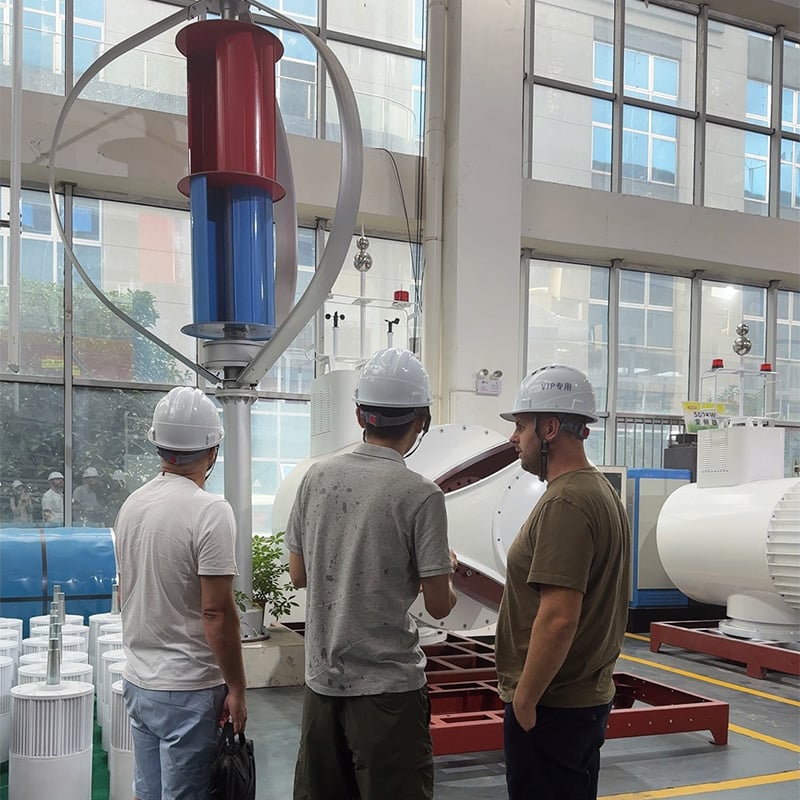
DHC the market leader in hybrid wind solar power systems. has its own manufacturing facility that integrates R D and production, design technical support. Since 2009 founders of DHC have been implementing the concept of environmental protection and have been immersed the latest technology and embraced the corporate wind turbine generator that focuses on "diligence and integrity, collaboration and innovation." This is also the basis of our brand "DHC".
Solar wind power systems are our primary focus. offer customers custom solutions using our expert supply 5000w wind turbine management capability's ability integrate. Simply tell us about your specific requirements, from design, production, to after-sales support, we will provide with real-time professional services throughout the day.
main products include wind turbines, solar panels lifepo4 batteries. customers can receive all-in-one-shop solution the integration and design wind-solar hybrid smart photovoltaic systems. DHC is reliable supplier of products, 15kw wind turbine for home, after-sales support customers through the best delivery capabilities.
Integrity the cornerstone of company. offer real power solutions offer an expert service. {When it comes to wind turbines, {you can pay attention it is important to Integrity is the foundation our company. We offer real power equipment, as well as skilled service. You can consider parameters like blade diameter as well as wind you should pay attention aspects like blade's diameter as well as weight. promise that all products produced by DHC come with 2kw vertical axis wind turbine power output and not overinflated power.
The materials used in air to air source heating systems play a crucial role in their performance, durability, and efficiency. Common materials include high-grade aluminum, stainless steel, and advanced composites, which are selected for their thermal conductivity, corrosion resistance, and weight.
Thermal Conductivity: Materials with high thermal conductivity enable better heat transfer, which is essential for efficient heating. For example, high-grade aluminum is often used in heat exchangers due to its excellent conductive properties.
Corrosion Resistance: Given the exposure to varying weather conditions, materials that resist corrosion, like stainless steel, are advantageous for longevity. Corrosive elements can degrade system performance over time, leading to increased maintenance costs.
Weight Considerations: The weight of the system can impact installation and structural requirements. Lightweight materials can simplify installation, particularly in retrofitting scenarios.
Sustainability: Many manufacturers are now focusing on sustainable materials that contribute to the overall environmental profile of the heating system. This aligns with broader industry trends toward renewable energy solutions.
In summary, selecting the right air to air source heating system involves careful consideration of specific needs, reliable sourcing channels, key specifications, and the impact of material choices on performance. By understanding these factors, B2B buyers can make informed purchasing decisions that align with their operational goals and sustainability initiatives.
Welcome to DHC, the top brand of wind solar hybrid power system! We provide innovative and effective new energy solutions including wind turbine, solar panel, lifepo4 battery, etc.
 EN