
Air heat pumps are an efficient solution for heating and cooling spaces by transferring heat from the air outside to inside a building. They are increasingly sought after by businesses looking to reduce energy costs and environmental impact. B2B buyers, such as purchasing managers and engineers, often face concerns over energy efficiency, installation requirements, maintenance costs, and supplier reliability. This article will guide you through essential considerations for selecting the right air heat pump for your project needs, evaluating specifications, sourcing suppliers, understanding cost factors, and following best practices.
Selecting the right air heat pump begins with understanding your specific project requirements. Consider the size of the space to be heated or cooled, as this affects the required capacity of the heat pump. The heating capacity is typically measured in BTUs (British Thermal Units), and for accurate sizing, you may need to perform a load calculation based on insulation, window sizes, and occupancy levels.
Next, assess the climate conditions of your location. Air heat pumps perform optimally in moderate climates but may struggle in extremely low temperatures. In such cases, consider hybrid systems or supplemental heating sources. Additionally, evaluate if you need a heat pump designed for both heating and cooling (a reversible model) or a model dedicated to one function. For instance, the Household 6P Air Source Heat Pump System with PVT Solar Panels could be an excellent option for dual functionality.
Lastly, prioritize energy efficiency ratings, such as the Seasonal Energy Efficiency Ratio (SEER) and Heating Seasonal Performance Factor (HSPF). A higher rating indicates better efficiency, which translates to lower operational costs and a reduced carbon footprint.
When evaluating air heat pumps, key specifications to consider include:
Capacity: Measured in BTUs, it’s crucial to select a pump that can handle your space's heating and cooling needs without overworking itself. Energy Efficiency: Look for units with high SEER and HSPF ratings to ensure lower energy costs and environmental impact. Noise Levels: Pay attention to the decibel rating of the unit, especially for installations in residential areas or quiet workplaces. Refrigerant Type: Modern systems often use R-410A refrigerant, which is more environmentally friendly compared to older R-22 systems. Warranty: A comprehensive warranty can provide peace of mind regarding potential repairs or replacements in the future.These specifications directly influence the performance, longevity, and operational costs of the heat pump, making them critical to your purchasing decision.
Finding a reliable supplier for air heat pumps involves thorough research and evaluation. Start by identifying manufacturers with a proven track record in producing high-quality heat pumps. Look for suppliers that offer a range of products and customization options to meet your specific needs.
Examine their certifications and quality control processes, as these can be indicators of product reliability. For example, ISO certifications can demonstrate adherence to manufacturing standards. Additionally, consider suppliers with strong supply chain partnerships, as this can enhance product availability and support. An example of a reliable supplier could be those that offer the 1MWH Commercial Containerized Solar Battery Energy Storage System for integrated solutions.
Engage with potential suppliers to inquire about their production capabilities and lead times. It's beneficial to request product samples or visit their manufacturing facilities if possible, as this allows you to assess quality firsthand.
When planning to purchase air heat pumps in bulk, several cost factors come into play. First, evaluate the unit price, which may decrease with larger orders due to economies of scale. However, be aware of potential hidden costs, such as shipping fees, import duties, and installation expenses.
Next, consider the total cost of ownership, which includes energy consumption over the lifespan of the heat pump. A more efficient unit may have a higher upfront cost but could save significant amounts on energy bills in the long run.
Additionally, factor in warranty and after-sales service costs. A longer warranty period can reduce future expenses related to repairs or replacements. Understanding these factors will help you develop a more accurate budget and maximize your investment.
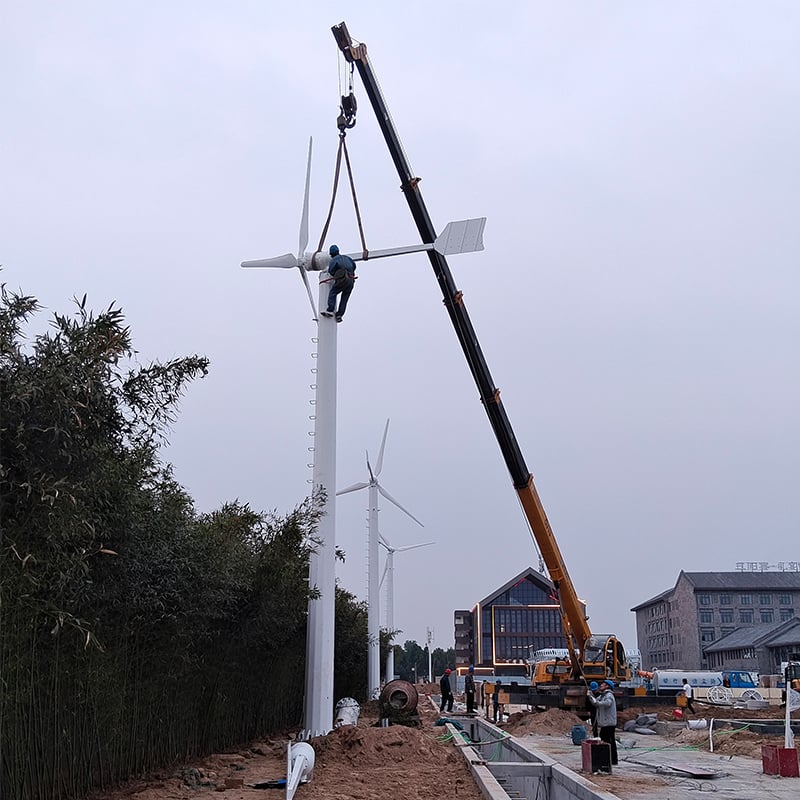
As leading brand in wind-powered hybrid power systems DHC is the only company with own wind turbine factory integrating R D development, design, production technical services. Since 2009 our founders have embraced idea of protecting the environment, immersed in new technology, and embraced company's Vertical wind turbine that focuses on "diligence and honesty, as well as cooperation and innovation." Our DHC brand DHC is a result of this.
Wind solar energy wind turbine generator our primary focus. We can provide customers with customized solutions with professional capability of managing supply chains as well as ability integrate. Tell us what want to achieve. needs, from de sign, manufacturing, through after-sales and more, will offer you real-time professional support throughout the day.
We're committed keeping integrity as the foundation our company, Eolic generator customers the best power products as well as expert services. For wind turbines you can pay attention to important integrity is the foundation our company. provide genuine power products provide skilled service. You can consider parameters like blade diameter wind turbine weight when evaluating wind turbines. DHC assures that its products are able to deliver real power without overstating power.
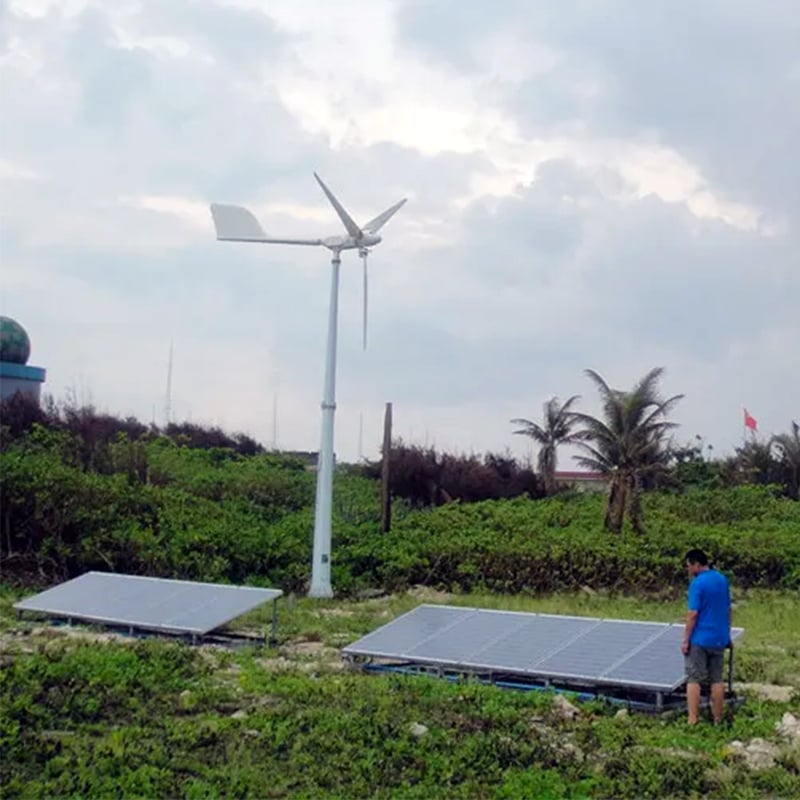
main products include wind turbines, solar panels lifepo4 batteries. customers can receive all-in-one-shop solution the integration and design wind-solar hybrid smart photovoltaic systems. DHC is reliable supplier of products, 15kw wind turbine for home, after-sales support customers through the best delivery capabilities.
To ensure a successful procurement process and optimal performance of your air heat pump, follow these best practices:
Conduct a Detailed Needs Assessment: Gather all necessary information regarding the space, usage, and specific requirements before reaching out to suppliers. Request Multiple Quotes: Obtain quotes from various suppliers to compare pricing, specifications, and warranty options, ensuring you make an informed decision. Review Installation Requirements: Ensure that the supplier provides clear installation guidelines and support to avoid issues during setup. Evaluate Long-term Support: Choose suppliers that offer ongoing maintenance services or support to help keep your systems running efficiently. Prepare for Quality Inspections: Develop a checklist for inspecting incoming units against specifications to verify that they meet your quality standards before installation.
By following these best practices, you can enhance your procurement process and ensure the air heat pump you select meets your operational needs effectively.
With the right air heat pump, your business can enjoy improved energy efficiency and reduced operational costs, making it a wise investment in your company's sustainability and financial health.
Welcome to DHC, the top brand of wind solar hybrid power system! We provide innovative and effective new energy solutions including wind turbine, solar panel, lifepo4 battery, etc.




 EN