
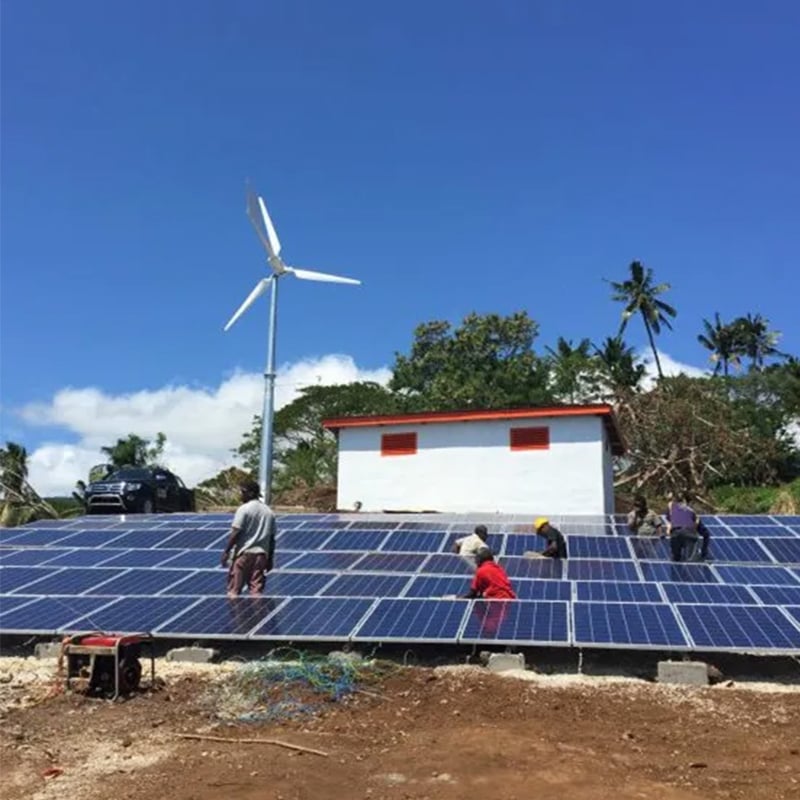
Low speed electric generators are essential components in renewable energy systems, particularly in hybrid setups combining wind and solar energy. These generators are designed to operate efficiently at lower RPMs, making them suitable for various applications, including farms, homes, and distributed power stations. For B2B buyers, understanding the specifications, quality, and purchasing processes involved in low speed electric generators is crucial for making informed decisions. This article will provide insights into the specifications, purchasing strategies, common issues, and cost factors associated with low speed electric generators.
When evaluating low speed electric generators, several key specifications should be considered:
Rated Power Output: This indicates the maximum power the generator can produce continuously. Buyers should assess their energy needs to choose a generator with an appropriate output, typically ranging from a few kilowatts to several megawatts depending on the application.
RPM and Efficiency: Low speed electric generators typically operate at 600 to 1000 RPM. Understanding the efficiency curve of the generator at various loads is crucial, as it directly impacts operational costs and energy production over time.
Voltage Output: Most low speed generators produce either AC or DC voltage. Buyers must determine the voltage requirements of their systems to ensure compatibility.
Construction Materials: Quality construction materials enhance durability and performance. Look for generators made from corrosion-resistant materials, especially if they will be used in harsh environmental conditions.
Cooling Mechanisms: Efficient cooling systems, whether air or liquid-cooled, are vital for maintaining performance and extending the lifespan of the generator. Additionally, using a Wind Controller can help in managing the generator's performance.
Regulatory Compliance: Ensure that the generator meets local and international standards for safety and performance, such as ISO certification.
Evaluating these specifications helps buyers select a generator that meets both their technical requirements and project goals.
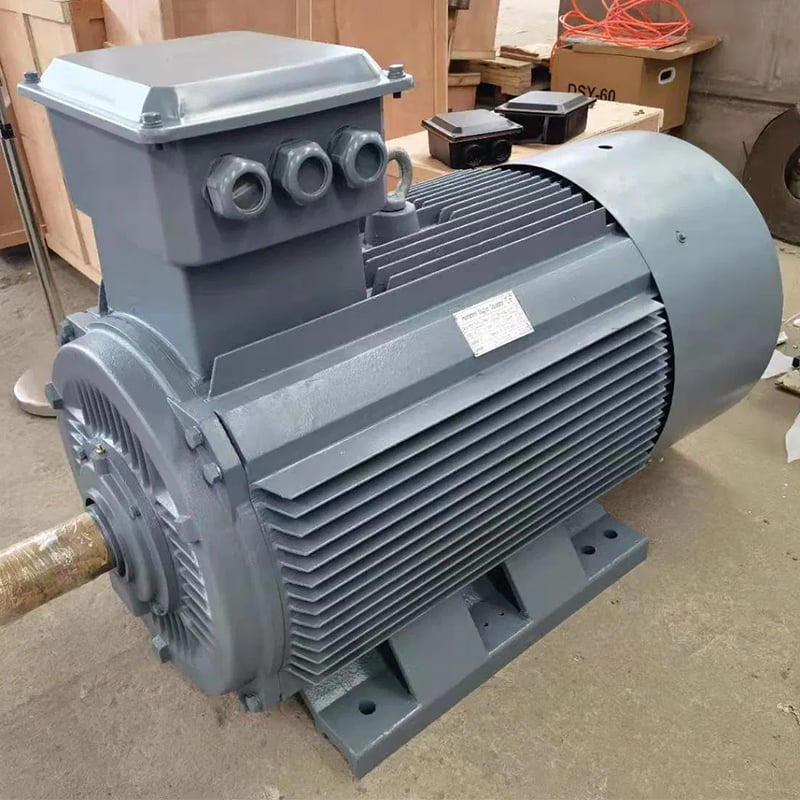
Purchasing low speed electric generators in bulk can lead to significant cost savings, especially for large projects. Here are some strategies for sourcing these generators:
Manufacturer Direct: Buying directly from manufacturers like Jiangsu DHC Environmental Si-Tech Co., Ltd. ensures access to the latest technology and customization options. Many manufacturers offer bulk discounts and can provide tailored solutions to meet specific project needs.
Authorized Distributors: Partnering with distributors who specialize in renewable energy products can streamline the purchasing process. These distributors often have established relationships with manufacturers and can negotiate better pricing.
Industry Trade Shows: Attending trade shows focused on renewable energy offers opportunities to connect with manufacturers and distributors. These events often feature product demonstrations, allowing buyers to evaluate generators firsthand.
Online Marketplaces: While less common for specialized equipment, some online B2B marketplaces list bulk generators. Ensure that these platforms are reputable and provide sufficient product information and vendor reliability.
When sourcing in bulk, it’s essential to communicate clearly about your requirements, including quantity, specifications, and delivery timelines, to ensure an efficient purchasing process.
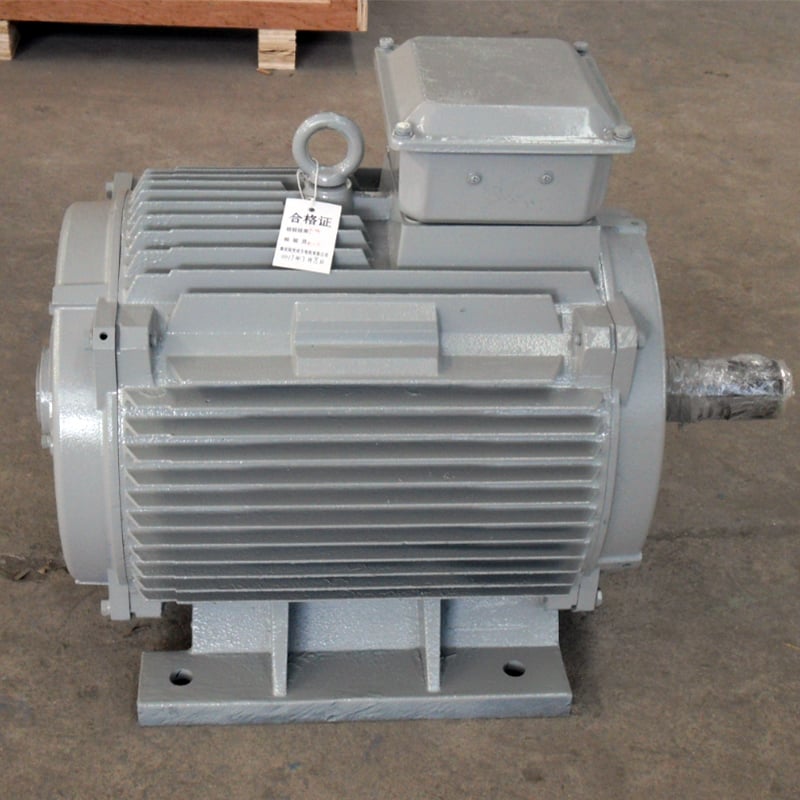
Quality assessment of low speed electric generators should encompass both manufacturing standards and performance testing. Here are steps to consider:
Supplier Reputation: Research the manufacturer’s history, market presence, and customer feedback. A manufacturer with a strong reputation in renewable energy will likely prioritize quality and reliability.
Certifications: Verify that the manufacturer adheres to relevant quality management standards, such as ISO 9001. These certifications indicate a commitment to maintaining consistent quality throughout the production process.
Material Specifications: Request detailed information on the materials used in the generator construction. High-quality materials will enhance performance and durability.
Performance Testing: Ask about testing procedures the manufacturer employs. Generators should undergo rigorous testing under real-world conditions to ensure reliability and efficiency.
Sample Approval: Before bulk orders, buyers should request a sample generator for testing. This allows for evaluation under actual operating conditions, ensuring compatibility with existing systems.
By taking these steps, buyers can mitigate risks associated with poor-quality products and ensure reliable performance from their low speed electric generators.
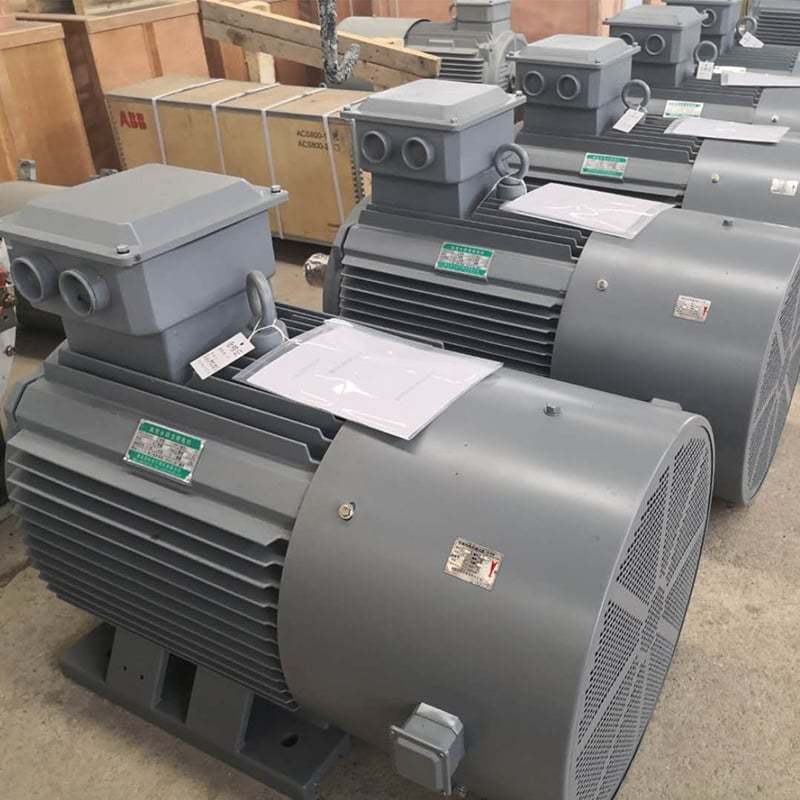
While low speed electric generators are generally robust, certain issues can arise. Here are some common problems and their potential solutions:
Overheating: This may occur due to inadequate cooling or prolonged operation at high loads. To mitigate this, ensure the generator is properly sized for its application and that the cooling system is functioning efficiently.
Electrical Failures: Issues such as short circuits or grounding problems can lead to operational failures. Regular maintenance checks, including electrical inspections and insulation testing, can help identify and rectify these issues early.
Mechanical Wear: Components such as bearings and seals may wear out over time, leading to inefficiencies or breakdowns. Implementing a routine maintenance schedule that includes lubrication and part replacement can prolong the life of the generator.
Vibration Issues: Excessive vibration can indicate imbalance or misalignment. Proper installation and regular alignment checks can prevent these problems, ensuring smooth operation.
Noise Levels: Some low speed generators may produce more noise than desired. Installing sound dampening materials or choosing generators specifically designed for low noise operation can help address this concern.
By proactively addressing these common issues, buyers can enhance the longevity and reliability of their low speed electric generators.
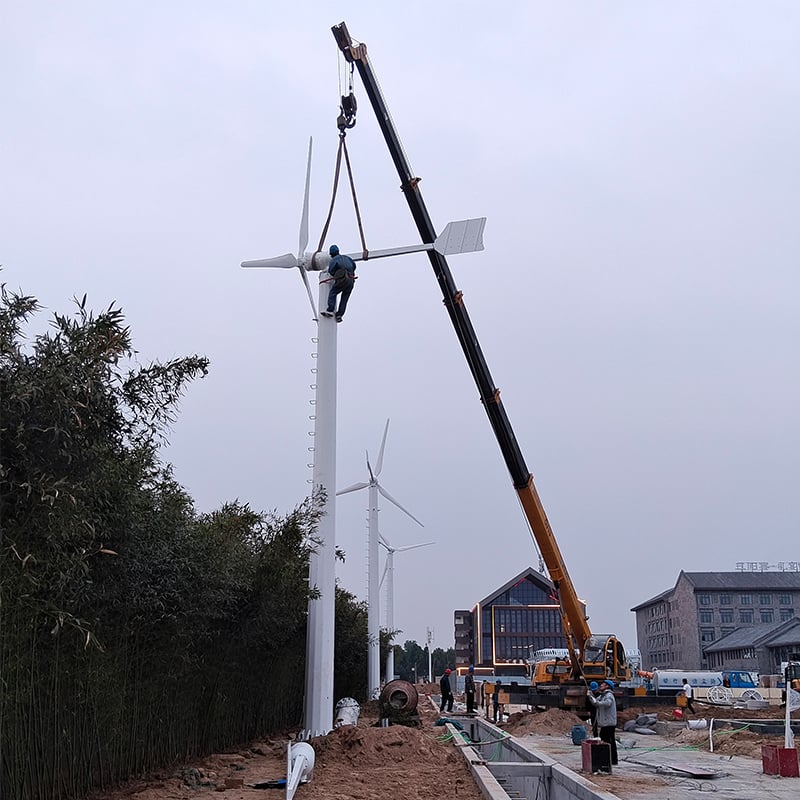
Integrity is foundation of our company. offer real power equipment, as well as skilled wind turbine and generator. In the case of wind turbines, {you can pay attention it is important to commitment to integrity the basis of our business. We provide genuine power equipment, as well as expert service. Consider parameters such as blade diameter as well as wind turbine weight when looking at wind turbines. DHC promises that its products are able to deliver real power without exaggerating the power.
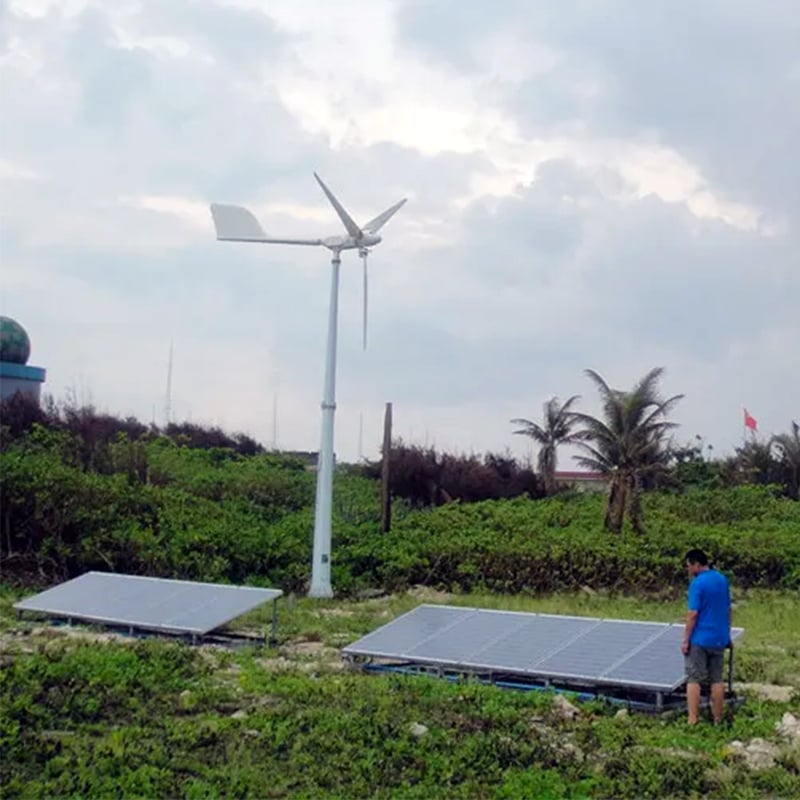
We're dedicated solving commercial residential electrical needs utilizing a solar/wind power system. With professional supply chain management and integration capabilities, are able to provide customers with completely customized solutions. We'll provide high-quality service all hours of day from 2kw vertical axis wind turbine to design and after-sales.
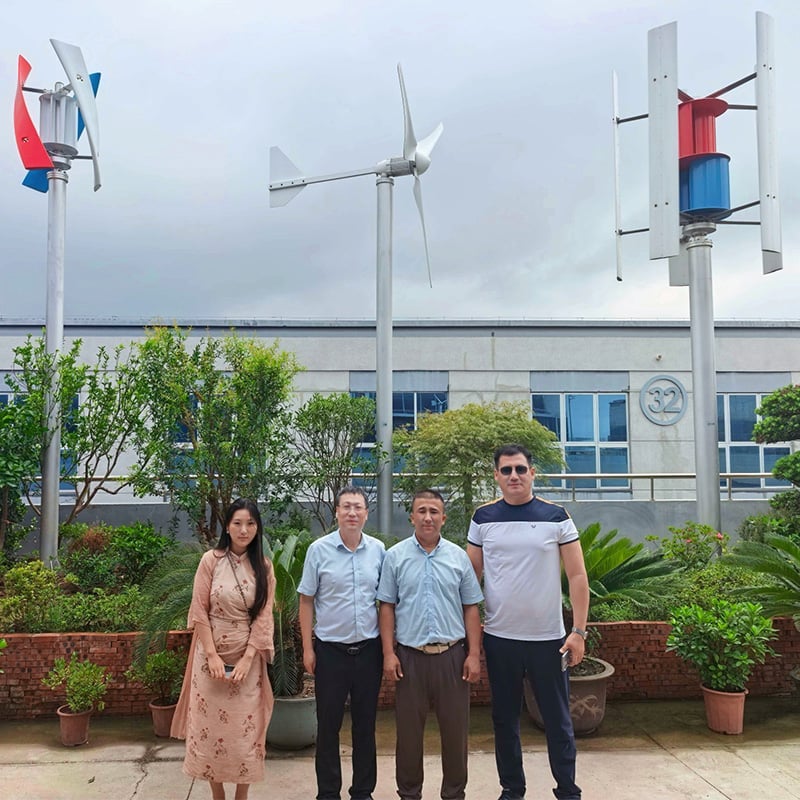
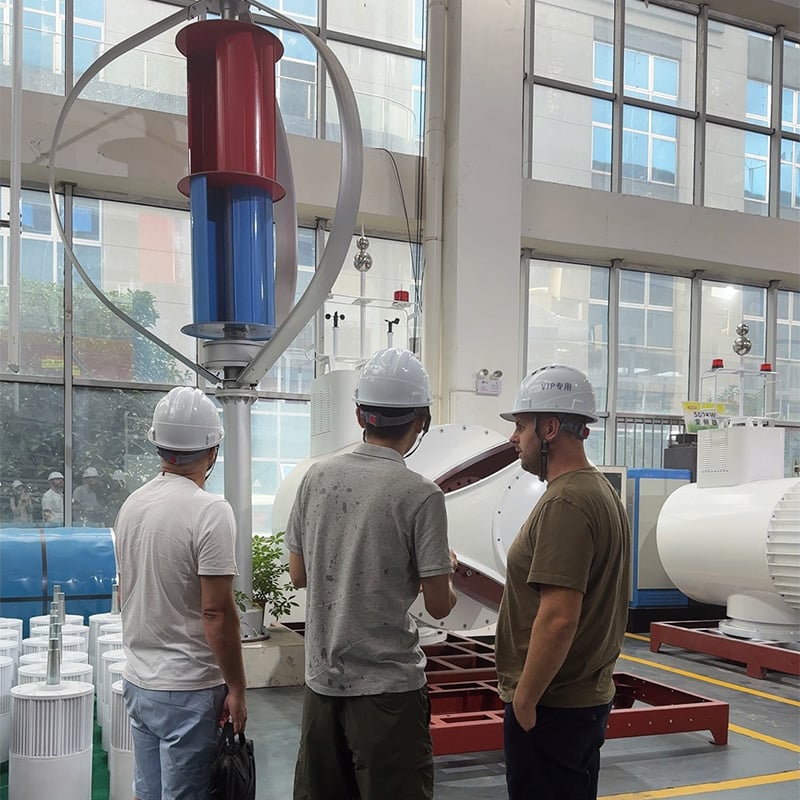
DHC is market leader the hybrid wind solar power systems. It has its own factory that incorporates R D and production, design, and technical services. Since 2009 our founders have embraced the concept of environmental protection by Eolic generator new technology embraced the corporate culture of "diligence integrity, collaboration and creativity." This is also the source of our name "DHC".
primary products wind turbines, solar panels and lifepo4 batteries. customers will receive a one-stop-shop service the integration and wind turbine generator a wind-solar hybrid as well as smart photovoltaic system. DHC provides reliable products, technologies, and after-sales service to customers with excellent delivery capability.
Understanding the cost factors associated with low speed electric generators is crucial for making informed purchasing decisions. Here are key considerations:
Initial Purchase Price: The upfront cost of the generator is a primary factor. However, it’s essential to balance purchase price with the expected operational efficiency and lifespan of the generator.
Installation Costs: Depending on the complexity of the installation, additional costs may arise. Buyers should factor in expenses related to site preparation, electrical connections, and any required infrastructure adjustments.
Maintenance Expenses: Ongoing maintenance is necessary to keep the generator functioning optimally. Buyers should inquire about recommended maintenance schedules and associated costs.
Operational Efficiency: Generators that operate more efficiently can reduce long-term operational costs. Evaluate the fuel consumption and energy output to estimate ongoing expenses.
Warranty and Support: Consider the warranty terms and after-sale support offered by the manufacturer. A robust warranty can provide peace of mind and additional value if issues arise.
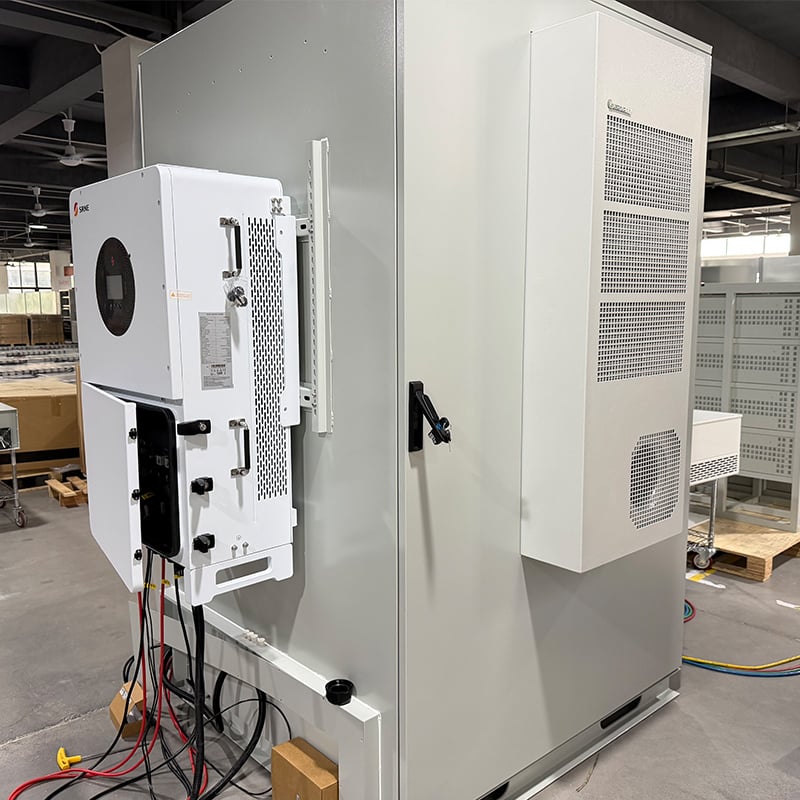
Customization Options: Customizing generators to fit specific applications may increase costs but can lead to improved performance and efficiency, potentially offsetting higher initial expenses. For instance, using a Container Energy Storage Battery can enhance storage capabilities for specific applications.
By carefully considering these factors, buyers can make well-rounded decisions that align with both their budget and operational needs.
Welcome to DHC, the top brand of wind solar hybrid power system! We provide innovative and effective new energy solutions including wind turbine, solar panel, lifepo4 battery, etc.
 EN