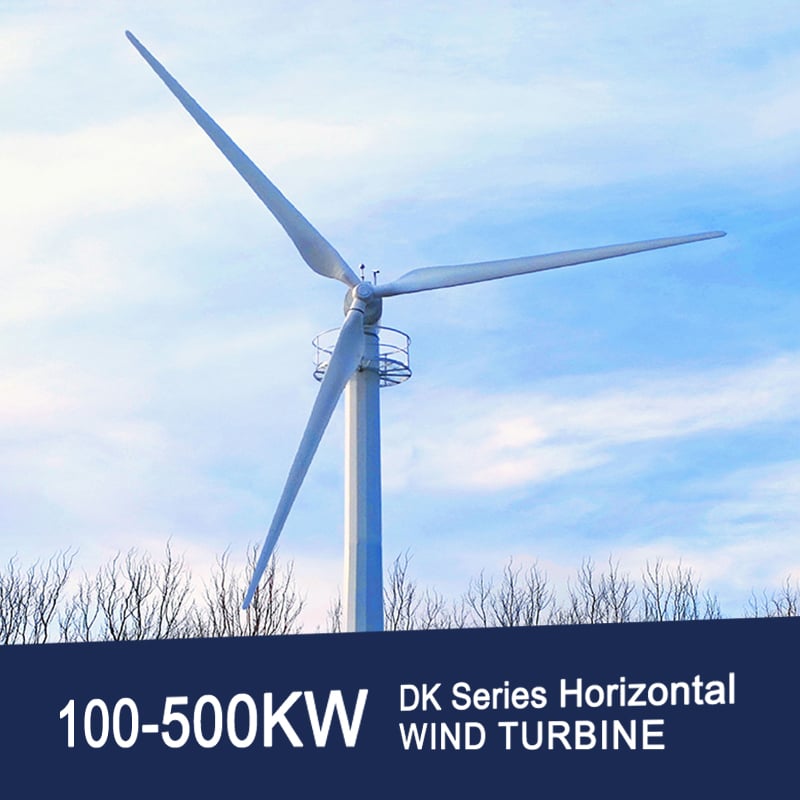
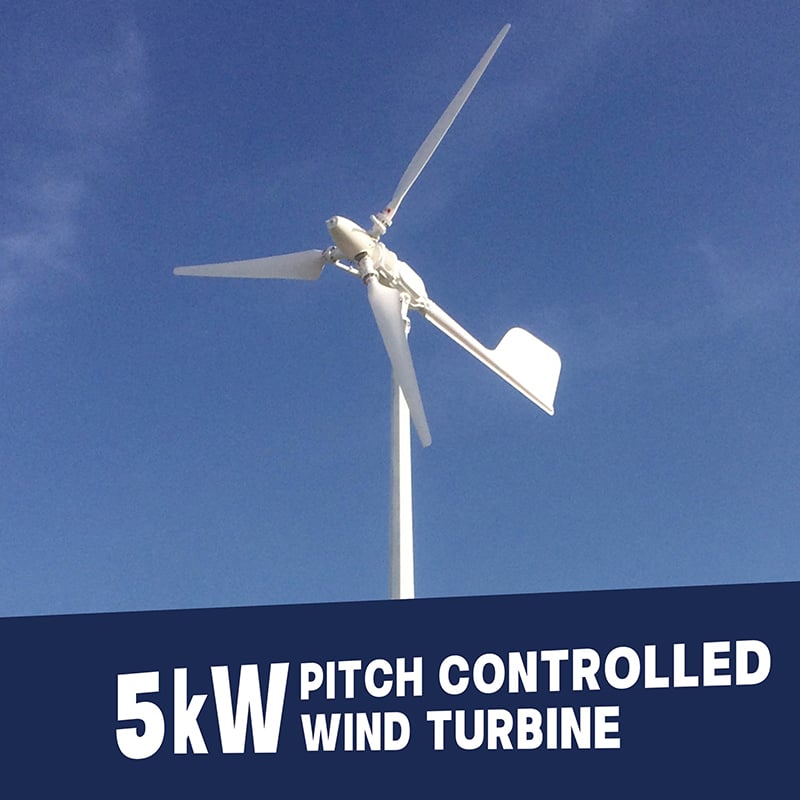
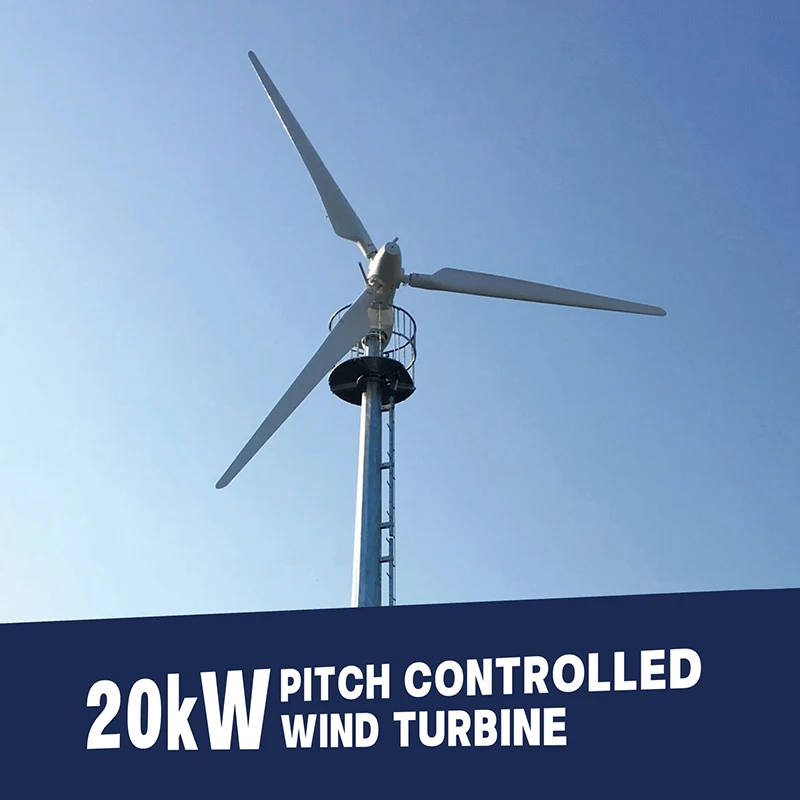
Tulip wind mills represent an innovative solution in renewable energy, combining functionality with aesthetic appeal. These systems are particularly relevant for B2B buyers in sectors ranging from agriculture to commercial enterprises, who seek reliable, sustainable energy solutions. This article addresses key concerns for purchasing managers and decision-makers, including product quality, cost factors, and common challenges. By understanding these aspects, buyers can make informed decisions when investing in tulip wind mills for their operations.
When considering tulip wind mills for your business, it’s essential to evaluate a range of factors before making a purchase. Start by determining the energy needs of your specific application whether it’s for residential use, agricultural support, or a larger commercial deployment. Understanding your energy requirements will guide you in selecting the appropriate wind mill size and capacity.
Next, consider the type of environment in which the tulip wind mill will operate. Factors like wind speed, terrain, and local regulations can significantly impact performance and efficiency. Buyers should also review the manufacturer’s experience in the industry, as this can influence product reliability and support services. Jiangsu DHC Environmental Si-Tech Co., Ltd., with 15 years of expertise in renewable energy systems, offers a robust portfolio of wind turbines that cater to diverse applications.
Additionally, ask about customization options. Many manufacturers, including Jiangsu DHC, can tailor solutions to meet specific operational needs, which can be a significant advantage in optimizing performance.
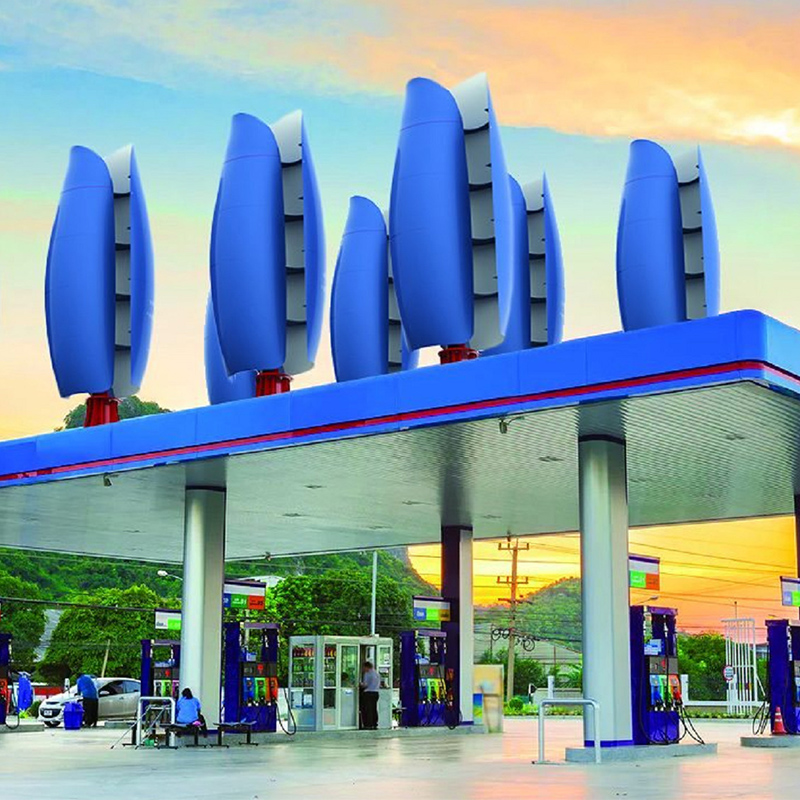
Evaluating the quality of tulip wind mills involves examining several critical specifications. Key factors include the materials used in construction, which affect durability and performance. Look for wind mill made with corrosion-resistant materials to ensure longevity, especially in harsh weather conditions.
Another important aspect is the design and engineering of the turbine. The rotor size, blade material, and overall design play a crucial role in efficiency and power output. A well-designed wind mill should maximize energy capture while minimizing noise and vibration.
Quality control processes are equally important. Inquire about the manufacturer’s quality assurance practices, including testing protocols for performance and safety. Certifications from recognized organizations can also provide reassurance regarding the quality and reliability of the product.
Lastly, consider the manufacturer's support services, such as installation and maintenance offerings. A strong support system can significantly enhance the operational lifespan of the tulip wind mill and ensure optimal performance.
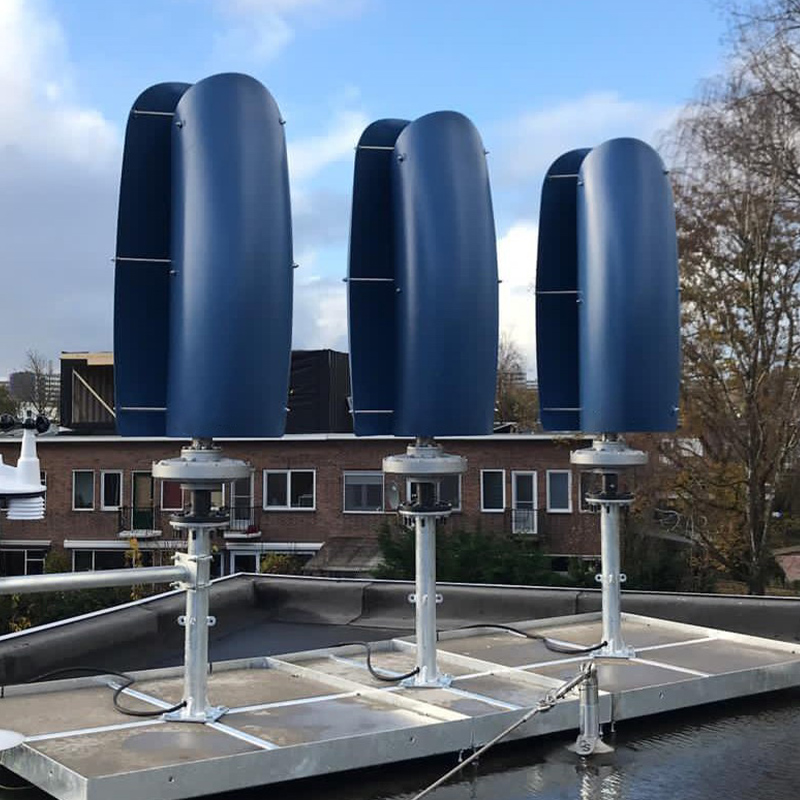
The cost of tulip wind mills can vary significantly based on several factors, particularly when purchasing in bulk. First, the size and capacity of the wind mill will heavily influence the price. Larger models typically have a higher upfront cost but may offer better economies of scale.
Additionally, consider the costs associated with installation and maintenance. Bulk purchases may provide opportunities for negotiated discounts on installation services, which can lead to substantial savings.
Shipping and logistics costs also play a significant role. Ensure that you discuss delivery terms with your supplier, as remote locations might incur higher shipping fees. Jiangsu DHC Environmental Si-Tech Co., Ltd. has established strong supply chain partnerships that can facilitate efficient logistics and potentially lower costs for bulk orders.
Finally, don’t overlook potential incentives or subsidies for renewable energy systems, which can help offset some of the initial investment. Research local and national programs that may be applicable to your purchase.

When purchasing tulip wind mills, several key considerations must be taken into account. First is the intended application. Understanding whether the wind mill turbine will serve residential, commercial, or agricultural purposes will guide your selection process.
Next, assess the local wind resource. Conduct a wind resource assessment to determine average wind speeds in your area. This data will help you choose a wind mill that can operate efficiently in your specific conditions.
Also, consider potential zoning and permitting requirements. Different regions have varying regulations concerning the installation of wind energy systems. Engaging with local authorities early in the process can prevent delays or complications down the line.
Lastly, evaluate the total cost of ownership, which includes not just the initial purchase price but also ongoing maintenance, operational costs, and potential savings on energy bills. This holistic approach will provide a clearer picture of the investment's long-term benefits.
We're committed keeping integrity as the foundation our company, Eolic generator customers the best power products as well as expert services. For wind turbines you can pay attention to important integrity is the foundation our company. provide genuine power products provide skilled service. You can consider parameters like blade diameter wind turbine weight when evaluating wind turbines. DHC assures that its products are able to deliver real power without overstating power.
We're Eolic generator meeting commercial domestic electricity needs with wind/solar power system. can provide our customers with tailored solutions through skilled supply chain management capabilities and capabilities for integration. We'll provide high-quality service all hours of day beginning with design, production and after-sales.
As leading brand in wind-powered hybrid power systems DHC is the only company with own wind turbine factory integrating R D development, design, production technical services. Since 2009 our founders have embraced idea of protecting the environment, immersed in new technology, and embraced company's Vertical wind turbine that focuses on "diligence and honesty, as well as cooperation and innovation." Our DHC brand DHC is a result of this.
primary products wind turbines, solar panels and lifepo4 batteries. customers will receive a one-stop-shop service the integration and wind turbine generator a wind-solar hybrid as well as smart photovoltaic system. DHC provides reliable products, technologies, and after-sales service to customers with excellent delivery capability.
Despite their many advantages, tulip wind mills can face some common issues that buyers should be aware of. One frequent concern is inadequate energy output due to low wind speeds. To mitigate this, ensure that your selected wind mill is appropriately sized for the expected wind conditions in your area. Consulting with an experienced manufacturer can help identify the best options for your specific needs.
Another issue can arise from improper installation. A wind mill that is not correctly installed may experience mechanical failures or reduced efficiency. To avoid this, work with certified installers who have a proven track record in wind energy systems.
Maintenance is also crucial. Regular inspections and maintenance are necessary to ensure long-term performance. Familiarize yourself with the manufacturer's recommended maintenance schedule and procedures. Jiangsu DHC Environmental Si-Tech Co., Ltd. provides comprehensive support for maintenance, helping customers maximize the lifespan of their wind turbines.
Lastly, buyers should be vigilant about monitoring the performance of their wind mills over time. Issues such as noise or vibration can indicate mechanical problems that need to be addressed promptly. Establishing a routine for performance checks will help in identifying and resolving issues before they escalate.
By understanding these aspects of tulip wind mills, B2B buyers can make informed decisions that align with their operational needs and sustainability goals.
Welcome to DHC, the top brand of wind solar hybrid power system! We provide innovative and effective new energy solutions including wind turbine, solar panel, lifepo4 battery, etc.






 EN