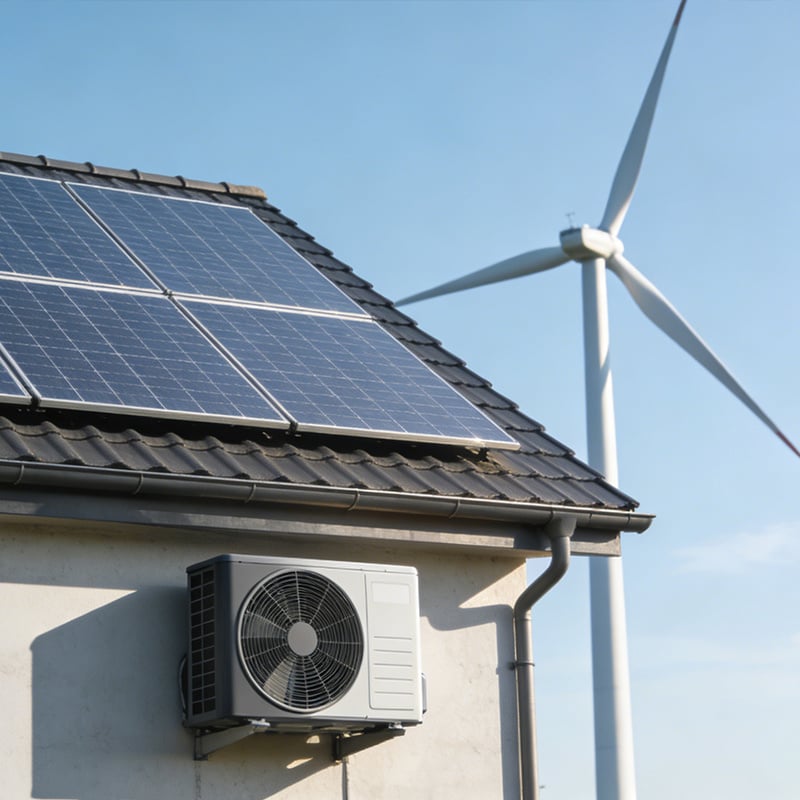
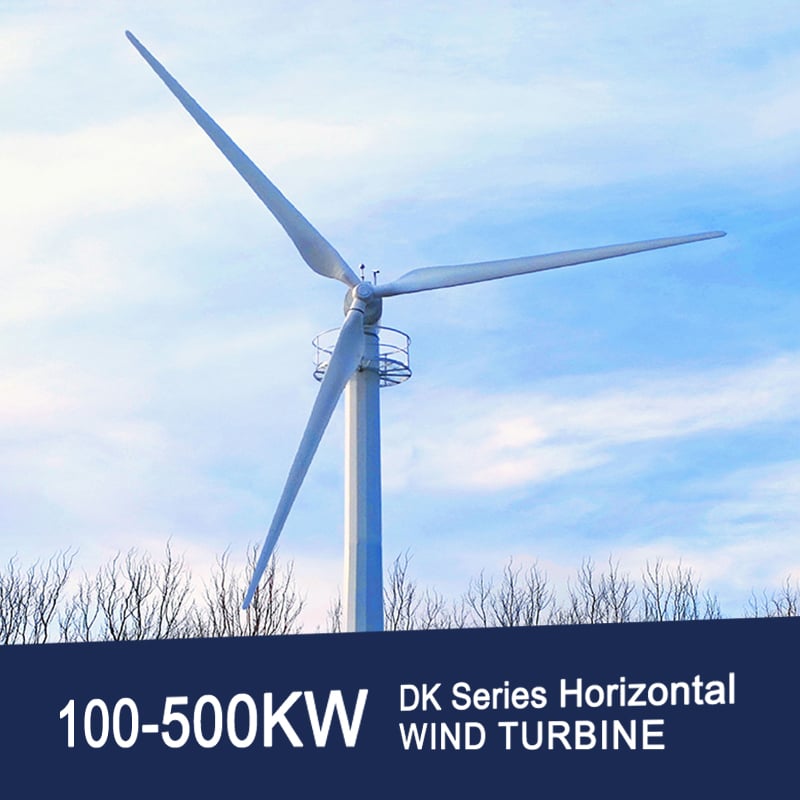
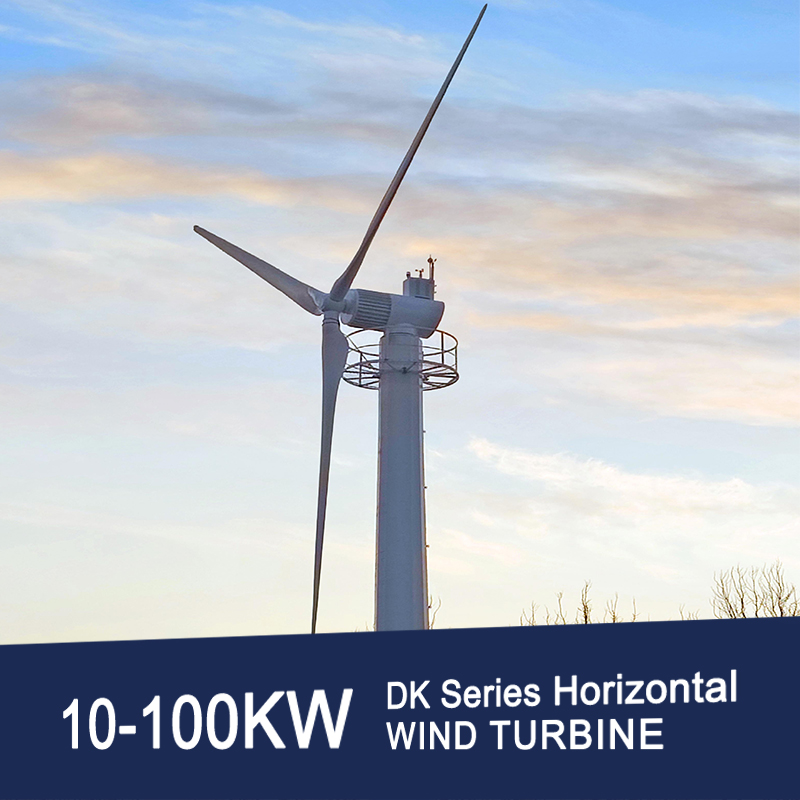
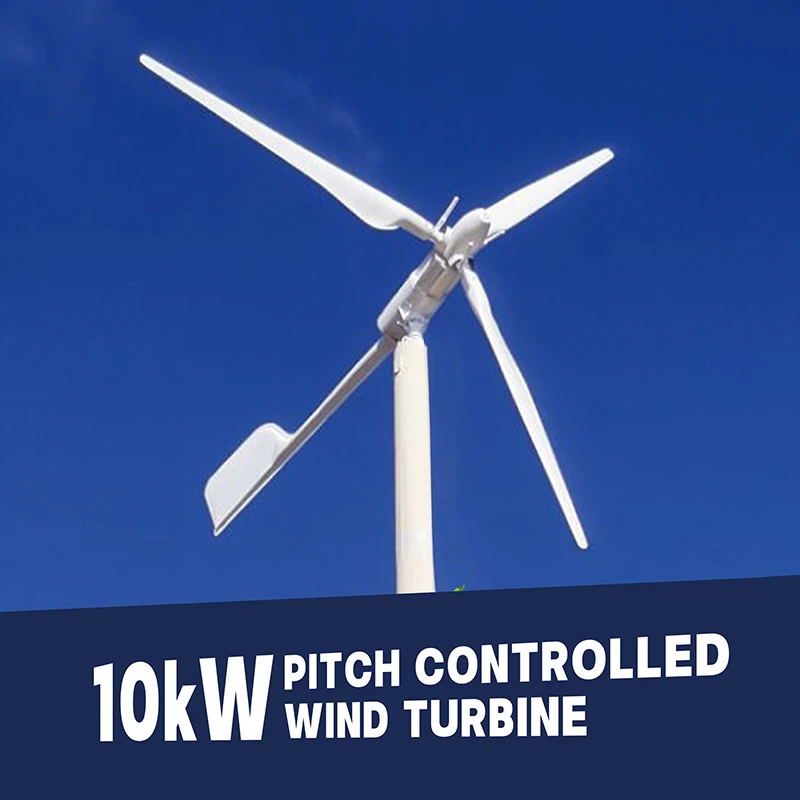
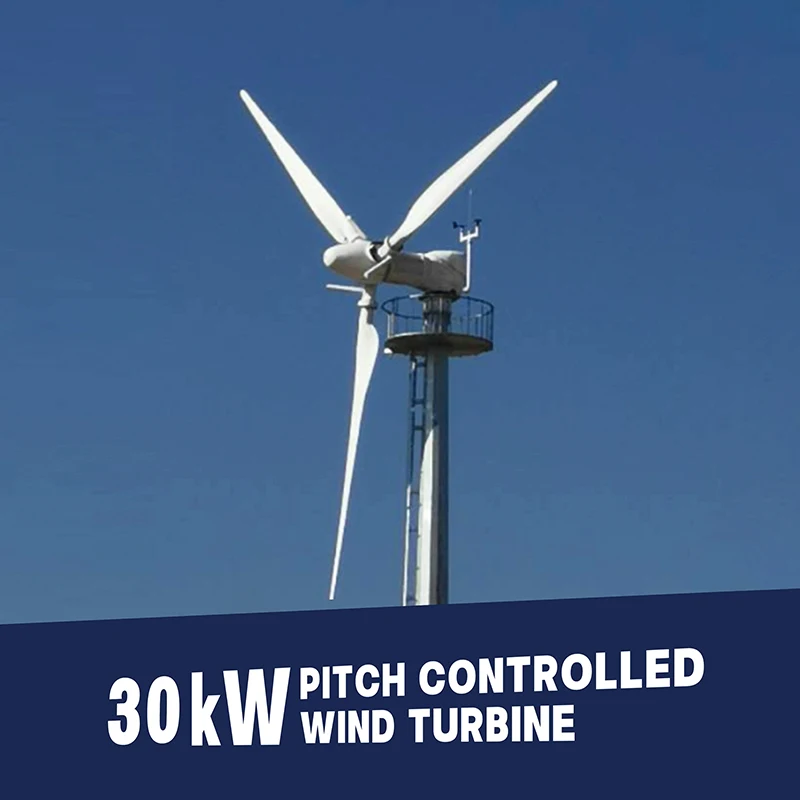
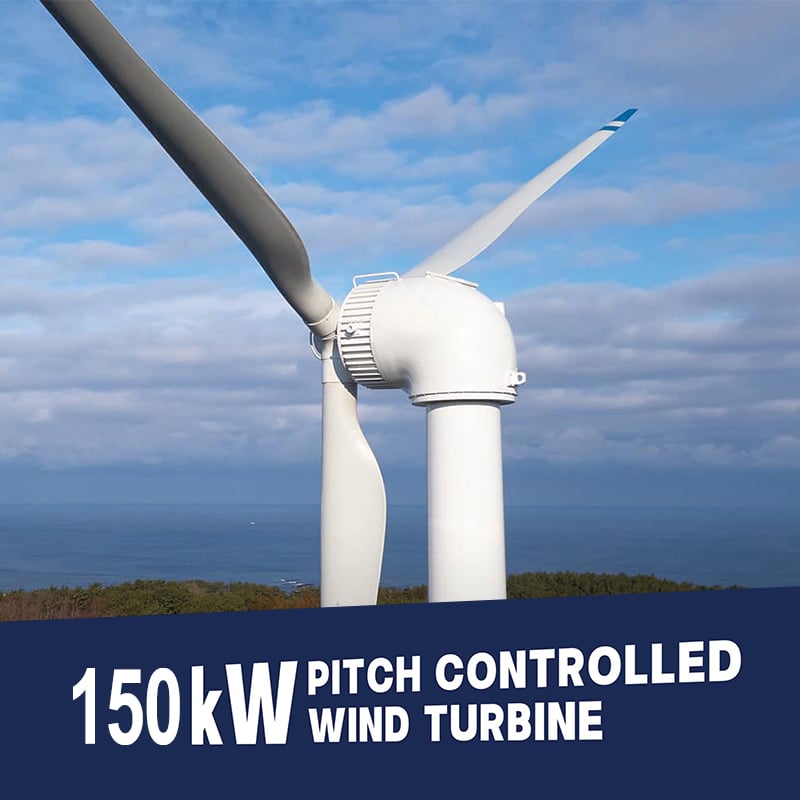
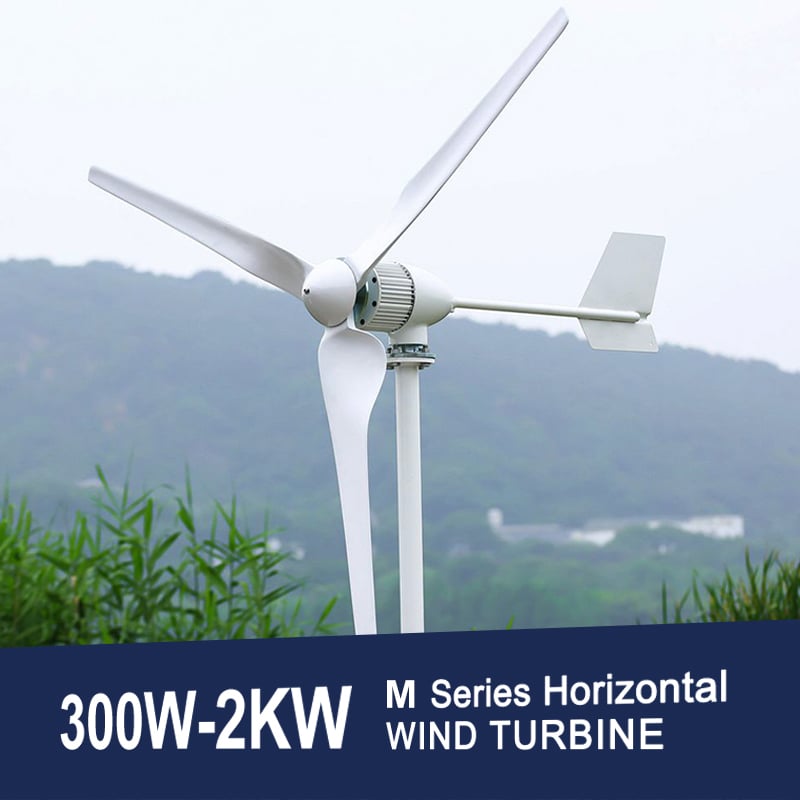
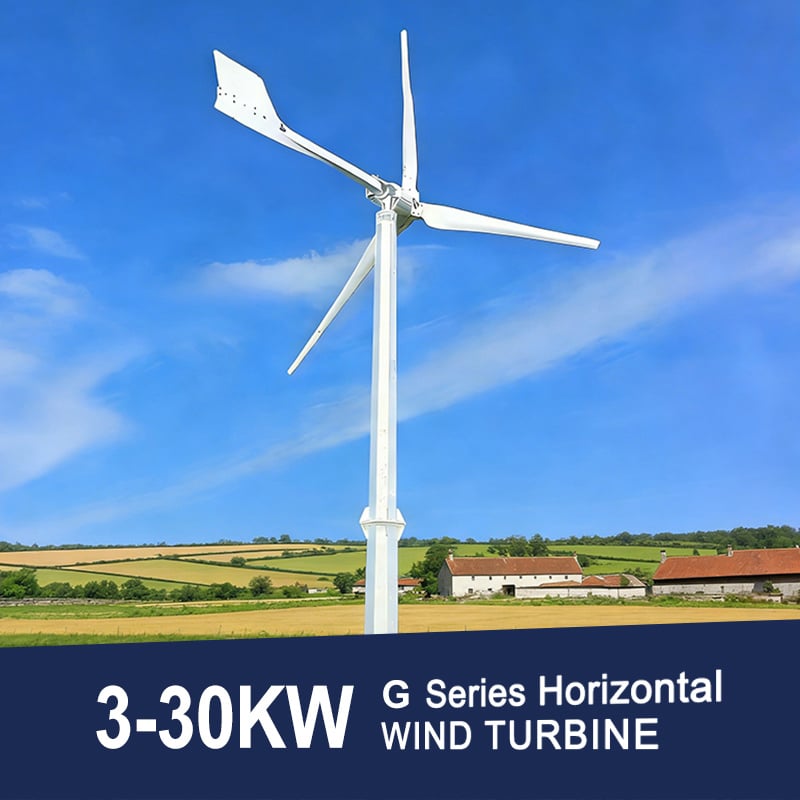
In the realm of renewable energy, the 100kW wind turbine stands out as a critical component for various applications, from residential power solutions to larger commercial setups. For B2B buyers such as purchasing managers, distributors, and engineers, understanding the intricacies of these turbines is essential for making informed purchasing decisions. This article aims to provide an in-depth look at the specifications, critical factors, best practices, and potential challenges associated with 100kW wind turbine, empowering decision-makers in the renewable energy sector.
When considering a 100kW wind turbine, buyers typically focus on several primary areas: cost-effectiveness, reliability, and suitability for their specific energy needs. Key considerations include the turbine's power output, material durability, and ease of installation. It is crucial for buyers to assess the specific energy requirements of their application, whether for a single household, a farm, or a distributed power station.
Buyers should also evaluate the manufacturer’s track record and customer service capabilities. A reputable supplier can provide insights into installation, maintenance, and operational efficiency, all of which affect long-term performance and reliability. Before contacting suppliers, potential buyers should prepare essential information such as the intended application, site conditions, and any customization needs.
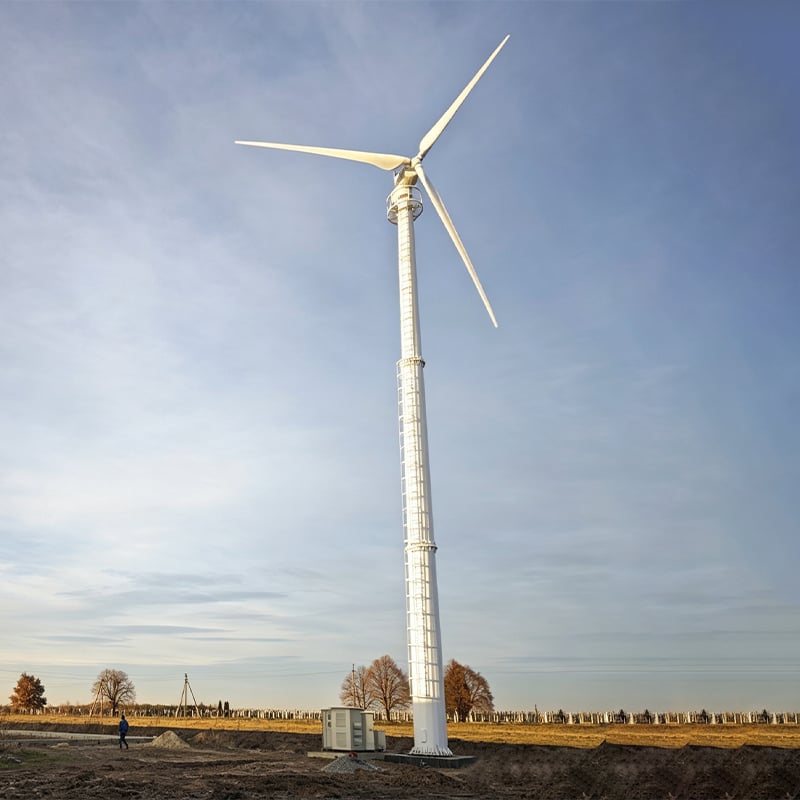
Understanding the key specifications of 100kW wind turbines is vital for importers and distributors. These specifications typically include:
Power Output: A nominal output of 100kW, which can vary based on wind conditions. It’s important to assess the average wind speed of the installation site to ensure optimal performance.
Rotor Diameter: The size of the rotor affects efficiency and energy capture. Standard diameters for this class of turbine typically range from 20 to 30 meters.
Cut-in and Cut-out Wind Speeds: This denotes the wind speeds at which the turbine begins and ceases operation, respectively. A lower cut-in speed can enhance usability in varied conditions.
Material Composition: Common materials include high-strength steel for the tower and composite materials for the blades. These choices influence durability and maintenance needs.
Certifications: Look for compliance with international standards such as IEC 61400, which ensures that the turbine meets safety and performance benchmarks.
Distributors should also consider the manufacturer's quality control processes and any testing certifications. This information can provide assurance regarding the turbine's reliability and performance under real-world conditions.
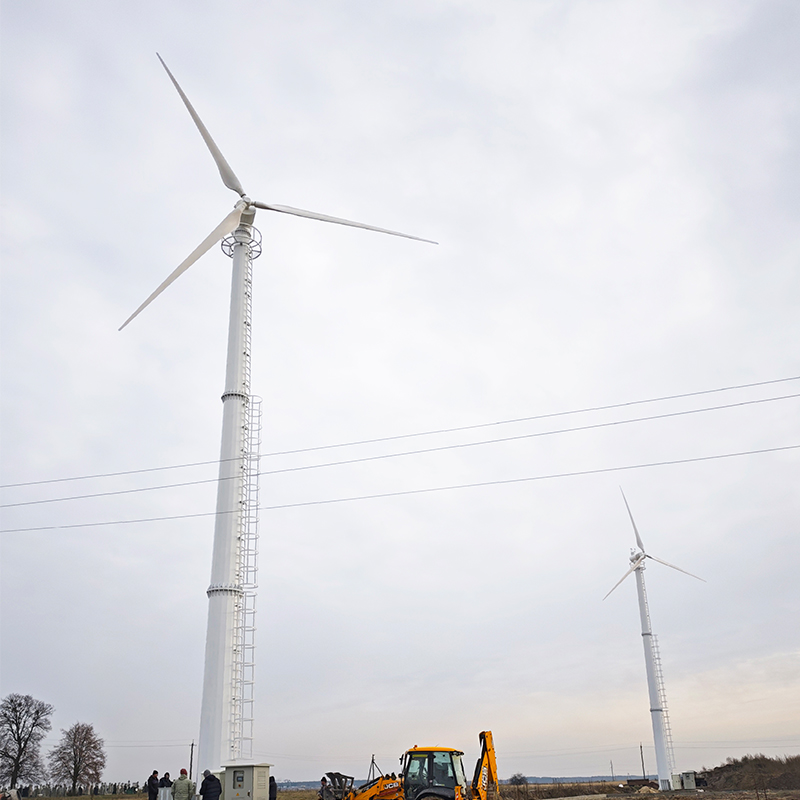
Several essential factors play a crucial role in the effectiveness and longevity of a 100kW wind turbine:
Site Assessment: Conducting a thorough site assessment is vital. Factors such as terrain, height, and proximity to other structures can impact wind flow and turbine efficiency.
Grid Compatibility: Ensuring that the turbine's output is compatible with local grid standards is necessary for seamless integration and operation.
Maintenance Requirements: Understanding the maintenance cycle and associated costs can significantly affect the total cost of ownership. Regular inspections and possible repairs should be factored into budgeting.
Customization Options: Turbines may require specific configurations based on local regulations or user preferences. Discussing customization options with the manufacturer can lead to a better fit for your unique needs.
By evaluating these factors, buyers can make informed decisions that align with their operational requirements and financial constraints.
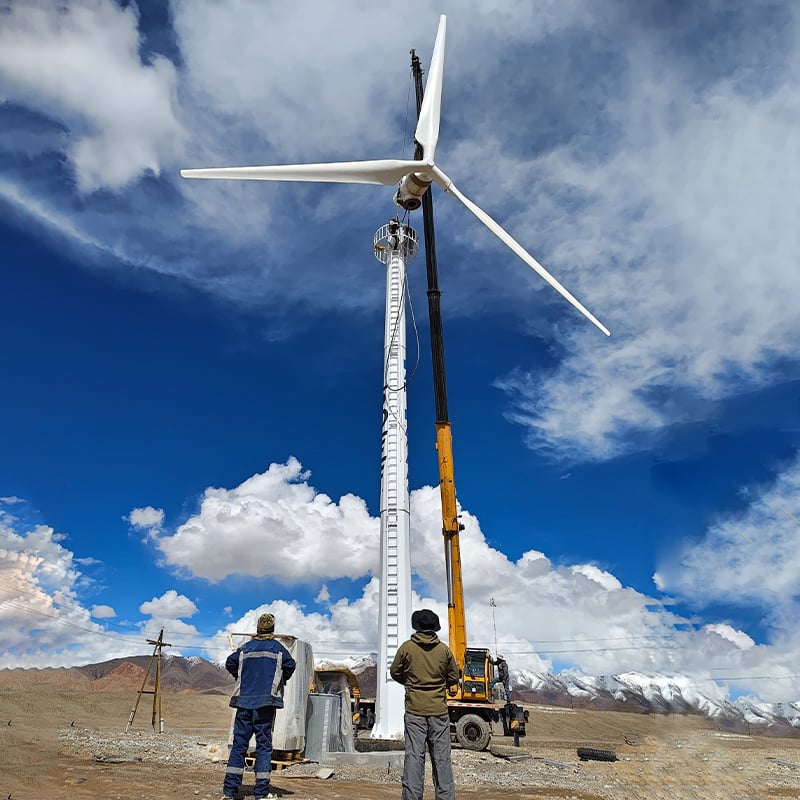
Contractors play a pivotal role in the successful installation and operation of 100kW wind turbines. Here are some best practices to ensure efficiency and safety:
Pre-Installation Planning: Thoroughly review site conditions and prepare for logistical challenges. Consider factors such as access routes for delivery and equipment positioning.
Installation Training: Ensure that installation teams are adequately trained and familiar with the specific turbine model. This can minimize errors and reduce installation time.
Quality Checks: Implement quality checks at various stages of the installation process. This includes verifying that all components meet specified standards and that the installation aligns with engineering plans.
Documentation: Maintain detailed records of all installations, including any modifications made during the process. This documentation can be invaluable for future maintenance and troubleshooting.
Contractors who adhere to these best practices can enhance overall project efficiency and contribute to the long-term success of the small wind turbine.
Solar wind power systems are the main focus our wind turbine and generator. can provide our customers with custom solutions using expert supply chain management capabilities the ability to integrate. will offer you high-quality service all hours of day from production to design and after-sales.
primary products wind turbines, solar panels and lifepo4 batteries. customers will receive a one-stop-shop service the integration and Vertical wind turbine a wind-solar hybrid as well as smart photovoltaic system. DHC provides reliable products, technologies, and after-sales service to customers with excellent delivery capability.
As most sought-after brand of wind solar hybrid power systems, DHC has own wind turbine factory integrating R D design, production and technical support. founders of DHC have been working on the idea green 5000w wind turbine protection since 2009 and immersed in the world of renewable energy adhering to the company's values "diligence as well as honesty, cooperation and innovation." Our DHC brand DHC is the result of this.
We dedicated to upholding integrity as cornerstone of our business, offering customers genuine power products expert services. In the case of wind turbines can pay attention is important to committed to keeping integrity as the cornerstone of business, offering customers the best power products as well as 15kw wind turbine for home services. Consider parameters such as blade diameter and wind turbine's weight when you evaluate wind turbines. We promise that all products manufactured by DHC have real power output without exaggerated power.
Despite their advantages, 100kW wind turbines can encounter specific challenges. Understanding these issues and their solutions is crucial for buyers and operators:
Mechanical Failures: Common mechanical issues can include gearbox failures or blade damage. Regular maintenance and inspections can detect early warning signs, enabling timely repairs.
Electrical Issues: Problems with wiring or inverter performance can lead to reduced efficiency. Ensuring high-quality electrical components and proper installation practices can mitigate these issues.
Environmental Factors: Turbines may face challenges from extreme weather or environmental conditions. Selecting efficient wind turbine with appropriate ratings for local conditions and following best practices in installation can enhance resilience.
Noise and Aesthetics: Some users may be concerned about noise levels or the visual impact of wind turbines. Manufacturers can provide solutions such as low-noise blade designs or aesthetically pleasing tower options.
By proactively addressing these common problems, buyers can enhance the operational longevity and efficiency of their 100kW wind turbines, ensuring a reliable source of renewable energy.
In summary, understanding the specifications, critical factors, best practices, and potential challenges associated with 100kW wind turbines can greatly assist B2B buyers in making informed decisions. By focusing on these areas, purchasing managers, distributors, and engineers can select the best solutions for their energy needs, ensuring operational efficiency and reliability in their renewable energy initiatives.
Welcome to DHC, the top brand of wind solar hybrid power system! We provide innovative and effective new energy solutions including wind turbine, solar panel, lifepo4 battery, etc.






 EN