As the demand for renewable energy solutions continues to grow, the 2kW wind turbine has emerged as a viable option for various applications, including homes, farms, and distributed power stations. Selecting the right wind turbine is crucial for optimizing energy production and ensuring cost-effectiveness. This article will provide insights into choosing the right 2kW wind turbine, its specifications and features, wholesale purchasing considerations, quality standards, and applications within renewable energy projects.
Choosing the right 2kW wind turbine involves evaluating several factors specific to your project’s needs. Key considerations include the intended application, site conditions, and energy requirements.
Application Needs: Determine if the turbine will be used for a residential, agricultural, or commercial application. Each setting may have different energy demands and installation requirements.
Site Conditions: Analyze the wind resources available at your location. A wind assessment can help identify average wind speeds and patterns, which are critical for ensuring that the turbine can operate efficiently.
Regulatory Requirements: Check local regulations and zoning laws that may impact the installation of small wind turbine. Some areas may have restrictions on height or noise levels.
Budget and ROI: Consider your budget and the expected return on investment (ROI). This includes evaluating initial costs, maintenance, and potential savings on energy bills.
By carefully assessing these factors, you can select a 2kW wind turbine that aligns with your project’s specific requirements and maximizes energy output.
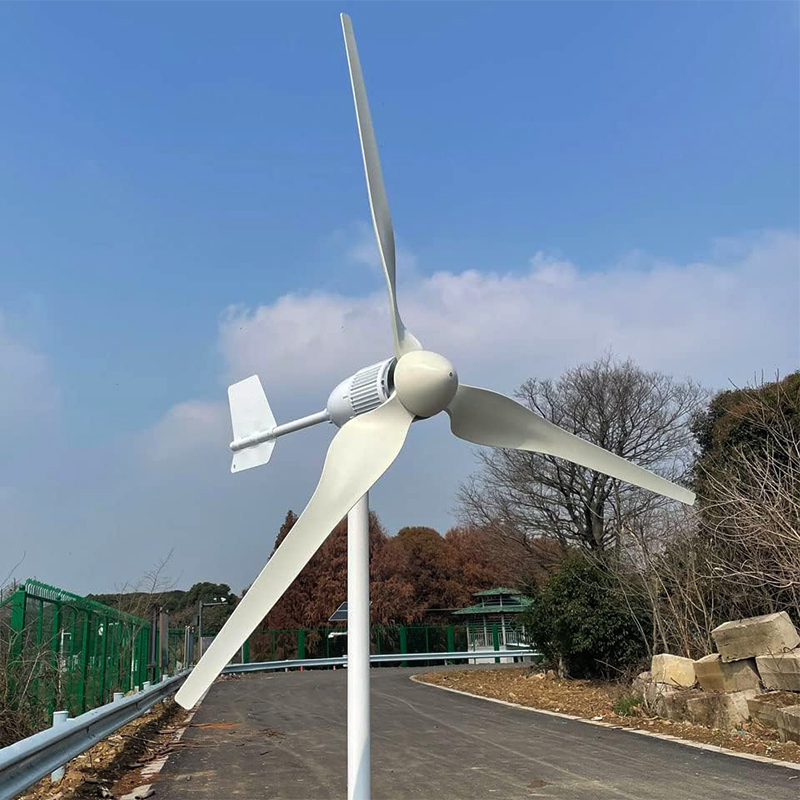
When selecting a 2kW wind turbine, understanding its specifications and features is essential for ensuring performance and durability. Here are some key specifications to consider:
Rated Power Output: The 2kW designation indicates the maximum power output under optimal wind conditions. Ensure that the turbine model meets or exceeds this output based on your site’s wind characteristics.
Rotor Diameter: A larger rotor diameter typically captures more wind, translating to higher energy production. Evaluate the rotor size relative to your expected wind conditions.
Cut-in Wind Speed: This is the minimum wind speed at which the turbine begins generating electricity. A lower cut-in speed can be advantageous in areas with variable wind patterns.
Materials and Durability: Look for turbines constructed with high-quality materials, such as corrosion-resistant alloys and robust composites, to withstand environmental stresses.
Noise Levels: Consider the turbine's noise output, especially if it will be installed near residential areas. This can be an important factor in maintaining good relationships with neighbors.
These specifications play a crucial role in determining the turbine’s efficiency, longevity, and overall suitability for your specific application.
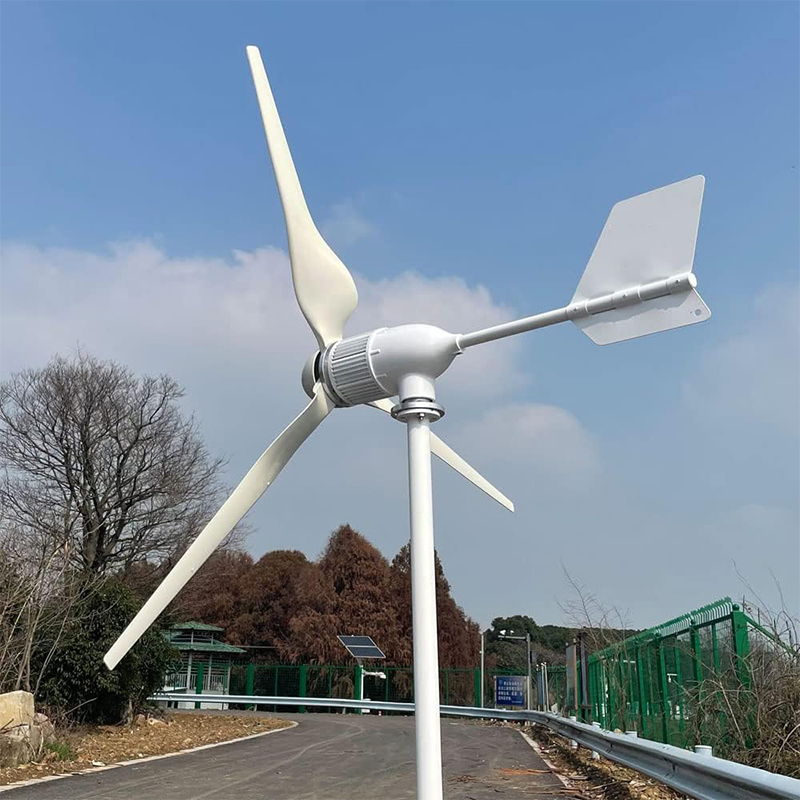
When considering wholesale purchases of 2kW wind turbines, a strategic approach can lead to significant advantages. Here are key considerations:
Minimum Order Quantity (MOQ): Understand the supplier's MOQ, as this can affect your budget and inventory planning. Larger orders may qualify for discounts, but ensure that you can manage the inventory.
Customization Options: Some suppliers offer customization in terms of color, branding, and specific features. Assess whether these options align with your business needs.
Pricing Structures: Request detailed quotations from multiple suppliers. Consider not only the unit price but also factors like shipping costs, payment terms, and lead times.
Supplier Credentials: Verify the supplier’s experience and reputation in the industry. Look for manufacturers with a strong track record in producing reliable wind turbines.
Technical Support: Ensure the supplier provides adequate technical support and documentation, which is crucial for installation and maintenance.
Following these guidelines will help you navigate the wholesale purchasing process effectively, ensuring you secure favorable terms and a reliable product.
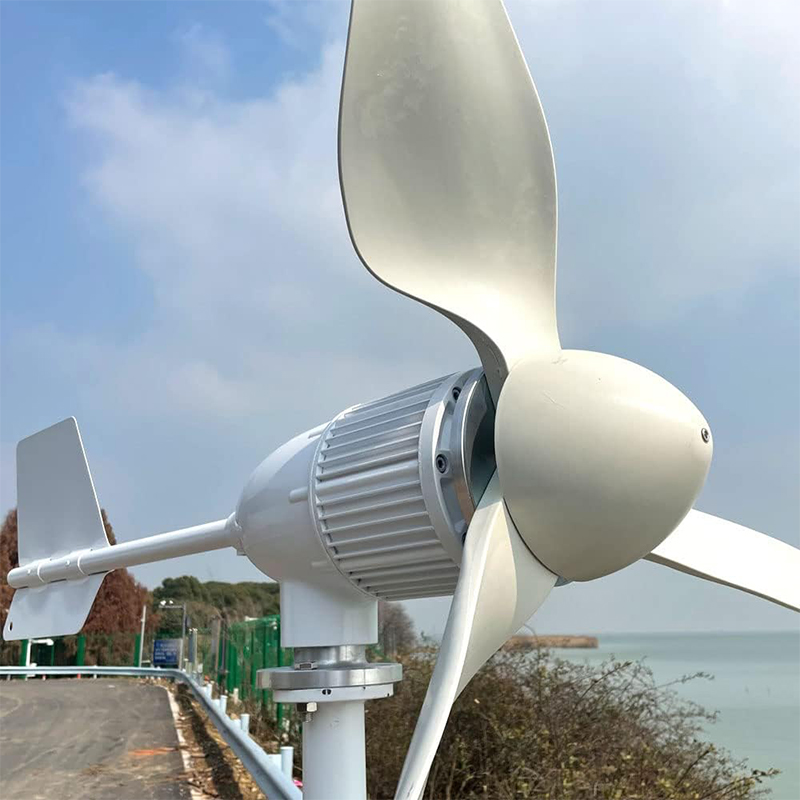
Quality standards are vital in the manufacturing of 2kW wind turbines, as they directly affect performance and safety. Here are key aspects to evaluate:
Certifications: Look for turbines that meet international quality certifications, such as ISO 9001 for quality management systems. This indicates that the manufacturer adheres to strict quality control processes.
Quality Control Processes: Investigate the manufacturer’s quality assurance protocols, including testing procedures for materials and finished products. A robust quality control system can prevent defects and ensure reliability.
Material Sourcing: Assess the quality of materials used in the turbine’s construction. High-quality materials enhance durability and performance, leading to lower maintenance costs over time.
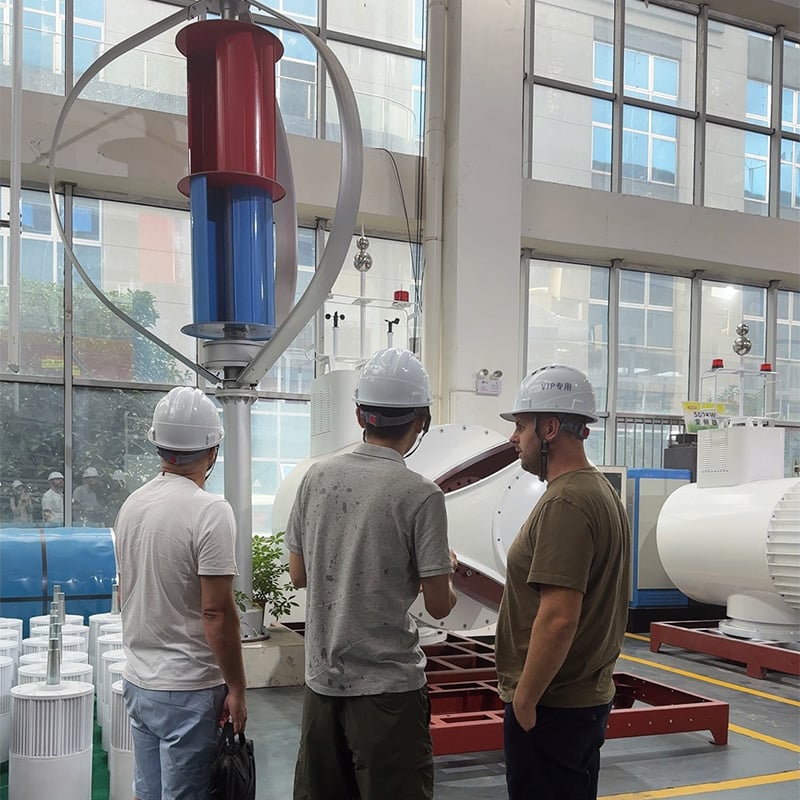
Production Equipment: Advanced manufacturing equipment can improve precision and consistency in turbine production. Ensure the manufacturer invests in modern technology.
Customer Feedback: Research reviews and testimonials from other buyers to gauge the turbine's performance and reliability in real-world applications.
By focusing on these quality standards, you can make informed purchasing decisions that enhance your project's success.
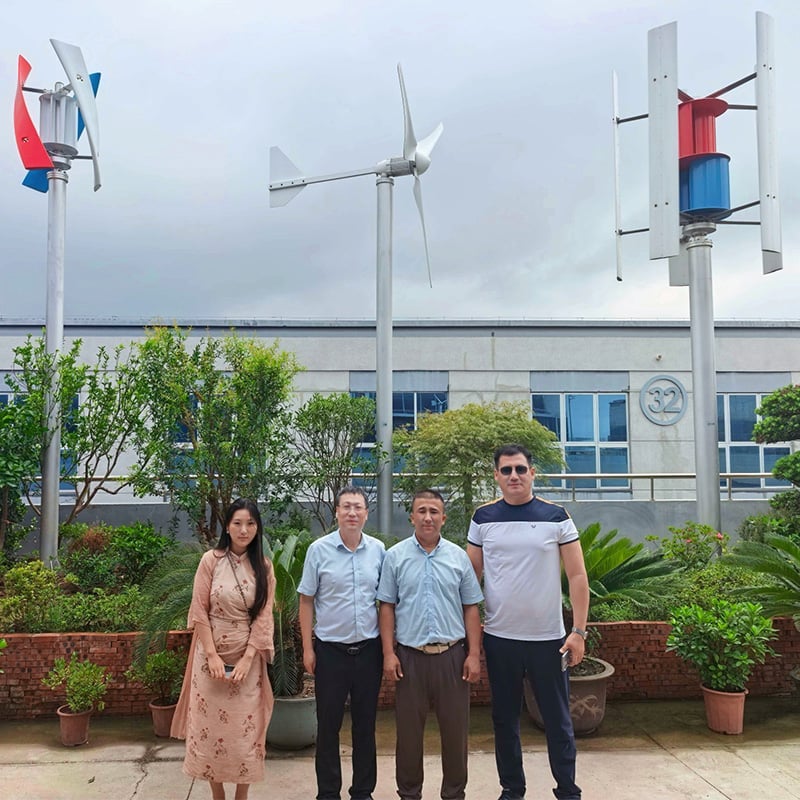
primary products wind turbines, solar panels and lifepo4 batteries. customers will receive a one-stop-shop service the integration and Eolic generator a wind-solar hybrid as well as smart photovoltaic system. DHC provides reliable products, technologies, and after-sales service to customers with excellent delivery capability.
most renowned brand wind-powered hybrid power systems DHC the only company with own wind turbine factory that combines R D, design, production technical support. Since 2009, our founders have practiced the 2kw vertical wind turbine of environmental protection and have been immersed in the latest energy sources and have adhered the company's culture that focuses on "diligence and honesty, collaboration, and creativity." Our brand DHC is the consequence of this.
Integrity the cornerstone of company. offer real power solutions offer an expert service. {When it comes to wind turbines, {you can pay attention it is important to Integrity is the foundation our company. We offer real power equipment, as well as skilled service. You can consider parameters like blade diameter as well as wind you should pay attention aspects like blade's diameter as well as weight. promise that all products produced by DHC come with 2kw vertical axis wind turbine power output and not overinflated power.
We're dedicated solving commercial residential electrical needs utilizing a solar/wind power system. With professional supply chain management and integration capabilities, are able to provide customers with completely customized solutions. We'll provide high-quality service all hours of day from Vertical wind turbine to design and after-sales.
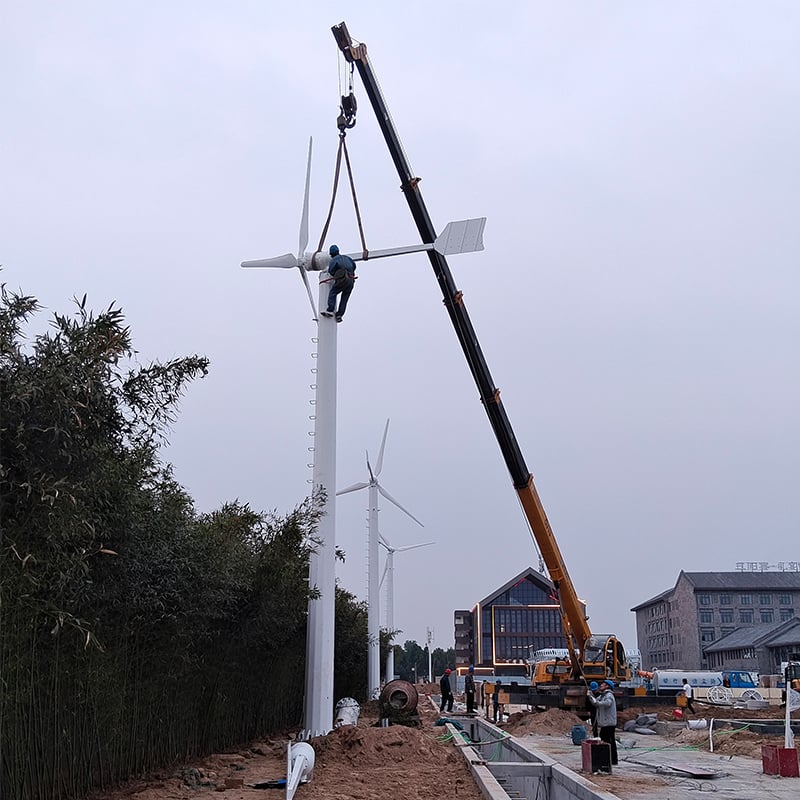
2kW wind turbines are versatile and can be applied in various renewable energy projects. Key applications include:
Residential Power Generation: Homeowners can utilize 2kW turbines to reduce electricity costs and achieve energy independence, particularly in rural areas with limited grid access.
Agricultural Use: Farms can benefit from wind turbines to power irrigation systems, livestock operations, and other agricultural machinery, reducing reliance on fossil fuels.
Distributed Power Stations: Small-scale wind farms can incorporate multiple 2kW turbines to create a community energy solution, providing sustainable power to local users.
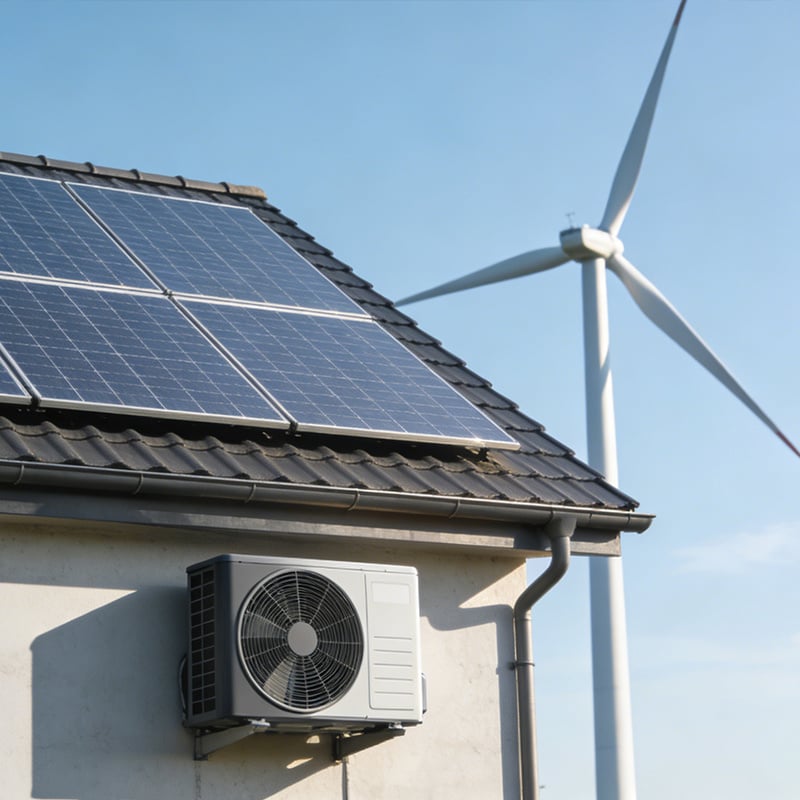
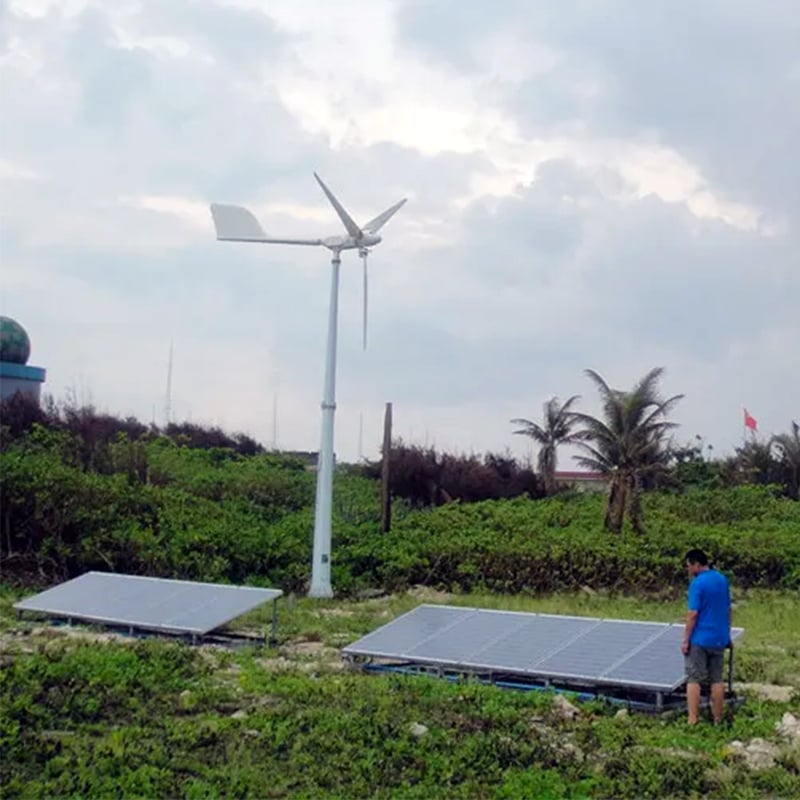
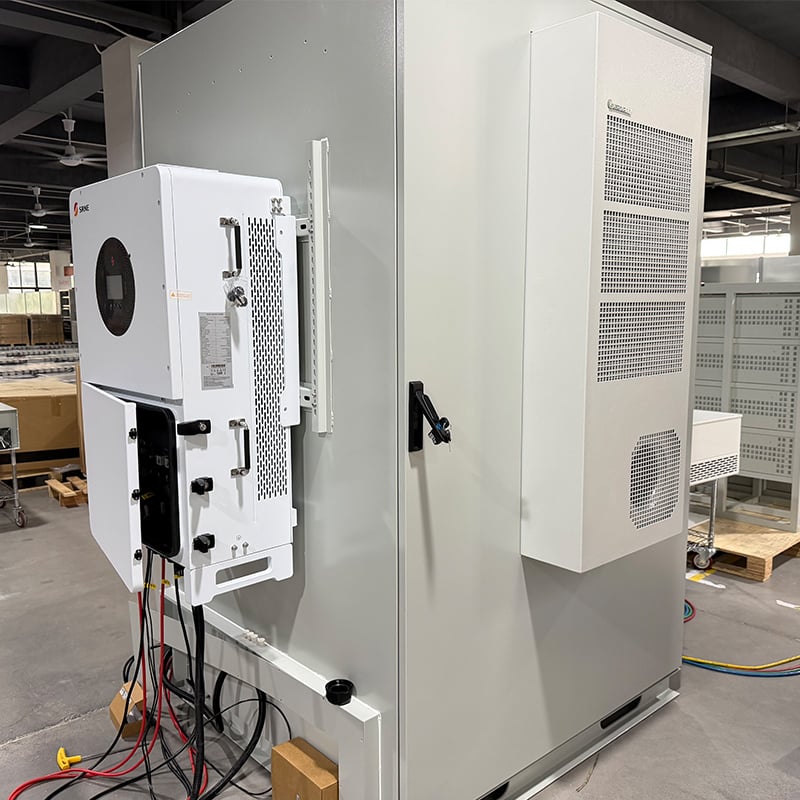
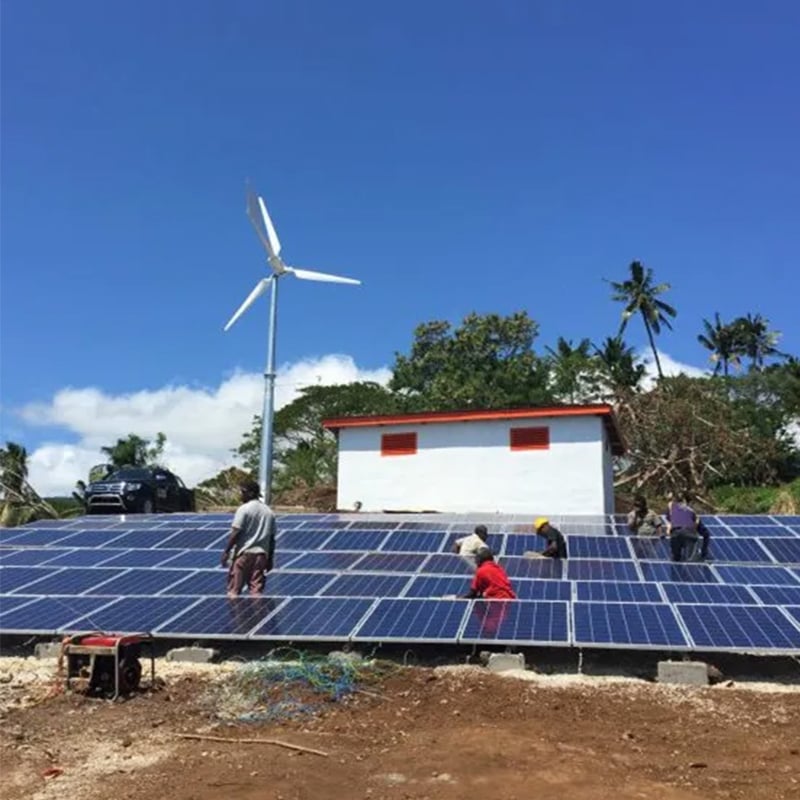
Hybrid Systems: When combined with solar power systems and energy storage solutions, such as LiFePO4 batteries, 2kW efficient wind turbine can create a reliable and efficient hybrid energy system, optimizing energy generation throughout the day and night.
These applications illustrate the flexibility of 2kW wind turbines, making them a suitable choice for diverse energy needs in the renewable sector.
Welcome to DHC, the top brand of wind solar hybrid power system! We provide innovative and effective new energy solutions including wind turbine, solar panel, lifepo4 battery, etc.
 EN