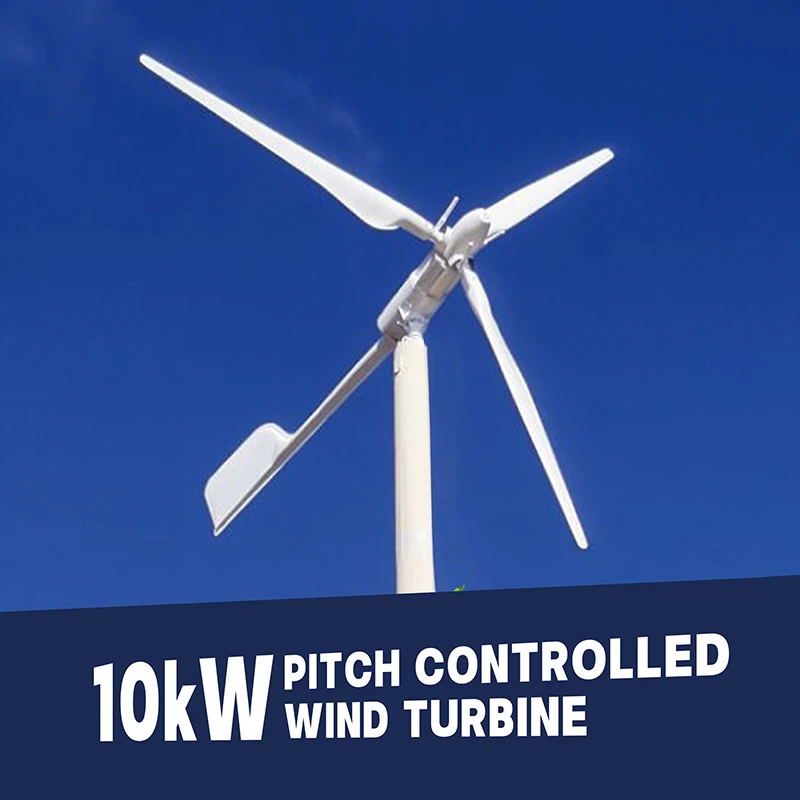
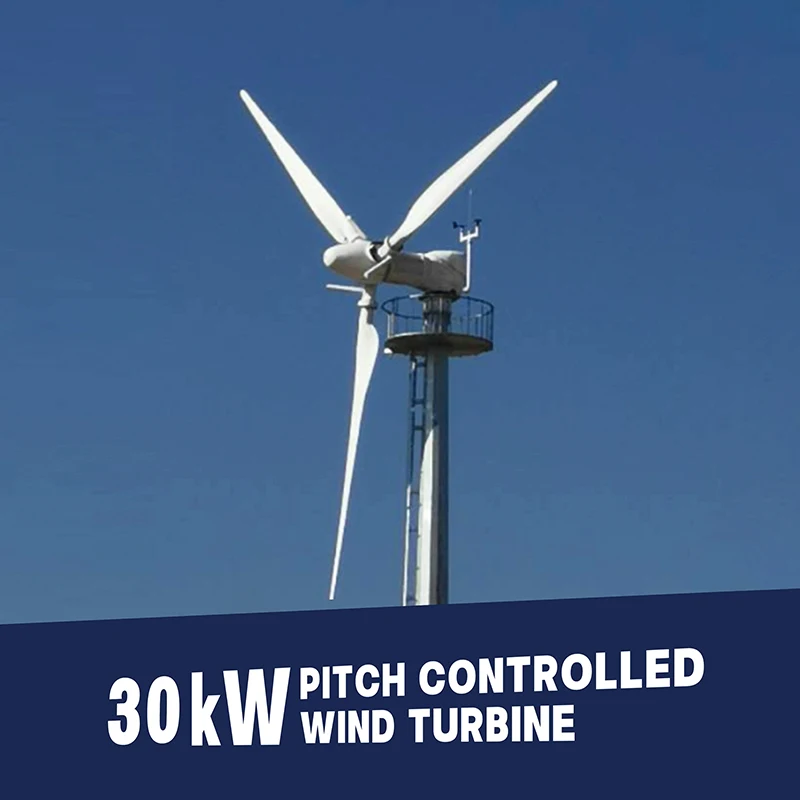
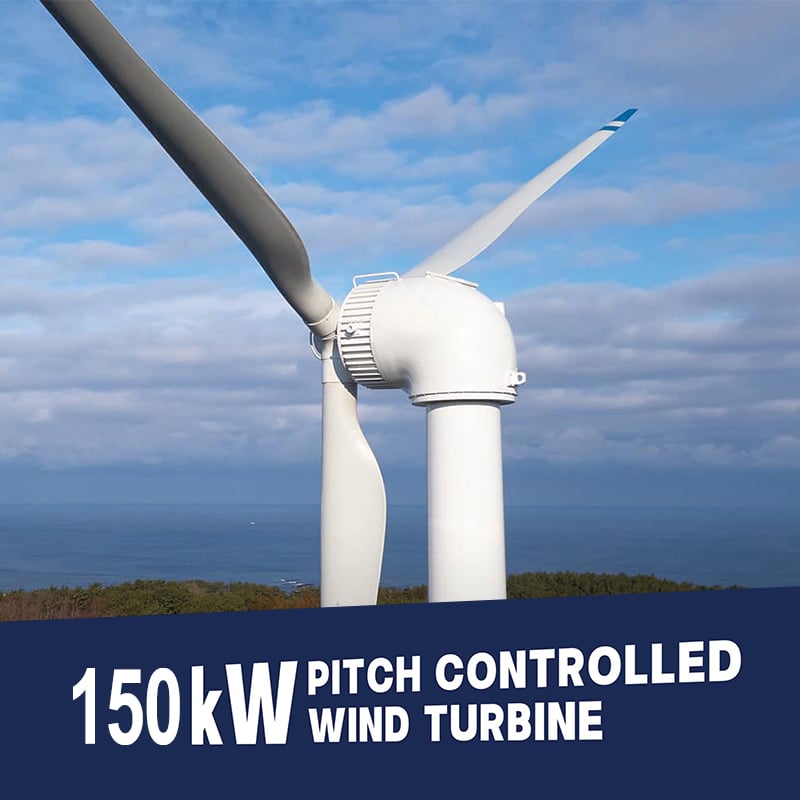
Wind turbine systems are an essential component of renewable energy solutions, particularly for decentralized power generation. The wind turbine 3 kW is ideal for a variety of applications ranging from residential homes to agricultural operations. This article aims to address the key considerations for purchasing and implementing a wind turbine, focusing on specifications, applications, installation, and common issues, ultimately guiding you through making an informed purchasing decision.
When assessing the specifications of a 3 kW wind turbine, several critical factors should be considered to ensure compatibility with your needs. Key specifications include:
Rated Power Output: The turbine's rated capacity should meet your energy requirements. A 3 kW turbine typically produces approximately 5,000 to 6,000 kWh annually, depending on wind conditions.
Cut-in Wind Speed: This is the minimum wind speed at which the turbine begins to generate power, usually around 3 to 4 m/s. A lower cut-in speed is preferable in areas with variable wind conditions.
Tower Height: The height of the tower significantly affects the energy capture. Taller towers access higher wind speeds and increase power generation. A minimum height of 10 to 15 meters is often recommended for optimal performance.
Rotor Diameter: Larger rotor diameters enhance energy capture by increasing the swept area. Typical rotor diameters for 3 kW turbines range from 3 to 5 meters.
Efficiency Rating: Look for turbines with high efficiency ratings, which indicate how effectively wind energy is converted into electrical energy. This can vary based on design and technology.
Durability and Materials: Consider the materials used in the turbine's construction, such as corrosion-resistant metals and high-grade composites, which ensure longevity and reduce maintenance.
Noise Level: For installations near residential areas, a lower decibel rating is crucial to minimize disturbance.
Understanding these specifications will help you assess whether a vertical wind turbine aligns with your energy needs and site conditions.
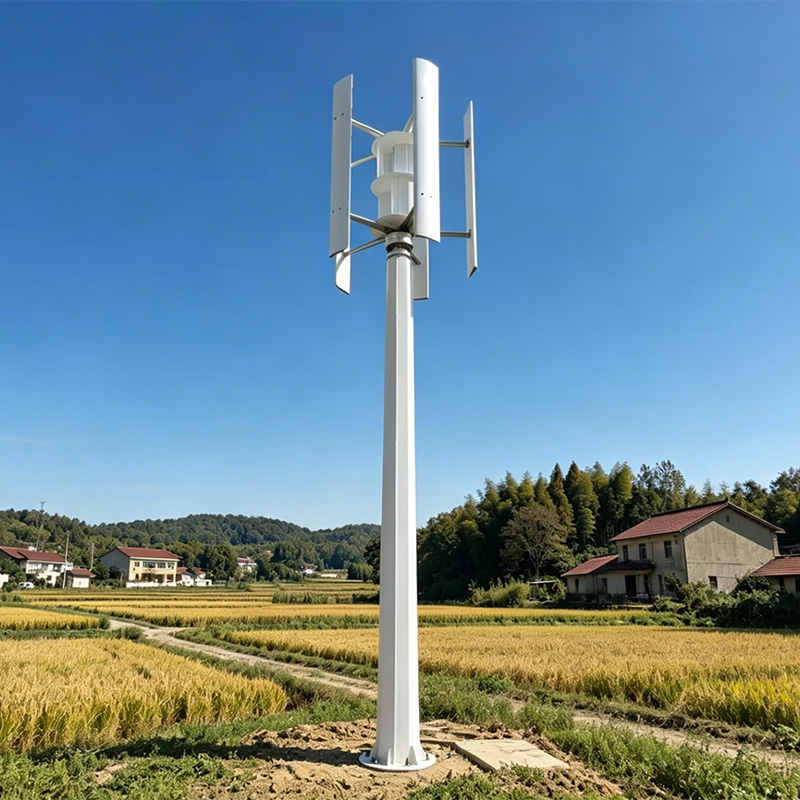
3 kW wind turbines are versatile and can be employed across various sectors:
Residential Use: Homeowners can install 3 kW turbines to supplement their energy supply, reduce electricity costs, and contribute to sustainability efforts.
Agriculture: Farms can utilize these turbines to power irrigation systems, livestock operations, and other equipment, enhancing energy independence and reducing operational costs.
Remote Power Stations: For off-grid applications, such as remote cabins or small communities, a 3 kW turbine can provide a reliable energy source when combined with solar systems or battery storage.
Telecommunication Towers: In remote areas where grid power is unavailable, these turbines can ensure continuous power for communication equipment, enhancing connectivity.
Industrial Applications: Small manufacturing facilities can utilize 3 kW turbines to offset energy costs and meet sustainability goals.
By understanding the diverse applications, buyers can target specific industries where they can maximize energy production and cost savings.
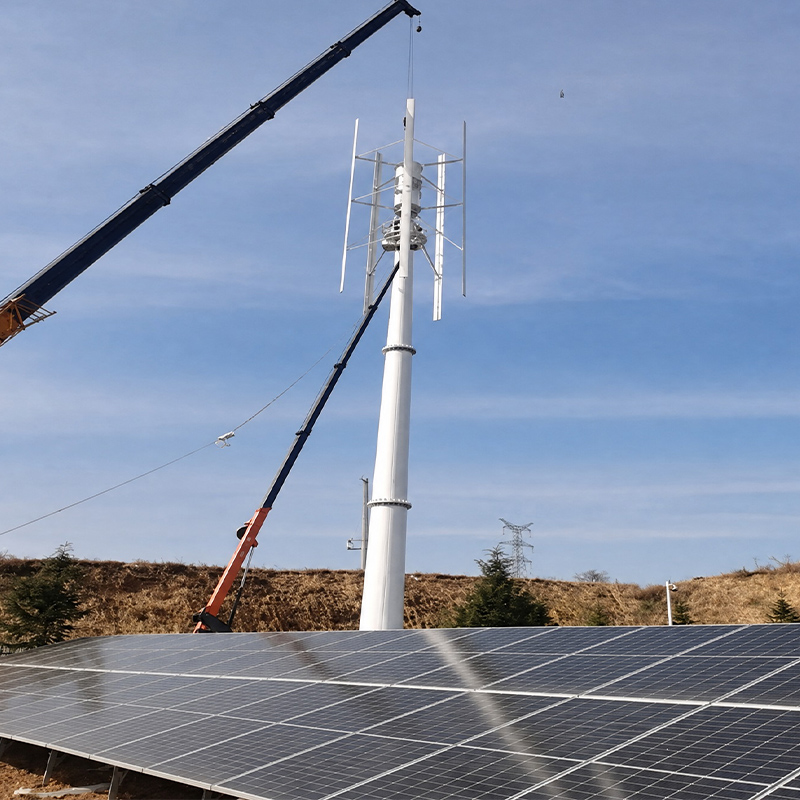
Proper installation is critical to the performance of a Jiangsu DHC 3 kW wind turbine. Here are some key considerations:
Site Assessment: Conduct a wind resource assessment to determine the average wind speed and direction. Ideally, use a wind gauge over a year to accurately predict performance.
Location: Install the turbine away from obstructions like buildings or trees that can block wind flow. A clear area with consistent wind patterns is ideal.
Foundation Requirements: The turbine's foundation must be robust enough to withstand strong winds. Concrete pads are commonly used, and local engineering guidelines should be followed.
Electrical Connections: Ensure that electrical connections comply with national and local codes. It's advisable to engage with certified electricians for this aspect of the installation.
Regular Maintenance: Establish a maintenance schedule to check the turbine's mechanical and electrical systems. Regular inspections help identify potential issues before they become serious problems.
Permitting and Regulations: Familiarize yourself with local regulations regarding wind turbine installations, including zoning laws and permitting processes.
By following these guidelines, you can ensure that your 3 kW wind turbine is installed for maximum efficiency and longevity.
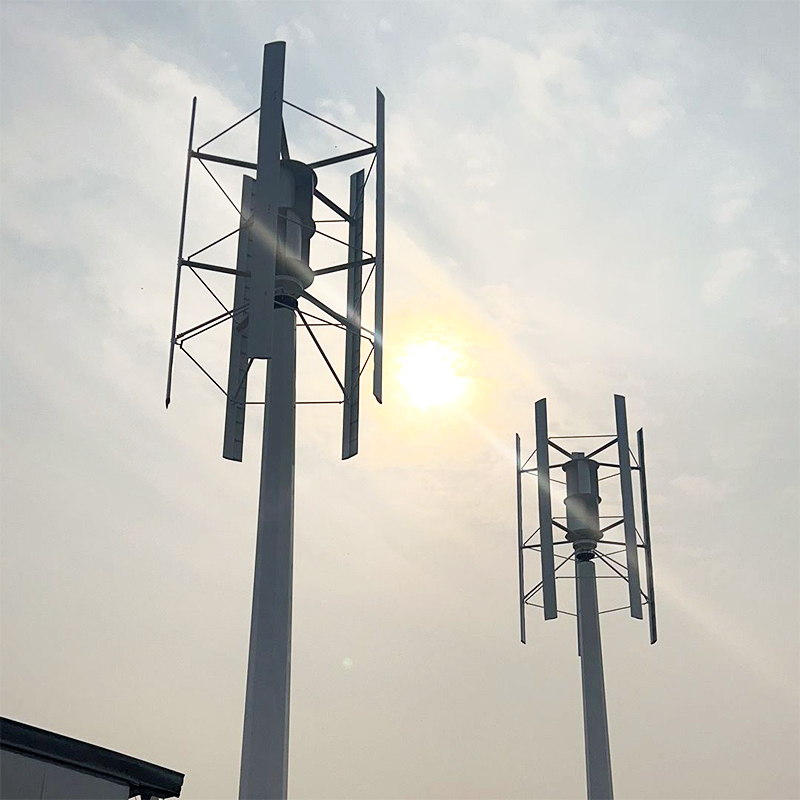
Before purchasing a Jiangsu DHC 3 kW wind turbine, buyers should consider several practical factors:
Quotation Details: When requesting a quote, provide necessary specifications such as power output, tower height, rotor diameter, and intended application. This information helps suppliers offer accurate pricing and recommendations.
Lead Times: Production and delivery times can vary significantly. Confirm lead times with the manufacturer, especially if you have tight project schedules.
Customization Options: Many manufacturers offer customization, such as different tower heights or rotor designs. Discuss these options early to tailor the product to your specific needs.
Minimum Order Quantity (MOQ): Understand the MOQ from suppliers, especially if considering bulk purchases or additional components like inverters or battery storage.
Quality Assurance: Ensure the manufacturer follows stringent quality control processes and has relevant certifications. Request documentation on quality tests and performance metrics.
Warranty and Support: Review the warranty terms and after-sales support offered by the supplier. A robust warranty can protect your investment and provide peace of mind.
Being well-informed about these aspects can significantly enhance your purchasing experience and ensure you select the right turbine for your needs.
main products include wind turbines, solar panels lifepo4 batteries. customers can receive all-in-one-shop solution the integration and design wind-solar hybrid smart photovoltaic systems. DHC is reliable supplier of products, 15kw wind turbine for home, after-sales support customers through the best delivery capabilities.
We dedicated to upholding integrity as cornerstone of our business, offering customers genuine power products expert services. In the case of wind turbines can pay attention is important to committed to keeping integrity as the cornerstone of business, offering customers the best power products as well as 5000w wind turbine services. Consider parameters such as blade diameter and wind turbine's weight when you evaluate wind turbines. We promise that all products manufactured by DHC have real power output without exaggerated power.
most renowned brand wind-powered hybrid power systems DHC the only company with own wind turbine factory that combines R D, design, production technical support. Since 2009, our founders have practiced the 2kw vertical wind turbine of environmental protection and have been immersed in the latest energy sources and have adhered the company's culture that focuses on "diligence and honesty, collaboration, and creativity." Our brand DHC is the consequence of this.
Solar wind energy systems are main focus. With Wind turbine chain management expertise integration capabilities, we are able provide customers with totally customized solutions. offer professional service throughout the day starting from design, production and after-sales.
While Jiangsu DHC wind turbines are generally reliable, they can encounter specific issues. Here are common problems and their solutions:
Low Energy Production: If the turbine is underperforming, re-evaluate the site’s wind conditions. Adjustments to the turbine’s height or rotor design may be necessary to capture more wind energy.
Mechanical Failures: Regular maintenance is crucial to prevent mechanical issues. Lubricate moving parts and inspect for wear and tear consistently.
Electrical Issues: Problems with electrical connections can lead to system failures. Ensure that all wiring is secure and free from damage, and conduct regular checks on the inverter and battery systems.
Noise Complaints: If noise levels are higher than expected, consider installing sound dampening materials or relocating the turbine to a less populated area.
Regulatory Compliance: Ensure ongoing compliance with local regulations. Changes in laws may necessitate adjustments to your installation or operation.
Weather-Related Damage: Severe weather can pose risks to wind turbines. Ensure the turbine is designed to withstand local climatic conditions and conduct inspections after storms.
By proactively addressing these issues, buyers can enhance the reliability and efficiency of their wind turbine and generator operations.
understanding the specifications, applications, installation requirements, and potential problems associated with 3 kW wind turbines is essential for making informed purchasing decisions. With careful evaluation and planning, these turbines can significantly contribute to energy independence and sustainability across various sectors.
Welcome to DHC, the top brand of wind solar hybrid power system! We provide innovative and effective new energy solutions including wind turbine, solar panel, lifepo4 battery, etc.




 EN