
Rooftop wind turbines are an innovative solution for harnessing renewable energy directly from urban and suburban settings. As companies increasingly focus on sustainability, the demand for efficient and reliable wind turbine systems has surged. Key concerns for B2B buyers typically revolve around power output capabilities, installation requirements, and the overall cost-effectiveness of integrating these systems into existing infrastructures. This article will guide you through the essential specifications to consider when evaluating rooftop wind turbines, where to source them, wholesale purchasing factors, cost considerations, and installation guidance to optimize performance.
When assessing rooftop wind turbines, several key specifications must be considered to ensure optimal performance and compatibility with your specific application.
Rated Power Output: This specification indicates the maximum power the turbine can generate under ideal wind conditions. Buyers should evaluate the expected average wind speed in their location and select a turbine that can meet their energy needs based on this data.
Cut-in and Cut-out Wind Speeds: These values define the wind speed range at which the turbine begins to generate power and when it shuts down to prevent damage, respectively. A turbine with a lower cut-in speed can start generating energy in light winds, which is beneficial in areas with variable wind conditions.
Blades and Material Quality: The design and material of the blades significantly impact efficiency and durability. Turbines made from high-strength, lightweight materials like fiberglass or carbon fiber tend to perform better and have a longer lifespan, reducing long-term maintenance costs.
Height and Rotor Diameter: The overall height of the turbine and the diameter of the rotor affect energy capture. Taller turbines with larger rotor diameters can harness more wind energy, which is critical for maximizing output.
Noise Levels: For urban installations, noise can be a concern. Evaluating turbine noise levels during operation can help avoid complaints from neighbors and ensure compliance with local regulations.
Understanding these specifications will enable buyers to make informed decisions that align with their energy goals and site-specific conditions.
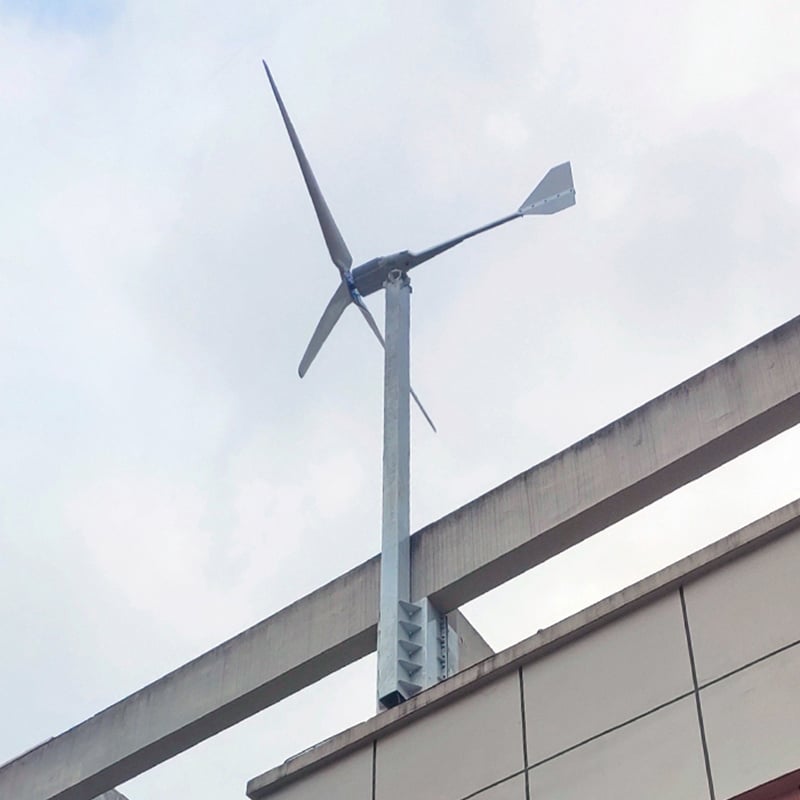
Finding dependable suppliers for rooftop wind turbines is crucial for ensuring product quality and support. Start by researching reputable manufacturers with a strong track record in renewable energy products. Industry trade shows and expos can provide opportunities to meet suppliers face-to-face, allowing for firsthand evaluations of their product offerings and capabilities. Consider checking out options like Small Archimedes Wind Turbine Wind Mill for Home to see various turbine designs and their performance in real-world applications.
Online platforms like industry directories and B2B marketplaces can also connect buyers with manufacturers. Look for suppliers with positive reviews, detailed product specifications, and case studies that showcase their experience in similar projects. Additionally, it is beneficial to inquire about their supply chain partnerships to understand how they source materials and maintain quality control throughout the production process.
Lastly, consider suppliers that offer customization options, as this can help tailor the wind turbine to specific energy requirements and installation conditions.
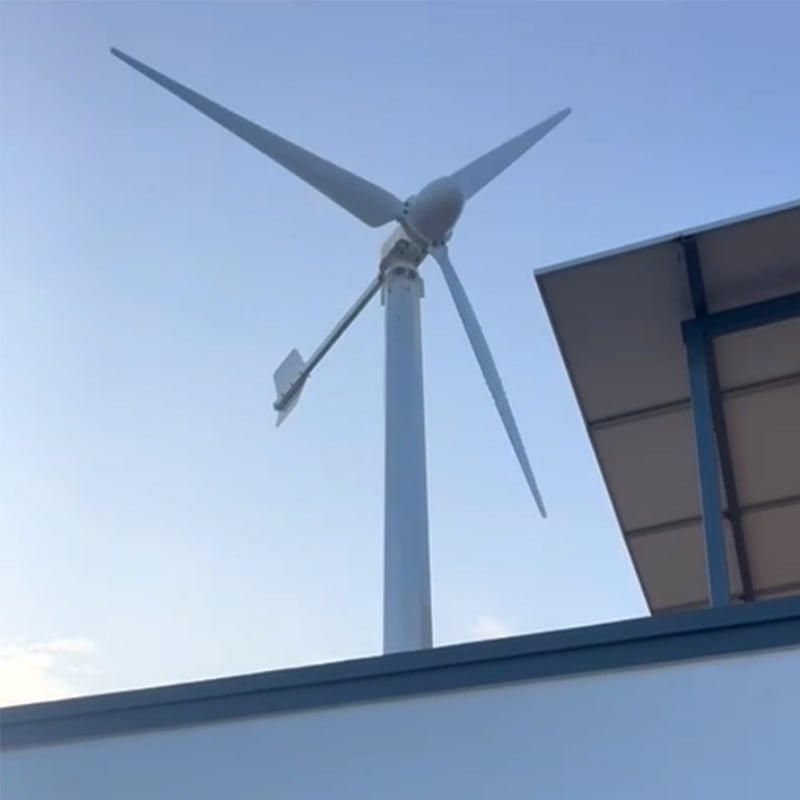
When contemplating wholesale purchases of rooftop wind turbines, several considerations come into play:
Minimum Order Quantity (MOQ): Different suppliers have varying MOQs, which can significantly affect your purchasing strategy. Ensure the MOQ aligns with your project size and budget.
Lead Times: Understand the lead times for production and delivery to avoid project delays. Factors such as customization, material availability, and manufacturing capacity can impact these timelines.
Bulk Pricing: Inquire about bulk pricing discounts and payment terms, as purchasing larger quantities can often lead to significant cost savings. Also, consider looking into Residential 3kW PVT Solar Panel 2kW Wind Turbine 6P Air Source Heat Pump System for bundled offers that can enhance your renewable energy setup.
After-Sales Support: Consider the level of support offered post-purchase, including installation assistance, maintenance training, and warranty terms. A supplier that provides robust after-sales support can significantly ease the integration process.
Quality Assurance: Request information on the supplier’s quality control processes, including any certifications that might assure you of their product reliability.
These considerations will help ensure that your wholesale purchase aligns with your operational needs and budget constraints.
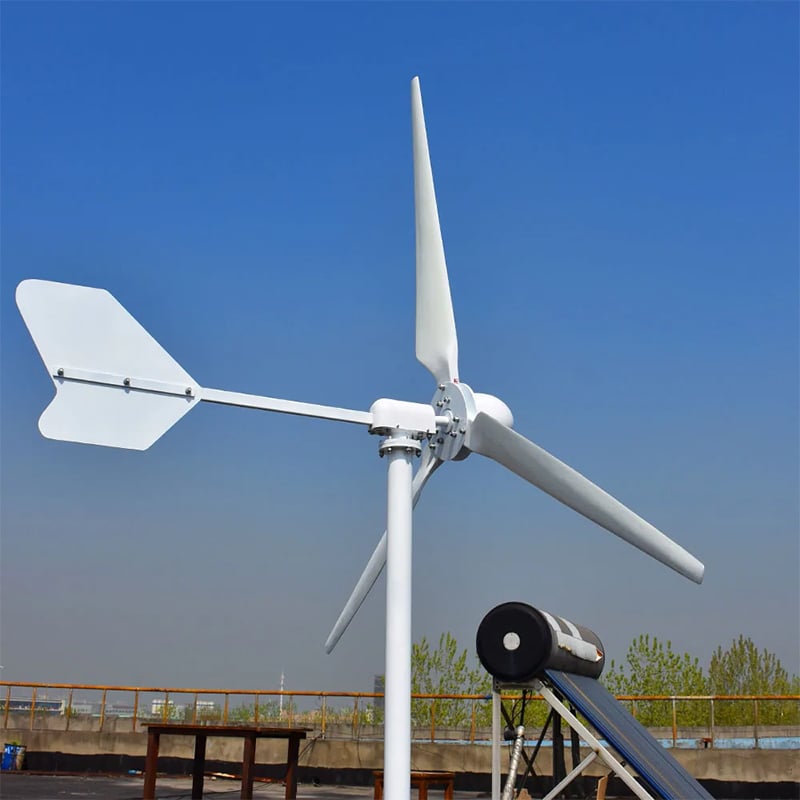
The cost of rooftop wind turbines can vary widely based on several factors:
Turbine Specifications: Higher-rated turbines with advanced features typically come at a premium. However, investing in a more efficient turbine can lead to greater long-term savings through increased energy production.
Installation Costs: Installation can significantly impact the total cost. Consider the complexity of the installation process, which may require professional assistance, and factor in these costs during your budgeting.
Maintenance Expenses: Evaluate the long-term maintenance requirements associated with different turbine models. Turbines with higher-quality materials and designs may incur lower maintenance costs over time.
Incentives and Rebates: Investigate available government incentives or rebates for renewable energy installations in your region. These can help offset initial costs and improve the return on investment.
Financing Options: Some manufacturers or suppliers may offer financing solutions that can ease the upfront financial burden, allowing for a smoother cash flow while transitioning to renewable energy sources.
By carefully analyzing these cost factors, buyers can make more informed decisions that align with their financial goals while maximizing energy efficiency.
We're dedicated meeting commercial domestic electric power needs using wind/solar system. With professional supply chain management integration capabilities, can provide our customers with completely 2kw vertical wind turbine solutions. will only need know your exact needs from design, production, to after-sales support, will provide you with real-time professional assistance throughout day.
primary products wind turbines, solar panels and lifepo4 batteries. customers will receive a one-stop-shop service the integration and Wind turbine a wind-solar hybrid as well as smart photovoltaic system. DHC provides reliable products, technologies, and after-sales service to customers with excellent delivery capability.
As leading brand wind-powered hybrid power systems DHC is only company with its own wind turbine factory, which combines R D, design, production, technical services. Since 2009 founders have embraced the idea of protecting the environment, immersed new technologies, and Wind turbine for home 5kw by the corporate values that focuses "diligence and integrity, as well as cooperation and creativity." This is also the origin of our name "DHC".
Our commitment integrity the foundation of our business. We provide genuine power products and provide skilled service. Regarding wind turbines can pay attention is important to committed to preserving integrity as the primary goal of our enterprise, and we offer customers real power products and professional services. It is possible to consider factors such as blade diameter as well as wind turbine weight when Wind turbine for home 5kw wind turbines. We ensure that all products made by DHC are based on actual power output and not overinflated power.
Proper installation is critical for maximizing the performance of rooftop wind turbines. Here are key considerations to keep in mind:
Site Assessment: Conduct a thorough site assessment to determine wind patterns and potential obstructions that could affect turbine efficiency. The ideal installation site will have consistent wind flow and minimal turbulence.
Structural Requirements: Ensure that the rooftop structure can support the weight and vibration of the turbine. Consulting with a structural engineer may be necessary to confirm safety and compliance with local building codes.
Mounting Solutions: Choose appropriate mounting solutions that can withstand high winds and harsh weather conditions. The mounting system should be robust and compatible with the specific turbine being installed.
Electrical Connections: Properly configure electrical connections to ensure optimal energy transfer to the grid or battery systems. Engaging a qualified electrician can help prevent issues related to wiring and connectivity.
Testing and Monitoring: Once installed, conduct thorough testing to ensure the system operates as intended. Implement monitoring systems to track performance and identify potential issues early. Utilizing a system like 10Kw 20Kw 30Kw Small Water Turbine Micro Hydro Generator can help in efficient energy management.
By following these installation guidelines, buyers can ensure that their rooftop wind turbines operate efficiently and reliably, contributing to their renewable energy objectives.
Welcome to DHC, the top brand of wind solar hybrid power system! We provide innovative and effective new energy solutions including wind turbine, solar panel, lifepo4 battery, etc.






 EN