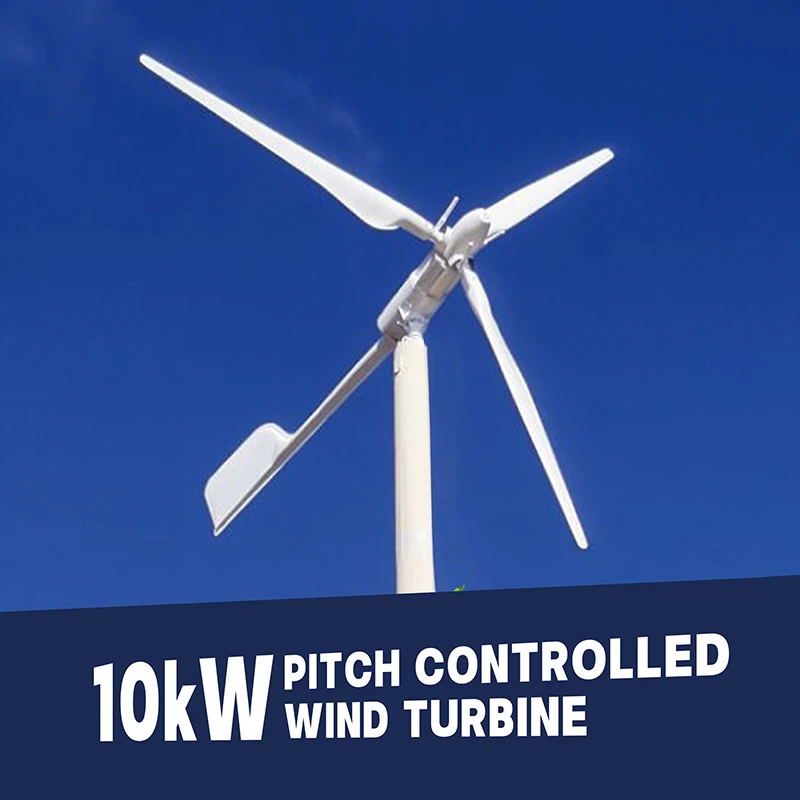
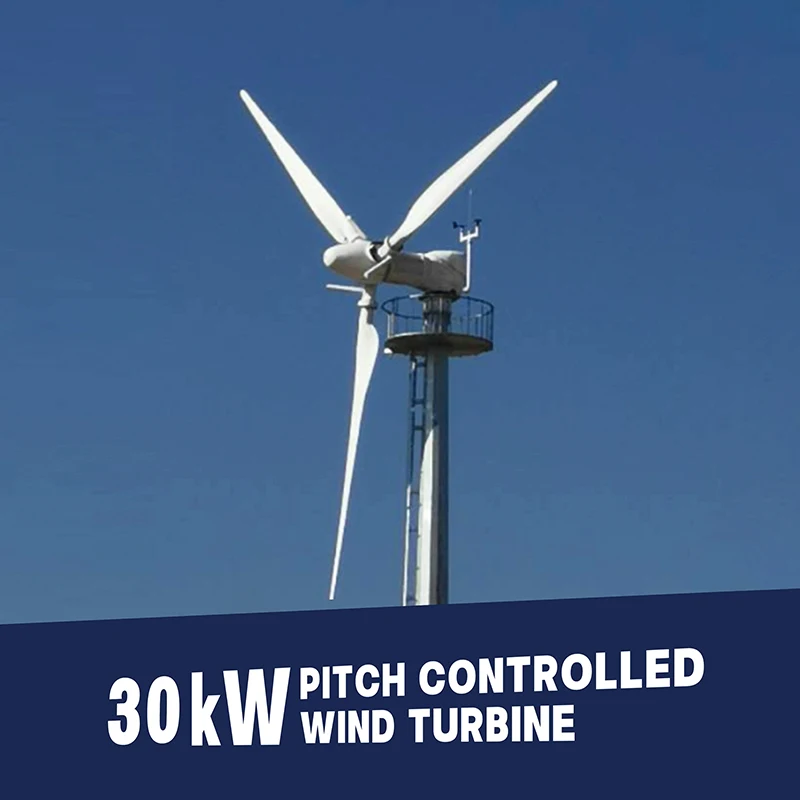
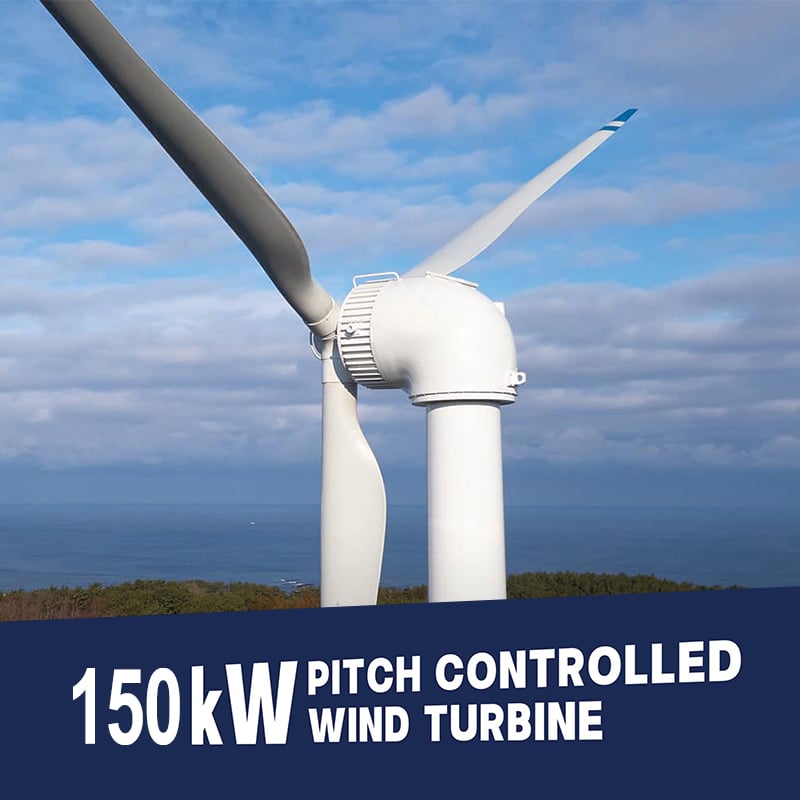
Installing a wind turbine on a rooftop is an innovative approach to harnessing renewable energy, especially in urban or space-constrained environments. As a B2B buyer, you might be considering the potential benefits and challenges of this installation. This article will address key factors such as product selection, sourcing quality turbines, cost considerations, installation challenges, and various applications across industries. With insights from Jiangsu DHC Environmental Si-Tech Co., Ltd., a leader in renewable energy solutions, you can make informed decisions for your wind turbine generator projects.
Selecting the appropriate wind turbine for your rooftop involves several considerations. First, assess the wind profile of your location. Wind speed and direction significantly influence turbine performance. Turbines are generally rated for specific wind conditions; understanding this will help you choose a model that maximizes energy output.
Next, consider the turbine's size and design. Rooftop wind turbines come in various sizes, from small units suitable for residential buildings to larger models designed for commercial use. Ensure that the turbine's dimensions fit your rooftop space and that it complies with local zoning regulations.
Additionally, examine the turbine's efficiency ratings and power output specifications. A turbine's ability to convert wind energy into electricity is crucial, as higher efficiency translates to better energy production. Consulting with manufacturers like Jiangsu DHC can provide valuable insights into the performance metrics of different models.
Lastly, think about noise levels and aesthetic factors. Some turbines can generate noise that may be disruptive in residential areas. Choosing a quieter, more visually appealing design may enhance acceptance among stakeholders.
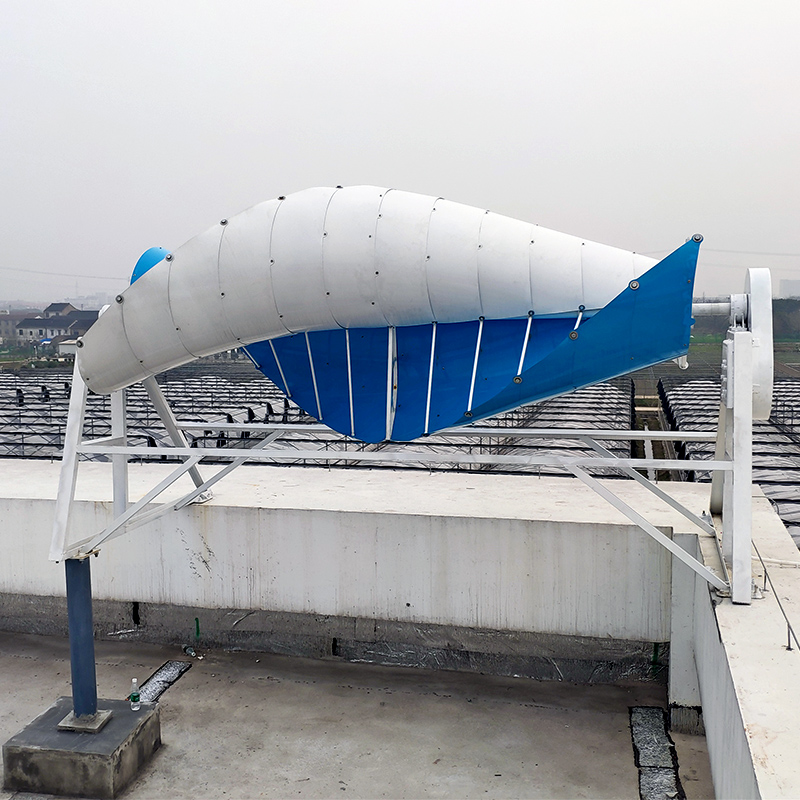
When sourcing rooftop wind turbines, prioritize suppliers with a proven track record in renewable energy technologies. Look for manufacturers that offer robust warranties and after-sales support, as these are indicators of product reliability and quality assurance.
Consider the materials used in manufacturing the turbines. High-quality materials such as corrosion-resistant alloys or durable composites can enhance the longevity and performance of the turbines. It's also beneficial to review the manufacturing processes employed by suppliers. A reputable company, like Jiangsu DHC, typically adheres to strict quality control measures, ensuring that each unit meets industry standards.
Request samples or reference installations to better understand the supplier's capabilities. This hands-on approach allows you to evaluate the quality and performance of the vertical wind turbine in real-world conditions before making a significant investment.
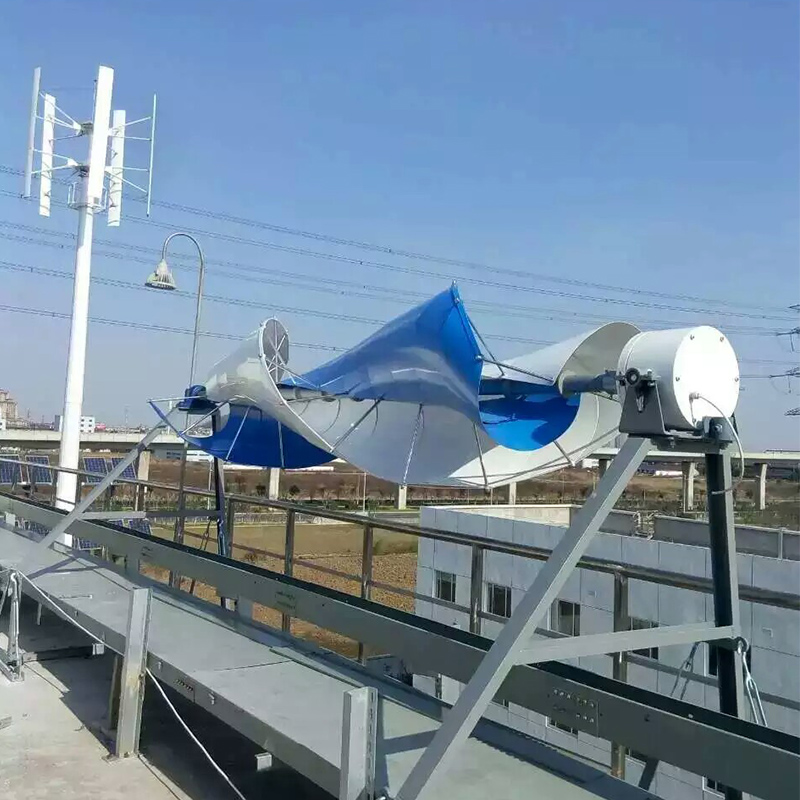
The cost of installing a rooftop wind turbine encompasses several factors, including the turbine price, installation expenses, and ongoing maintenance costs. Typically, the initial investment includes the purchase of the turbine, necessary mounting equipment, and labor for installation.
When evaluating costs, consider the total lifecycle cost—this includes not only the initial outlay but also maintenance and operational costs over the turbine's lifespan. A more efficient turbine may have a higher upfront cost but could lead to greater savings in energy bills over time.
Don’t forget to factor in potential incentives or rebates available for renewable energy installations. Many regions offer financial incentives for adopting clean energy technologies, which can significantly offset initial costs.
Lastly, clarify your budget with suppliers upfront. Providing details such as expected energy output, installation site conditions, and any customization needs can help manufacturers offer more accurate quotations.
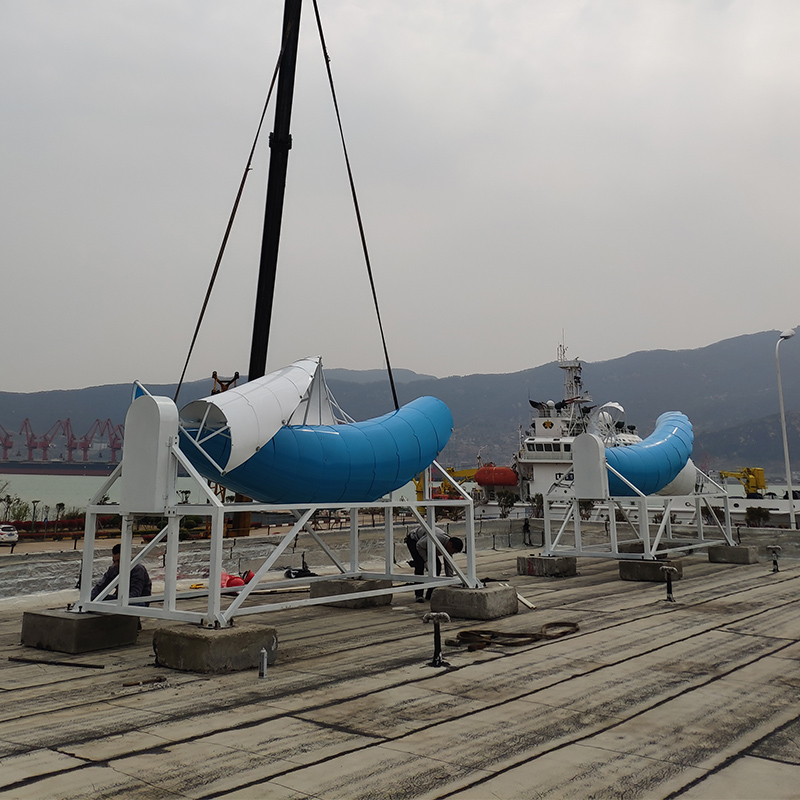
Installing a rooftop wind turbine can present unique challenges. One common issue is ensuring that the building structure can support the added weight and dynamic loads imposed by the turbine. Before proceeding, consult with structural engineers to evaluate the building's capacity for such installations.
Another challenge is the placement of the horizontal and vertical wind turbine to optimize wind capture. Turbines should ideally be installed above any obstructions, such as parapets or nearby buildings, which can create turbulence and reduce efficiency. Site assessments and wind mapping studies can help determine the best location.
Additionally, regulatory compliance can be a hurdle. Local building codes and zoning laws may impose restrictions on turbine height, noise levels, and installation processes. Engaging with local authorities early in the planning process can help navigate these challenges.
Finally, weather conditions during installation can impact the project timeline. High winds or adverse weather can delay the installation process. It’s crucial to have a flexible schedule and a reliable contractor who can adapt to changing conditions.
Wind solar energy wind turbine generator our primary focus. We can provide customers with customized solutions with professional capability of managing supply chains as well as ability integrate. Tell us what want to achieve. needs, from de sign, manufacturing, through after-sales and more, will offer you real-time professional support throughout the day.
main products include wind turbines, solar panels lifepo4 batteries. customers can receive all-in-one-shop solution the integration and design wind-solar hybrid smart photovoltaic systems. DHC is reliable supplier of products, 15kw wind turbine for home, after-sales support customers through the best delivery capabilities.
Integrity the cornerstone of company. offer real power solutions offer an expert service. {When it comes to wind turbines, {you can pay attention it is important to Integrity is the foundation our company. We offer real power equipment, as well as skilled service. You can consider parameters like blade diameter as well as wind you should pay attention aspects like blade's diameter as well as weight. promise that all products produced by DHC come with wind turbine generator power output and not overinflated power.
DHC the market leader in hybrid wind solar power systems. has its own manufacturing facility that integrates R D and production, design technical support. Since 2009 founders of DHC have been implementing the concept of environmental protection and have been immersed the latest technology and embraced the corporate wind turbine generator that focuses on "diligence and integrity, collaboration and innovation." This is also the basis of our brand "DHC".
Rooftop wind turbines are versatile and can be utilized in a variety of industries. In the commercial sector, they can significantly reduce energy costs for warehouses, factories, and retail establishments by generating on-site renewable energy. This not only lowers electricity expenses but also enhances corporate sustainability profiles.
In residential applications, homeowners increasingly adopt rooftop wind turbines to supplement energy needs, particularly in areas with favorable wind conditions. This can lead to reduced reliance on the grid and lower energy bills.
Agricultural operations can also benefit from rooftop wind turbines. They can power equipment, irrigation systems, and other energy-intensive processes, supporting farmers' efforts to reduce costs and promote sustainable practices.
Moreover, in urban development, integrating rooftop wind turbines into new construction projects can contribute to smart city initiatives, promoting energy independence and sustainability in densely populated areas.
By understanding the various applications of rooftop wind turbines, you can better assess how they fit into your specific project needs and industry requirements.
In summary, selecting and installing a wind turbine on a rooftop involves careful consideration of various factors, from initial sourcing to installation challenges. By leveraging the insights provided, you'll be better equipped to make informed decisions that align with your energy goals.
Welcome to DHC, the top brand of wind solar hybrid power system! We provide innovative and effective new energy solutions including wind turbine, solar panel, lifepo4 battery, etc.




 EN