EN
EN


Are Longer Wind Turbine Blades Always Better?
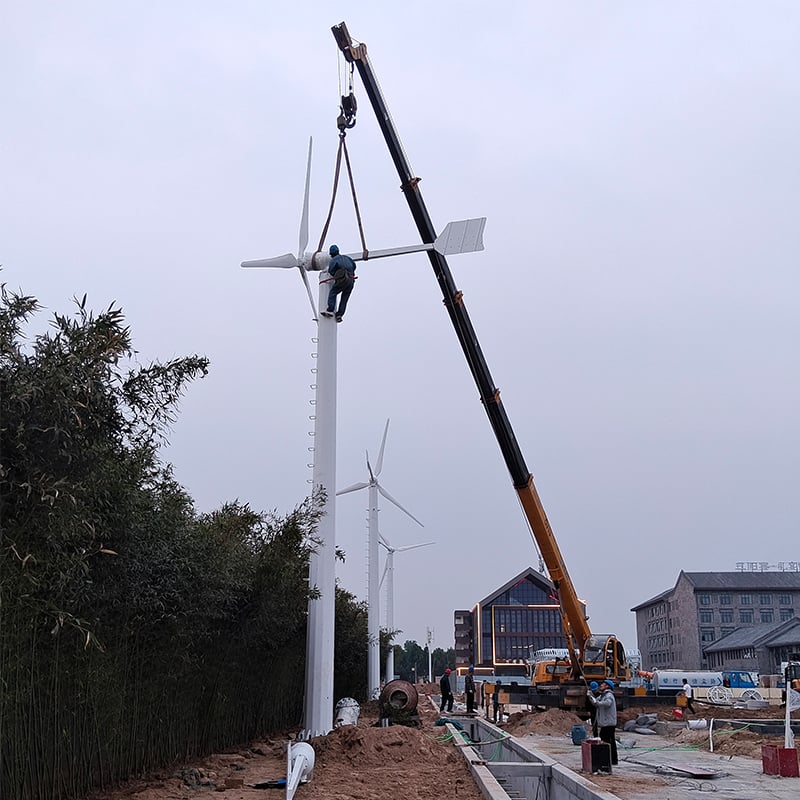
Customers often ask us: Can the blades of wind turbines be made longer? Will making the blades longer increase the efficiency of power generation? Today, let's discuss this issue.
Theoretically speaking, the longer the blades of a wind turbine, the larger the swept area when it rotates. In theory, it can indeed capture more wind energy. For instance, if the length of the blade is increased from 9 meters to 10 meters, the area swept by the blade will approximately increase by 20% to 30%, and theoretically, the power generation capacity could potentially increase by around 40%.
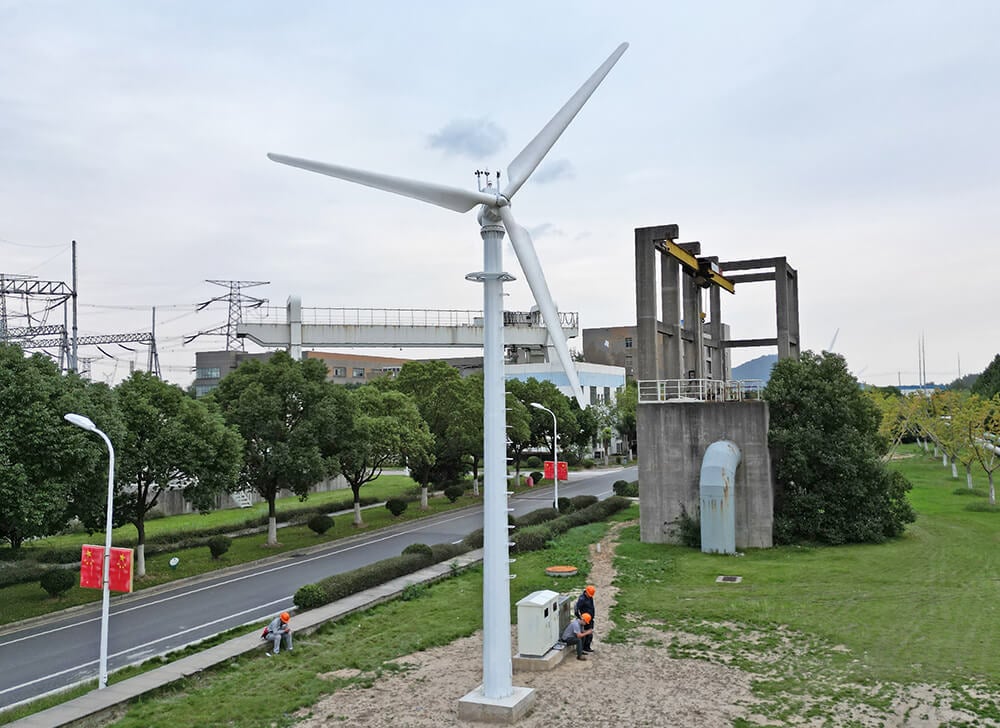
However, in practical applications, the blades of wind turbines cannot be arbitrarily lengthened. Firstly, overly long blades will result in excessively high tip speeds. If they exceed the optimal design range, the aerodynamic efficiency will decrease, and the final power output will not actually decrease. Longer blades are also more prone to the phenomenon of airflow separation, thereby increasing the resistance of the blade rotation and reducing the overall aerodynamic performance.
In addition, longer blades will generate a larger wake area during rotation, affecting the operating environment of subsequent blades, thereby reducing the overall efficiency of the wind turbine.
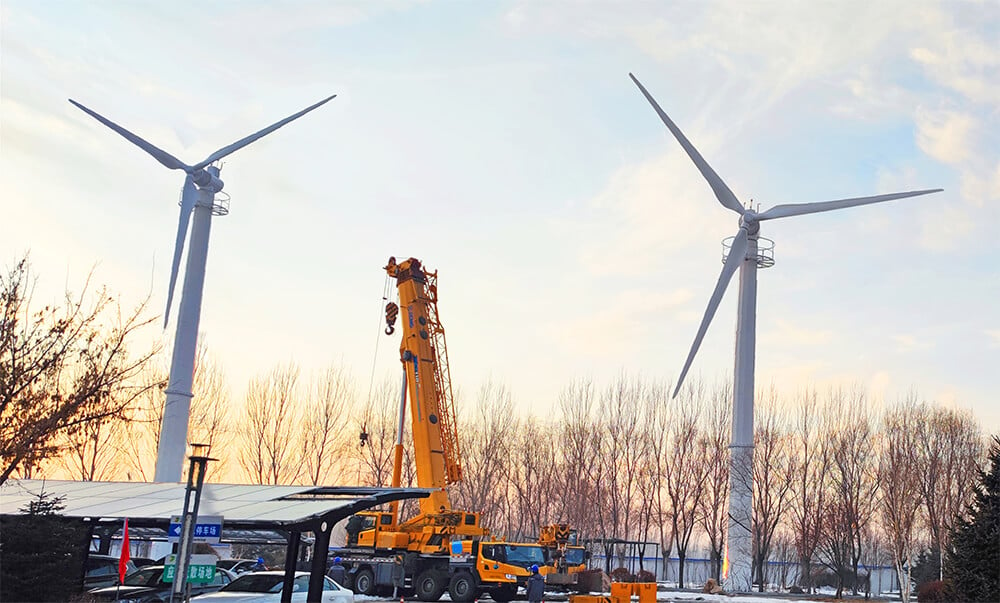
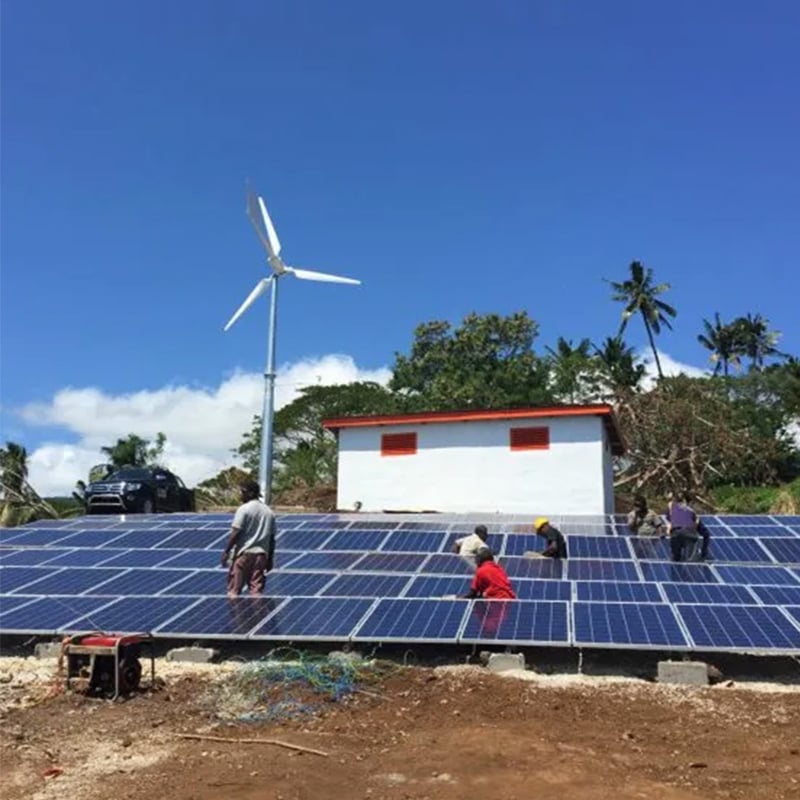
The length of the blades is often also affected by the wind speed conditions in the installation area.
In low wind speed regions, when choosing wind turbines, the blades can be appropriately lengthened, which can better capture wind energy and improve power generation efficiency. In high wind speed regions, long blades will instead generate greater mechanical loads, requiring frequent reinforcement or component replacement in the future, thereby increasing maintenance costs. In such cases, it is more suitable for the wind turbines' blades to be shorter, and the entire machine will be more stable.
In addition, the longer the blade, the greater the inertia, and a more precise control system is needed to maintain the optimal operating state, which will also increase the cost in this aspect.
Conclusion
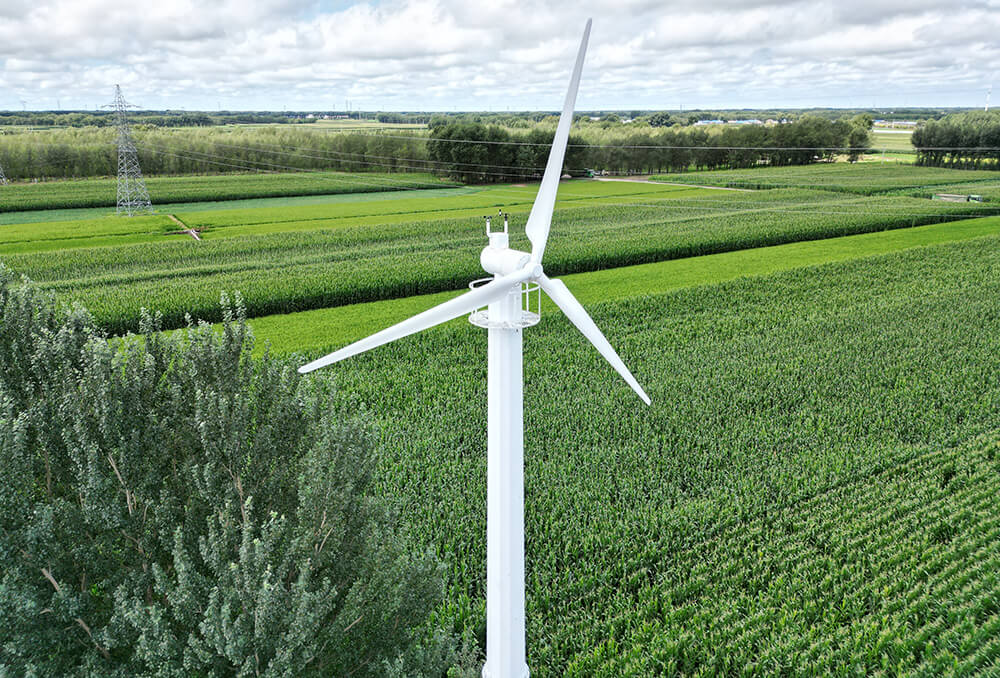
The selection of the wind turbine blade length should be determined based on the local average annual wind speed, the topographical features of the installation site, and the grid demand. Do not blindly pursue longer blades.