EN
EN

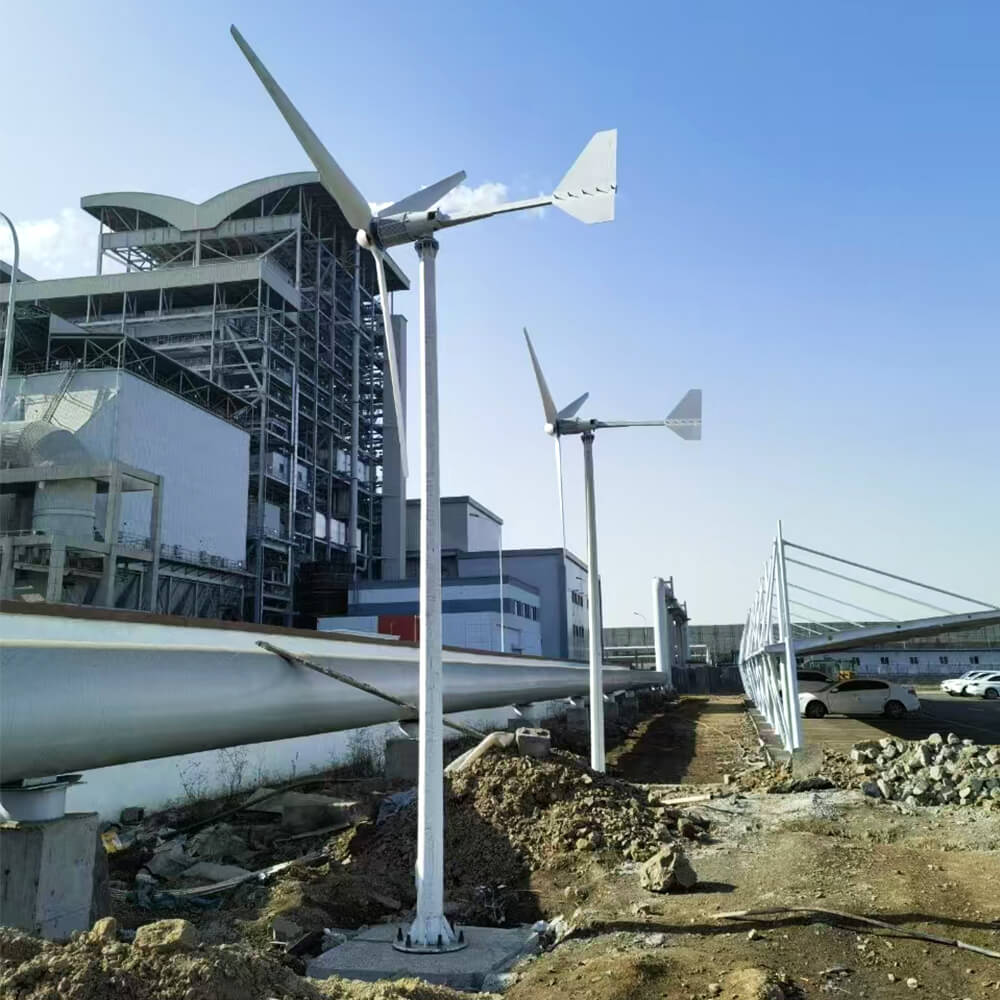
My wind turbine will give me an amazing power bill and make it easy to escape from the grid for ever? Actually, it can work, but in reality, it is very uncommon this would be your cheaper or best option. Take a look at what experts say as well as how it actually works for people now.
The Real-World Output of Small Wind Turbines
Various studies and analysis put actual performance levels far below the theoretical potential depending on the location. In one example simulating the performance of a 3 kW turbine in three geographically separate locations (Lebanon, Germany and Australia), a research report came up with figures from as little as 7,527 kWh per year in Lebanon, to as high as 10,657 kWh per year in Germany.
To give you an idea of scale: average U.S. household energy use is between 10,500 and 11,000 kWh per year. Under most ideal circumstances, one turbine could supply your electricity needs. One off-grid rural Alaska family of four with an at-home wind turbine estimated the turbine’s output at about 85 kWh per month, which works out to about 1,020 kWh per year-just a sliver of household use. That just goes to show how variable these outputs are; unless you live somewhere where the wind averaged at 5 meters per second (11 mph), output is greatly diminished.
Why the Economics Are Challenging?
Perhaps the greatest financial argument against a full grid replacement is that of overall cost. To install an average-sized residential wind turbine would set the homeowner back somewhere between $1,000 and $3,000 per kilowatt of turbine size, which Project Drawdown places as having a levelized cost of electricity of $0.28/kWh over double that of solar ($0.12/kWh).
A 2.5 kW Skystream turbine in rural Alaska runs about $4,000 installed, and it does bring down fuel costs to diesel communities, but there are still pay back periods and maintenance issues. To become completely energy independent for the average family, your turbine would have to be sized to meet the energy demand for the worst-case- several days with little wind, and that makes the cost exorbitant.
The Practical Need for Hybrid Systems
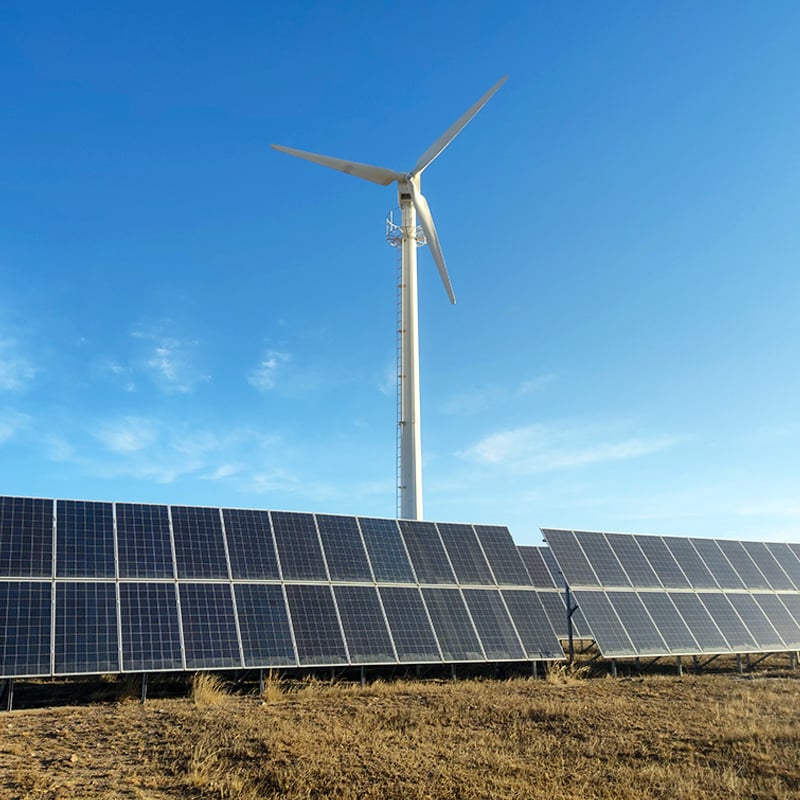
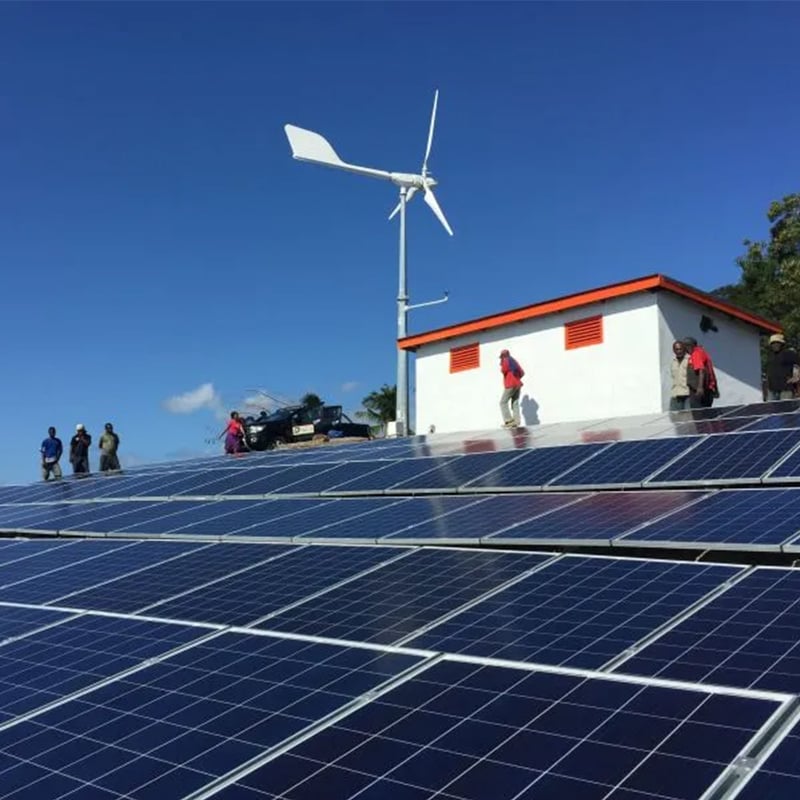
This naturally brings about the most practical conclusion of all, that is, wind turbines will be a component of the hybrid system rather than an alternative one. Study after study shows that hybrid wind, solar and battery storage are the most cost-effective and most reliable.
According to one study, adding a hybrid PV-wind with batteries to a system could decrease grid import energy by more than 50% (72% renewable self sufficiency). While this isn't a complete move off-grid, it shows significant reduction in dependence on the grid can definitely be achieved. A grid-connected PV-wind hybrid system could also be exporting as much as 76% of their total energy to the grid and still satisfy the home's needs. This allows up to 89% to 90% renewable share of energy.
Conclusion: Complement, Not Replace
Simply harnessing the wind probably wont make a lot of people totally grid independent though. The wind turbine makes an effective element of a more diverse power strategy combining a number of renewable resources. Home owners wanting self-sufficiency will most likely be considering some combination of the following, using either wind and solar to generate power and stored into battery arrays.
The best thing to do is assess what energy you’re currently consuming in your home before you jump into wind. The most appropriate option for most households will be a hybrid system that combines solar and batteries with the wind to take advantage of local resources, This is also to reduce their reliance on the grid and while it’s not going to promise them independence from the grid.