EN
EN

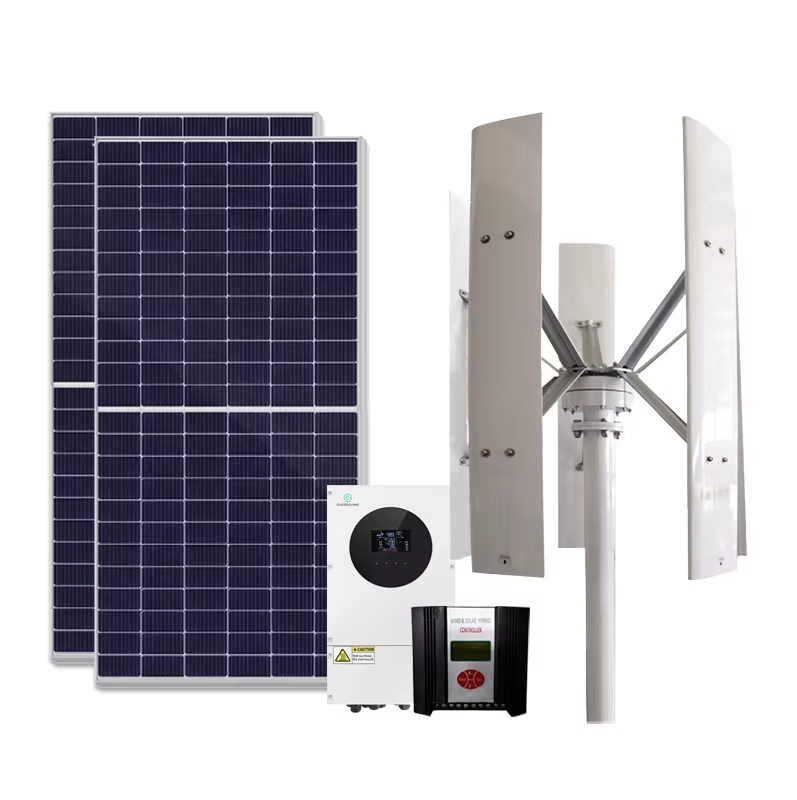
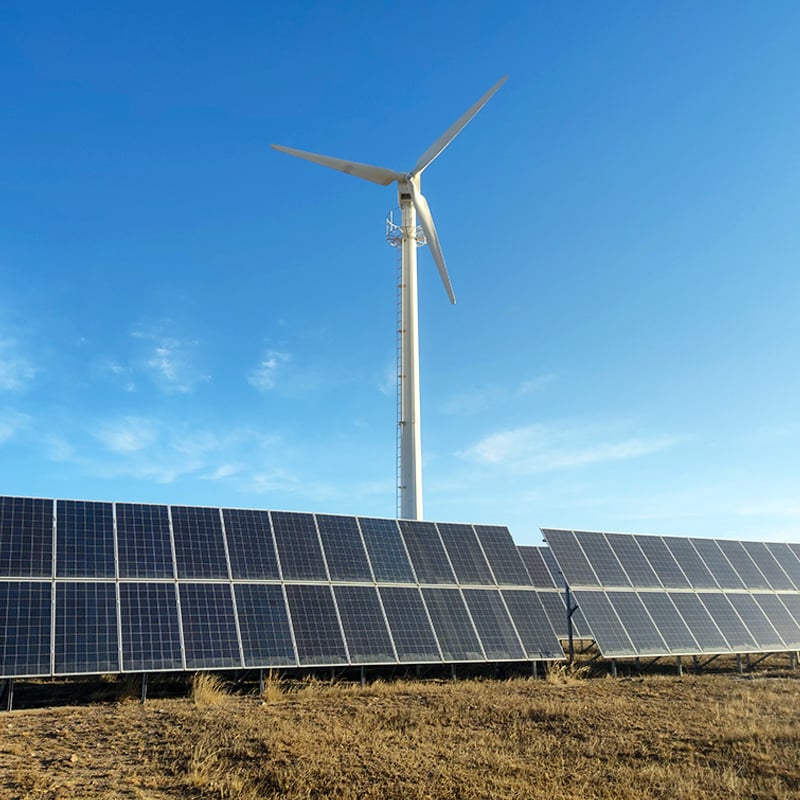
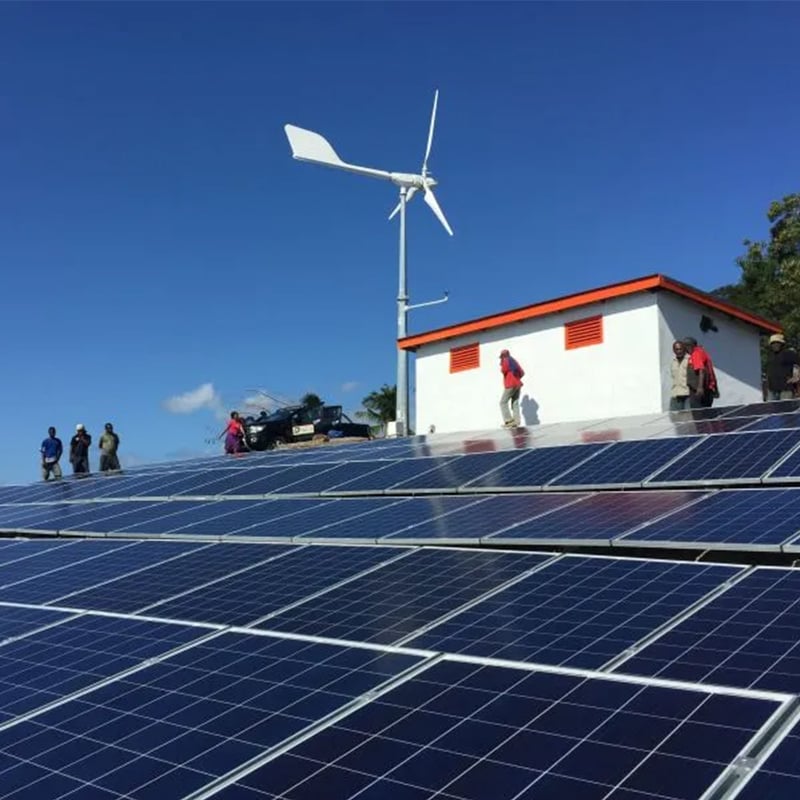
Zero electric bills, what a cool and viable concept that can also help you get the same with zero electric bills. And while that will not eliminate you off the grid completely with Solar panels there is a bit of snag with them and that is they are useless in dark or gloomy days. But since they combined solar energy and wind power, you have got a near perfect solution to energy independence, and as one falters the other comes in to deliver a lot more. Invest a little in the hybrid power source system and you shall have zero electricity bills.
How Wind and Solar Complement Each Other
In sunny weather, solar power performs well while in windy weather, wind power performs well. The major advantage of using hybrid systems is that both forms complement each other in performance. Solar cells perform well when there is a lot of sunlight. On the other hand, wind farms work well in areas where there is cold weather or higher winds. This will ensure that homeowners will always get their energy.
A grid connected solar-wind hybrid system has been studied to be able to provide renewable energy share in the range of 89.5% to 90.1%, while exporting about 76.5% to 76.7% of the total electricity generated to the grid. The total production of renewable energy, which is in excess of what the building uses in a typical year, is very large and can be sold back to the utility providing the system.
The PV+WET integration has been demonstrated to significantly reduce the NPCO and LCOE of wind power. At sites with wind favourable conditions, a wind turbine can satisfy energy needs for the year, but normally PV would be the base technology because the cost of wind turbines is quite high.
Key Components of a Zero-Bill System
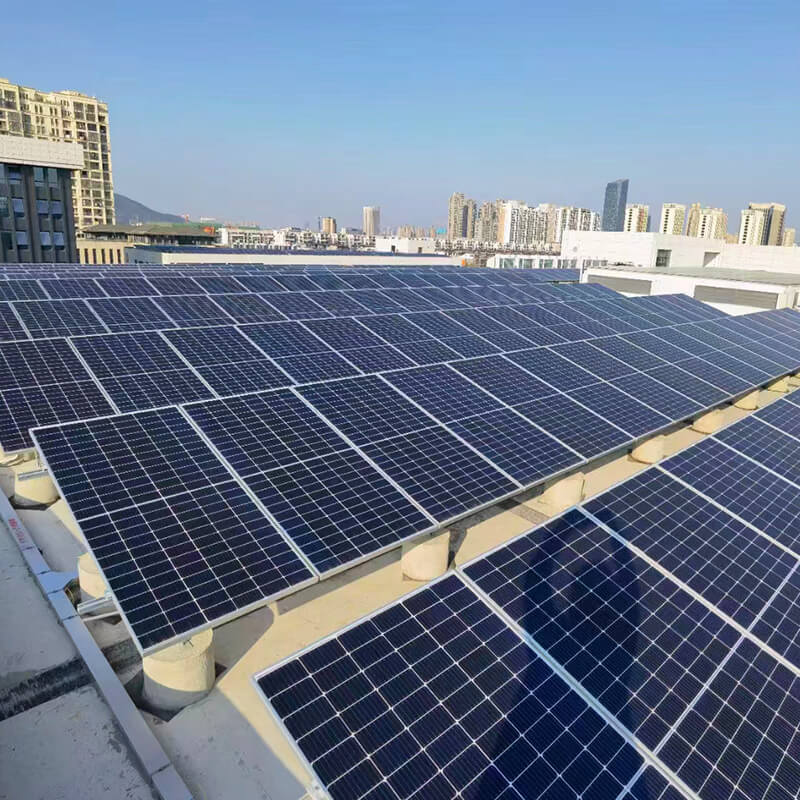
Well design and component selection and sizing for a successful zero-bill hybrid system. The size of solar panels depends on the amount of energy a home consumes annually and the roof area that is available for solar installation. Energy generation is about 10% higher for bifacial PV modules than its monofacial counterparts owing to its capacity to capture light from both sides of the panel.
Residential vertical wind turbines are usually between 1 kW to 10 kW. These are considered better for urban and suburban applications because they can extract wind power from any direction without having to rotate, operate with little noise, and are effective at different wind directions and speeds (relatively low). They are small enough for a rooftop in a home environment and are low maintenance.
The system's "brain" is a hybrid inverter, which changes the direct current (DC) power from both sources into alternating current (AC) power. The latest generation of hybrid inverters feature specific ports for connecting wind power systems and more sophisticated energy management capabilities that maximize energy efficiency depending on the weather and the energy needs. The third piece is the battery storage which can be used to store surplus energy for use during periods of low wind and solar generation, or at night.
Economic Viability and Payback Period
The initial cost will be higher than a purely solar setup but it may produce good results for years down the road. Full solar+wind+battery system: If you want the best there is, then you may consider a solar+wind+battery system. Depending on how much electricity you consume and whether or not you are prone to losing power you may get a return in just 3 to 7 years.
Costs for batteries are also dropping and government subsidies are tipping the economic scales In Australia, the federal government offers rebates of 30% of the battery cost for homes, capped at $4,000 per household; state government incentives may make it as much as $5,000.
If they have year round generating capacity this would provide 72 % of self sufficiency for your home and this is when you will begin to find you have less and less energy that you can get from the grid. If only it were so easy to run your home from generated power with your storage system in place that you never got a bill.
Conclusion
They're not a concept but are the solution of a homeowners' aspirations to energy freedom; increasingly efficient, economical for your everyday household and capable of storing for you to use during the night this hybrid system
work in tandem and will see your electricity bills become almost nonexistent. There is an initial capital expenditure to consider and evaluate but for a home in a suitable location hybrid systems can still prove to be a very shrewd and future-proof choice.
Since 2009, Jiangsu DHC Environmental Si-Tech Co., Ltd. has always been committed to the development and sales of wind-solar hybrid solutions, providing wind turbines, solar modules and LiFePO₄ batteries suitable for both residential and commercial use. DHC is your trusted partner for renewable energy solutions.