EN
EN

Micro Hydro Generator: A New Option for Remote Areas
Remote areas in Africa, Asia and South America still face the problem of unstable power supply or even no power at all. In this case, the diesel generator becomes the main backup power source. But it is economically costly and harmful to the environment. Therefore, in today's era of advocating environmental protection, with the in-depth development of natural energy by people and the abundance of local hydropower resources such as streams and rivers, hydro generator have gradually become a new choice for users.
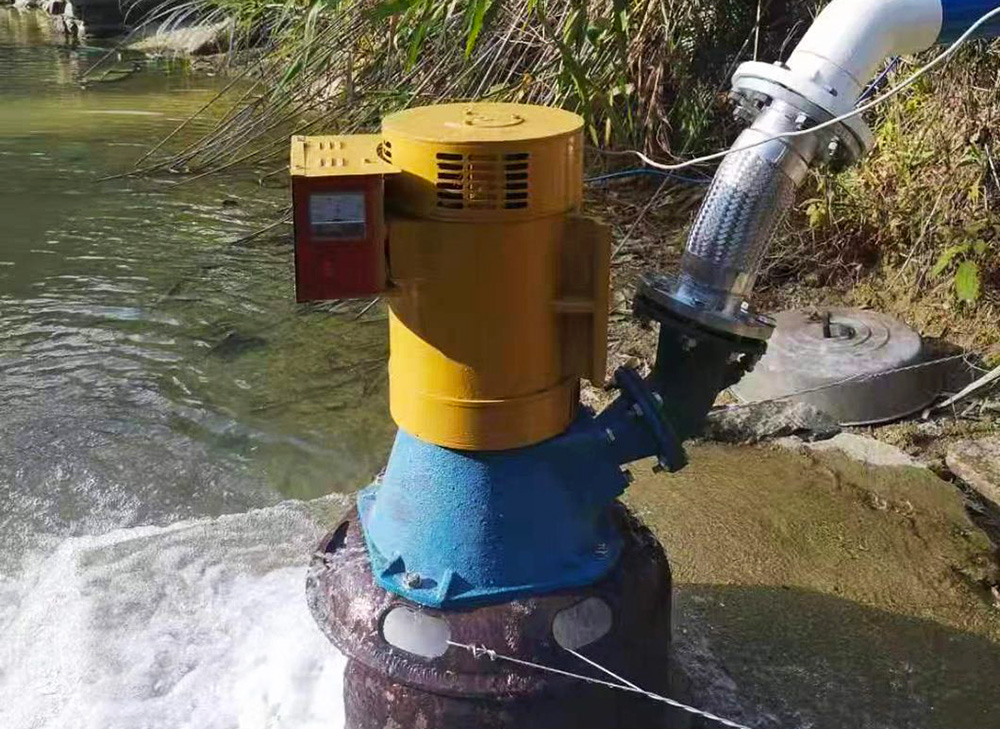
The power of micro hydro generator is usually between 1kW and 100kW. It generates electricity by utilizing the water level difference and natural flow of water. It does not require extensive modification of river channels or the construction of large-scale hydraulic works. It can be installed in existing river channels such as small rivers, irrigation canals, and even mountain streams, having a minimal impact on the environment. In the long run, micro hydro generator is more economically beneficial and sustainable, and can completely replace diesel generators.
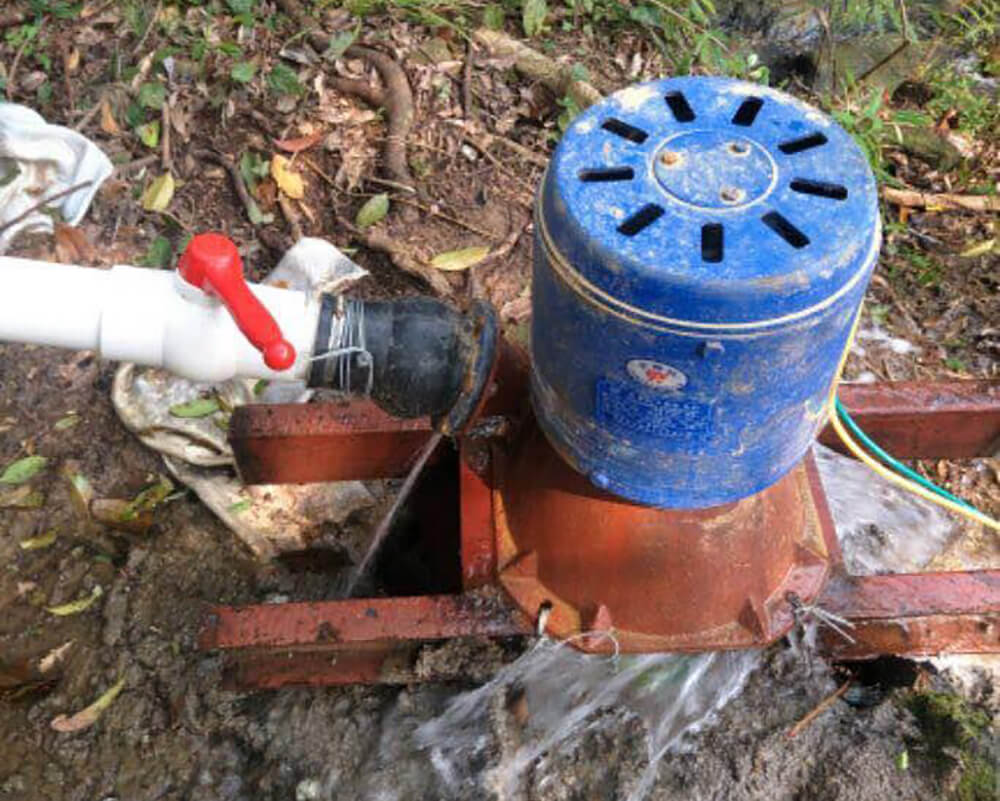
Why is micro hydro generator the ideal choice for remote areas with power shortages?
Firstly, it has a low maintenance cost: compared with wind turbines or solar systems, micro hydro generator has fewer moving parts, a service life of up to two or three decades, and only requires basic annual inspections on a regular basis.
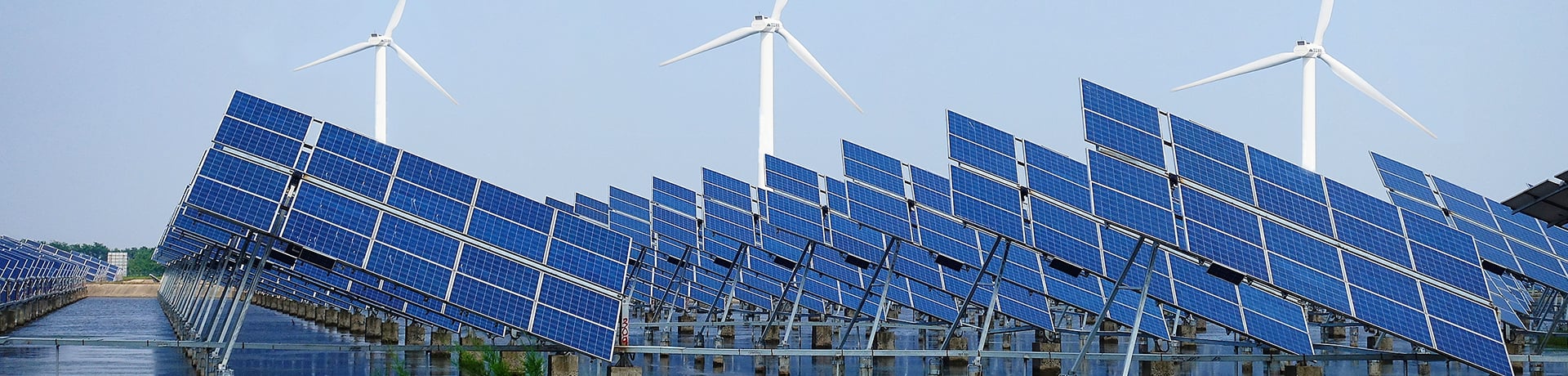
Secondly, micro hydro generator can provide more stable electricity. Photovoltaic systems rely on local light conditions. The power generation of wind turbines depends on the local average wind speed, while hydropower is more stable and can provide users with a stable power supply.
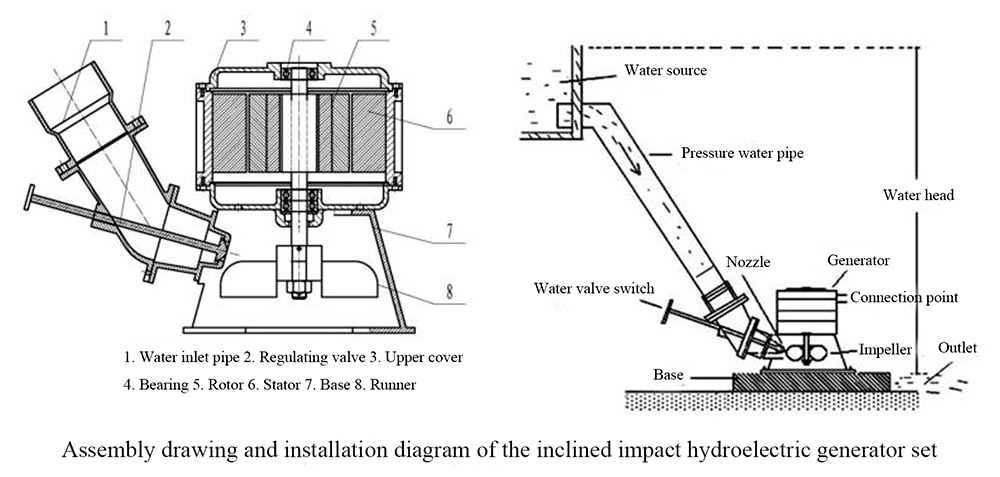
Our company's micro hydro generators are made of special corrosion-resistant materials, which can maximize their service life. Moreover, they have a simple structure and are easy to install.
In addition, DHC also offer customized services. We can design a customized solution for you based on your actual installation location, water flow rate, hydraulic drop, required electricity consumption and other conditions.