EN
EN

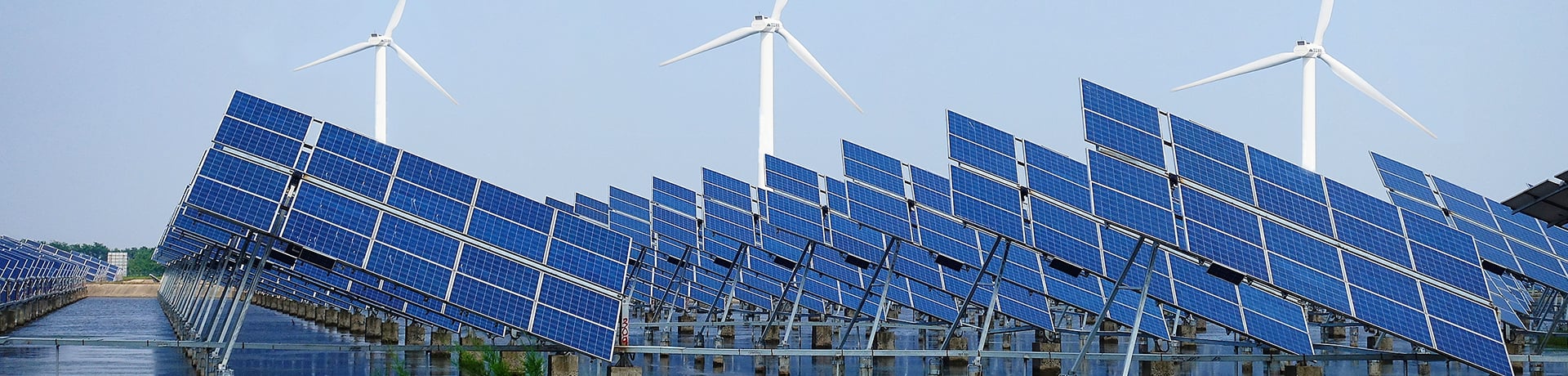
Wind Solar Hybrid System & Smart Streetlights
Recently, a customer from Malaysia came to us and wanted us to help cooperate with a project - to promote smart streetlights on their side, while combining with wind solar hybrid system, and really using green energy on the basis of intelligence. This idea is quite interesting, and I also think it is worth thinking about.
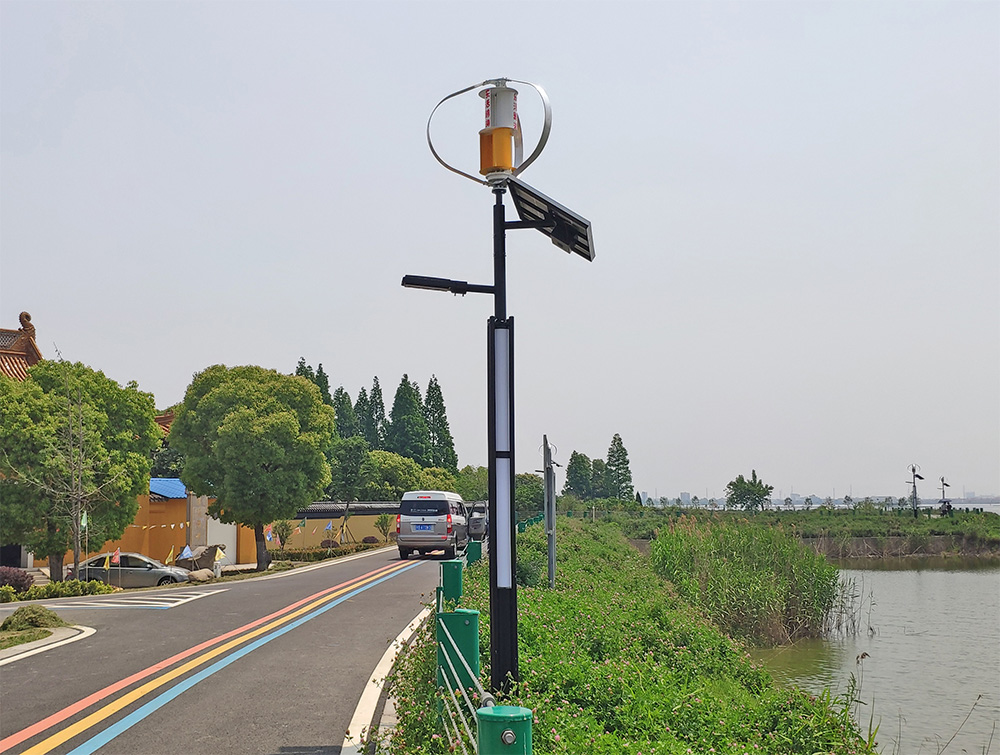
What exactly is the smart streetlights? What benefits can it bring when combined with wind solar hybrid system?
Speaking of which, smart streetlights are a new type of public facilities that have slowly emerged after the development of urban intelligence and green energy technology. It makes the street lamp no longer just a simple light, but upgrades it to a system that integrates the Internet of Things, 5G communication and LED technology. Compared with traditional streetlights, smart streetlights have obvious advantages in terms of energy saving, safety, operation and maintenance efficiency, and service ability.
After the addition of wind solar hybrid system, smart streetlights can get rid of dependence on traditional power grids and achieve energy self-sufficiency. When the light is good during the day, solar panels will generate electricity; at night or on rainy days, wind power will come to the top. These two energy sources can just help each other, and they can have relatively stable power supply day and night. Moreover, wind solar hybrid system does not need to dig a large area of ditches to lay cables. It is especially suitable for those remote areas, islands, scenic spots, or places where the power grid is not covered at all. It is more economical. In addition, the controller can realize the functions of optical control, time control, overcharge and overcharge protection, and cooperates with the Internet of Things technology for remote monitoring and single-lamp regulation. The operation and maintenance personnel do not have to run to the site all the time, and the efficiency will naturally increase.
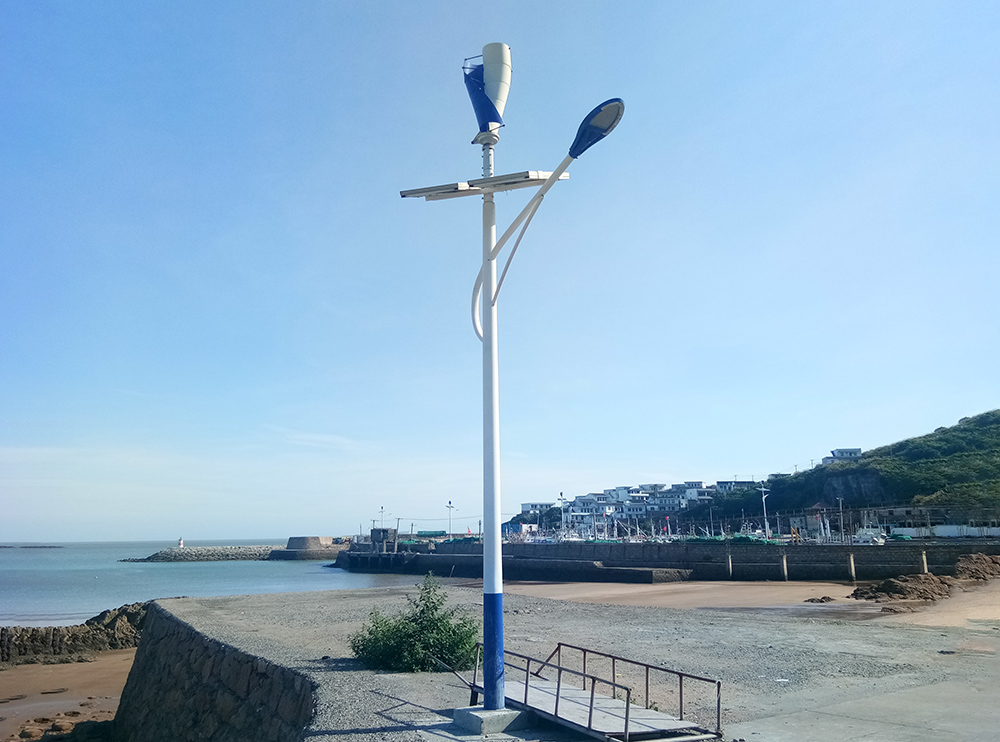
However, with the smart streetlights and the wind solar hybrid system together, there are more things to consider when designing.
First of all, wind solar hybrid system is not as good as anywhere. The most important thing is to figure out the resource conditions of the project site first, such as the wind speed, whether there is enough light, and how many rainy days there are. If these basic conditions are not suitable, no matter how you design them later, it will be in vain.
Secondly, the product and structural design should also be adapted to the local conditions. Coastal areas like Malaysia are humid and hot, with heavy salt fog, and we have to protect against thunderstorms and typhoons. Then we must use anti-corrosion materials to do a good job of smoke prevention. The fixed structure of wind turbines and solar panels must also consider the wind resistance. Hardware equipment must be resistant to high temperature and humidity, otherwise it will not last for several years in this environment. At the same time, economy and utilization rate should also be balanced, not only to ensure that the system is reliable enough, but also not to make customers feel that the investment is too high.
Finally, compared with ordinary street lamps, the most different thing about smart streetlights is that they are connected to the Internet of Things. So it's not just as simple as making a pole, but the software development of the whole system behind it is the big one. From equipment access, data acquisition, remote control, to operation and maintenance management, fault alarm, and energy monitoring, these links must be well coordinated. Whether the software platform is good or not, whether it is stable or not, and whether it can be expanded in the future often determines whether the project can really be implemented.
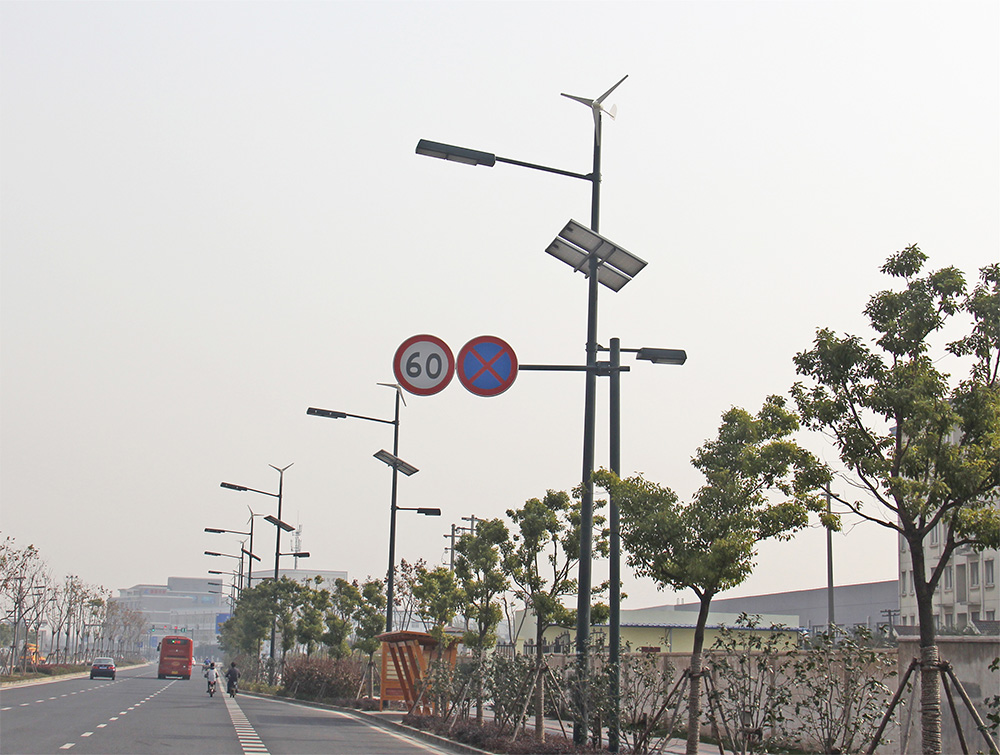
After communicating with the Malaysian customer several times, our technical team also discussed it repeatedly, and finally designed a multi-functional wind solar hybrid intelligent streetlights system for this project. We have touched the local landscape resources in advance and made an anti-corrosion design for the humid and hot coastal environment. We also left an extension interface on the software platform, which is convenient for customers to adjust flexibly according to their actual needs in the future. This plan not only uses local natural resources, but also meets the needs of intelligent management, which can be regarded as really putting green energy and smart cities together.