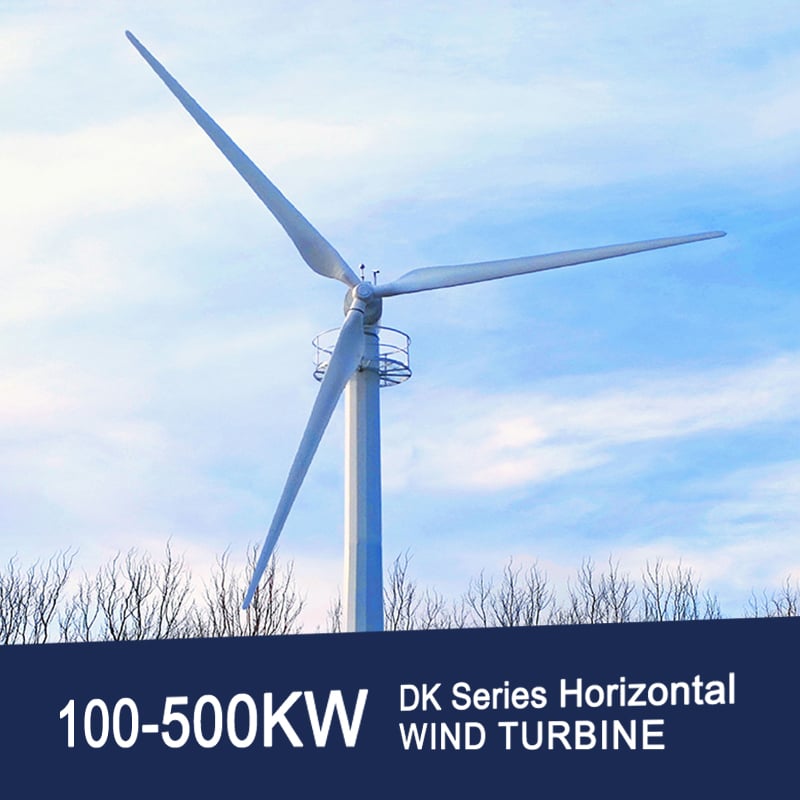
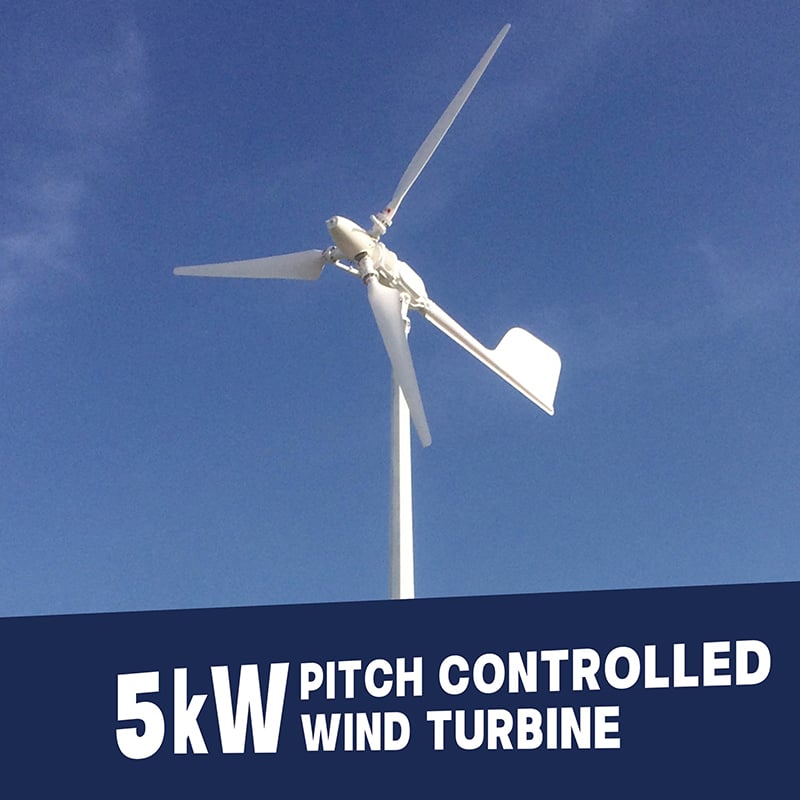
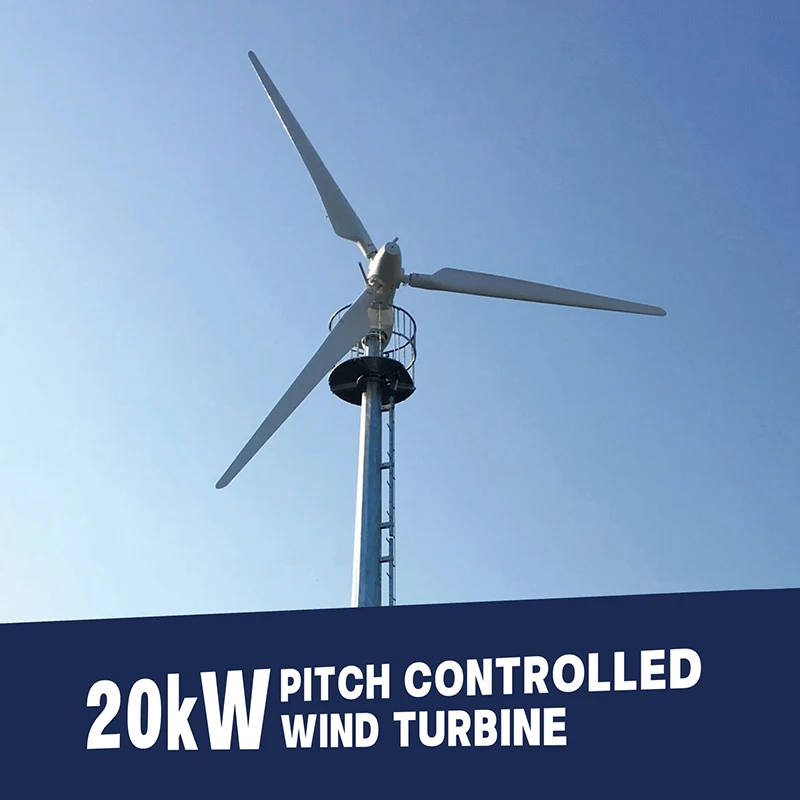
When considering renewable energy solutions, a 5kW wind mill stands out as a practical option for various applications. This type of wind turbine can effectively generate power for homes, farms, and distributed power stations. As a purchasing manager or project engineer, you may have concerns regarding the specifications, quality, and cost factors associated with sourcing a 5kW wind mill. This article will guide you through essential considerations to ensure you make an informed decision.
When sourcing a 5kW wind mill, several key factors should be taken into account:
Product Specifications: Understand the technical specifications that define the performance of the wind mill, such as the rotor diameter, tower height, and rated wind speed. These factors directly influence energy generation capacity and efficiency.
Material Selection: Evaluate the materials used in the construction of the wind mills. High-quality, corrosion-resistant materials will enhance durability and longevity, especially in harsh weather conditions.
Manufacturing Capabilities: Look for manufacturers with proven production capabilities. Assess their equipment and technology to ensure they can meet your specific requirements and maintain high-quality standards.
Customization Options: Depending on your project needs, customization may be necessary. Discuss with suppliers their ability to modify designs or specifications to suit particular applications or environmental conditions.
Certifications and Compliance: Verify any industry certifications the manufacturer holds, which can be critical for ensuring product quality and compliance with local regulations.
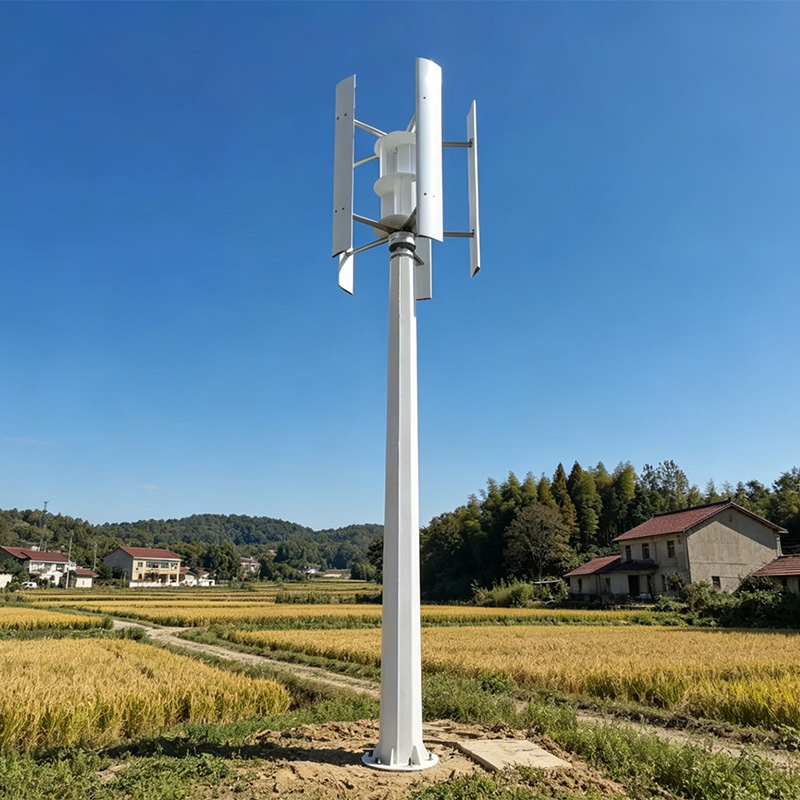
When approaching the purchase of a 5kW wind mill, consider the following points:
Application Requirements: Define the intended use of the wind mill, whether for residential, agricultural, or industrial applications. Each context may have specific energy needs and site conditions that influence the choice of model.
Performance Ratings: Look for performance ratings under various wind conditions. A reliable supplier will provide data on how the wind mill performs in different scenarios, helping you to assess its suitability for your location.
Supplier Reputation: Research potential suppliers' reputations in the industry. Reading customer reviews and obtaining references can provide insight into their reliability and product quality.
Lead Time: Inquire about lead times for production and delivery. Timely availability is crucial for project planning and execution.
Sample Approval: Before placing a bulk order, request a sample unit. This allows for testing under actual operating conditions and ensures the product meets your performance expectations.
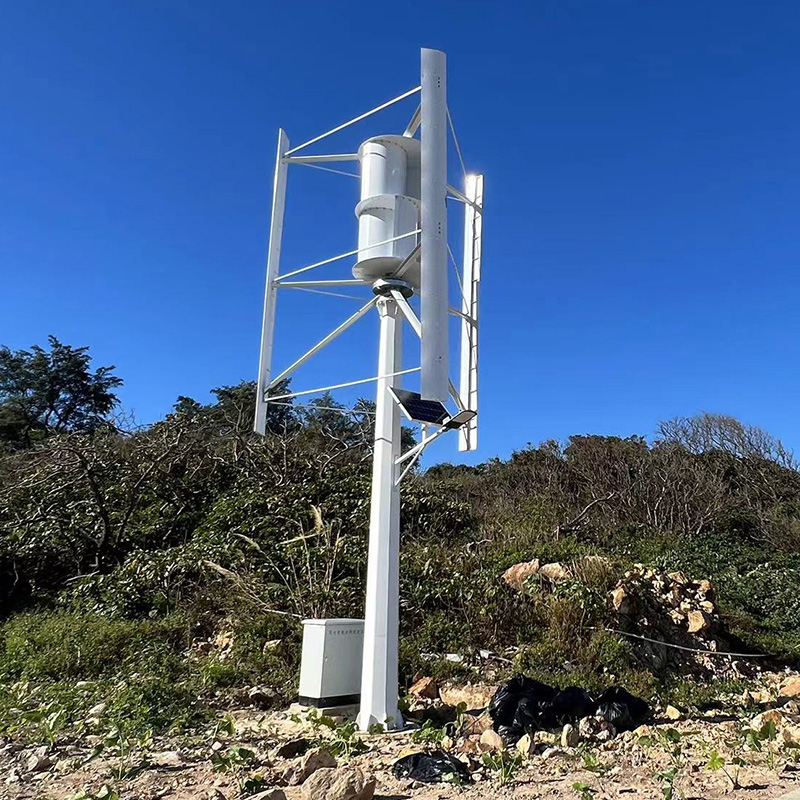
Evaluating the quality of a 5kW wind mill involves several steps:
Quality Control Processes: Investigate the manufacturer's quality control measures. A reputable company should have stringent testing protocols in place throughout the production process to ensure each unit meets performance standards.
Material Integrity: Assess the materials used in construction. The use of high-grade steel for the tower and fiberglass or composite materials for blades can significantly impact the wind mill turbine durability and performance.
Performance Testing: Request information on performance testing results. This includes wind tunnel tests and field performance data that demonstrate how the wind mill operates under various conditions.
Warranty and Support: A strong warranty indicates confidence in the product quality. Additionally, inquire about post-purchase support and maintenance services to ensure long-term operational efficiency.
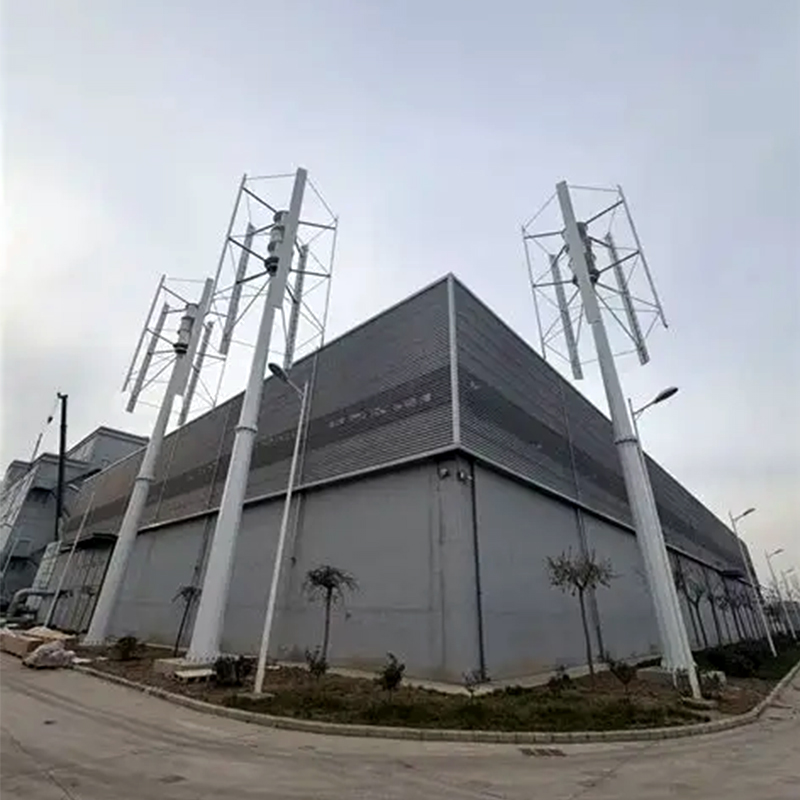
Understanding the cost structure is vital when purchasing 5kW wind mills in bulk. Key factors include:
Unit Price: The base price per unit is affected by the material costs, manufacturing complexity, and supplier margins. Bulk purchases often come with discounts, so negotiate terms that reflect your order volume.
Shipping and Handling: Factor in shipping costs, which can vary based on distance, transportation method, and logistics complexity. Ensure these costs are included in your overall budget.
Installation Costs: Consider the costs associated with installing the wind mills. Depending on site conditions, additional expenses may arise for site preparation, foundation work, and electrical connections.
Maintenance Expenses: Long-term operational costs should also be factored in. Evaluate the manufacturer's recommendations for maintenance schedules and associated costs, as these can impact overall investment returns.
Financing Options: Explore financing options that may be available through the supplier or third parties. Incentives for renewable energy projects can also affect the overall cost.
As most sought-after brand wind solar hybrid power systems, DHC has own wind turbine factory, which combines R D design, production, technical services. Since 2009 our founders have been living the idea protecting the environment, wind turbine and generator in new energy, adhered to our corporate culture of "diligence and honesty, co-operation and the pursuit of creativity." This is also the basis of our name "DHC".
Wind solar energy wind turbine generator our primary focus. We can provide customers with customized solutions with professional capability of managing supply chains as well as ability integrate. Tell us what want to achieve. needs, from de sign, manufacturing, through after-sales and more, will offer you real-time professional support throughout the day.
primary products wind turbines, solar panels and lifepo4 batteries. customers will receive a one-stop-shop service the integration and wind turbine generator a wind-solar hybrid as well as smart photovoltaic system. DHC provides reliable products, technologies, and after-sales service to customers with excellent delivery capability.
Integrity the cornerstone of company. offer real power solutions offer an expert service. {When it comes to wind turbines, {you can pay attention it is important to Integrity is the foundation our company. We offer real power equipment, as well as skilled service. You can consider parameters like blade diameter as well as wind you should pay attention aspects like blade's diameter as well as weight. promise that all products produced by DHC come with 2kw vertical axis wind turbine power output and not overinflated power.
A 5kW wind mill is suitable for a variety of applications:
Residential Use: Homeowners seeking to reduce energy bills and reliance on the grid can benefit from a 5kW wind mill, particularly in areas with consistent wind flow.
Agricultural Applications: Farms can utilize wind turbines to power operations, such as irrigation systems or processing equipment, providing a sustainable energy source.
Remote Locations: In areas where grid access is limited or unreliable, a 5kw wind mill can serve as a reliable power source for remote facilities or distributed power stations.
Community Projects: Small communities aiming for energy independence may implement multiple 5kW wind mills to create a localized power grid, enhancing sustainability and resilience.
By considering these factors, you can make a well-informed decision when sourcing a 5kW wind mill for your specific needs. Each aspect, from specifications and quality evaluation to cost factors and application suitability, plays a crucial role in ensuring the success of your renewable energy project.
Welcome to DHC, the top brand of wind solar hybrid power system! We provide innovative and effective new energy solutions including wind turbine, solar panel, lifepo4 battery, etc.






 EN