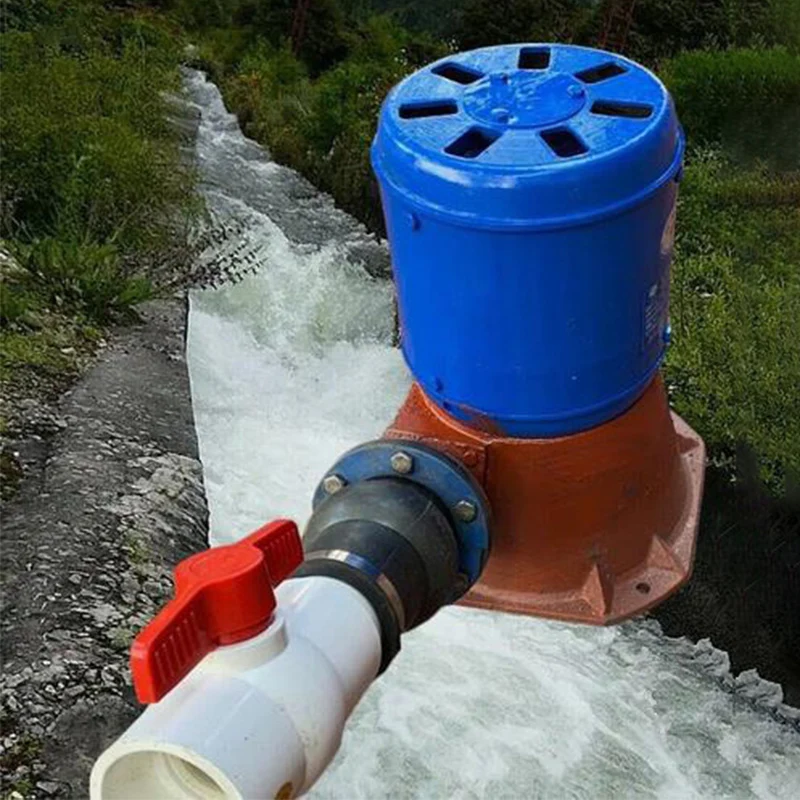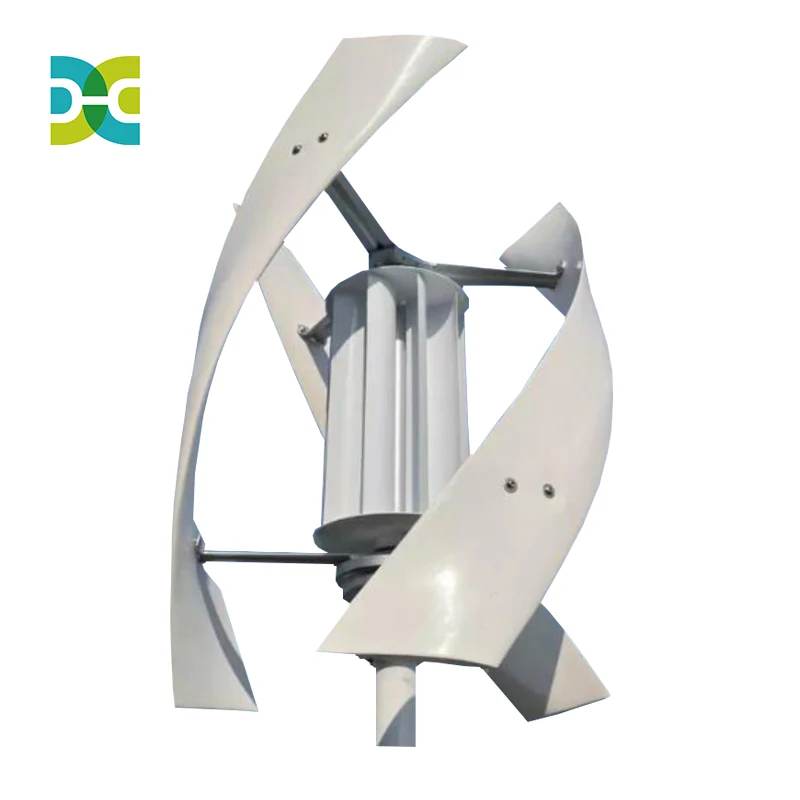
A domestic wind power generator is a sustainable energy solution that converts wind energy into electricity for residential or small-scale applications. As buyers consider integrating renewable energy solutions, they often seek information on efficiency, cost, installation, and maintenance. This article will address crucial factors to consider when selecting a hydroelectric power generator, focusing on key specifications, cost factors for bulk orders, installation guidance, and common issues, providing practical insights to help buyers make informed decisions.
When selecting a domestic wind power generator, the first step is to assess the specific energy needs and site conditions. Key considerations include:
Wind Speed: Understanding the average wind speed in your area is crucial. Most domestic wind turbines require a minimum wind speed to generate power effectively. A site evaluation may include measuring wind patterns and speeds over a period.
Generator Size and Capacity: The size of the generator should correspond to the energy demand of the home or facility. Larger turbines can generate more electricity but may also require more extensive installation and maintenance.
Regulatory Compliance: Local zoning laws and regulations may dictate allowable turbine heights and placements. It’s essential to verify these before proceeding with a purchase.
Installation Requirements: Consider the installation space and the structural requirements for mounting the turbine. This includes analyzing the type of foundation needed and any necessary electrical infrastructure.
Customization Needs: Depending on the application, some buyers may require customized solutions, such as specific power outputs or integration with existing solar power systems.
By considering these factors, buyers can narrow down their options and choose a domestic wind power generator that meets their energy needs efficiently.
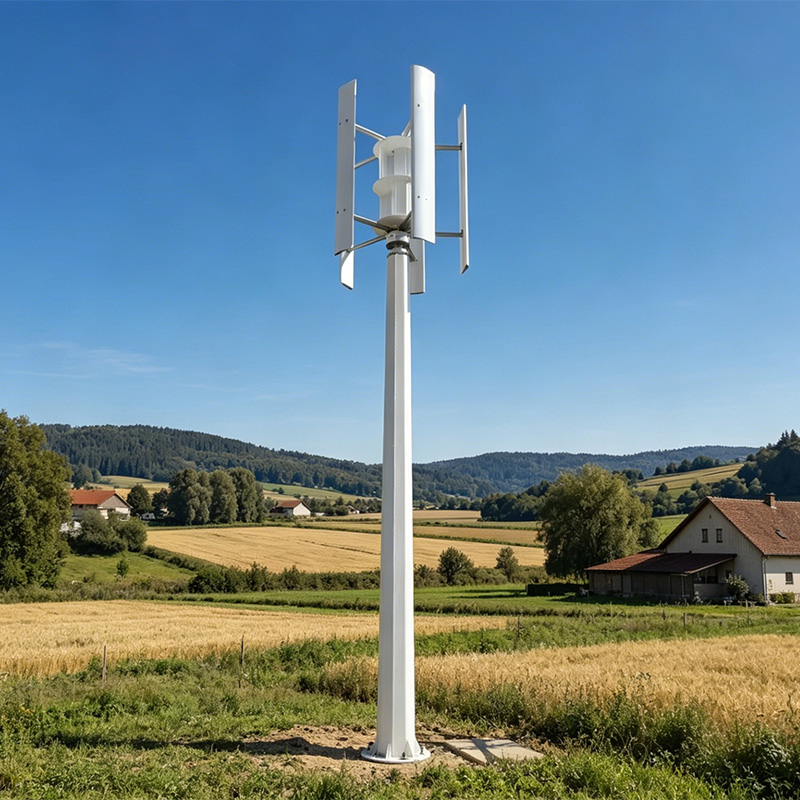
Selecting a quality Jiangsu DHC domestic wind power generator involves understanding critical specifications that influence performance and durability:
Rated Power Output: This specification indicates the maximum power the small hydro power generator can produce at optimal wind speeds. Buyers should ensure that the rated output meets their household or facility energy demands.
Cut-in and Cut-out Wind Speeds: The cut-in speed is the minimum wind speed required for the turbine to start generating electricity, while the cut-out speed is the maximum wind speed at which the turbine will shut down to prevent damage. Ensuring these values align with local wind conditions is essential.
Rotor Diameter: The rotor diameter affects the amount of wind captured. A larger rotor can harness more wind energy, thus increasing potential power generation.
Material Quality: The construction materials used in the turbine, such as the rotor blades and housing, affect durability and maintenance. Look for turbines made from corrosion-resistant materials, especially in coastal areas.
Noise Levels: For residential applications, noise can be a concern. Buyers should check the noise specifications to ensure the generator operates quietly, especially in close proximity to living spaces.
Evaluating these specifications helps buyers make informed decisions and select a generator that not only meets their energy needs but also operates efficiently and reliably.
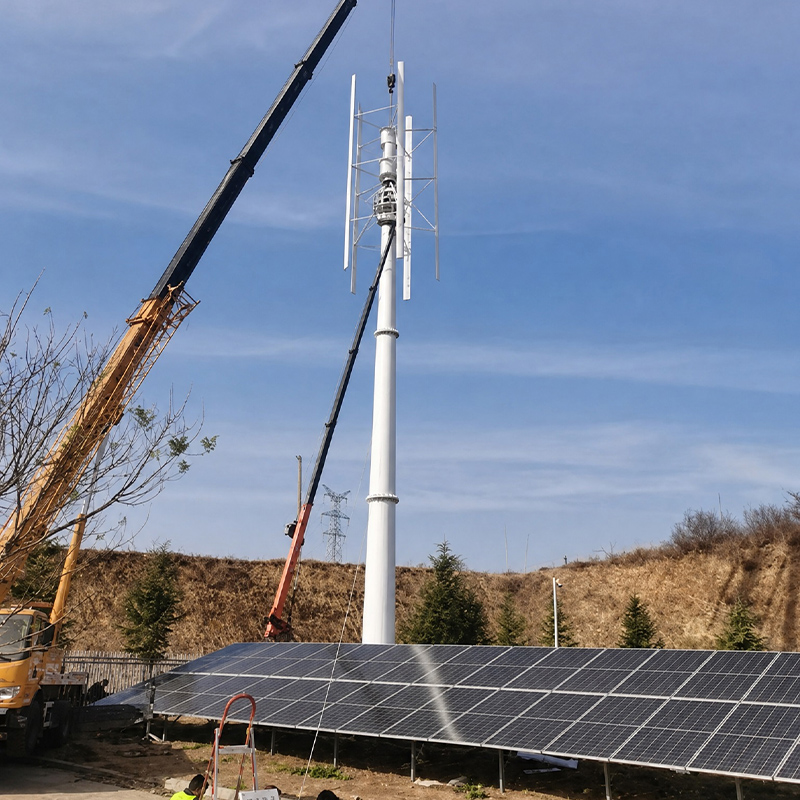
When purchasing domestic wind power generators in bulk, several cost factors come into play:
Volume Discounts: Suppliers often offer discounts for larger orders. Buyers should inquire about pricing tiers based on quantity, which can significantly affect overall costs.
Shipping and Logistics: The cost of shipping can vary depending on the size and weight of the turbines. Buyers should consider shipping costs when calculating total expenses and explore options for consolidated shipments to reduce costs.
Installation Costs: Bulk purchases may require multiple installations, which can increase labor costs. Buyers should factor in these costs when budgeting for a bulk order.
Maintenance Agreements: Some suppliers offer maintenance contracts that can provide cost savings over time. Buyers should evaluate these options and their long-term implications on budget.
Customization Costs: If customization is required for specific applications, this can add to the overall cost. It’s essential to discuss customization needs upfront to obtain accurate pricing.
Understanding these cost factors can help buyers budget effectively and negotiate better terms with suppliers.
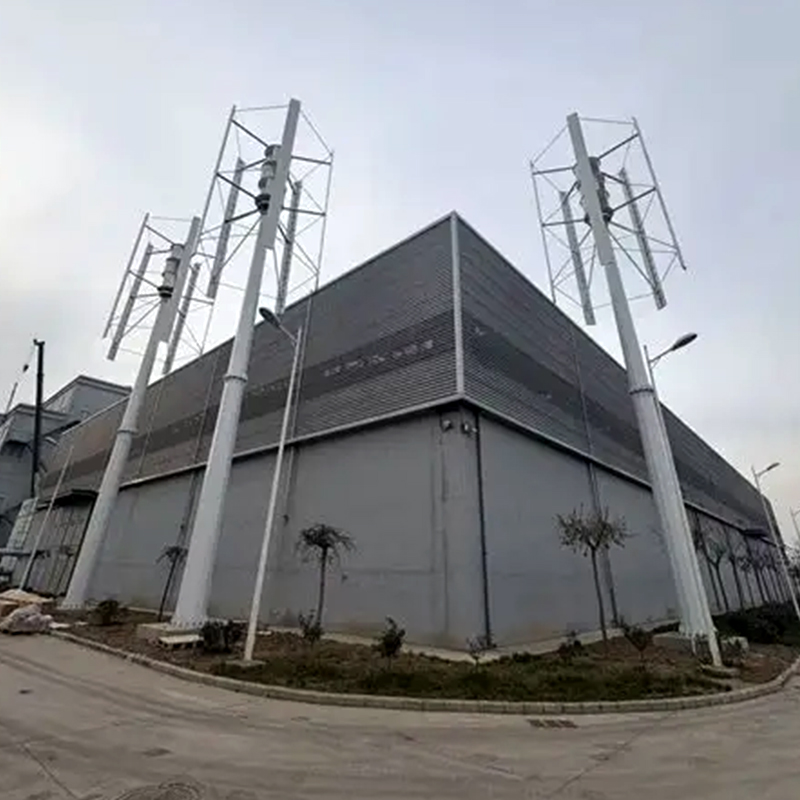
Proper installation is critical for the effective operation of Jiangsu DHC domestic wind power generators. Here are some key guidelines:
Site Preparation: Before installation, the site must be properly prepared. This may involve clearing obstacles, ensuring a stable foundation, and complying with local regulations regarding height and placement.
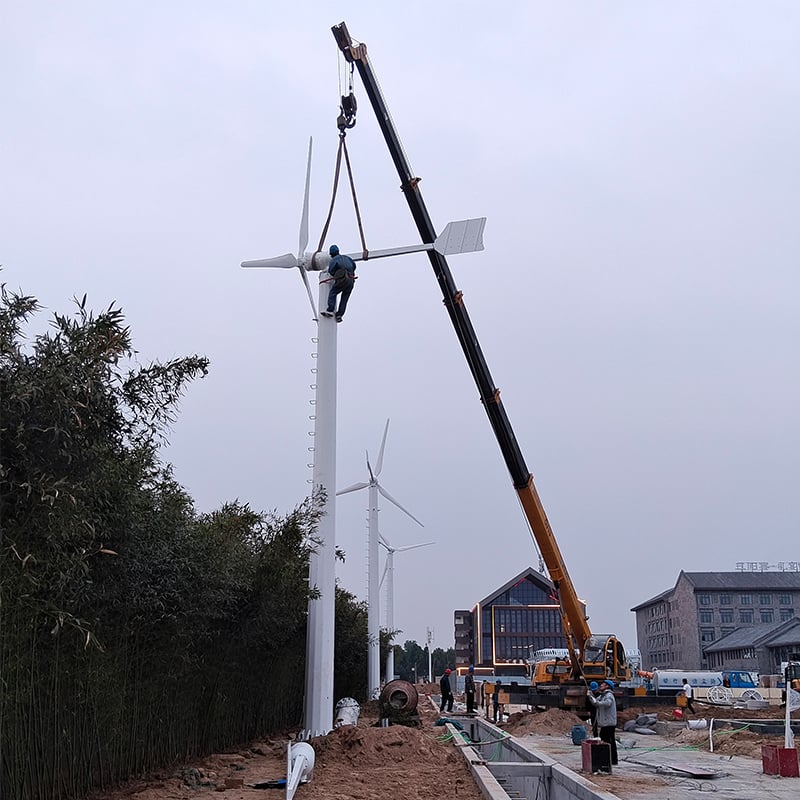
Professional Installation: While some buyers may consider DIY installation, hiring professionals with experience in wind turbine installation is advisable. They can ensure compliance with safety standards and optimize the setup for maximum efficiency.
Electrical Connections: Proper electrical connections are vital. The generator must be connected to the home’s electrical system, which may require the expertise of a licensed electrician to ensure safety and compliance with local codes.
Regular Maintenance Access: Ensure that the installation allows for easy access to the generator for maintenance and inspections. This can help prolong the lifespan of the equipment and ensure optimal performance.
Documentation and Support: Keep all installation manuals and documentation accessible. This information will be valuable for future maintenance and troubleshooting.
Following these guidelines can help buyers ensure a successful installation that maximizes the performance of their domestic wind power generator.
most renowned brand wind-powered hybrid power systems DHC the only company with own wind turbine factory that combines R D, design, production technical support. Since 2009, our founders have practiced the 2kw vertical wind turbine of environmental protection and have been immersed in the latest energy sources and have adhered the company's culture that focuses on "diligence and honesty, collaboration, and creativity." Our brand DHC is the consequence of this.
Integrity is foundation of our company. offer real power equipment, as well as skilled Wind turbine. In the case of wind turbines, {you can pay attention it is important to commitment to integrity the basis of our business. We provide genuine power equipment, as well as expert service. Consider parameters such as blade diameter as well as wind turbine weight when looking at wind turbines. DHC promises that its products are able to deliver real power without exaggerating the power.
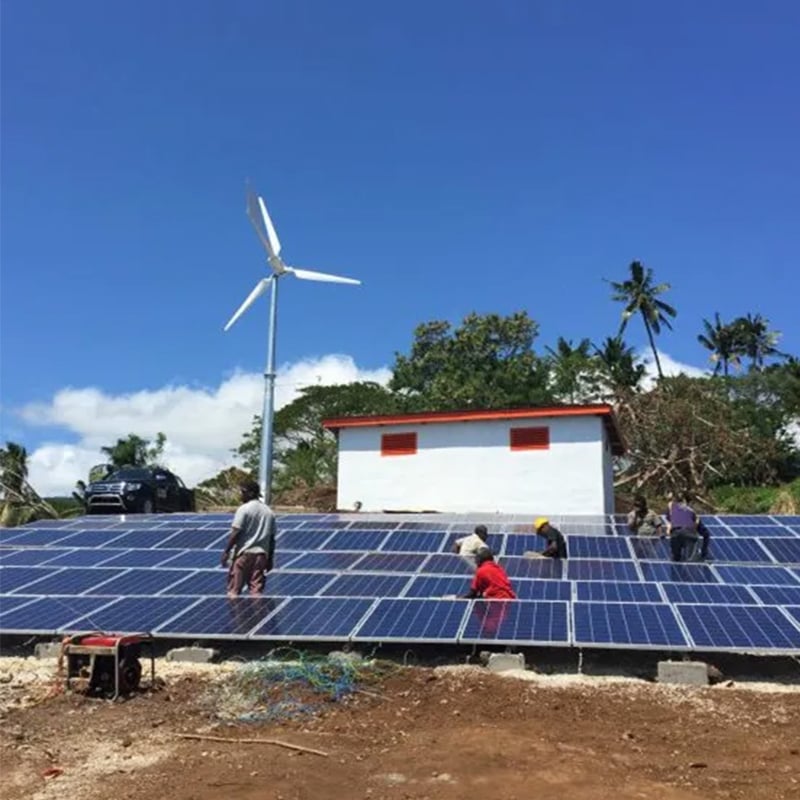
Our main products include wind turbines solar panels. can provide customers with all-in-one service for design and integration smart photovoltaic systems, as well as wind-solar hybrid systems. DHC is reliable supplier products, technologies after-sales 2kw vertical wind turbine customers with its excellent delivery capability.
are dedicated to meeting commercial domestic electricity needs with wind solar power system. able to provide customers with fully customized solutions with our professional capability managing supply chains capabilities 15kw wind turbine for home. We'll provide professional service throughout day beginning with design, production and after-sales.
Despite their advantages, Jiangsu DHC domestic wind power generators can encounter issues. Here are some common problems and their solutions:
Insufficient Power Generation: This can be caused by low wind speeds or incorrect sizing of the wind power generator. Buyers should ensure the selected generator is suitable for local wind conditions and energy needs.
Mechanical Failures: Components such as the rotor or gearbox may experience wear and tear. Regular maintenance and inspections can help identify issues before they lead to significant failures.
Electrical Issues: Problems with electrical connections can lead to power loss. Ensuring that all electrical components are properly installed and regularly checked can mitigate these issues.
Noise Complaints: If a turbine is too noisy, it can lead to complaints from neighbors. Solutions may include adjusting the turbine's placement or selecting a model designed to operate more quietly.
Regulatory Compliance: Sometimes, a generator may not comply with local regulations, leading to fines or required modifications. Buyers should verify compliance with local authorities before installation and ensure any modifications are completed promptly.
By being aware of these common issues and their potential solutions, buyers can better manage their domestic wind power generator systems and maintain efficient operation.
Welcome to DHC, the top brand of wind solar hybrid power system! We provide innovative and effective new energy solutions including wind turbine, solar panel, lifepo4 battery, etc.
 EN