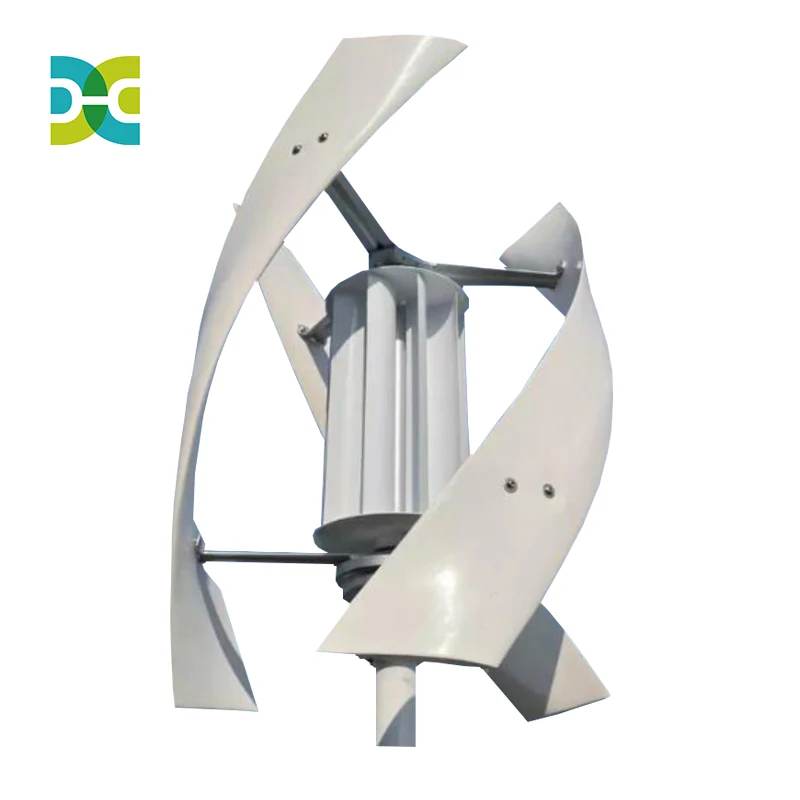
Choosing the right wind power generator is essential for maximizing energy efficiency and ensuring long-term reliability in renewable energy projects. This article will guide B2B buyers—such as purchasing managers, engineers, and product managers—through the key considerations, specifications, and quality evaluations necessary for selecting the best wind turbine power generator home for their specific applications. With Jiangsu DHC Environmental Si-Tech Co., Ltd.'s expertise in wind energy solutions, we provide insights to help you make informed decisions.
When selecting a wind power generator, several factors must be considered to ensure it meets your project's requirements. First, assess the generator's power output capabilities, which should align with your energy demands. Consider the local wind conditions, including average wind speeds and seasonal variations, as these directly influence the generator's efficiency and energy production.
Another critical factor is the generator's design and technology. Look for features such as the type of turbine (horizontal or vertical axis), blade material (often composite or aluminum), and the presence of advanced technology like pitch control systems that optimize performance. Additionally, evaluate the generator's installation requirements, including space, foundation, and connectivity to your existing power infrastructure.
Lastly, consider the manufacturer’s reputation and support services, including warranty, maintenance, and availability of spare parts. A reliable partner like Jiangsu DHC Environmental Si-Tech Co., Ltd. can provide customized solutions tailored to your needs, ensuring optimal performance and longevity.
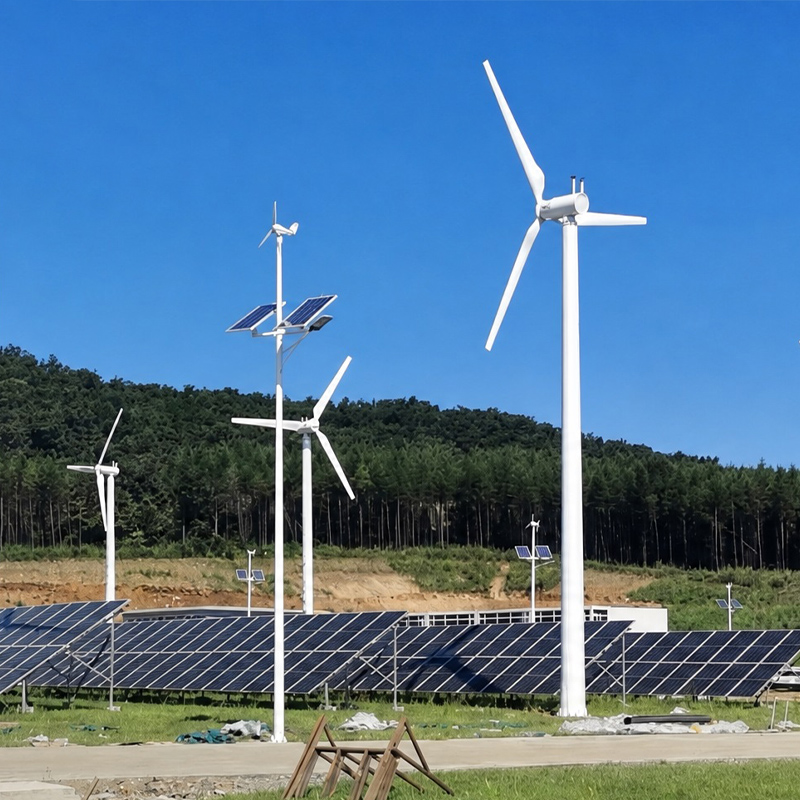
Understanding the key specifications of wind power generators is crucial for wholesale buyers aiming to make informed purchasing decisions. Here are some vital specifications to consider:
Rated Power Output: Indicates the maximum electrical output under optimal wind conditions. This is essential for matching the generator's capacity with anticipated energy needs.
Cut-in and Cut-out Wind Speeds: The cut-in speed is the minimum wind speed at which the generator starts producing energy, while the cut-out speed indicates when the wind turbine generator safely shuts down to prevent damage from excessive winds. These parameters help in assessing operational efficiency.
Turbine Height and Rotor Diameter: The height of the turbine and the diameter of the rotor affect the generator's exposure to wind and overall energy capture capability. Higher turbines generally perform better in areas with variable wind patterns.
Material and Durability: The materials used in construction (such as corrosion-resistant coatings) impact the generator's lifespan and maintenance needs. Ensure that the materials are suitable for the environmental conditions where the generator will be installed.
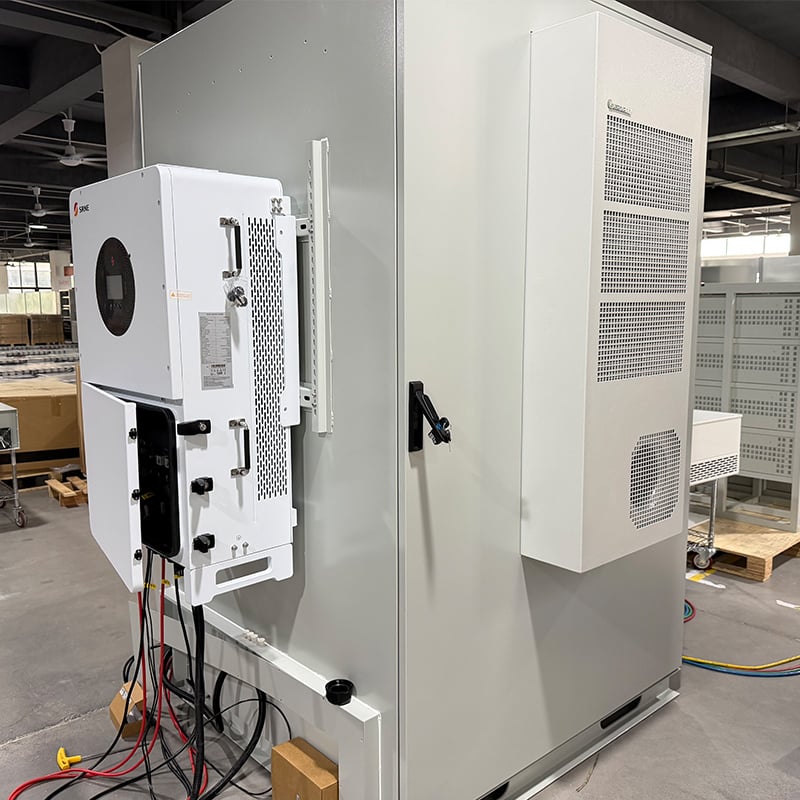
Control Systems: Advanced control systems enhance performance monitoring and improve energy efficiency. Look for systems that allow remote monitoring and troubleshooting capabilities.
Compliance and Certifications: Check for industry standards certifications that ensure the generator meets safety and performance regulations. This is particularly important for international sourcing.
By understanding these specifications, wholesale buyers can better assess the suitability of different wind power generators for their projects.
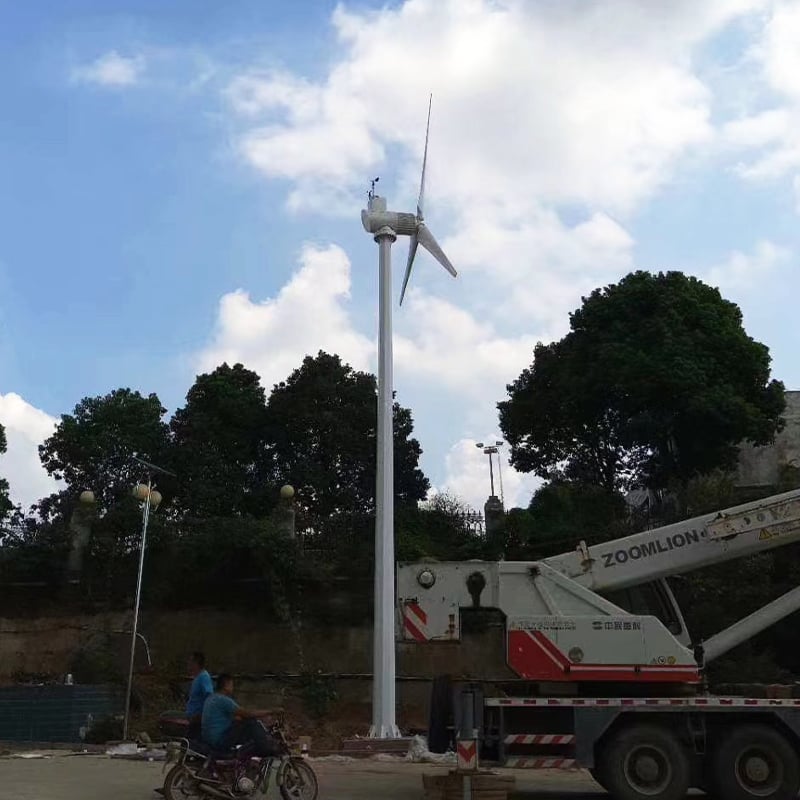
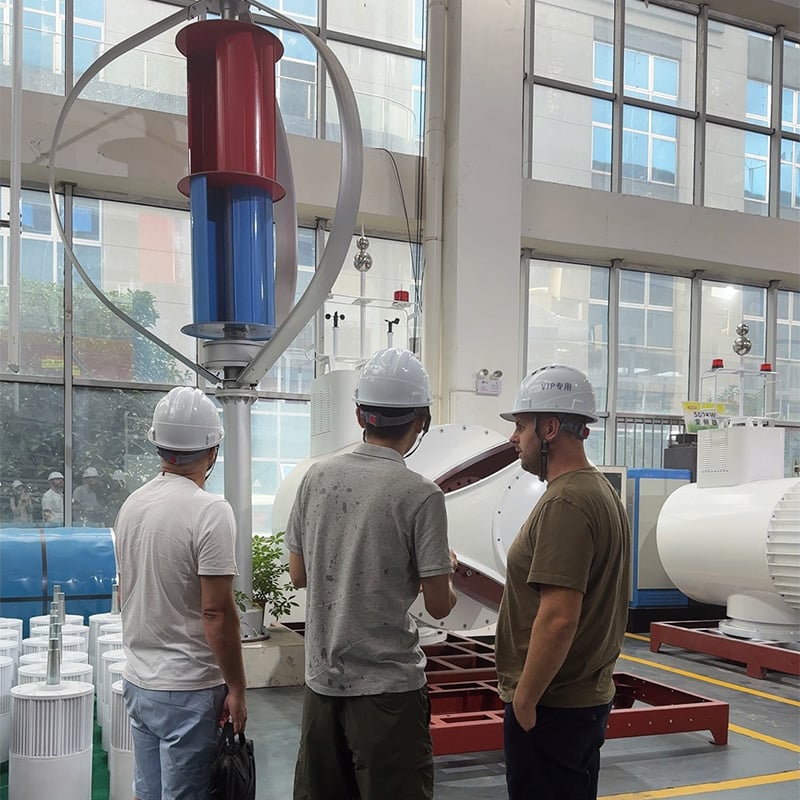
Evaluating the quality of wind power generators involves a thorough examination of several key factors. Start with the manufacturing process; reputable manufacturers like Jiangsu DHC Environmental Si-Tech Co., Ltd. implement strict quality control measures, including material inspections and performance testing at various production stages.
Next, look for independent testing certifications from recognized bodies. These certifications provide assurance that the products have been rigorously evaluated for performance and safety standards. Additionally, inquire about the manufacturer's reliability history, including the failure rates of their generators in the field. A strong history of durability and performance can indicate a trustworthy product.
Quality assurance should also encompass after-sale support. Ensure the manufacturer offers comprehensive warranties and accessible customer service for technical support. A reliable warranty and responsive support can significantly reduce long-term operational risks.
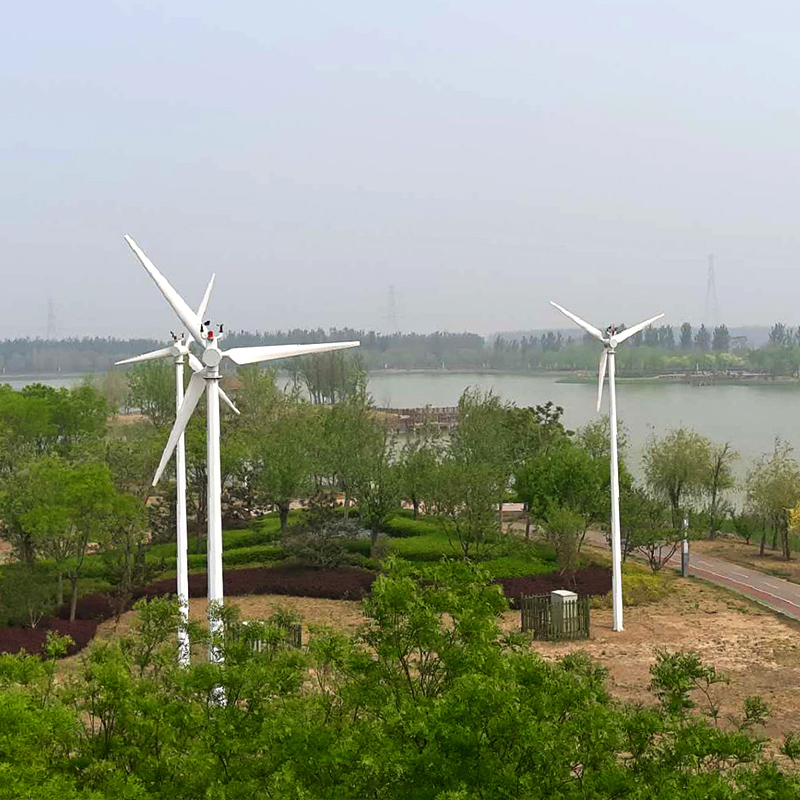
To optimize the performance and longevity of wind power generators, implementing best practices during installation and maintenance is essential:
Proper Site Assessment: Conduct a detailed site evaluation to determine the best location for installation. This includes analyzing wind patterns, environmental impact, and proximity to power infrastructure.
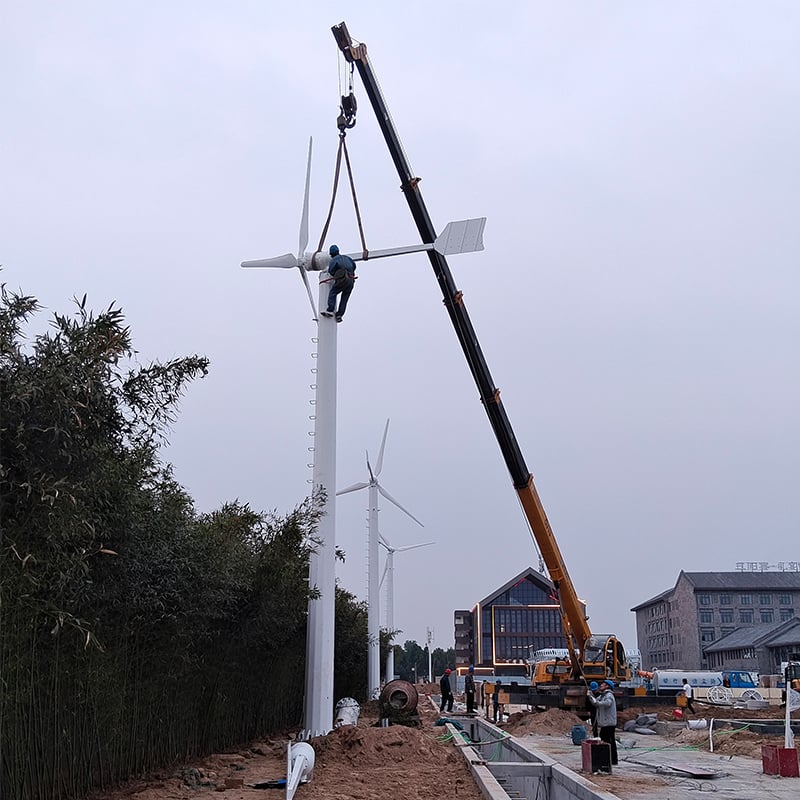
Professional Installation: Engage experienced technicians for the installation process. Proper installation is critical to ensure the house wind generator operates at its maximum potential and meets safety standards.
Regular Maintenance: Schedule routine inspections and maintenance to identify and address potential issues before they lead to costly repairs or downtime. This includes checking for wear and tear, lubricating moving parts, and ensuring proper electrical connections.
Monitoring Performance: Utilize monitoring systems to track the generator's performance in real-time. This data helps identify efficiency drops or operational anomalies, allowing for timely interventions.
Stay Informed: Keep abreast of technological advancements and best practices in the wind energy sector. Continuous learning can help you make informed choices about upgrades or replacements.
By adhering to these best practices, businesses can enhance the reliability and efficiency of their wind power generators.
most renowned brand wind-powered hybrid power systems DHC the only company with own wind turbine factory that combines R D, design, production technical support. Since 2009, our founders have practiced the 2kw vertical wind turbine of environmental protection and have been immersed in the latest energy sources and have adhered the company's culture that focuses on "diligence and honesty, collaboration, and creativity." Our brand DHC is the consequence of this.
Integrity the cornerstone of company. offer real power solutions offer an expert service. {When it comes to wind turbines, {you can pay attention it is important to Integrity is the foundation our company. We offer real power equipment, as well as skilled service. You can consider parameters like blade diameter as well as wind you should pay attention aspects like blade's diameter as well as weight. promise that all products produced by DHC come with 2kw vertical axis wind turbine power output and not overinflated power.
We're Eolic generator meeting commercial domestic electricity needs with wind/solar power system. can provide our customers with tailored solutions through skilled supply chain management capabilities and capabilities for integration. We'll provide high-quality service all hours of day beginning with design, production and after-sales.
primary products wind turbines, solar panels and lifepo4 batteries. customers will receive a one-stop-shop service the integration and Vertical wind turbine a wind-solar hybrid as well as smart photovoltaic system. DHC provides reliable products, technologies, and after-sales service to customers with excellent delivery capability.
Wind power generators have diverse applications across multiple industries, making them versatile assets for energy production. Here are some key sectors utilizing wind energy:
Agriculture: Farmers are increasingly using wind generators to power irrigation systems, processing plants, and even to supply electricity to farming operations, reducing reliance on fossil fuels.
Remote Locations: In regions where traditional power grids are unavailable or unreliable, wind power generators provide a reliable energy source for remote facilities, telecommunications, and research stations.
Industrial Operations: Manufacturing plants can use wind energy to supplement their power needs, potentially lowering operational costs and enhancing sustainability initiatives.
Residential Communities: Small-scale wind turbines are increasingly being adopted in residential areas, providing homeowners with an opportunity to harness renewable energy and reduce utility bills.
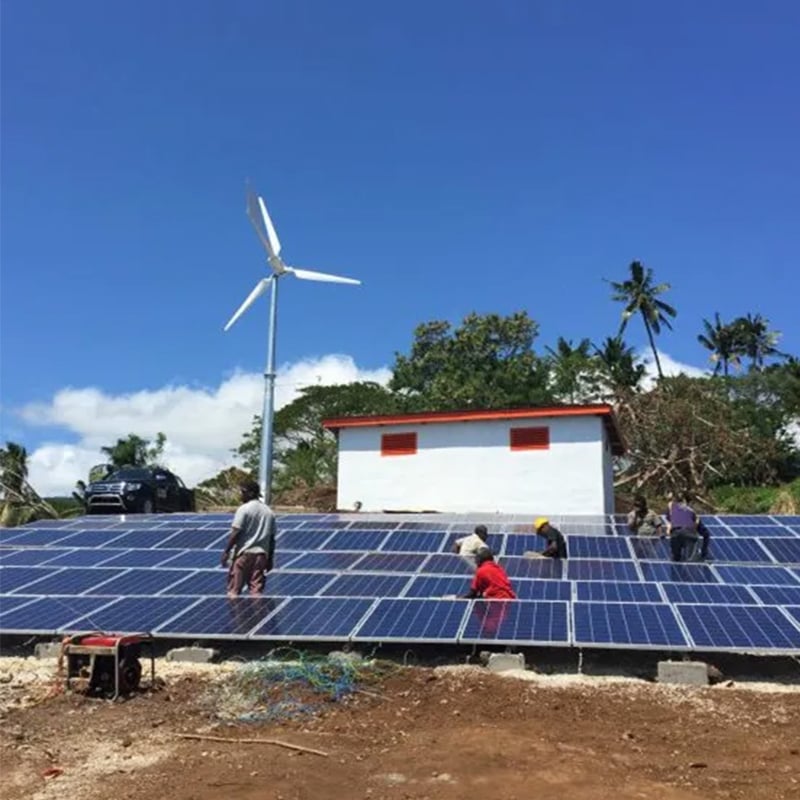
Hybrid Systems: Many businesses are opting for hybrid systems combining wind and solar power, creating a more reliable and consistent energy supply, especially in areas with variable weather patterns.
Understanding the applications of wind power generators allows buyers to better match products with their specific energy needs, maximizing the benefits of renewable energy solutions.
Welcome to DHC, the top brand of wind solar hybrid power system! We provide innovative and effective new energy solutions including wind turbine, solar panel, lifepo4 battery, etc.
 EN