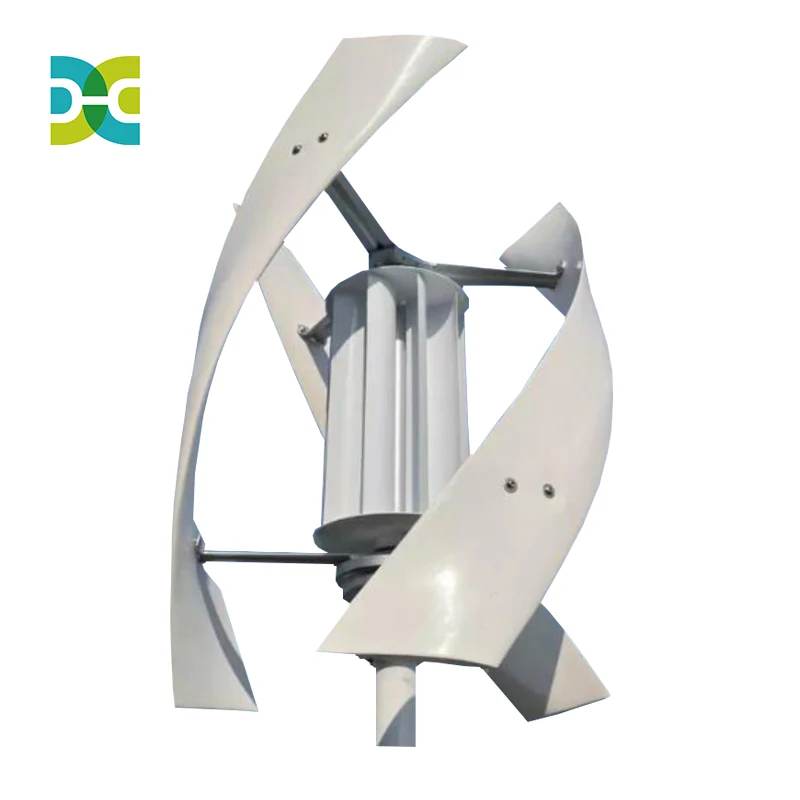
Choosing a small wind power generator for home use involves understanding various factors that affect performance and application. With the growing interest in renewable energy solutions, buyers, including purchasing managers and engineers, seek reliable and efficient systems. This article provides insight into selecting the right vertical wind power generator, covering specifications, supplier reliability, and installation guidance to help you make informed decisions.
When selecting a Jiangsu DHC small wind power generator for home use, several key factors should be evaluated:
Location and Wind Conditions: Assess the average wind speed in your area. Small wind turbines typically require a minimum wind speed to operate efficiently. A site assessment can help determine the best placement and ensure optimal energy generation.
Generator Size and Power Output: The size of the generator directly relates to its power output. Smaller turbines may generate between 400 watts to 10 kW, depending on the model and wind conditions. Consider your household energy needs and choose a generator that aligns with your consumption patterns.
Noise Levels: While wind turbines are generally quieter than other power generation systems, it's important to consider the noise levels, especially if the system will be installed near residential areas. Look for models that prioritize low noise emissions.
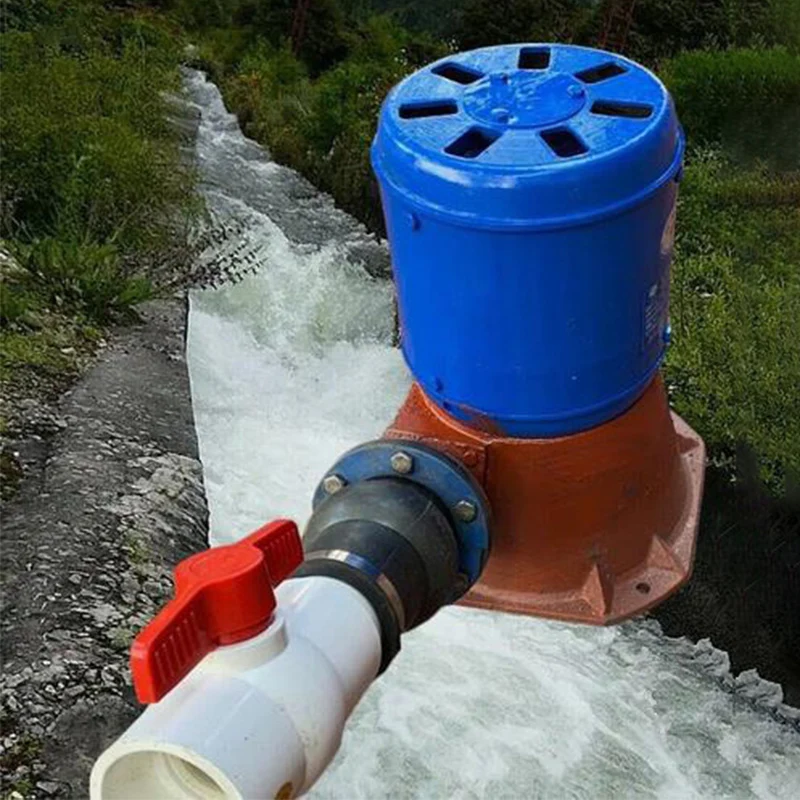
Durability and Materials: The construction materials of the wind turbine significantly influence its longevity and performance. Look for corrosion-resistant materials, especially if the micro hydro power generator will be exposed to harsh weather conditions.
Regulatory Compliance: Ensure that the chosen generator adheres to local regulations and safety standards. This includes building permits and any zoning laws relevant to wind turbine installations.
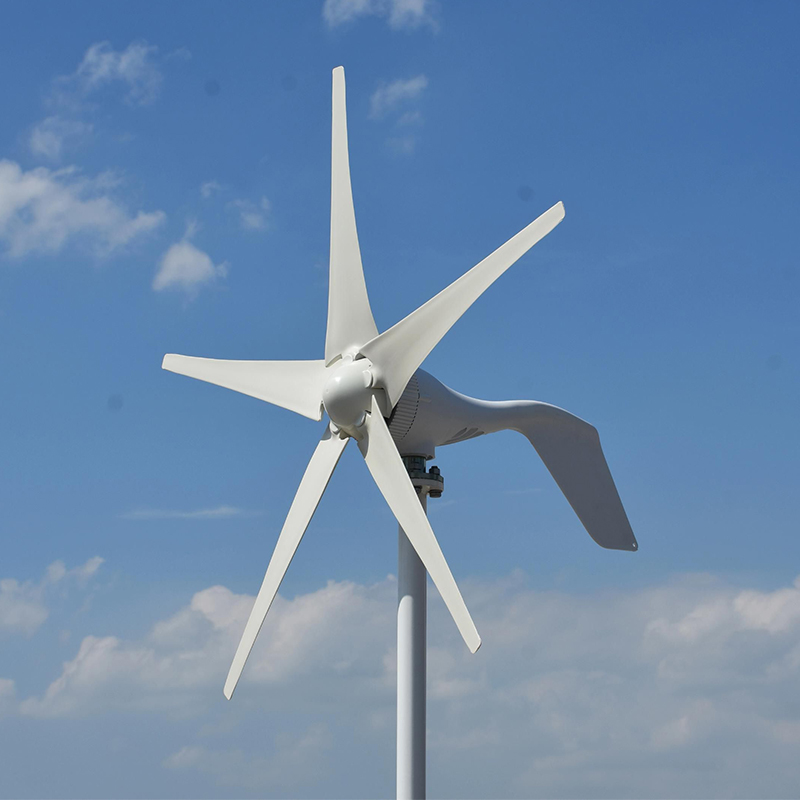
Understanding the specifications of small wind power generators is crucial for making an informed purchasing decision. Here are the key specifications to consider:
Rated Power Output: This refers to the maximum electrical output under ideal wind conditions. It’s important for buyers to match this rating with their energy needs, especially for those who may want to offset their electricity bills.
Cut-in and Cut-out Wind Speeds: These speeds determine the operational range of the turbine. The cut-in speed is the minimum wind speed at which the generator starts producing power, while the cut-out speed is the maximum wind speed at which the turbine safely operates. Choose a model with a suitable range for your specific wind conditions.
Rotor Diameter: A larger rotor diameter typically captures more wind, leading to higher energy production. However, this also means more space is required for installation. Evaluate the space available at your installation site.
Total Height: The total height of the turbine, including the tower, impacts the wind exposure. Taller turbines generally capture more wind. Consider any height restrictions from local regulations when selecting a model.
Material Specifications: The use of high-quality materials not only affects performance but also the durability of the turbine. Look for turbines made from robust materials like fiberglass or reinforced composites for longevity.
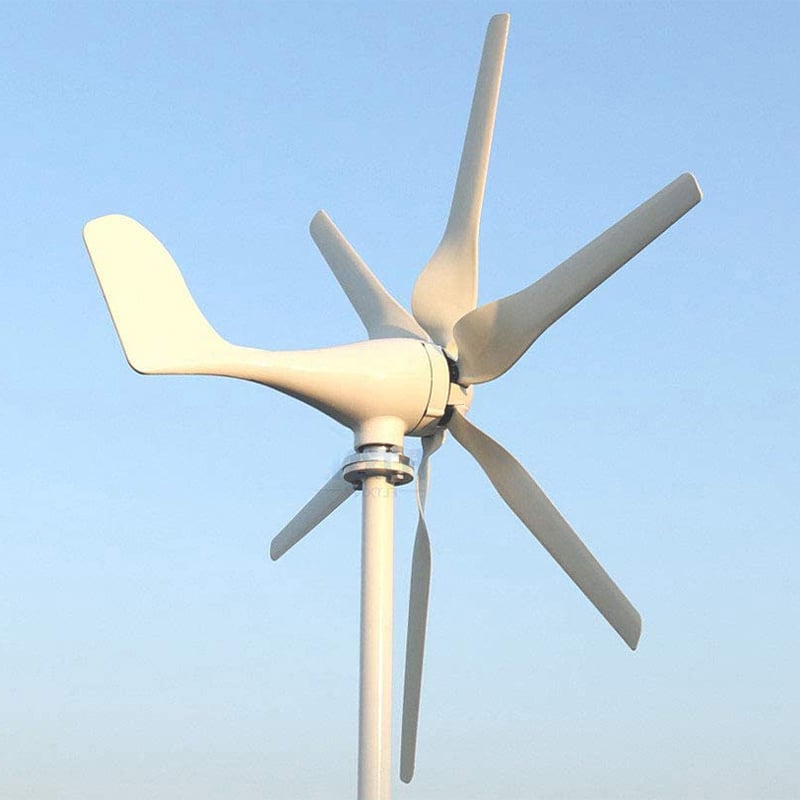
Finding a reliable supplier for small wind power generators is essential for ensuring quality and support. Here are some tips for identifying trustworthy suppliers:
Industry Reputation: Research companies within the renewable energy sector, focusing on their history and customer reviews. Established brands, like Jiangsu DHC Environmental Si-Tech Co., Ltd., with 15 years of experience, often have a proven track record of delivering reliable products.
Certifications and Compliance: Verify that the supplier’s products meet industry standards and certifications. This could include ISO certifications or compliance with local regulatory requirements for safety and performance.
Customer Support and Service: A good supplier should offer comprehensive customer support, including pre-sale consultations, installation guidance, and post-sale service. Check if they provide warranties and maintenance options for their products.
Customization Capabilities: Suppliers that offer customization options can tailor products to meet specific buyer needs. Discuss your requirements with potential suppliers to determine their flexibility.
Supply Chain Partnerships: A supplier with strong supply chain partnerships can ensure timely delivery and consistent quality. Inquire about their manufacturing capabilities and relationships with component manufacturers.
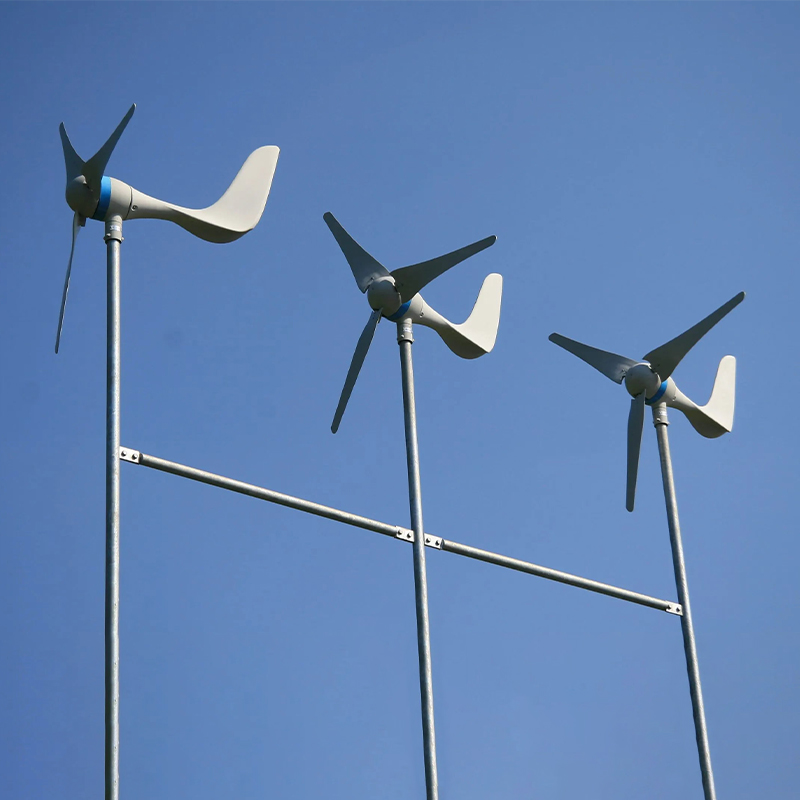
When preparing to purchase a small wind power generator, consider the following actionable steps:
Define Your Energy Needs: Calculate your average energy consumption to understand the power requirements. This will help you choose a generator with an appropriate power output.
Gather Technical Specifications: When requesting quotes, provide detailed specifications, including desired power output, rotor diameter, and installation location. This allows suppliers to offer tailored solutions.
Request Samples or Demonstrations: If possible, request a demonstration or sample unit to evaluate performance. This will help you assess the product before committing to a full order.
Compare Pricing and Terms: Obtain quotes from multiple suppliers to compare pricing, including total costs for shipping, installation, and any additional services. Pay attention to terms and conditions regarding warranties and returns.
Check References: Ask for references from other buyers or case studies to understand the supplier's reliability and customer satisfaction level.
Integrity is foundation of our company. offer real power equipment, as well as skilled Wind turbine. In the case of wind turbines, {you can pay attention it is important to commitment to integrity the basis of our business. We provide genuine power equipment, as well as expert service. Consider parameters such as blade diameter as well as wind turbine weight when looking at wind turbines. DHC promises that its products are able to deliver real power without exaggerating the power.
Solar wind power systems are the main focus our wind turbine and generator. can provide our customers with custom solutions using expert supply chain management capabilities the ability to integrate. will offer you high-quality service all hours of day from production to design and after-sales.
primary products wind turbines, solar panels and lifepo4 batteries. customers will receive a one-stop-shop service the integration and Vertical wind turbine a wind-solar hybrid as well as smart photovoltaic system. DHC provides reliable products, technologies, and after-sales service to customers with excellent delivery capability.
As leading brand in wind-powered hybrid power systems DHC is the only company with own wind turbine factory integrating R D development, design, production technical services. Since 2009 our founders have embraced idea of protecting the environment, immersed in new technology, and embraced company's Vertical wind turbine that focuses on "diligence and honesty, as well as cooperation and innovation." Our DHC brand DHC is a result of this.
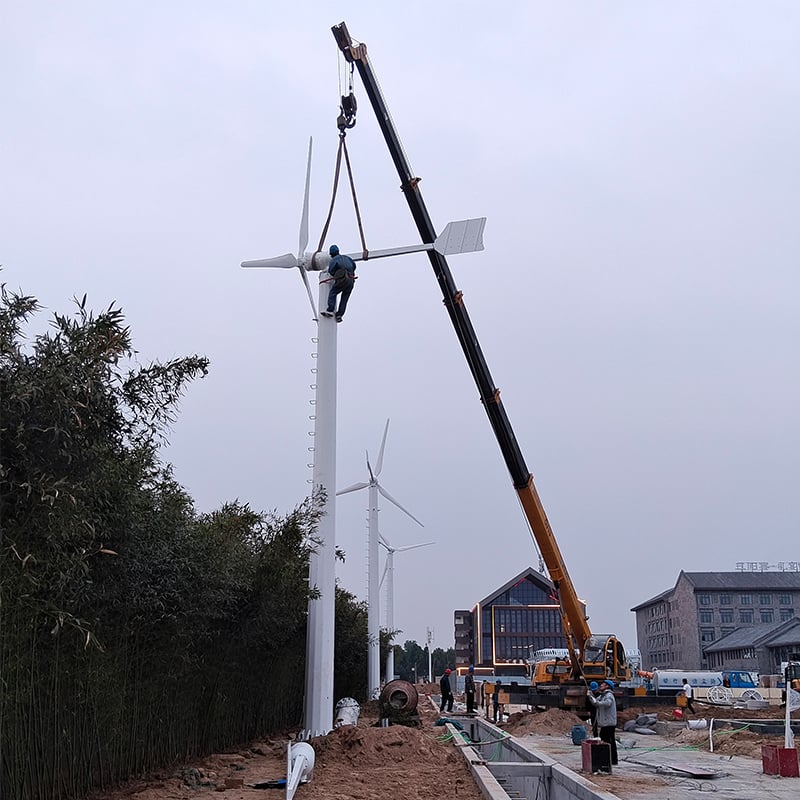
Proper installation of your Jiangsu DHC small wind power generator is critical for optimal performance. Here are key considerations for installation:
Site Assessment: Before installation, conduct a thorough site assessment to identify the best location for wind capture. This may involve measuring wind speed and determining potential obstructions like trees or buildings.
Foundation Requirements: Ensure a solid foundation for the turbine, which is essential for stability. The foundation design should be suitable for the local soil conditions and the size of the turbine.
Height Considerations: Install the turbine at a height that maximizes wind exposure while complying with local regulations. Taller installations tend to yield better performance.
Electrical Connections: Ensure that all electrical connections are carried out by qualified professionals to avoid safety hazards. The wind power generator should be connected to a proper inverter system for compatibility with household electrical systems.
Regular Maintenance: After installation, schedule regular maintenance checks to ensure the turbine remains in optimal working condition. This includes checking for wear and tear on components and verifying that the electrical systems are functioning properly.
By understanding these factors and following this guidance, you can make informed choices about small wind power generators for home use, ensuring a reliable and efficient renewable energy solution.
Welcome to DHC, the top brand of wind solar hybrid power system! We provide innovative and effective new energy solutions including wind turbine, solar panel, lifepo4 battery, etc.
 EN