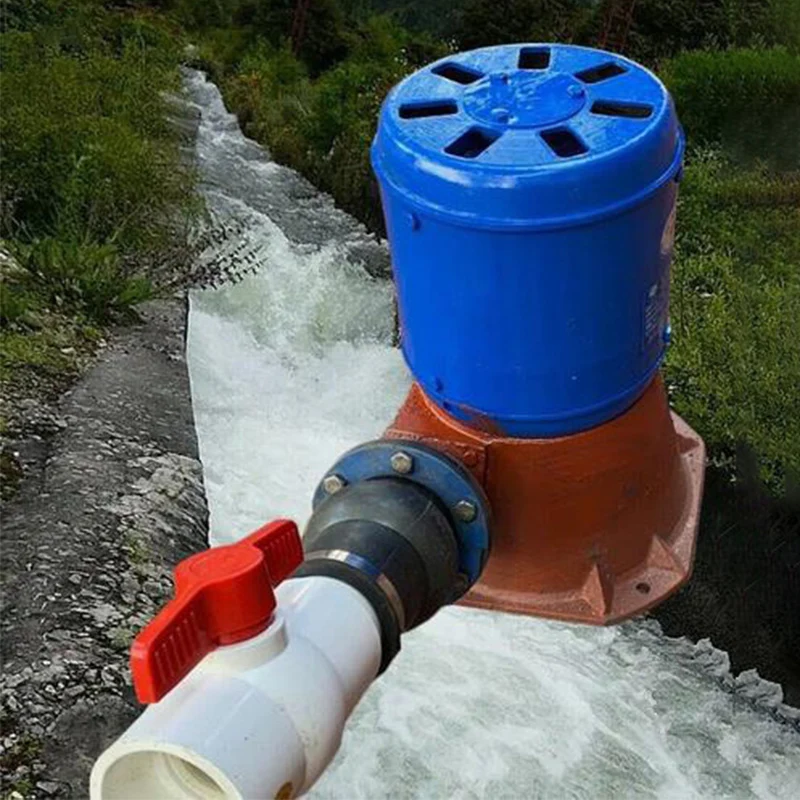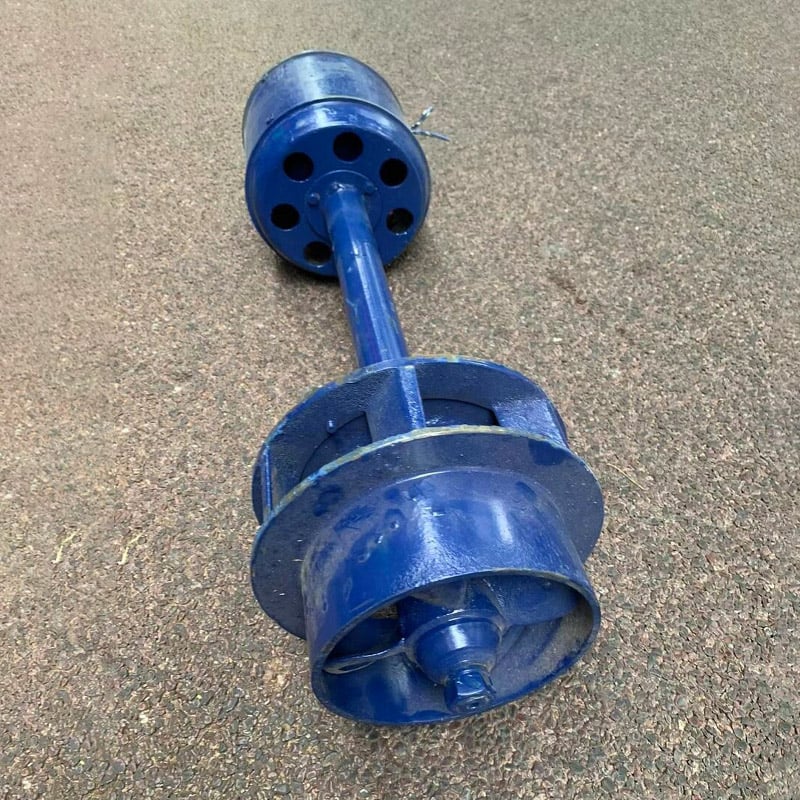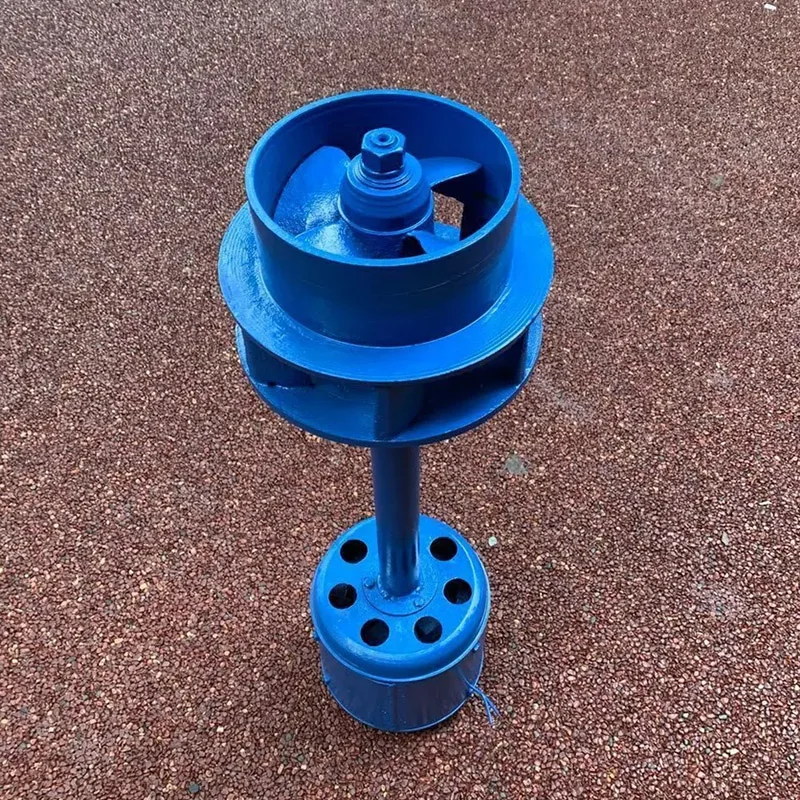
Small wind power generators are an increasingly popular solution for businesses and individuals looking to harness renewable energy. These compact turbines convert wind energy into electricity, providing a sustainable power source for various applications. B2B buyers, such as purchasing managers and engineers, often seek to understand product specifications, installation requirements, and potential applications before making a decision. This article will guide you through essential considerations for small wind generators, helping you make an informed purchasing choice.
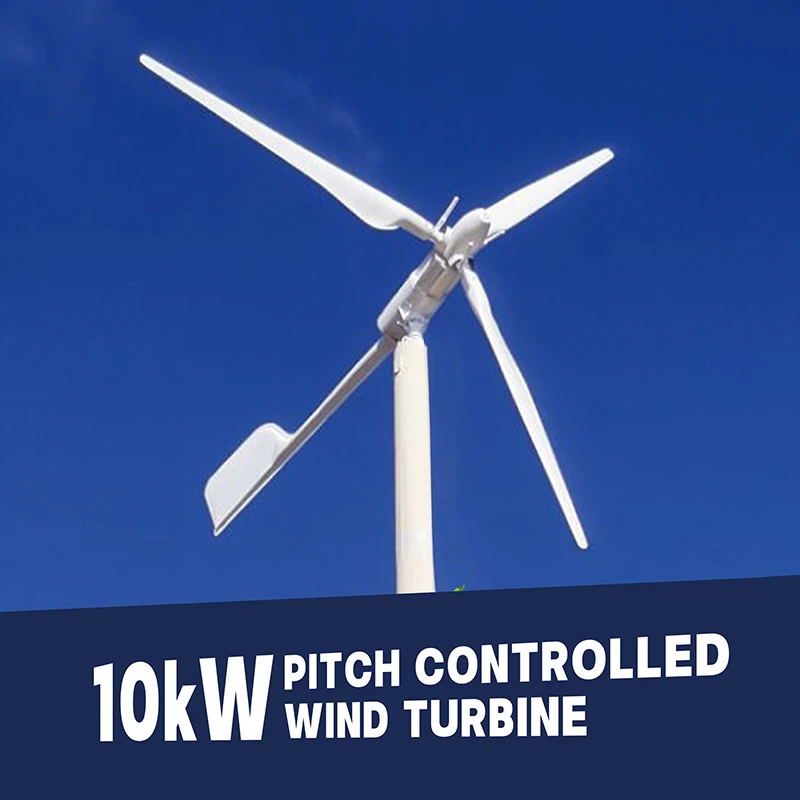
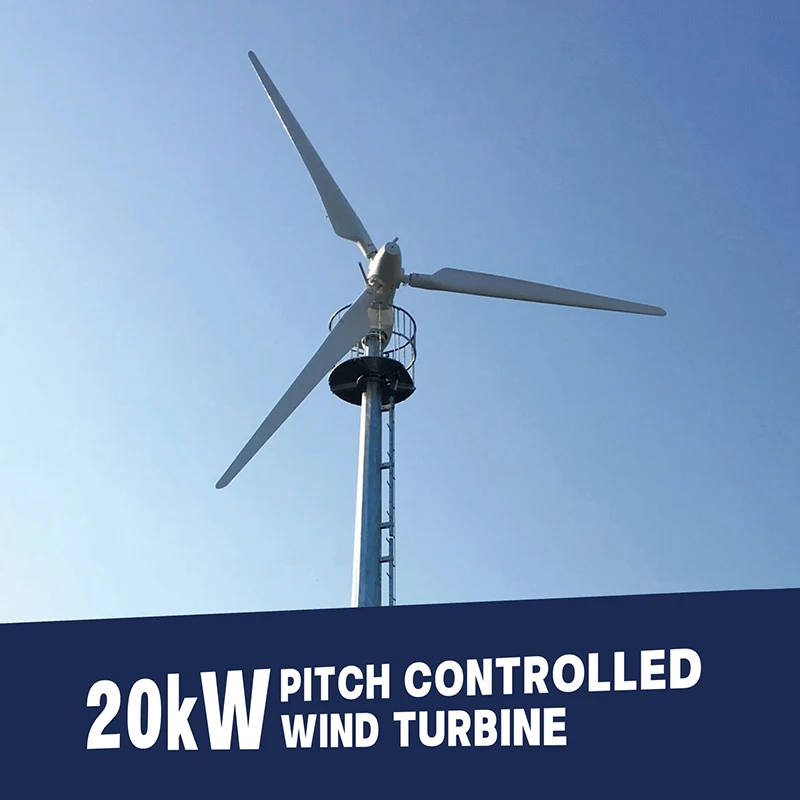
When purchasing small wind power generators in bulk, buyers should consider several key factors to ensure they select the right product for their needs. First, assess the power output requirements to determine the appropriate generator size and capacity. The generator's rated power, typically measured in kilowatts (kW), should align with the expected energy consumption of the intended application, whether for residential, agricultural, or commercial use.
Next, evaluate the manufacturer's reputation and experience in the industry. Established manufacturers, like Jiangsu DHC Environmental Si-Tech Co., Ltd., with over 15 years of experience in renewable energy solutions, often provide more reliable products and support. Additionally, inquire about customization options, as some manufacturers can tailor small wind turbine generator to specific requirements, such as increased output or unique installation conditions.
Finally, consider the minimum order quantity (MOQ) and pricing structures. Understanding these factors upfront will help streamline the procurement process and enable you to negotiate better terms with suppliers.
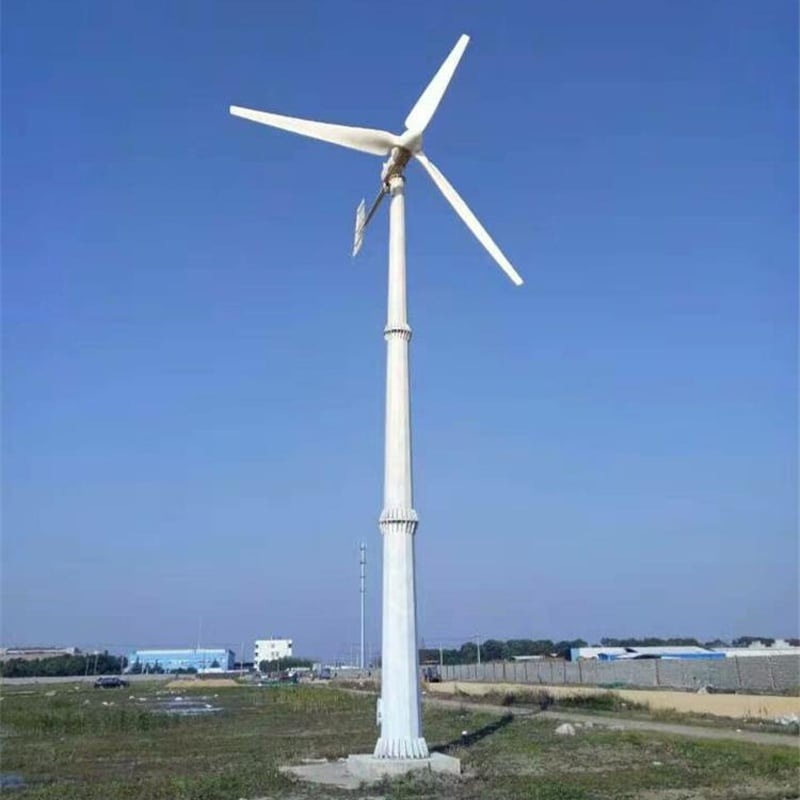
When assessing small wind power generator brands, focus on key quality features that impact performance and durability. Look for small wind generators constructed with high-quality materials, such as corrosion-resistant metals and robust polymers, which enhance longevity and reduce maintenance needs. Also, examine the design and engineering of the turbine blades; efficient aerodynamic designs can significantly improve energy capture and conversion efficiency.
Another critical aspect is the generator's certification. Products that comply with international standards or have undergone rigorous testing often indicate a higher level of quality assurance. For example, turbines that meet IEC (International Electrotechnical Commission) standards ensure they can withstand various environmental conditions.
Lastly, consider the availability of technical support and warranty options from the manufacturer. Reliable customer service can be invaluable during installation and maintenance, making it a crucial factor in your decision-making process.
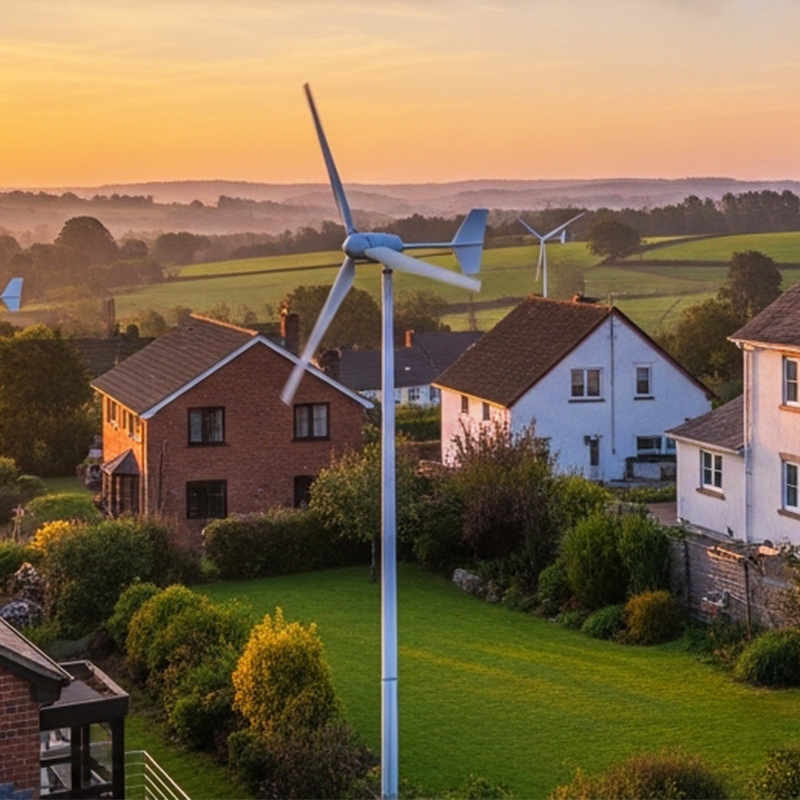
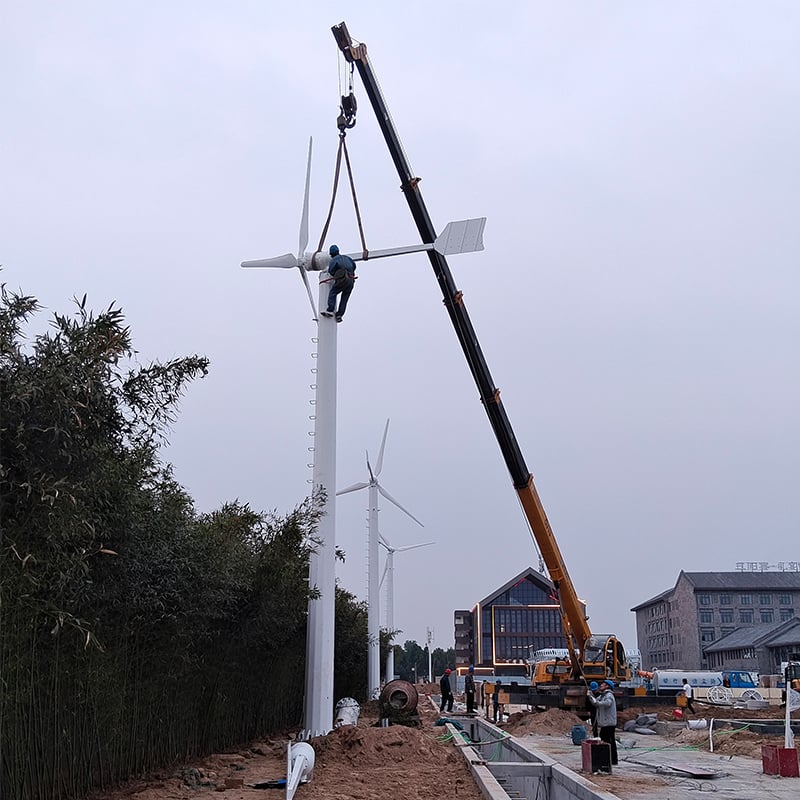
Proper installation of small wind power generators is essential for optimal performance. Before installation, conduct a site assessment to analyze wind patterns and average wind speeds in the area. This will determine the most suitable location for the turbine, ideally at a height that maximizes wind exposure while adhering to local zoning regulations.
Additionally, ensure that the installation site allows for adequate spacing between the generator and nearby structures, as obstacles can disrupt airflow and reduce efficiency. Ground stability is also a critical factor; the foundation must be robust enough to support the generator's weight and withstand high winds.
Finally, familiarize yourself with the installation manual provided by the manufacturer, as specific guidelines will vary by model. Engaging a professional installer experienced in renewable energy systems can help prevent common installation errors and ensure compliance with safety standards.
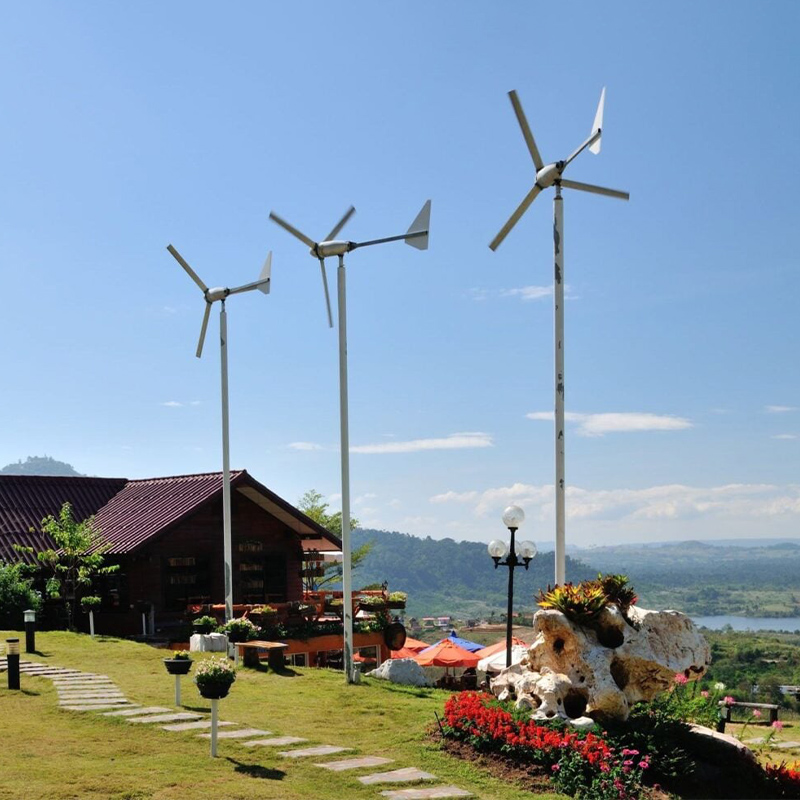
Small wind power generators have diverse applications across multiple industries. In agriculture, they can provide a reliable power source for irrigation systems, livestock management, and on-site processing facilities, reducing reliance on traditional energy sources and lowering operational costs.
In commercial settings, businesses can utilize small wind turbines to power lighting, heating, and electronic systems, enhancing sustainability efforts and potentially offering significant savings on energy bills. Additionally, small wind power generators are ideal for off-grid applications, such as remote telecommunications towers, weather stations, and rural electrification projects.
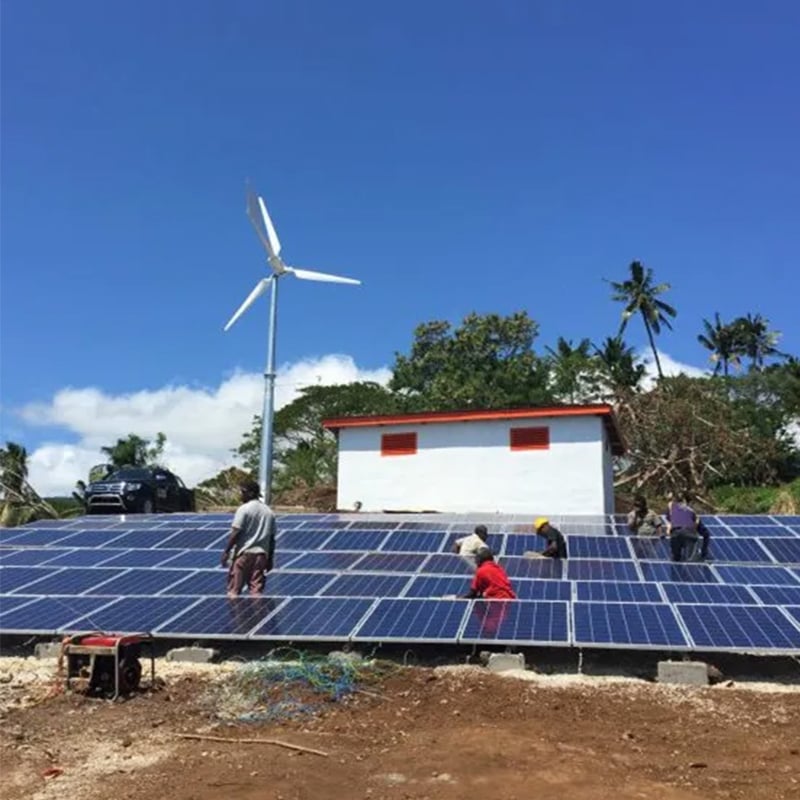
Residential users are increasingly adopting small wind power generators to supplement their energy needs, particularly in rural areas where grid access may be limited. By integrating wind energy with solar power systems, homeowners can create a hybrid solution that maximizes energy independence.
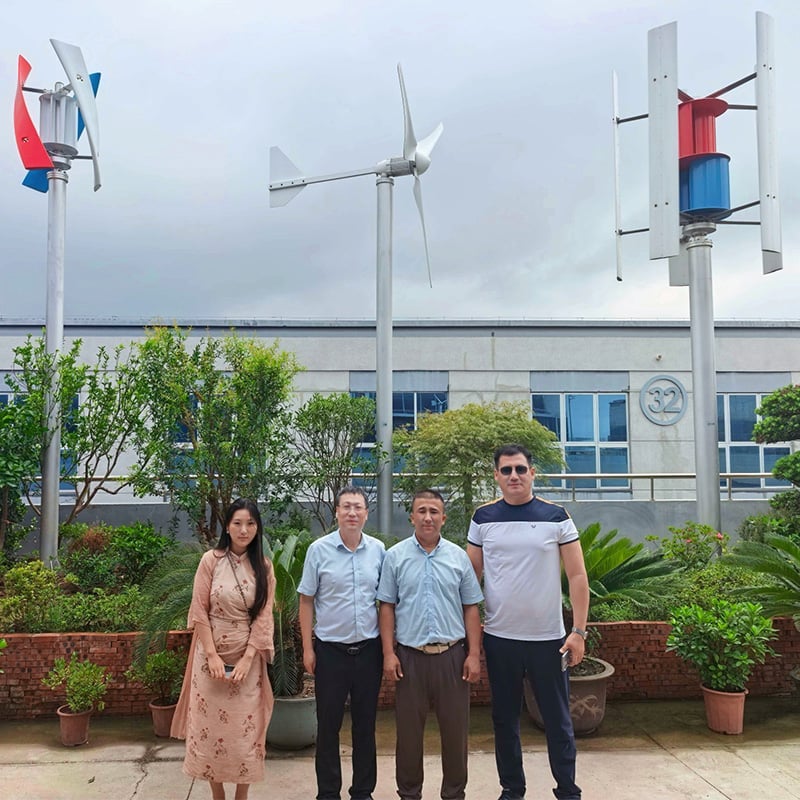
Integrity the cornerstone of company. offer real power solutions offer an expert service. {When it comes to wind turbines, {you can pay attention it is important to Integrity is the foundation our company. We offer real power equipment, as well as skilled service. You can consider parameters like blade diameter as well as wind you should pay attention aspects like blade's diameter as well as weight. promise that all products produced by DHC come with 2kw vertical axis wind turbine power output and not overinflated power.
Wind solar energy wind turbine generator our primary focus. We can provide customers with customized solutions with professional capability of managing supply chains as well as ability integrate. Tell us what want to achieve. needs, from de sign, manufacturing, through after-sales and more, will offer you real-time professional support throughout the day.
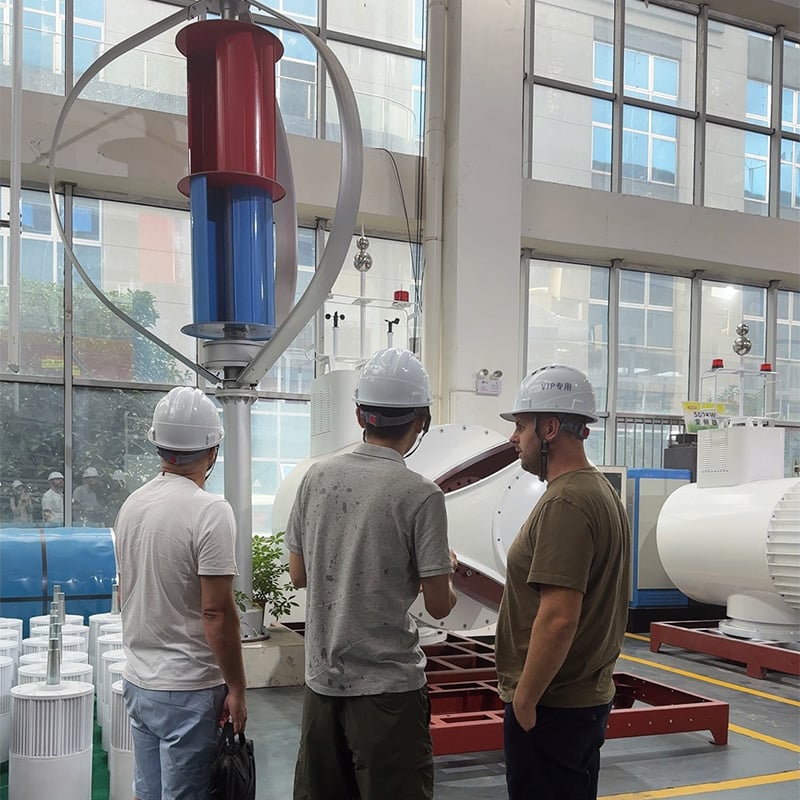
DHC is leading brand in the hybrid wind solar power systems. It has own factory that incorporates R D production, design, and technical services. Since 2009 the founders DHC have been implementing the idea protecting the environment and have been immersed in the latest technology and Wind turbine the corporate values "diligence and integrity, co-operation and creativity." This is also the source of our name "DHC".
Our main products include wind turbines solar panels. can provide customers with all-in-one service for design and integration smart photovoltaic systems, as well as wind-solar hybrid systems. DHC is reliable supplier products, technologies after-sales 2kw vertical wind turbine customers with its excellent delivery capability.
The material quality of small wind power generators plays a crucial role in their performance and durability. When evaluating potential products, consider the following materials:
Turbine Blades: Look for blades made from high-strength composites or reinforced plastics. These materials offer a good balance of lightweight construction and resilience, allowing them to withstand high winds without compromising efficiency.
Generator Housing: The housing should be constructed from corrosion-resistant materials, such as stainless steel or coated metals, to protect internal components from environmental factors. A robust housing design also contributes to the overall structural integrity of the generator.
Mounting System: The mounting brackets and poles should be made from durable materials like galvanized steel or aluminum to ensure stability and resistance to rust and wear.
Pay attention to how the materials affect the generator's overall weight and installation requirements. A generator that is too heavy may necessitate additional support structures, while a lightweight model may not provide the necessary durability. Always ask manufacturers for material specifications and any certifications that verify their quality standards.
By understanding these material considerations and working with established manufacturers like Jiangsu DHC Environmental Si-Tech Co., Ltd., buyers can ensure that their investment in small wind power generators is sound and sustainable.
Welcome to DHC, the top brand of wind solar hybrid power system! We provide innovative and effective new energy solutions including wind turbine, solar panel, lifepo4 battery, etc.
 EN