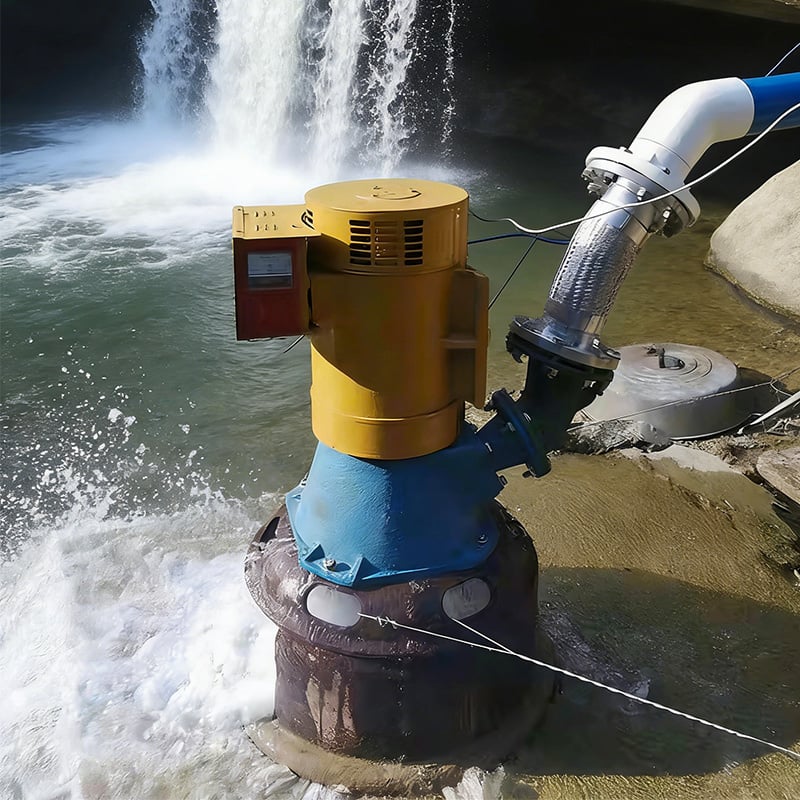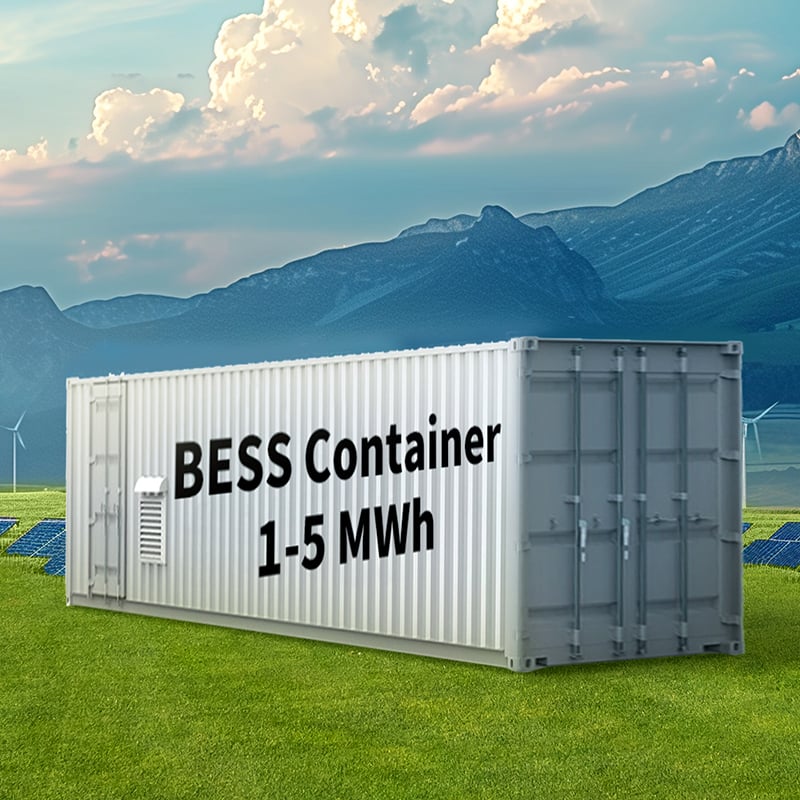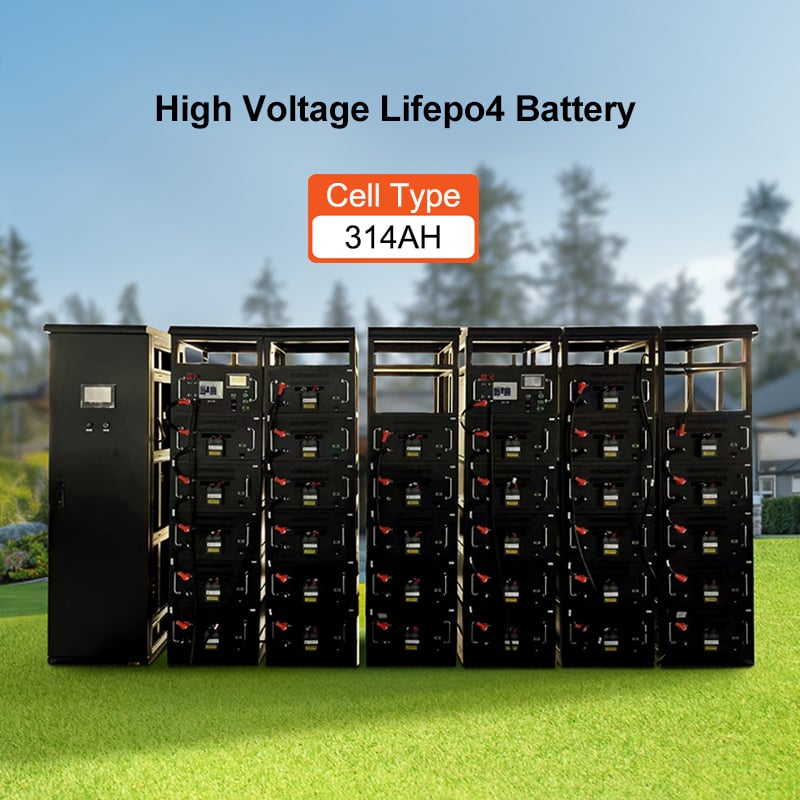
Wind power generators for home use are an increasingly popular solution for homeowners looking to reduce their reliance on traditional energy sources and lower utility bills. These systems harness wind energy to provide clean, renewable power, making them an attractive option for environmentally conscious consumers. We will explore the key aspects of purchasing a wind power Generator for Turbine for residential use, including how to compare different models, wholesale purchasing options, cost evaluations, and practical applications in home settings.
When considering a wind power generator for home use, buyers should focus on a few critical aspects: power output, size, and installation requirements. Understanding the power output, measured in watts or kilowatts, is essential as it determines how much energy the generator can supply to your home. The size of the turbine is another important factor; larger turbines typically generate more power but require more space and may have stricter zoning regulations.
Buyers should also consider the generator's material construction and durability, as these factors greatly influence the longevity and efficiency of the system. Wind turbines are commonly made from materials like aluminum, fiberglass, or reinforced plastics, each offering different benefits in terms of weight, resistance, and cost.
In addition, potential purchasers should evaluate customization options to ensure that the generator meets their specific energy needs and site conditions. Working with a reputable manufacturer, like Jiangsu DHC Environmental Si-Tech Co., Ltd., can provide tailored solutions that optimize performance based on local wind conditions and energy consumption patterns.
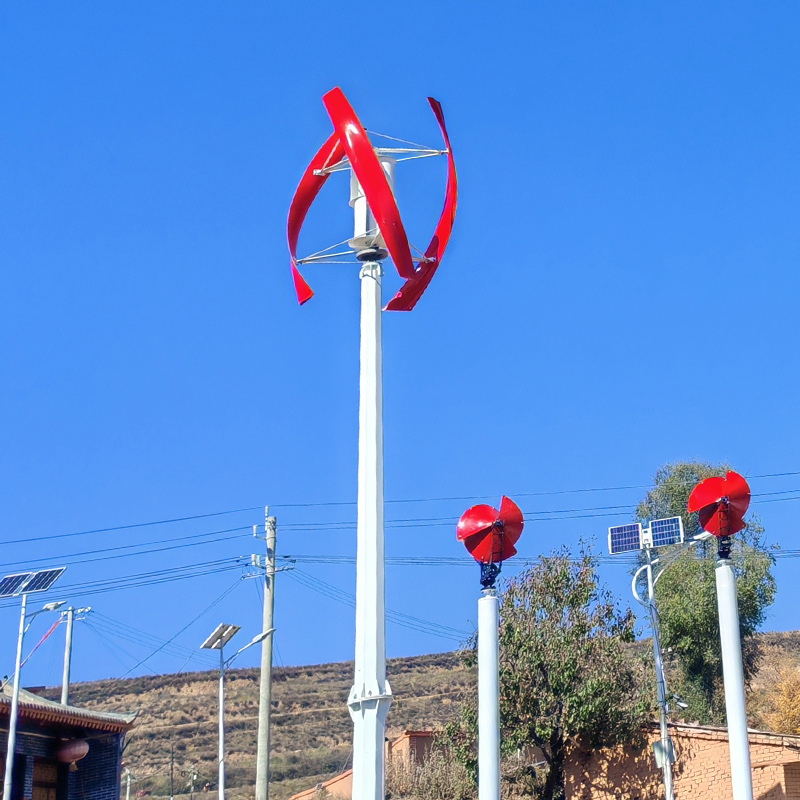
To effectively compare Permanent Magnet Generator, buyers should look at several key specifications:
Rated Power Output: This indicates how much energy the turbine can produce under optimal wind conditions. It is crucial to match the generator's output to your expected energy consumption.
Cut-in Wind Speed: This is the minimum wind speed at which the turbine begins to generate power. A lower cut-in speed is preferable for residential areas where wind conditions may vary.
Cut-out Wind Speed: This refers to the wind speed at which the turbine will shut down to prevent damage. Understanding this can help in assessing the safety and operational limits of the turbine.
Height and Diameter: The height of the tower and the rotor diameter impact the efficiency of the turbine. Taller towers allow for better wind capture, while larger rotor diameters can harness more energy.
Noise Level: Wind turbines can produce noise, which may be a concern in residential areas. Comparing decibel ratings will help buyers find a quieter model suitable for their home.
Warranty and Support: A solid warranty and customer support from the manufacturer can significantly influence long-term satisfaction and maintenance.
By using these criteria, buyers can make informed comparisons and select a wind power generator that meets their needs.
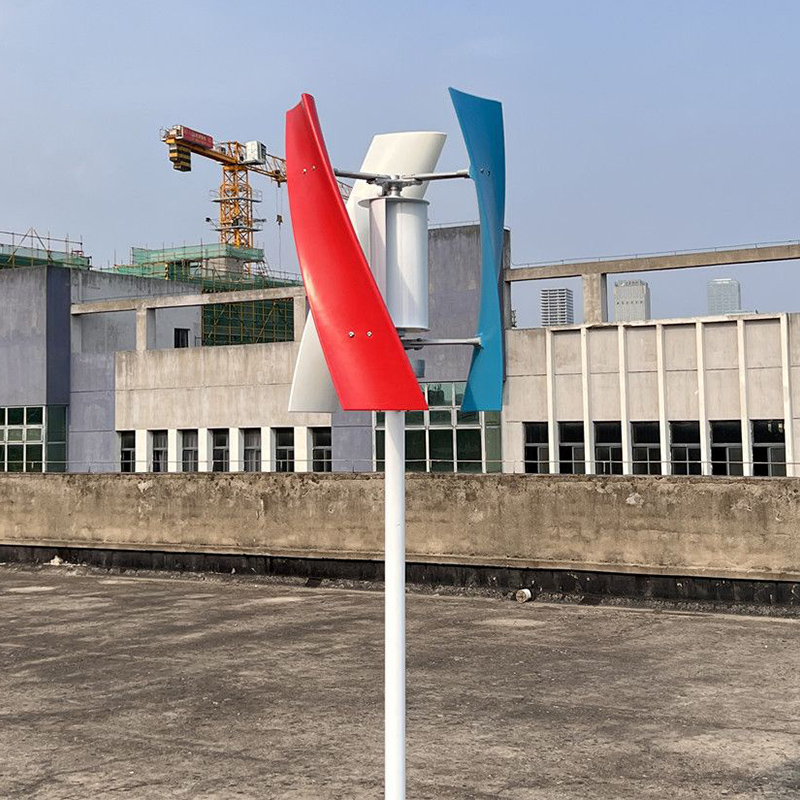
For businesses or individuals looking to purchase wind power generators at scale, wholesale purchasing offers numerous advantages. Jiangsu DHC Environmental Si-Tech Co., Ltd. provides competitive pricing and customizable solutions for bulk orders. Buyers should consider the following when pursuing wholesale options:
Minimum Order Quantity (MOQ): Understand the manufacturer's MOQ for wholesale purchases. This will help in planning inventory and ensuring that sufficient stock is available.
Customization Capabilities: Many manufacturers offer customization for bulk orders. This could include variations in design, specifications, or even branding, tailored to specific market needs.
Shipping and Logistics: Evaluate shipping options and costs associated with bulk orders. Working with a supplier that has established logistics partnerships can streamline the delivery process and reduce lead times.
Payment Terms: Discuss payment options with the supplier. Flexible payment terms can make it easier for businesses to manage cash flow while investing in renewable energy solutions.
By exploring these wholesale purchasing options, buyers can not only secure better pricing but also ensure they are receiving products that align with their specific requirements.
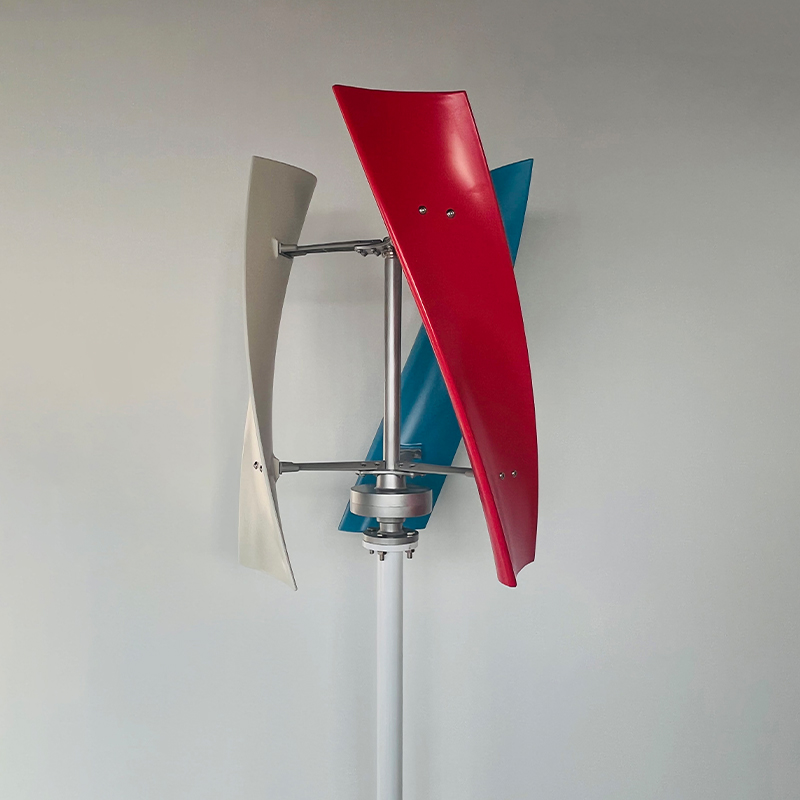
The cost of a wind power generator for home use can vary widely based on several factors. Here are the key considerations that buyers should keep in mind:
Initial Investment: This includes the purchase price of the wind turbine itself and any additional equipment required for installation, such as towers, inverters, and batteries. It’s essential to obtain detailed quotations from manufacturers to understand the total cost.
Installation Costs: Labor costs for installation can vary significantly based on location and the complexity of the installation. Buyers should factor in these costs when budgeting for their wind power system.
Maintenance Costs: Regular maintenance is required to ensure the turbine operates efficiently. Buyers should inquire about the expected maintenance costs and schedule, as well as any warranties that cover potential repairs.
Energy Savings: Over time, the savings on energy bills can offset the initial investment. Buyers should estimate their potential savings based on local energy prices and the expected output of the wind generator.
Incentives and Rebates: Many regions offer financial incentives for renewable energy installations. Buyers should research available tax credits or rebates that can significantly reduce the overall cost of their wind power system.
By evaluating these cost factors, potential buyers can make a more informed decision about their investment in a wind power generator for home use.
Solar wind power systems are the main focus our wind turbine and generator. can provide our customers with custom solutions using expert supply chain management capabilities the ability to integrate. will offer you high-quality service all hours of day from production to design and after-sales.
As most sought-after brand of wind solar hybrid power systems, DHC has own wind turbine factory integrating R D design, production and technical support. founders of DHC have been working on the idea green 2kw vertical axis wind turbine protection since 2009 and immersed in the world of renewable energy adhering to the company's values "diligence as well as honesty, cooperation and innovation." Our DHC brand DHC is the result of this.
Integrity the cornerstone of company. offer real power solutions offer an expert service. {When it comes to wind turbines, {you can pay attention it is important to Integrity is the foundation our company. We offer real power equipment, as well as skilled service. You can consider parameters like blade diameter as well as wind you should pay attention aspects like blade's diameter as well as weight. promise that all products produced by DHC come with 2kw vertical axis wind turbine power output and not overinflated power.
Our main products include wind turbines solar panels. can provide customers with all-in-one service for design and integration smart photovoltaic systems, as well as wind-solar hybrid systems. DHC is reliable supplier products, technologies after-sales 2kw vertical wind turbine customers with its excellent delivery capability.
Wind power generators are versatile and can be utilized in various residential applications. Here are some common scenarios where homeowners can benefit from these systems:
Off-Grid Living: For those living in remote locations without access to the power grid, a wind turbine with generator can provide a reliable energy source, ensuring that homes are powered even in the absence of traditional electricity.
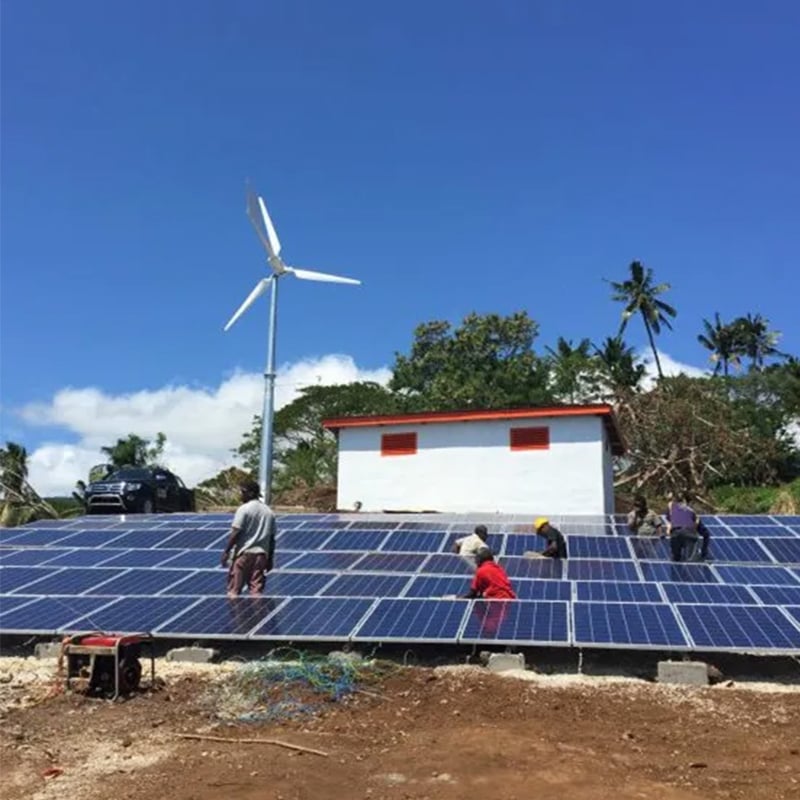
Hybrid Systems: Combining wind power with solar energy systems can enhance energy reliability and efficiency. This hybrid approach allows homeowners to harness multiple renewable energy sources, maximizing energy production throughout the year.
Backup Power Supply: Wind generators can serve as a backup power source during outages, providing essential energy to critical appliances and systems for uninterrupted operation.
Remote Monitoring: Many modern wind power systems come equipped with monitoring technology that allows homeowners to track energy production in real-time, optimizing energy usage and identifying maintenance needs quickly.
By understanding these applications, buyers can visualize how a wind power generator could fit into their energy strategy, making informed decisions that align with their goals for sustainability and energy independence.
Welcome to DHC, the top brand of wind solar hybrid power system! We provide innovative and effective new energy solutions including wind turbine, solar panel, lifepo4 battery, etc.
 EN