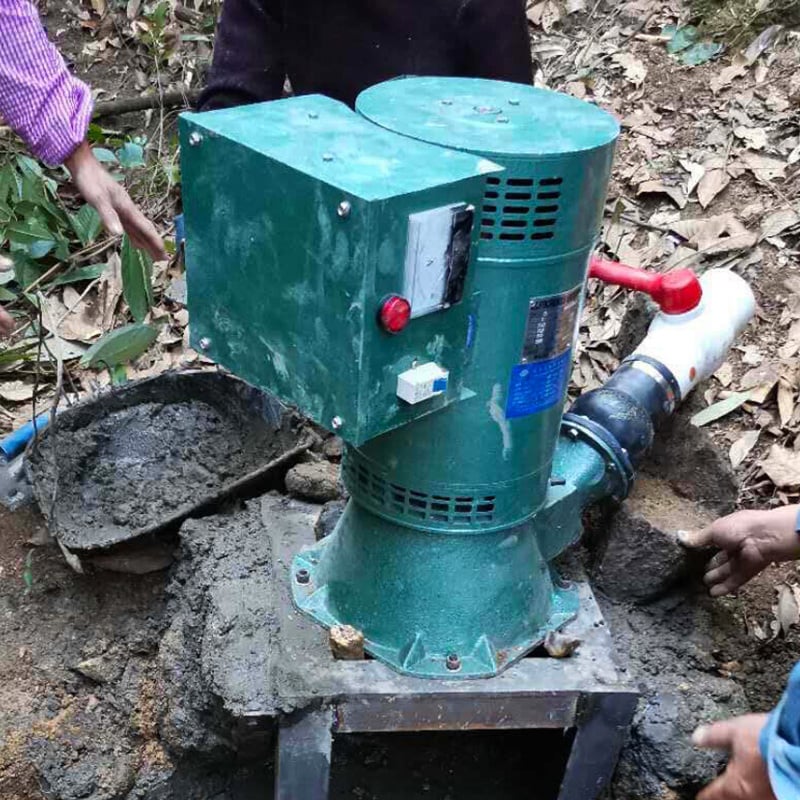
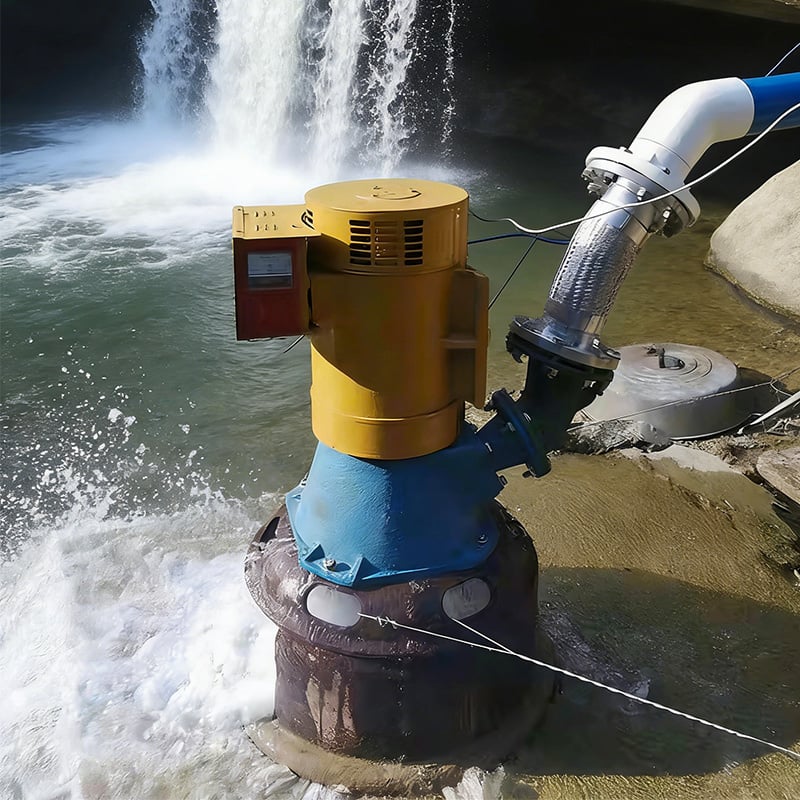
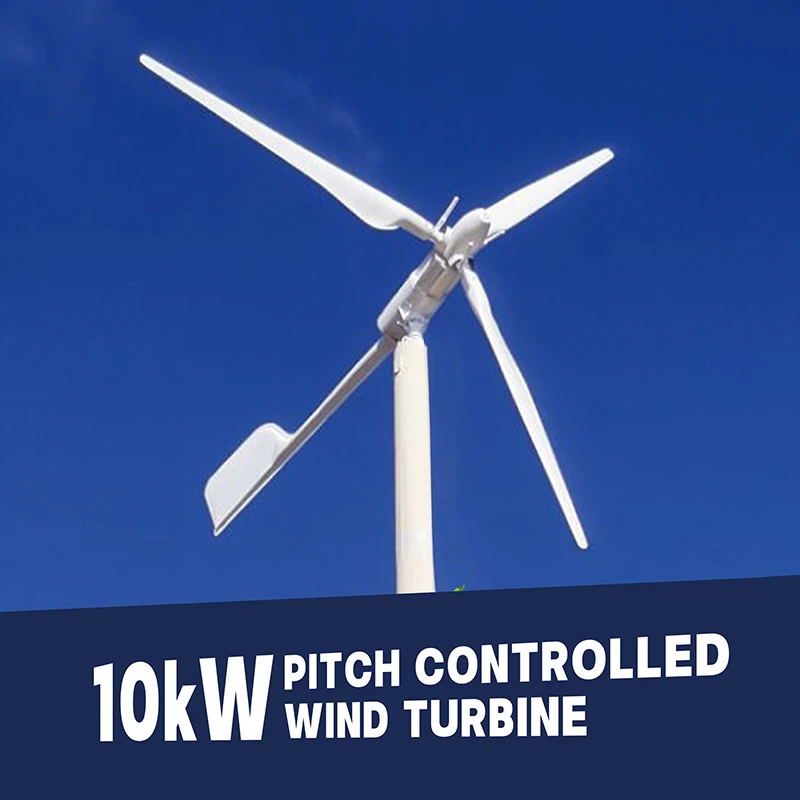
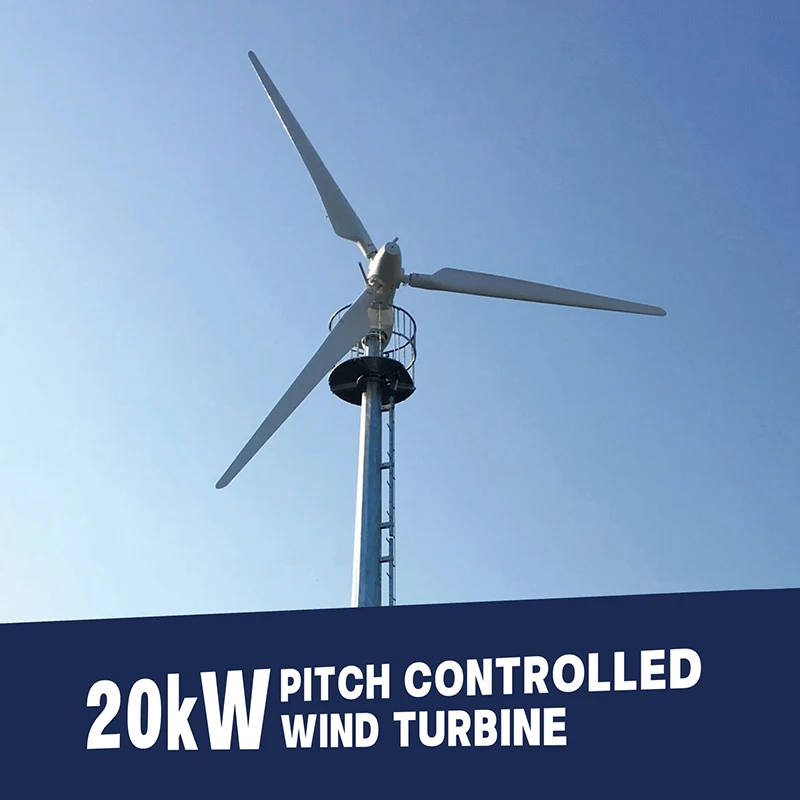
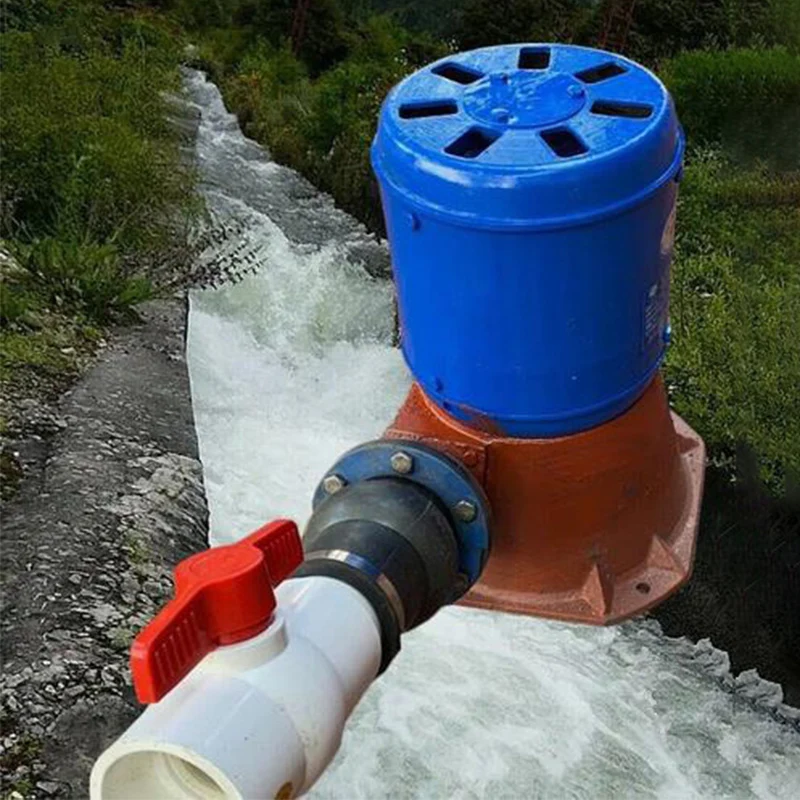
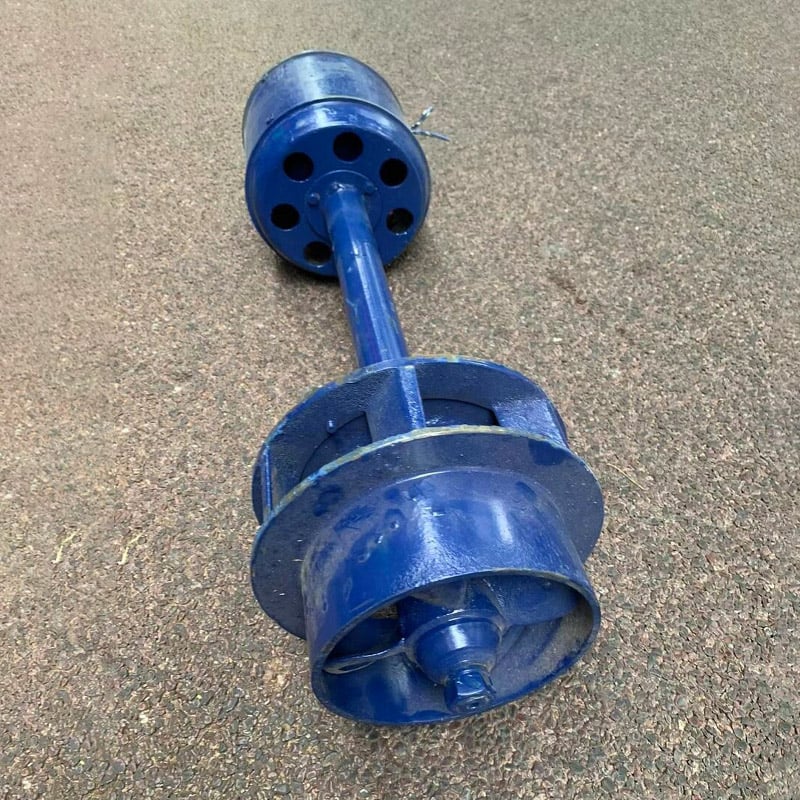
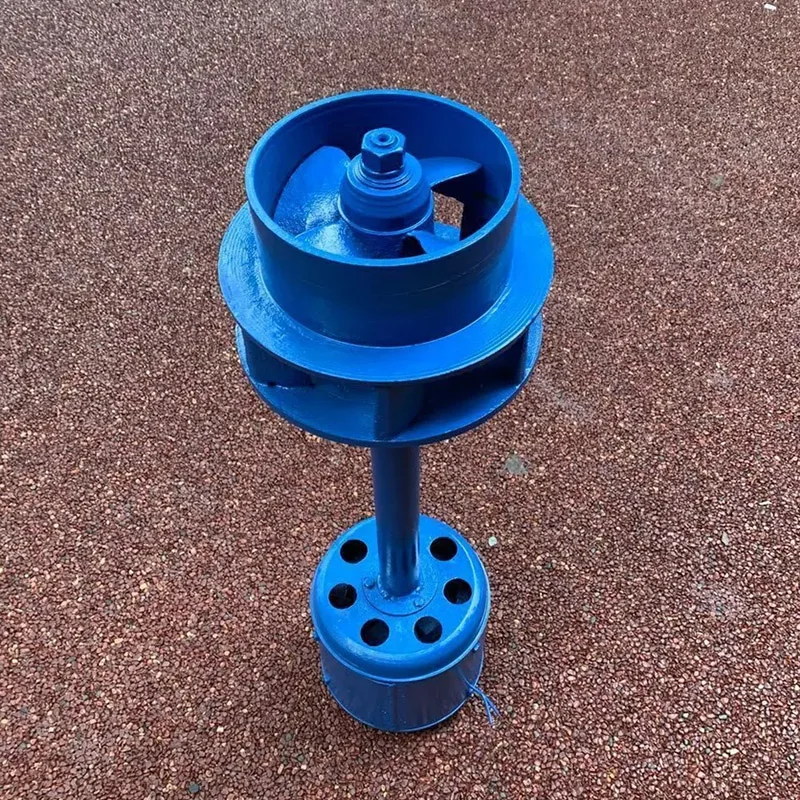
As the demand for renewable energy continues to rise, understanding the factors that influence wind power generator prices becomes essential for B2B buyers, purchasing managers, and engineers. This article will explore the key aspects that affect the pricing of wind power generators focusing on bulk orders, selection criteria, reliable suppliers, common problems, and product comparisons. By gaining insight into these areas, buyers can make informed decisions that align with their project needs and budget.
The price of wind power generators is influenced by several factors, particularly when purchasing in bulk. Key considerations include:
Specifications and Performance: The power output, rated capacity, and efficiency of the wind turbines significantly impact their price. Generators with higher capacity and efficiency ratings typically command higher prices due to advanced technology and material usage.
Materials Used: The quality of materials, such as the type of steel for the tower and the magnets in the generator, plays a crucial role in pricing. Higher-grade materials that offer better durability and performance can increase costs.
Customization Needs: Custom solutions tailored to specific project requirements can lead to higher prices. Factors such as size, design alterations, and additional features will influence the overall cost.
Manufacturing Capabilities: The production technology and capabilities of the manufacturer can also affect pricing. Companies with advanced manufacturing processes may offer more competitive pricing due to efficiencies gained through automation and scale.
Market Demand and Supply Chain Factors: Fluctuations in demand for wind power eolic generator and disruptions in the supply chain can impact prices. Strong partnerships with suppliers, as seen in companies like Jiangsu DHC Environmental Si-Tech Co., Ltd., can help mitigate these fluctuations.
Understanding these factors can help buyers negotiate better pricing and ensure they receive a product that meets their project's needs.
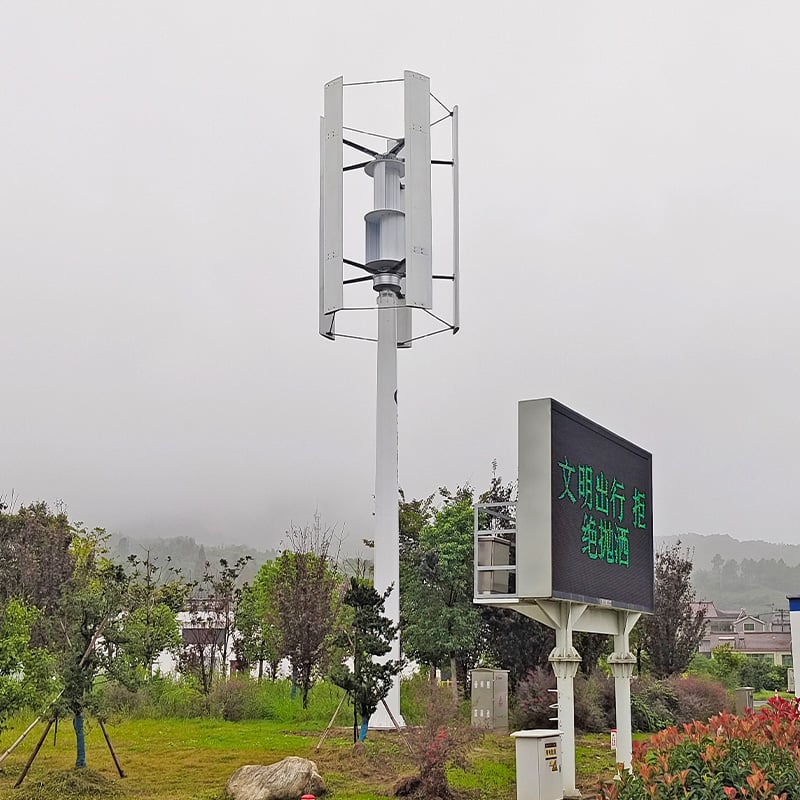
Selecting the right wind power generator involves evaluating several critical criteria:
Power Generation Requirements: Determine the energy needs of your project. This includes assessing the expected energy output based on location wind conditions, and the intended application (e. g., residential, commercial, or industrial).
Site Evaluation: Conduct a site assessment to understand local wind patterns, terrain, and possible obstructions. This evaluation will help in selecting a generator with the appropriate height and design to maximize energy capture.
Budget Constraints: Establish a budget that encompasses not just the purchase price but also installation, maintenance, and potential operational costs. Balancing upfront costs with long-term savings is essential.
Quality Certifications: Look for manufacturers that adhere to industry standards and possess relevant certifications. This ensures the generator meets quality and safety regulations.
After-Sales Support: Choose a supplier that offers robust after-sales support, including installation guidance, maintenance services, and warranty options. This support can enhance the longevity and efficiency of the wind power generator.
By addressing these criteria, buyers can make informed decisions that align with their project goals.
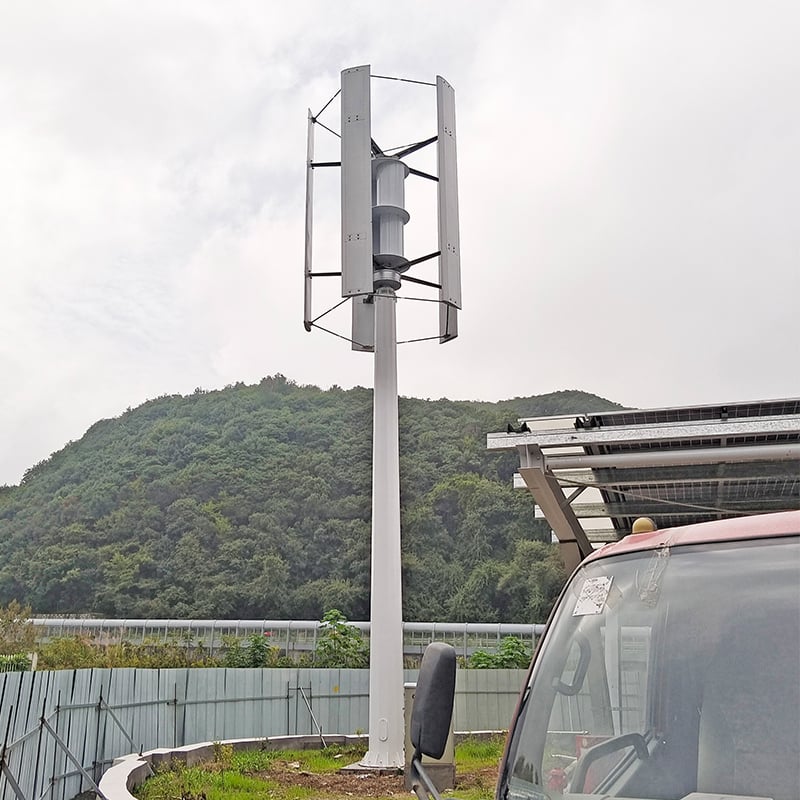
Finding trustworthy suppliers is critical for ensuring quality and reliability in wind power generation. Here are some strategies to identify reputable manufacturers:
Industry Trade Shows and Conferences: Attending renewable energy expos can provide opportunities to meet suppliers, view products firsthand, and gather insights on the latest technologies.
Online Marketplaces and Directories: Websites dedicated to renewable energy components often list manufacturers and suppliers. Look for those with positive reviews and a strong track record in the industry.
Recommendations from Peers: Networking with other professionals in the renewable energy sector can yield valuable recommendations for suppliers known for quality and reliability.
Supplier Audits: Before finalizing a supplier, conduct audits to assess their manufacturing capabilities, quality control processes, and supply chain stability. This step can help mitigate risks associated with purchasing.
Partnerships with Established Brands: Collaborating with well-known manufacturers, like Jiangsu DHC Environmental Si-Tech Co., Ltd., can ensure access to reliable products backed by strong supply chain partnerships.
By leveraging these strategies, buyers can connect with suppliers that align with their project requirements and standards.
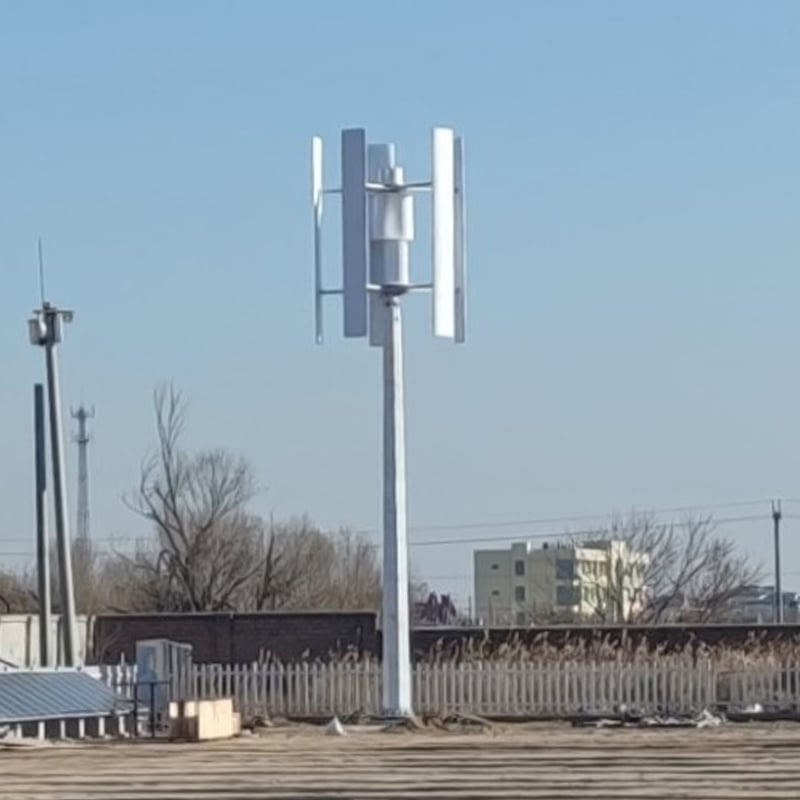
While wind power generators are generally reliable, several common issues can arise during their operation. Understanding these problems and their solutions can enhance project success:
Mechanical Failures: Components such as gearboxes, bearings, and blades may experience wear and tear. Regular maintenance and monitoring can prevent these failures. Implementing condition monitoring systems can help identify issues before they escalate.
Electrical Issues: Problems with wiring, inverters, or control systems may lead to decreased efficiency or generator shutdowns. Regular inspections and using high-quality electrical components can mitigate these risks.
Environmental Factors: Wind turbines can be affected by extreme weather conditions, such as ice or lightning. Designing turbines to withstand local weather conditions and conducting regular inspections can minimize damage.
Noise and Vibration: Excessive noise or vibration can indicate mechanical issues and cause discomfort in residential areas. Proper installation and alignment, alongside regular maintenance checks, can address these concerns.
Grid Compatibility: Ensuring compatibility with local power grids is crucial. Buyers should confirm that the wind turbine and generator output aligns with grid requirements to avoid disruptions.
By being aware of these potential problems and implementing preventive measures, buyers can enhance the reliability and efficiency of their wind power systems.
We're dedicated solving commercial residential electrical needs utilizing a solar/wind power system. With professional supply chain management and integration capabilities, are able to provide customers with completely customized solutions. We'll provide high-quality service all hours of day from Vertical wind turbine to design and after-sales.
primary products wind turbines, solar panels and lifepo4 batteries. customers will receive a one-stop-shop service the integration and Vertical wind turbine a wind-solar hybrid as well as smart photovoltaic system. DHC provides reliable products, technologies, and after-sales service to customers with excellent delivery capability.
Integrity the cornerstone of company. offer real power solutions offer an expert service. {When it comes to wind turbines, {you can pay attention it is important to Integrity is the foundation our company. We offer real power equipment, as well as skilled service. You can consider parameters like blade diameter as well as wind you should pay attention aspects like blade's diameter as well as weight. promise that all products produced by DHC come with 2kw vertical axis wind turbine power output and not overinflated power.
As most sought-after brand of wind solar hybrid power systems, DHC has own wind turbine factory integrating R D design, production and technical support. founders of DHC have been working on the idea green 5000w wind turbine protection since 2009 and immersed in the world of renewable energy adhering to the company's values "diligence as well as honesty, cooperation and innovation." Our DHC brand DHC is the result of this.
When considering wholesale purchasing of wind power generators, comparing different models is essential for making the best choice. Here are pertinent factors to evaluate:
Performance Metrics: Assess the rated power output, efficiency, and cut-in wind speed of each generator. This data helps determine which models are best suited for varying wind conditions.
Physical Dimensions: The size and height of the turbines are crucial for installation and efficiency. Buyers should consider space availability and local regulations regarding turbine height.
Material Quality and Durability: Examine the materials used in construction such as the grade of steel and composite materials for blades. Higher-quality materials may incur higher costs but can lead to better performance and longevity.
Cost Considerations: Compare the total cost of ownership for different models, including initial purchase price, installation costs, maintenance expenses, and expected lifespan. This comprehensive view helps identify the most cost-effective options.
Supplier Reputation: Research the reputation of the manufacturers behind the wind turbine generator. Established brands with a proven track record provide assurance of product quality and reliability.
Customization Options: Review the flexibility of each supplier regarding customization to meet specific project needs. Custom solutions can significantly enhance the fit and function of the generators in their intended applications.
By carefully comparing these aspects, buyers can select the most suitable wind power generators for their needs, ensuring a successful and efficient renewable energy project.
Welcome to DHC, the top brand of wind solar hybrid power system! We provide innovative and effective new energy solutions including wind turbine, solar panel, lifepo4 battery, etc.




 EN