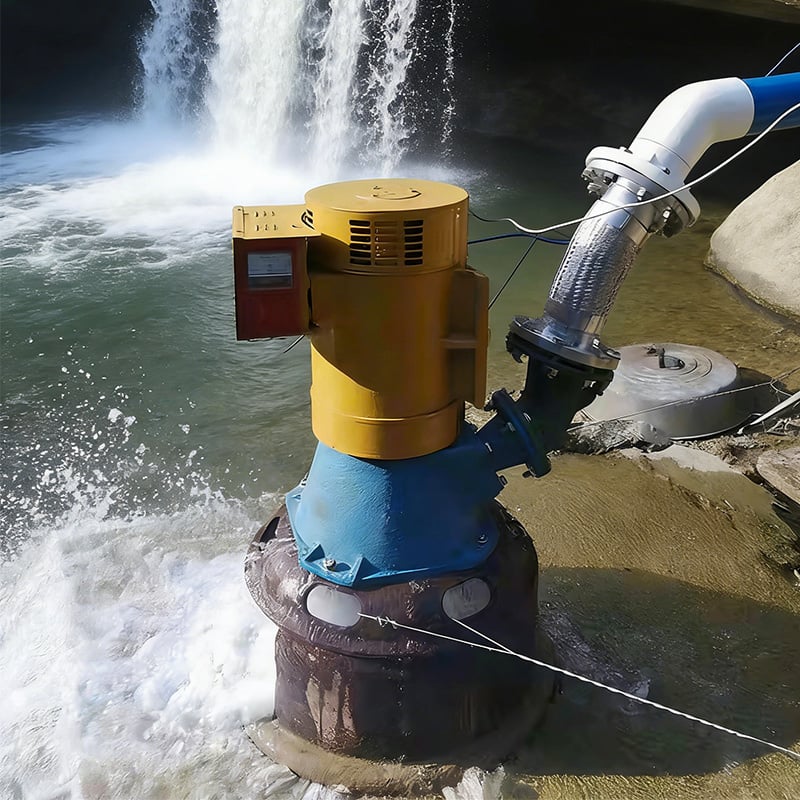
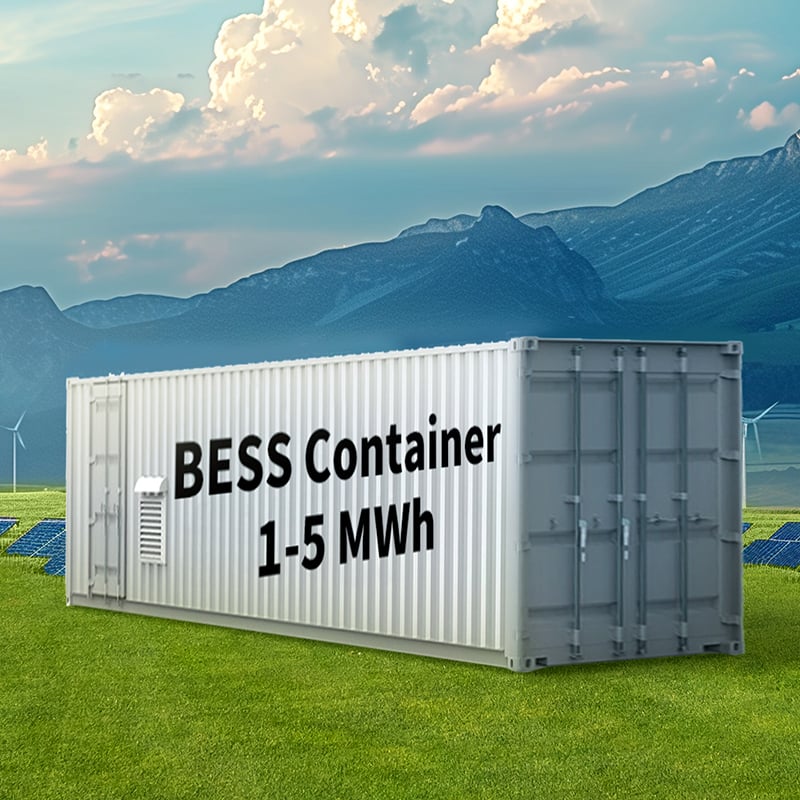
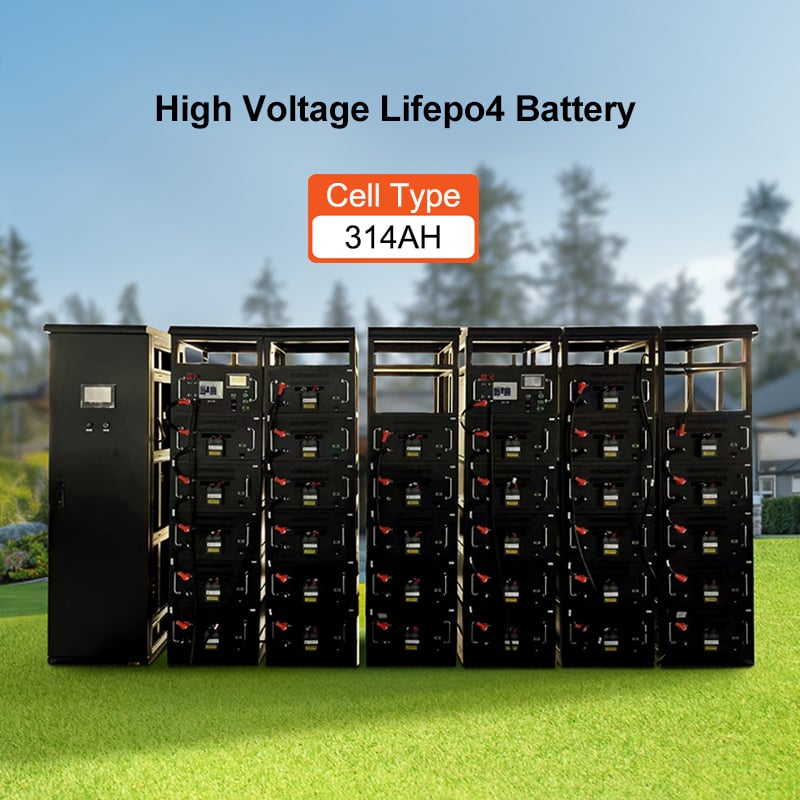
Residential wind power generators are an increasingly popular solution for homeowners looking to reduce energy costs and embrace sustainable energy sources. These systems harness wind energy to generate electricity, making them a viable alternative to traditional power sources. For B2B buyers, such as purchasing managers and distributors, the main concerns revolve around product specifications, installation requirements, cost factors, and maintenance. This article will provide a comprehensive overview of residential wind power generation systems, addressing key specifications, installation guidance, cost considerations, common issues, and bulk order options. Jiangsu DHC, the brand of Jiangsu DHC Environmental Si-Tech Co., Ltd., is a supplier of wind and solar hybrid system solutions. The company has been involved in the new energy industry since 2009 and focuses on products designed for domestic and commercial electricity needs. Its main product range includes wind turbines, solar panels, and LiFePO4 batteries, providing components for hybrid renewable energy systems. Jiangsu DHC also emphasizes product quality, professional service, and practical power output when developing solutions for different customer requirements
When selecting a residential wind power generation system, several key specifications should be considered to ensure optimal performance
Rated Power Output: This indicates the maximum amount of electricity the generator can produce under optimal wind conditions. Typical residential units range from 400 watts to 10 kilowatts. The choice of rated power will depend on the household's energy needs, which can be evaluated by analyzing past utility bills
Cut-in Wind Speed: This is the minimum wind speed at which the turbine begins generating electricity, typically around 3 to 5 mph. Understanding this specification helps buyers determine if the local wind conditions will support the generator's performance
Survival Wind Speed: This specification indicates the maximum wind speed the generator can withstand without sustaining damage, often exceeding 100 mph for robust models. Buyers should assess local weather patterns to ensure their chosen generator is suitable for the expected conditions
Rotor Diameter: The larger the rotor, the more wind can be captured, resulting in greater energy production. Diameters commonly range from 4 to 30 feet. Buyers should consider the amount of space available for installation and local zoning regulations when selecting rotor size
Material and Build Quality: Durable materials, such as galvanized steel and high-grade composites, are essential for longevity and reduced maintenance. Buyers should inquire about the materials used in the construction of the generator to ensure they meet industry standards.
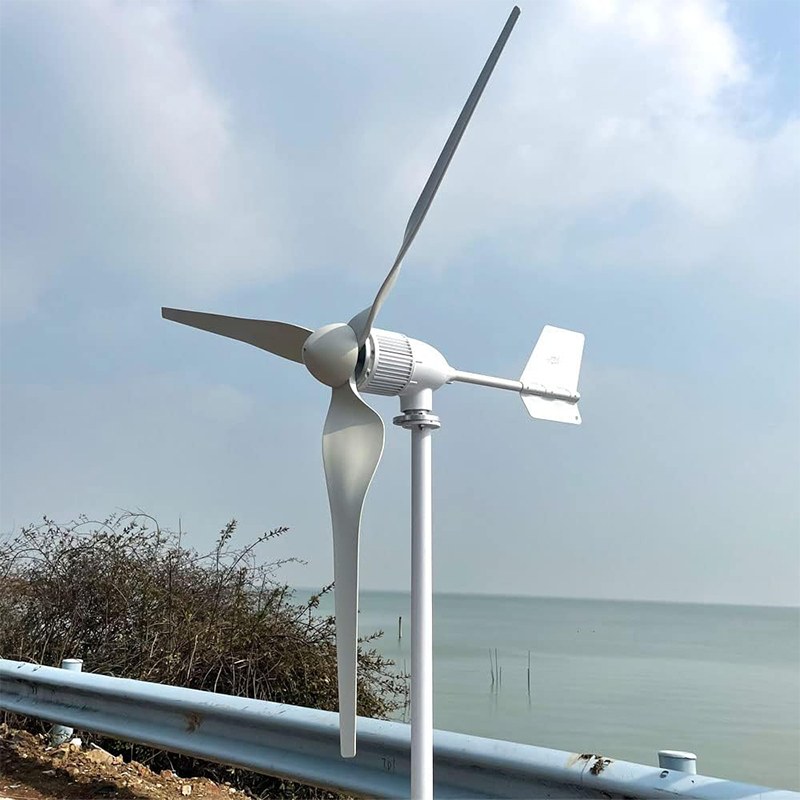
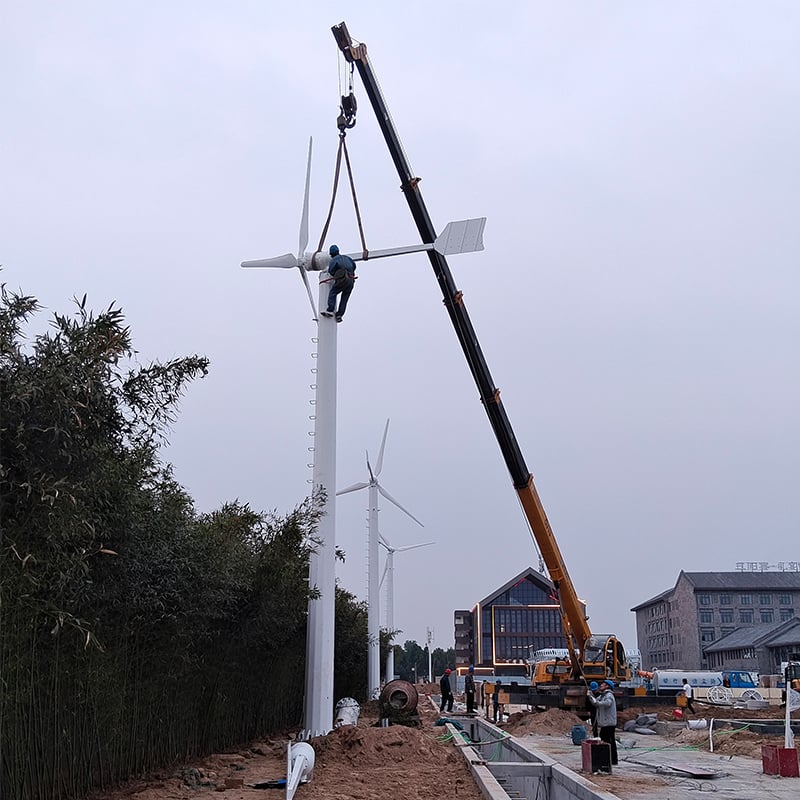
Proper installation is critical to the performance and longevity of residential wind power generators. Here are some key considerations:
Site Assessment: Before installation, conduct a thorough site assessment to evaluate wind patterns, local zoning regulations, and potential obstructions, such as trees or buildings. This step will help determine the best location for optimal wind exposure
Tower Height: The height of the tower can significantly impact energy production. A taller tower typically captures more wind. However, buyers must consider local zoning laws and aesthetic concerns when determining the appropriate height
Foundation Requirements: A solid foundation is crucial for stability. Depending on the size and type of the wind generator, concrete pads or anchors may be necessary. Consulting with a local engineer can ensure that the foundation is adequately designed to support the generator
Electrical Connections: Proper electrical connections and compliance with local electrical codes are essential. It may be beneficial to hire a licensed electrician to ensure safe and compliant installation
Permitting: Many areas require permits for the installation of wind turbines. Buyers should check with local authorities to understand the permitting process and any associated costs or regulations.
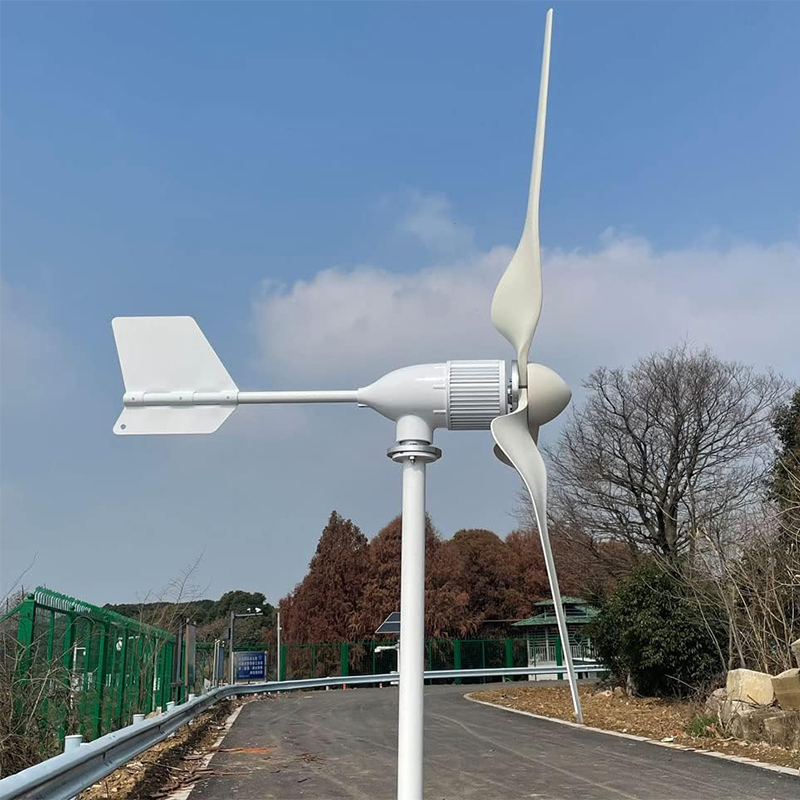
Understanding the cost factors associated with residential wind power generators is vital for budget planning. Here are the primary considerations:
Initial Purchase Price: The cost of the wind generator itself can vary widely based on capacity, brand, and specifications. Buyers should compare multiple suppliers to find a product that meets their requirements within budget
Installation Costs: Installation can account for a significant portion of the overall expense. This includes labor, materials for the foundation, electrical work, and any necessary permits. Obtaining detailed quotes from contractors will help buyers gauge the total installation cost
Maintenance Costs: Regular maintenance is essential for ensuring long-term performance. Buyers should inquire about recommended maintenance schedules and costs associated with servicing the generator, including potential replacement parts
Incentives and Rebates: Many governments offer incentives or rebates for renewable energy installations. Buyers should research available programs that could offset initial costs, providing a more attractive return on investment
Financing Options: Some manufacturers or distributors offer financing plans or leasing options. Exploring these can make the initial investment more manageable and align with the buyer's financial strategy.
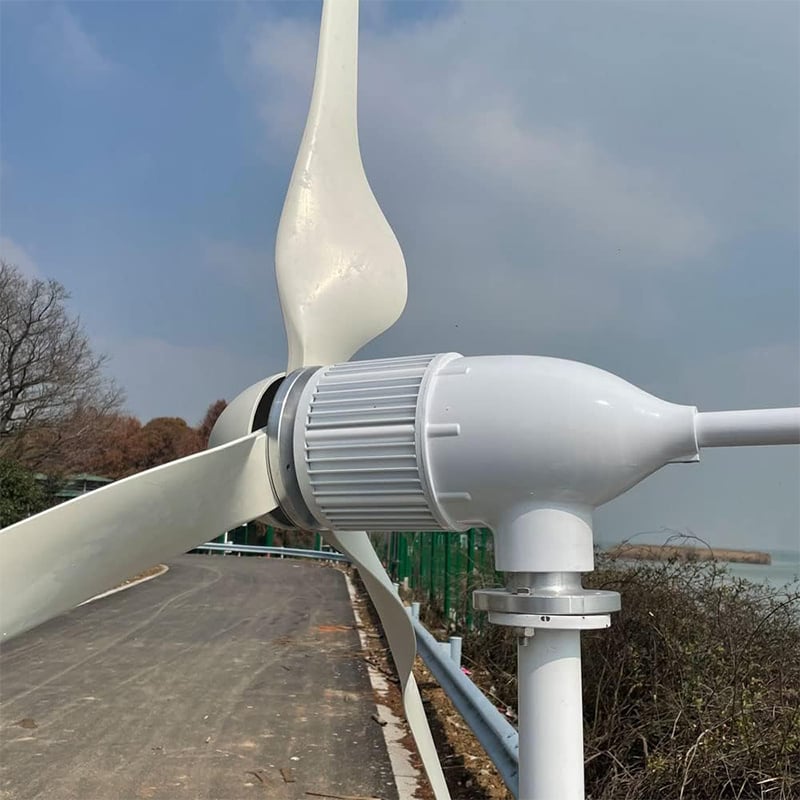
While residential wind power generators are generally reliable, buyers should be aware of common issues that may arise:
Noise Levels: Some wind generators can produce noise that may be bothersome, especially if installed near homes. Buyers should look for models designed with noise reduction features or consult user reviews regarding noise levels before making a purchase
Vibration Issues: Improper installation or misalignment can lead to vibrations, which may reduce efficiency and cause wear over time. Regular inspections and adjustments can mitigate this issue, ensuring the generator operates smoothly
Weather-Related Damage: Extreme weather conditions can affect performance. Buyers should ensure that they choose a generator with a high survival wind speed rating and consider installing protective measures, such as storm shutters
Inverter Problems: The inverter converts the generated DC electricity to AC for home use. If it malfunctions, it can disrupt energy supply. Buyers may want to consider purchasing a generator with a high-quality inverter or having a backup inverter on hand
Regulatory Compliance: Failure to comply with local regulations can lead to fines or forced removal of the installation. Buyers should stay well-informed about local laws regarding wind turbine installations and ensure all permits are secured.
As leading brand wind-powered hybrid power systems DHC is only company with its own wind turbine factory, which combines R D, design, production, technical services. Since 2009 founders have embraced the idea of protecting the environment, immersed new technologies, and Wind turbine for home 5kw by the corporate values that focuses "diligence and integrity, as well as cooperation and creativity." This is also the origin of our name "DHC".
primary products wind turbines, solar panels and lifepo4 batteries. customers will receive a one-stop-shop service the integration and Eolic generator a wind-solar hybrid as well as smart photovoltaic system. DHC provides reliable products, technologies, and after-sales service to customers with excellent delivery capability.
Solar wind energy systems are main focus. With Wind turbine chain management expertise integration capabilities, we are able provide customers with totally customized solutions. offer professional service throughout the day starting from design, production and after-sales.
Integrity the cornerstone of company. offer real power solutions offer an expert service. {When it comes to wind turbines, {you can pay attention it is important to Integrity is the foundation our company. We offer real power equipment, as well as skilled service. You can consider parameters like blade diameter as well as wind you should pay attention aspects like blade's diameter as well as weight. promise that all products produced by DHC come with wind turbine generator power output and not overinflated power.
For businesses looking to invest in residential wind power generators on a larger scale, bulk order options can provide significant advantages. Jiangsu DHC Environmental Si-Tech Co., Ltd. offers tailored solutions for bulk orders, ensuring that companies receive the appropriate specifications and support
Customized Solutions: Bulk orders allow for customization to meet specific project requirements, including power output, tower height, and design features
Volume Pricing: Significant cost savings may be available when ordering in bulk. Buyers should inquire about volume discounts to optimize their budget
Streamlined Delivery: Coordinating bulk orders can simplify logistics and ensure timely delivery to multiple job sites, facilitating efficient project execution
Dedicated Support: Companies can benefit from dedicated support throughout the ordering and installation process, ensuring that all technical and logistical concerns are addressed
Long-Term Partnerships: Establishing a relationship with a trusted supplier can lead to favorable terms for future orders and ongoing support for maintenance and upgrades
By understanding these critical aspects of residential wind power generators, B2B buyers can make informed decisions that align with their sustainability goals and budget constraints, paving the way for successful renewable energy projects.
Welcome to DHC, the top brand of wind solar hybrid power system! We provide innovative and effective new energy solutions including wind turbine, solar panel, lifepo4 battery, etc.




 EN