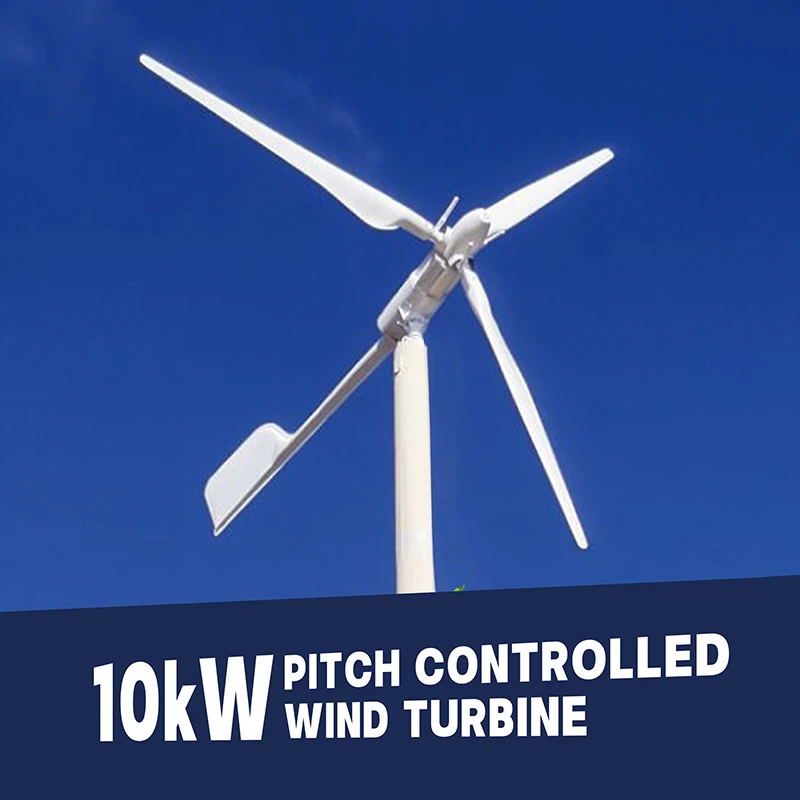
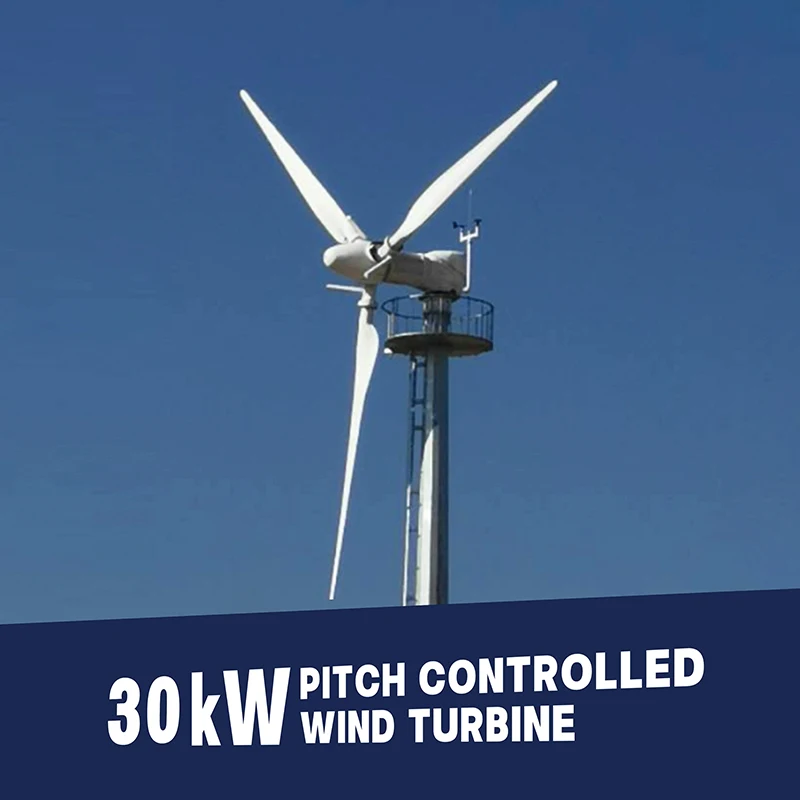
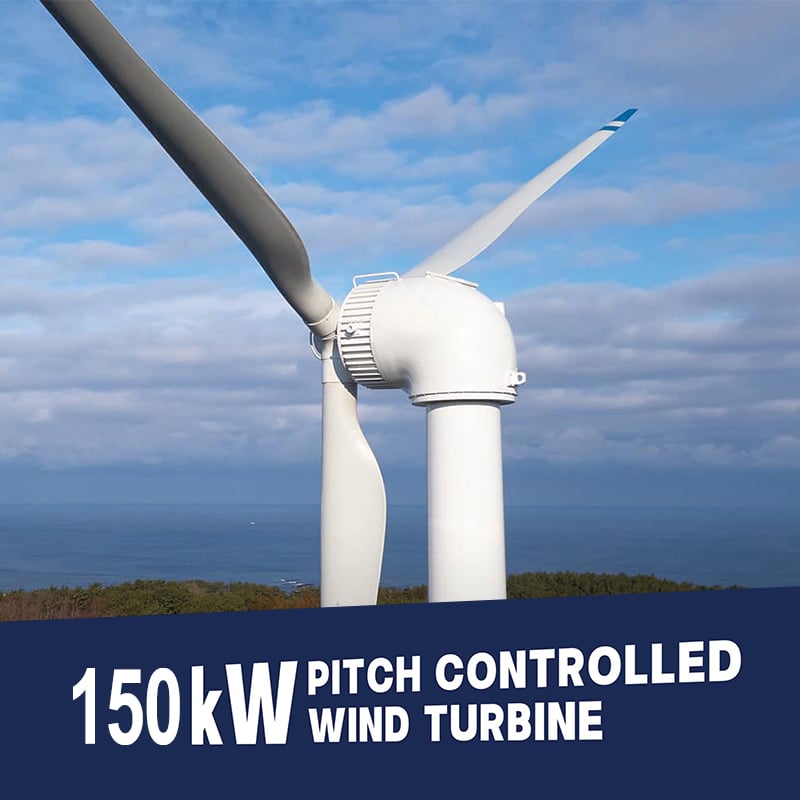
Domestic wind turbines are an increasingly popular choice for businesses and homeowners looking to harness renewable energy. These systems provide a sustainable power source, helping to reduce energy costs and carbon footprints. When purchasing a domestic wind turbine, buyers often have concerns about performance, efficiency, installation, and long-term savings. This article will guide you through essential factors to consider, best practices for selection and maintenance, common challenges, and various applications across industries.
When evaluating domestic wind turbines, several key specifications will impact their performance and suitability for your needs:
Rated Power Output: This indicates the maximum electrical output under optimal conditions. It’s crucial to choose a turbine with a power rating that aligns with your energy consumption needs.
Cut-in Wind Speed: This is the minimum wind speed at which the turbine begins to generate electricity. A lower cut-in speed can be advantageous for areas with variable wind conditions.
Survival Wind Speed: This specification refers to the maximum wind speed the turbine can withstand without damage. Understanding this is vital for ensuring durability in extreme weather conditions.
Rotor Diameter: The size of the rotor affects energy capture. A larger rotor can capture more wind and generate more power, but it also requires more space for installation.
Tower Height: Taller towers can access higher wind speeds, enhancing energy production. Consider local zoning regulations and installation space when planning tower height.
Material and Build Quality: The construction materials influence the turbine's longevity and performance. Look for turbines made from corrosion-resistant materials, especially if they will be installed near coastal areas.
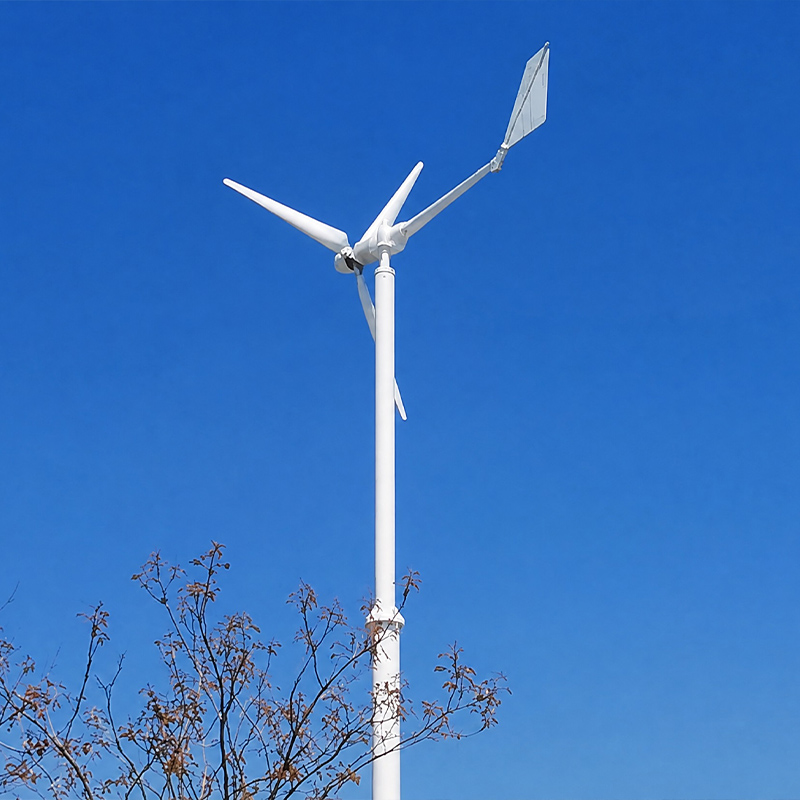
When selecting a domestic wind turbine, consider the following factors to ensure an informed purchase:
Manufacturer Reputation: Choose a manufacturer with a strong track record in renewable energy solutions. Jiangsu DHC Environmental Si-Tech Co., Ltd., for example, offers 15 years of experience in the industry, providing confidence in product quality and support.
Warranty and Support: A robust warranty and dependable customer support can save you time and money in the event of mechanical issues or questions regarding installation and maintenance.
Certifications and Standards: Ensure the turbine meets relevant industry standards and certifications, as these can indicate quality and reliability. Understanding the certifications helps in evaluating the turbine's compliance with safety and performance standards.
Customization Options: Depending on your specific energy needs or site conditions, the ability to customize turbine specifications is essential. This may include adjustments to power output or rotor size.
Installation Requirements: Assess the installation complexity and any additional equipment needed, such as inverters or battery storage systems. Understanding these requirements can help you plan for costs and logistics.
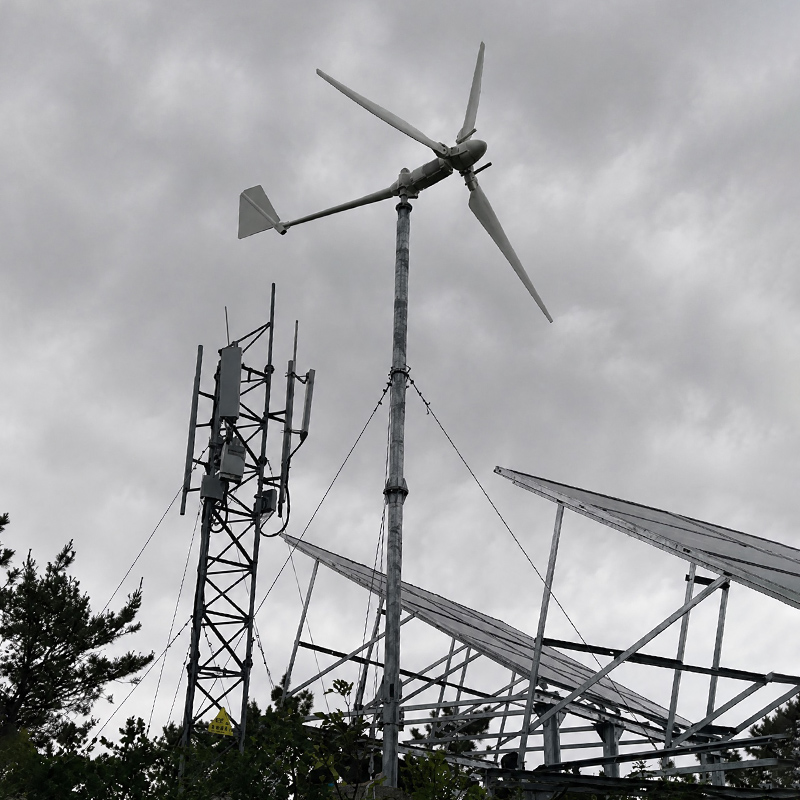
To maximize the performance and longevity of your domestic wind turbine, consider the following best practices:
Site Assessment: Conduct a thorough assessment of your installation site to determine wind patterns and obstacles that could affect turbine performance. Using an anemometer to measure wind speeds over time can provide valuable data.
Regular Maintenance: Schedule routine inspections and maintenance to identify wear and tear. This can include checking the rotor for damage, ensuring electrical connections are secure, and lubricating moving parts.
Monitor Performance: Utilize monitoring systems to track the turbine's energy output and performance. This data can help identify issues early and optimize energy production.
Educate Users: For businesses, educating staff on the turbine's operation and maintenance can enhance overall efficiency and reduce downtime.
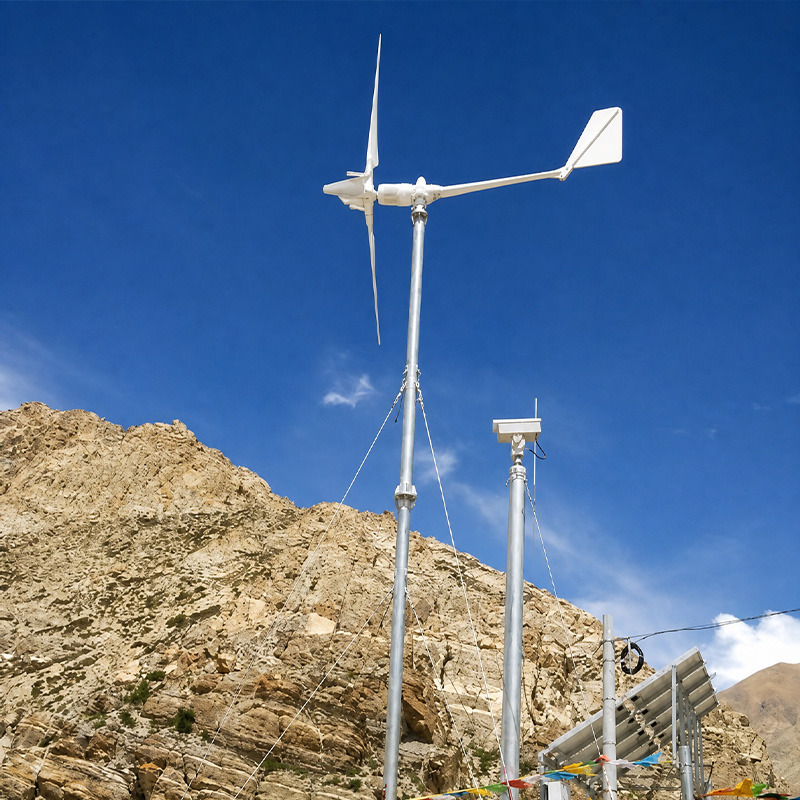
While domestic wind turbines are generally reliable, they can encounter specific issues. Here are some common problems and their potential solutions:
Noise Complaints: Turbines can produce noise, which may be a concern in residential areas. Selecting a model designed for low noise emissions and ensuring proper installation can mitigate this issue.
Vibration Issues: Excessive vibration may indicate misalignment or mechanical failure. Regular inspections can help identify and correct these problems early.
Reduced Efficiency: If the turbine is not generating expected power levels, check for obstructions, such as nearby trees or buildings, that may disrupt airflow. Adjusting the turbine's position or height can improve efficiency.
Electrical Failures: Issues with the electrical system can prevent the vertical wind turbine from generating power. Regularly inspect electrical connections and consider installing surge protection devices to safeguard against fluctuations.
Solar wind energy systems are main focus. With Wind turbine chain management expertise integration capabilities, we are able provide customers with totally customized solutions. offer professional service throughout the day starting from design, production and after-sales.
primary products wind turbines, solar panels and lifepo4 batteries. customers will receive a one-stop-shop service the integration and Vertical wind turbine a wind-solar hybrid as well as smart photovoltaic system. DHC provides reliable products, technologies, and after-sales service to customers with excellent delivery capability.
Integrity the cornerstone of company. offer real power solutions offer an expert service. {When it comes to wind turbines, {you can pay attention it is important to Integrity is the foundation our company. We offer real power equipment, as well as skilled service. You can consider parameters like blade diameter as well as wind you should pay attention aspects like blade's diameter as well as weight. promise that all products produced by DHC come with 2kw vertical axis wind turbine power output and not overinflated power.
As leading brand wind-powered hybrid power systems DHC is only company with its own wind turbine factory, which combines R D, design, production, technical services. Since 2009 founders have embraced the idea of protecting the environment, immersed new technologies, and Wind turbine for home 5kw by the corporate values that focuses "diligence and integrity, as well as cooperation and creativity." This is also the origin of our name "DHC".
Domestic wind turbines have versatile applications across multiple sectors, showcasing their adaptability and efficiency:
Residential Use: Homeowners can install turbines to reduce dependence on grid power, significantly lowering energy costs and promoting sustainability.
Agriculture: Farms can utilize wind turbines to power irrigation systems, greenhouses, or livestock facilities, reducing operating costs and enhancing energy independence.
Remote Locations: In areas where grid access is limited, domestic wind turbine generator can provide a reliable power source for remote cabins, research stations, or telecommunications equipment.
Commercial Operations: Businesses can integrate wind turbines into their energy strategy to support corporate sustainability goals, reduce operational costs, and improve their green reputation.
By considering these factors and best practices, you can make an informed decision when purchasing a domestic wind turbine. Understanding the specifications, common challenges, and applications will empower you to maximize the benefits of this renewable energy solution.
Welcome to DHC, the top brand of wind solar hybrid power system! We provide innovative and effective new energy solutions including wind turbine, solar panel, lifepo4 battery, etc.




 EN