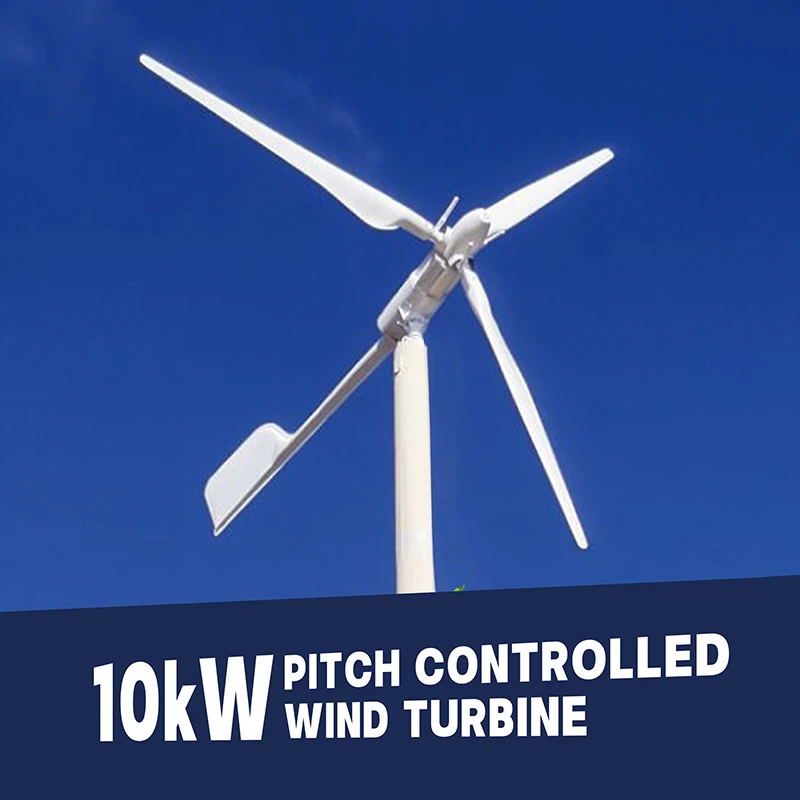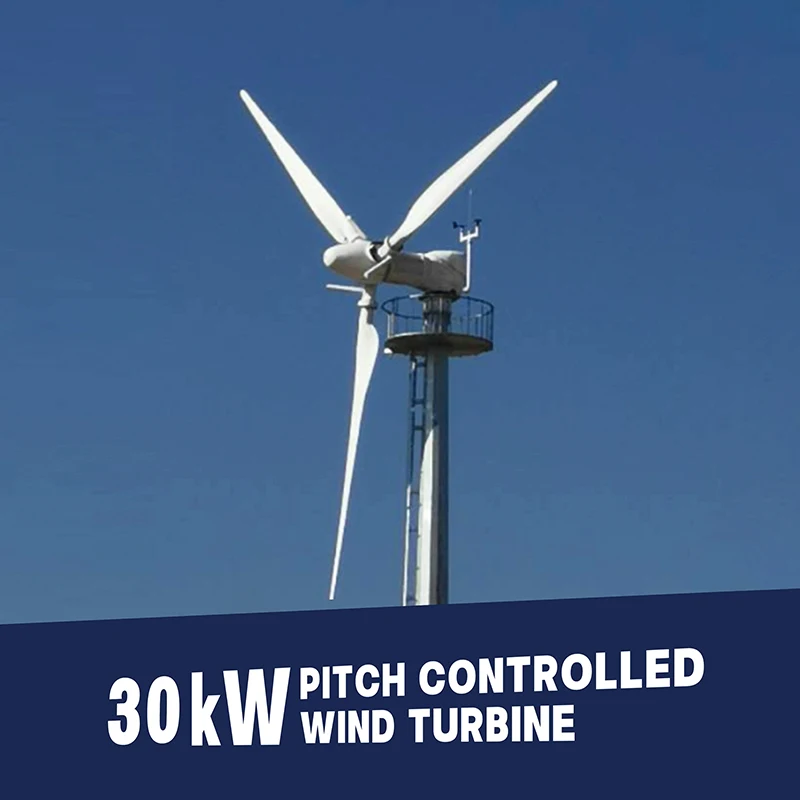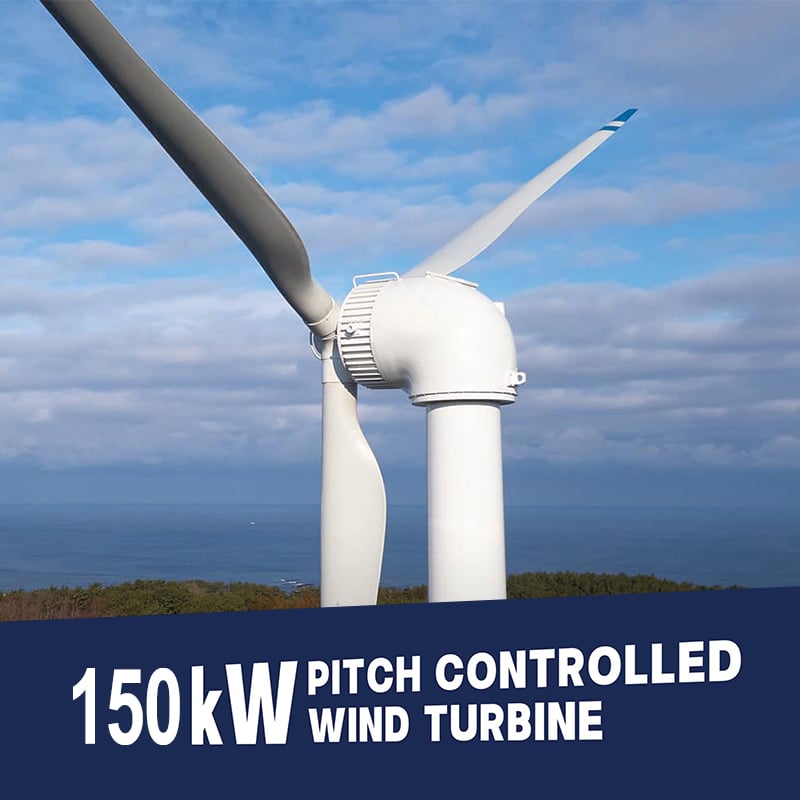
Horizontal access wind turbines are innovative renewable energy solutions designed to harness wind energy effectively. As a B2B buyer from Jiangsu DHC, understanding the key specifications, sourcing considerations, and potential challenges associated with these turbines is crucial. This article will guide you through the essential factors to consider when sourcing horizontal access small wind turbine, ensuring you make informed purchasing decisions that align with your operational needs and sustainability goals.
When sourcing horizontal access wind turbines, buyers should focus on several critical aspects that influence performance and return on investment. First, evaluate the turbine’s power output capability, which can vary significantly based on size, design, and technology. Look for turbines with proven performance metrics tailored to your specific energy needs, whether for residential, agricultural, or commercial applications.
Next, consider the installation requirements. Ensure that the turbine design is compatible with your location’s horizontal wind turbine conditions and space constraints. Site assessments may be needed to determine the optimal size and placement of the turbine to maximize energy output.
Additionally, assess the manufacturer’s experience and capabilities. A reputable supplier, like Jiangsu DHC, with 15 years in the industry, can provide valuable insights into product performance and after-sale support. Check for customization options that might be necessary to meet specific site conditions or regulatory requirements.
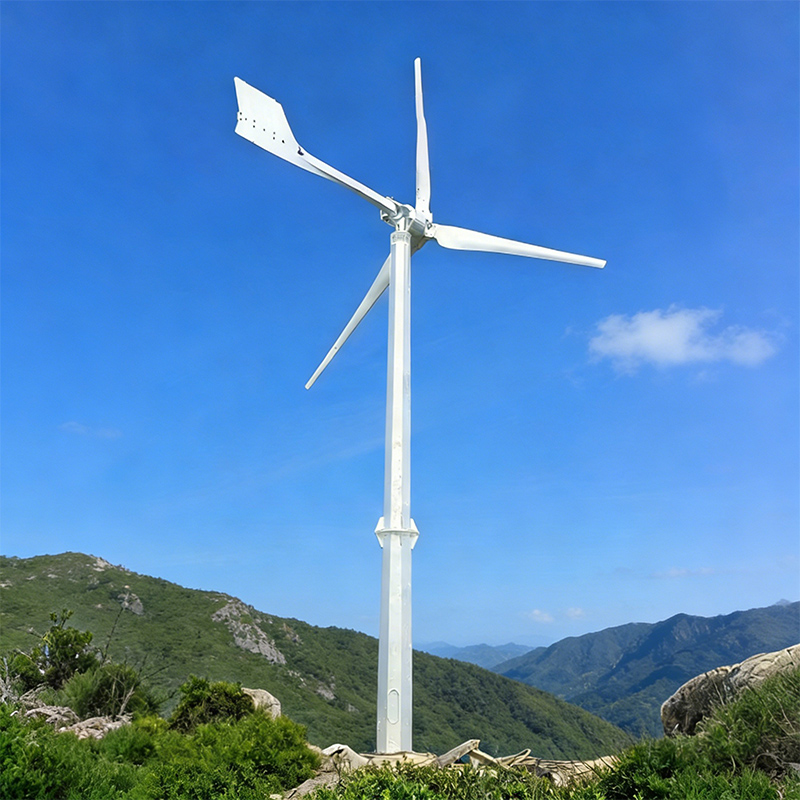
Several key specifications determine the effectiveness of horizontal access wind turbines. The rotor diameter is one of the most significant factors; larger diameters typically capture more wind energy, leading to higher output. However, this must be balanced with site constraints and installation feasibility.
Blade material and design also play a crucial role in performance and durability. Composite materials, for example, offer a good strength-to-weight ratio and corrosion resistance, which can enhance longevity and reduce maintenance costs. Additionally, the turbine's cut-in wind speed (the minimum speed at which the turbine starts generating power) and rated wind speed (the wind speed at which the turbine produces its maximum output) are critical for understanding its operational efficiency.
Another essential aspect is the generator type. Permanent magnet generators are known for their efficiency and reliability, while induction generators may be more cost-effective for certain applications. Always check the manufacturer's specifications and, if possible, request performance data from existing installations to validate the claims made.
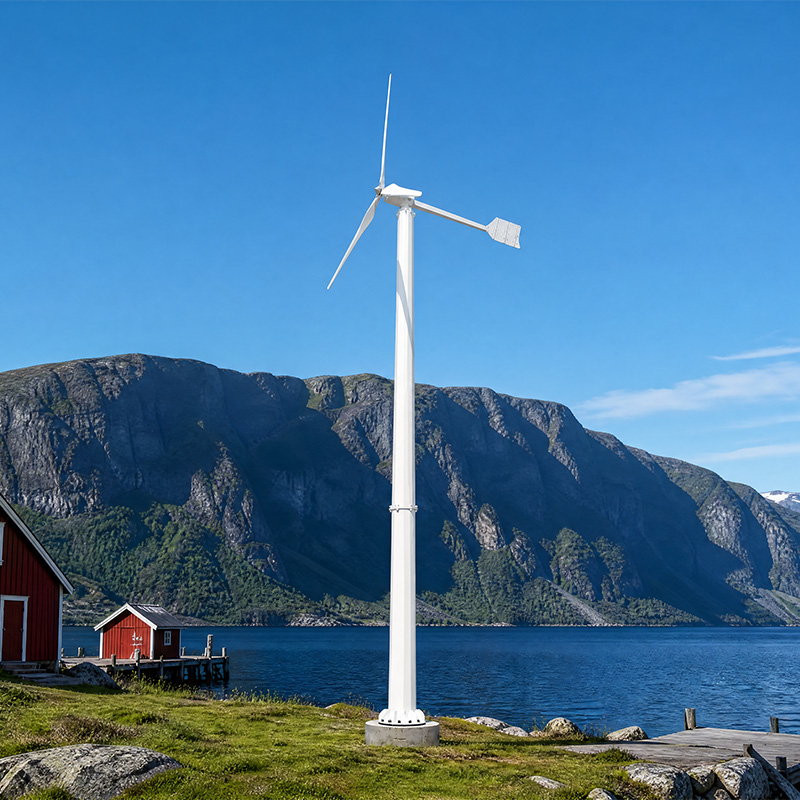
Cost assessment for horizontal access wind turbines extends beyond initial purchase price. Buyers should consider the total cost of ownership, which includes installation, maintenance, and operational costs over the turbine's lifespan. Installation costs can vary based on site conditions and the complexity of the project, so obtaining detailed installation estimates from suppliers like Jiangsu DHC is essential.
Maintenance costs are another consideration; some turbines may require more frequent servicing than others based on design or technology. Understanding the warranty and service agreements offered by the manufacturer can also provide insights into potential future costs. For instance, Jiangsu DHC offers comprehensive support, which can mitigate long-term maintenance expenses.
Finally, financial incentives, such as government rebates or tax credits for renewable energy projects, can impact your overall investment. Be sure to explore these options as they can significantly lower the effective cost of the turbine.
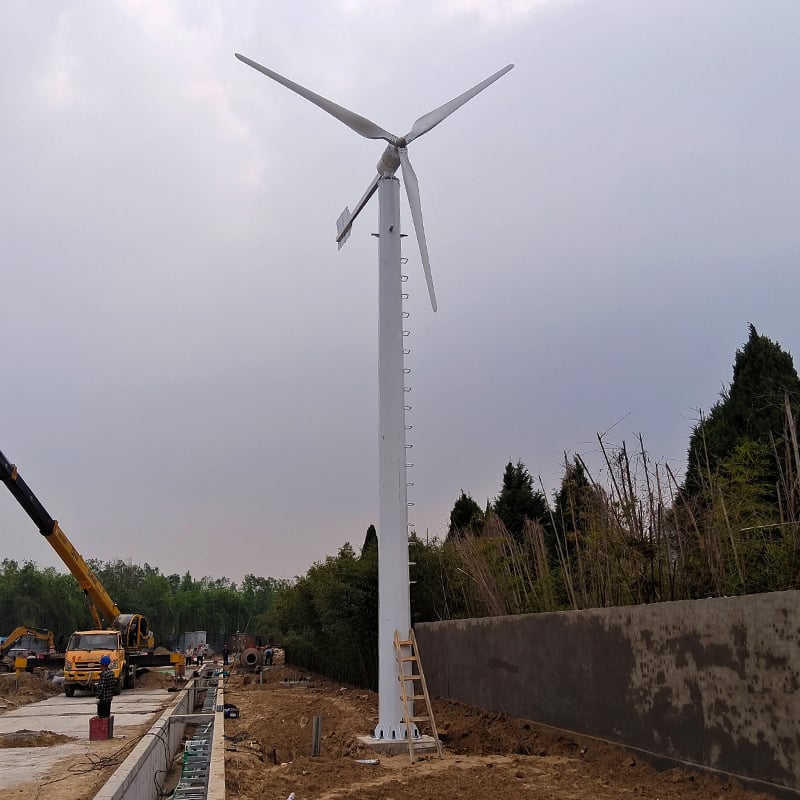
While horizontal access wind turbines are generally reliable, buyers should be aware of common issues that may arise during operation. One frequent problem is underperformance, often linked to improper installation or site selection. Conducting thorough site assessments and engaging experienced engineers during the planning phase can help mitigate this risk.
Another issue is mechanical failure due to wear and tear. Regular maintenance, including inspections and timely replacements of worn components, is crucial. Buyers should ensure that their suppliers provide clear maintenance guidelines and readily available spare parts to minimize downtime.
Noise and vibration can also be concerns, particularly in residential areas. Choosing turbines designed for quiet operation and undergoing noise assessments can help address these issues upfront. Engaging with manufacturers that offer noise reduction features can lead to smoother installations in sensitive environments.
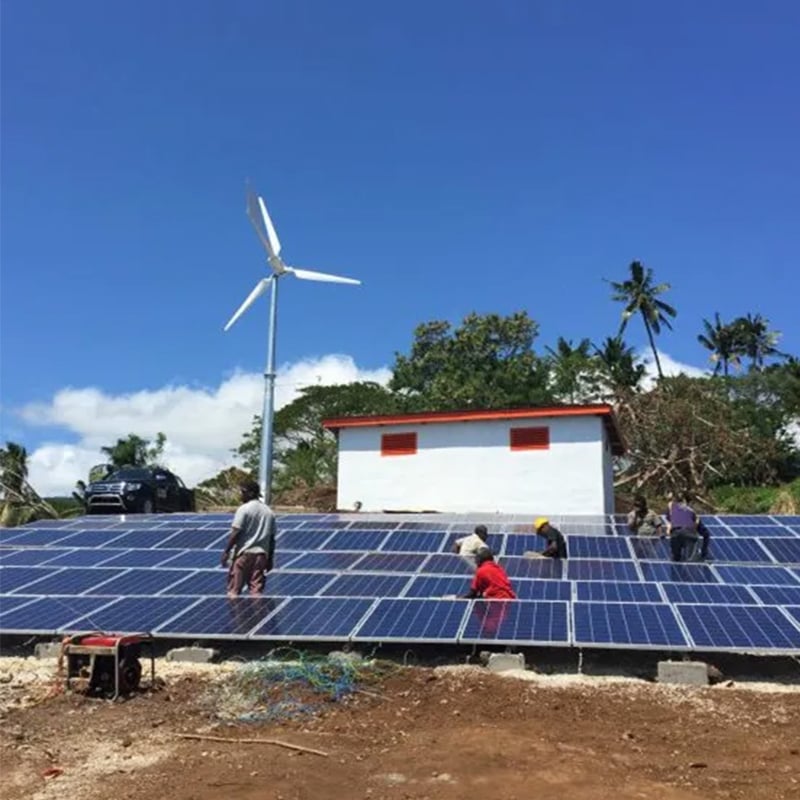
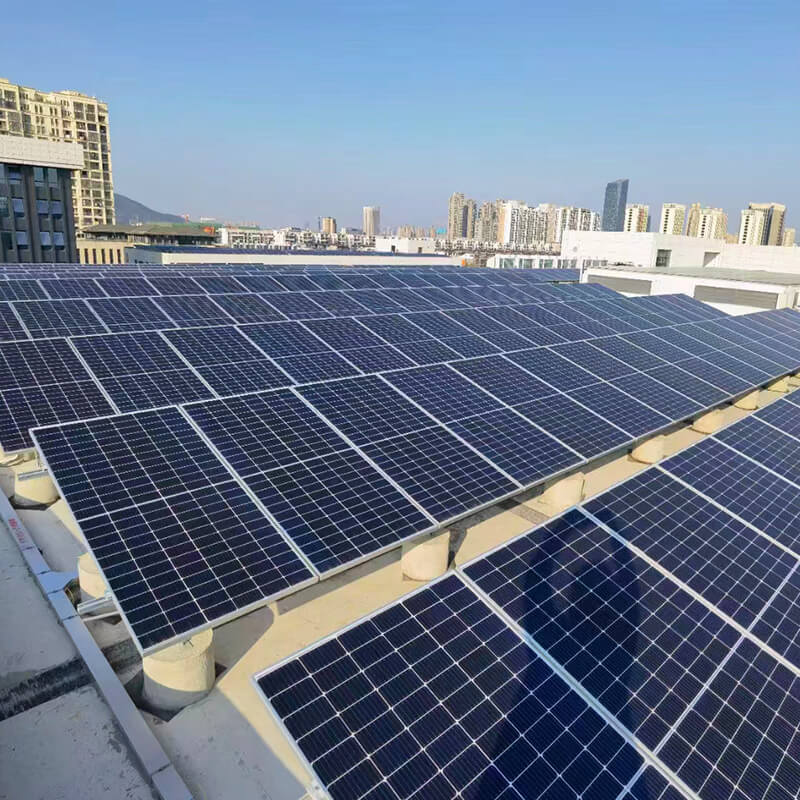
primary products wind turbines, solar panels and lifepo4 batteries. customers will receive a one-stop-shop service the integration and Vertical wind turbine a wind-solar hybrid as well as smart photovoltaic system. DHC provides reliable products, technologies, and after-sales service to customers with excellent delivery capability.
Integrity is foundation of our company. offer real power equipment, as well as skilled wind turbine and generator. In the case of wind turbines, {you can pay attention it is important to commitment to integrity the basis of our business. We provide genuine power equipment, as well as expert service. Consider parameters such as blade diameter as well as wind turbine weight when looking at wind turbines. DHC promises that its products are able to deliver real power without exaggerating the power.
We're Eolic generator meeting commercial domestic electricity needs with wind/solar power system. can provide our customers with tailored solutions through skilled supply chain management capabilities and capabilities for integration. We'll provide high-quality service all hours of day beginning with design, production and after-sales.
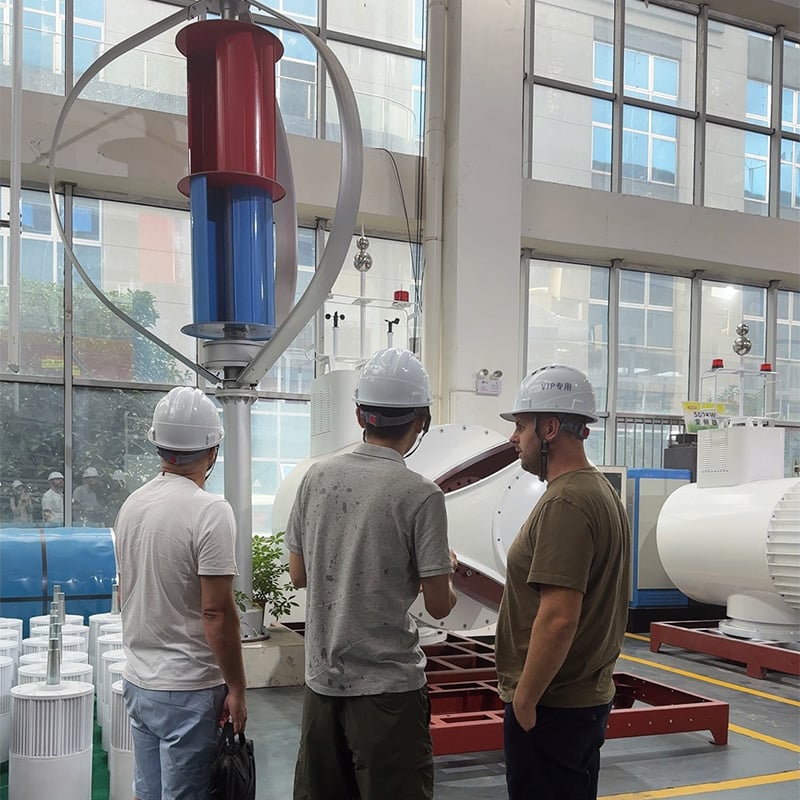
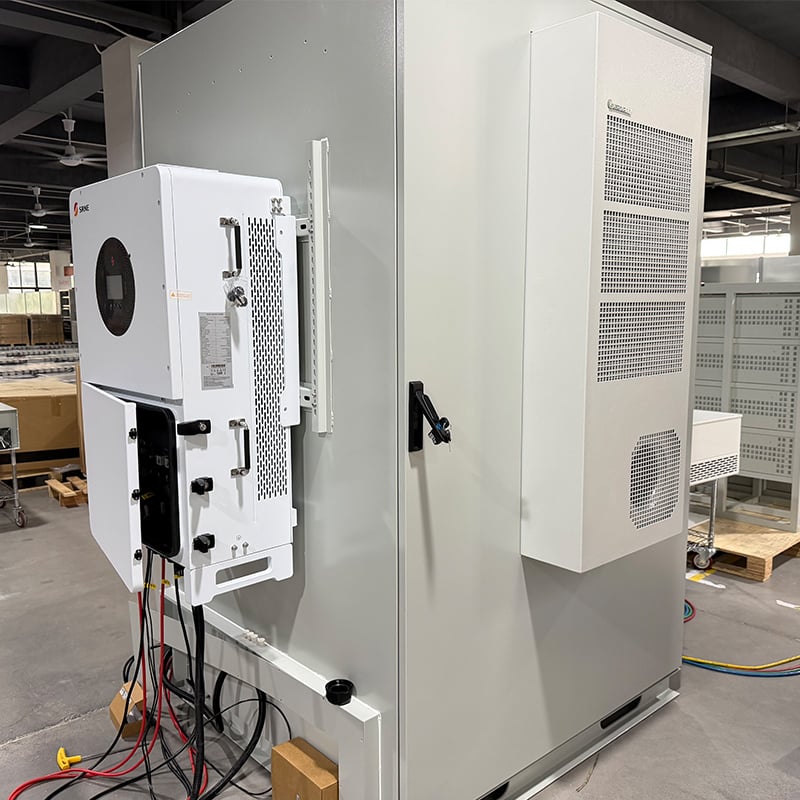
DHC the market leader in hybrid wind solar power systems. has its own manufacturing facility that integrates R D and production, design technical support. Since 2009 founders of DHC have been implementing the concept of environmental protection and have been immersed the latest technology and embraced the corporate wind turbine generator that focuses on "diligence and integrity, collaboration and innovation." This is also the basis of our brand "DHC".
Finding reliable suppliers of horizontal access wind turbines requires thorough research and evaluation. Start by looking for manufacturers with a proven track record in renewable energy solutions. Companies like Jiangsu DHC stand out due to their extensive experience and commitment to quality.
Check for certifications and compliance with industry standards, as these can indicate a manufacturer’s reliability and commitment to safety. Industry forums, trade shows, and online marketplaces can also be valuable resources for identifying potential suppliers. Additionally, consider reaching out to existing customers of these suppliers to gain insights into their experiences.
When evaluating suppliers, don’t hesitate to inquire about their production capabilities, customization options, and after-sales support. A supplier that offers strong customer service and ongoing support can be a significant asset throughout your project’s lifecycle.
By thoroughly considering these factors, you can make informed decisions when sourcing horizontal access wind turbine generator kits, ensuring that your investment aligns with your renewable energy goals and operational needs.
Welcome to DHC, the top brand of wind solar hybrid power system! We provide innovative and effective new energy solutions including wind turbine, solar panel, lifepo4 battery, etc.
 EN