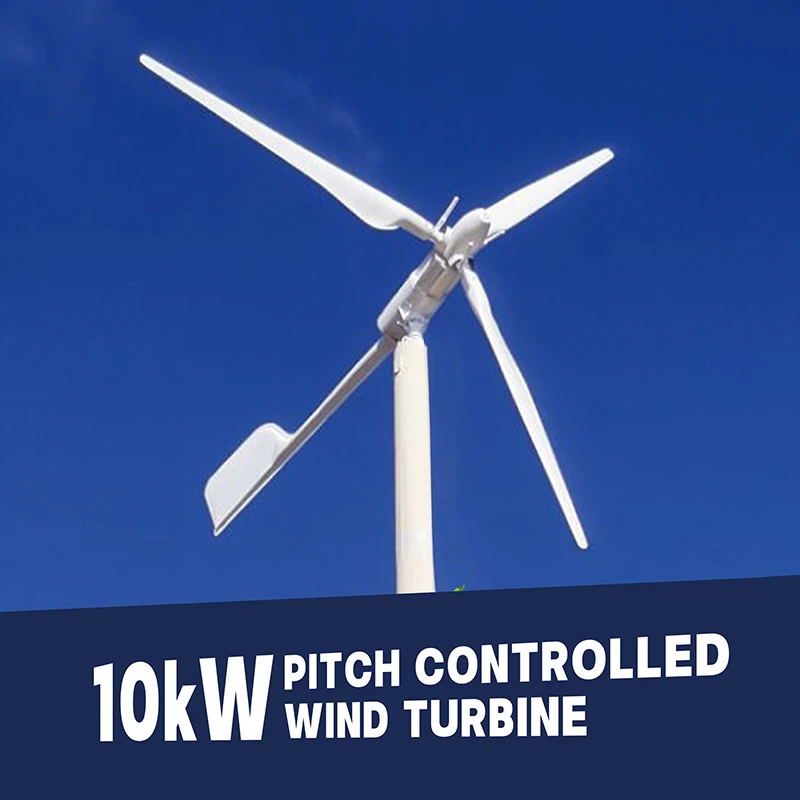
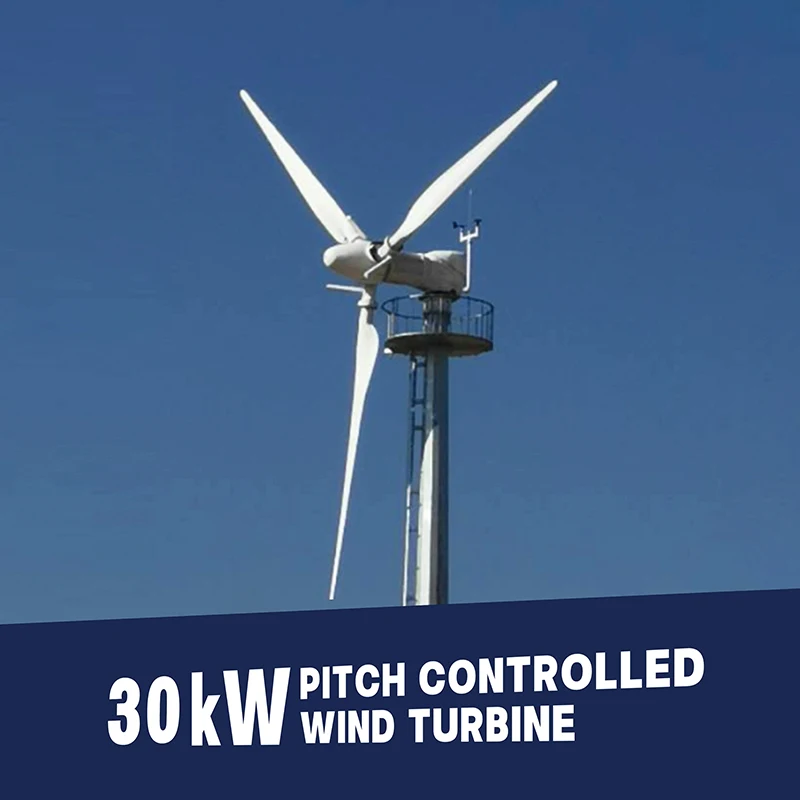
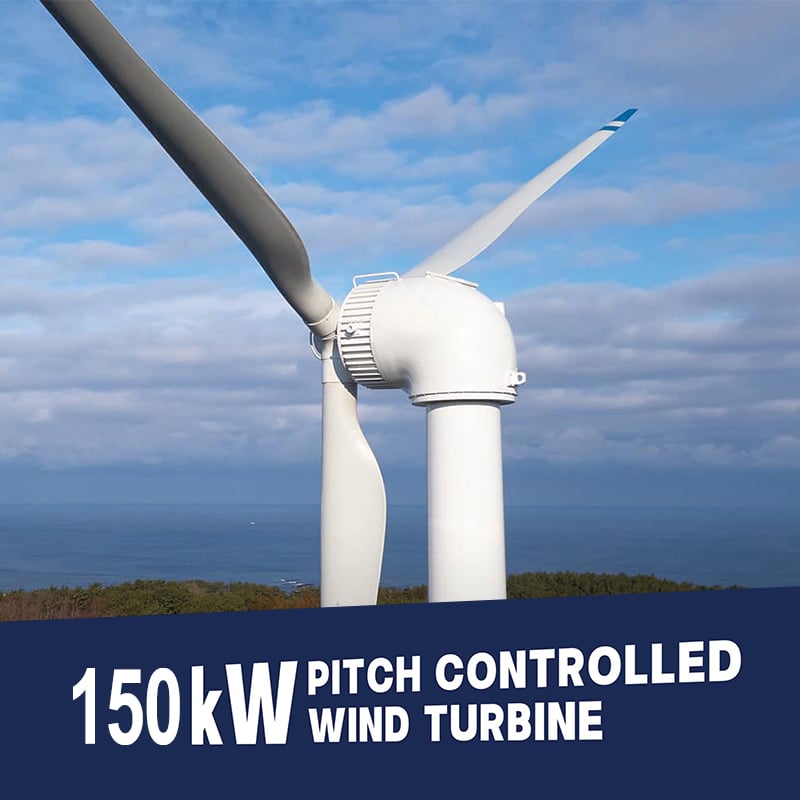
House wind turbines are an increasingly popular solution for harnessing renewable energy for residential and commercial use. As potential buyers, purchasing managers and engineers often seek reliable suppliers that can provide high-quality products tailored to their specific needs. This article aims to guide you in making informed decisions regarding house wind turbine, covering key aspects such as supplier selection, purchasing options, installation guidance, troubleshooting common issues, and practical applications.
Selecting the right supplier for house wind turbines is crucial for ensuring product quality and reliability. Look for suppliers with a proven track record in the renewable energy sector, particularly those specializing in wind and solar hybrid systems, as they are more likely to understand your unique requirements. Key factors to consider include:
Experience and Expertise: Suppliers with significant industry experience, such as Jiangsu DHC Environmental Si-Tech Co., Ltd., can provide insights into product performance and customization options.
Product Specifications: Ensure that the supplier offers turbines that meet your performance requirements. Important specifications include rated power output, cut-in wind speed, tower height, and rotor diameter. Each specification impacts the turbine's efficiency and suitability for your location.
Quality Control Processes: Inquire about the supplier's quality assurance measures. A robust quality control process ensures that the household wind turbine meet international standards and perform reliably over time.
Customization Capabilities: Depending on your application, you may need specific features or configurations. A supplier that offers customization can help you achieve optimal performance for your specific energy needs.
Support and Maintenance: Consider suppliers that provide comprehensive support services, including installation guidance, maintenance training, and after-sales support. This can significantly reduce downtime and improve the longevity of your investment.
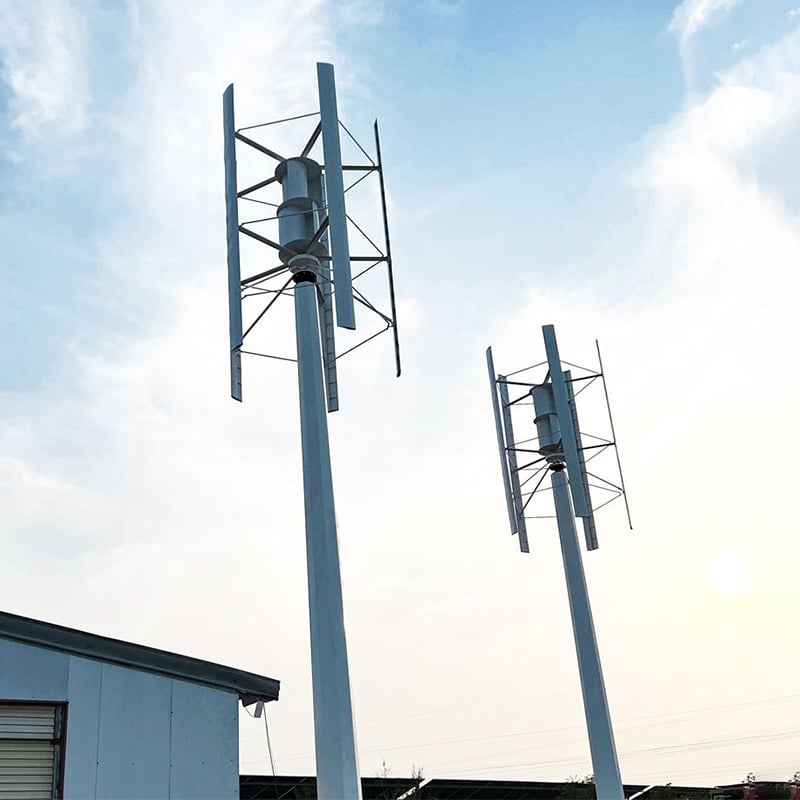
When it comes to purchasing house wind turbines, wholesale options can provide significant cost savings, especially for larger projects or distributors. Here are some key considerations:
Minimum Order Quantities (MOQ): Different suppliers have varying MOQs. Understanding these can help you gauge whether a supplier is suitable for your purchasing needs.
Bulk Pricing: Negotiate pricing based on volume. Suppliers like Jiangsu DHC often offer discounts for larger orders, which can significantly reduce your overall costs.
Payment Terms: Clarify payment terms upfront. Look for flexibility in payment options, which can be beneficial for cash flow management.
Lead Times: Understand the lead times for production and delivery. This is crucial for planning your project timelines effectively.
Shipping and Logistics: Discuss shipping methods and costs. Reliable suppliers will have established logistics partnerships to ensure timely delivery.
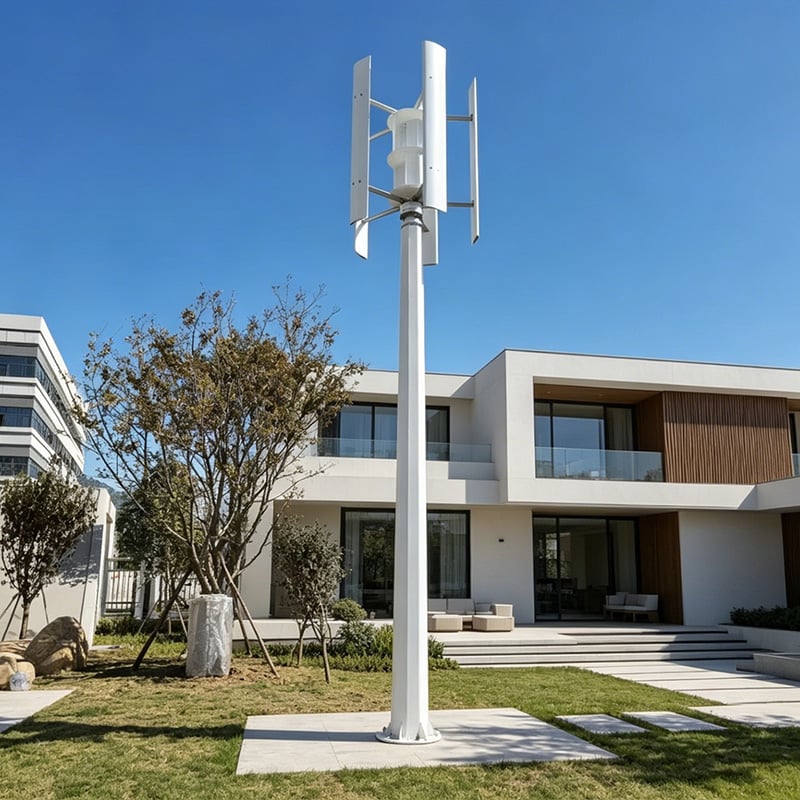
Proper installation is essential for maximizing the efficiency of house wind turbines. Here are some key guidelines:
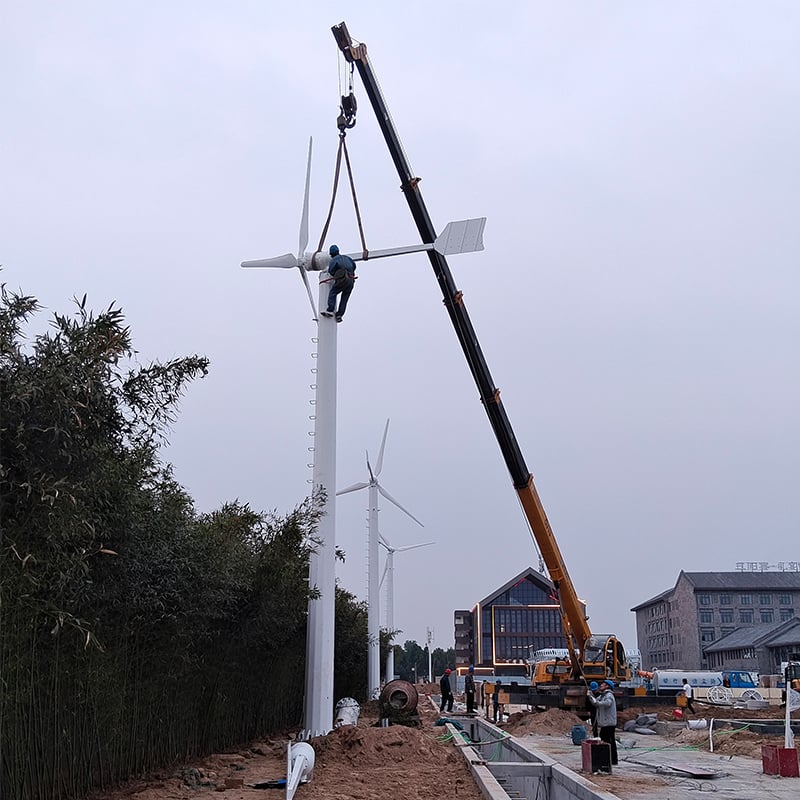
Site Assessment: Conduct a thorough site assessment to evaluate wind conditions, topography, and potential obstructions. This will help you determine the optimal location for efficient wind turbine installation.
Foundation Requirements: Ensure that you have a suitable foundation based on the turbine's height and weight. This may require consultation with structural engineers to ensure stability and safety.
Electrical Connections: Properly connect the turbine to the electrical system. Engage a qualified electrician to ensure compliance with local codes and regulations.
Regular Maintenance Checks: Establish a maintenance schedule post-installation to monitor performance and address any issues promptly. This includes checking for wear and tear on mechanical components and ensuring the electrical systems function correctly.
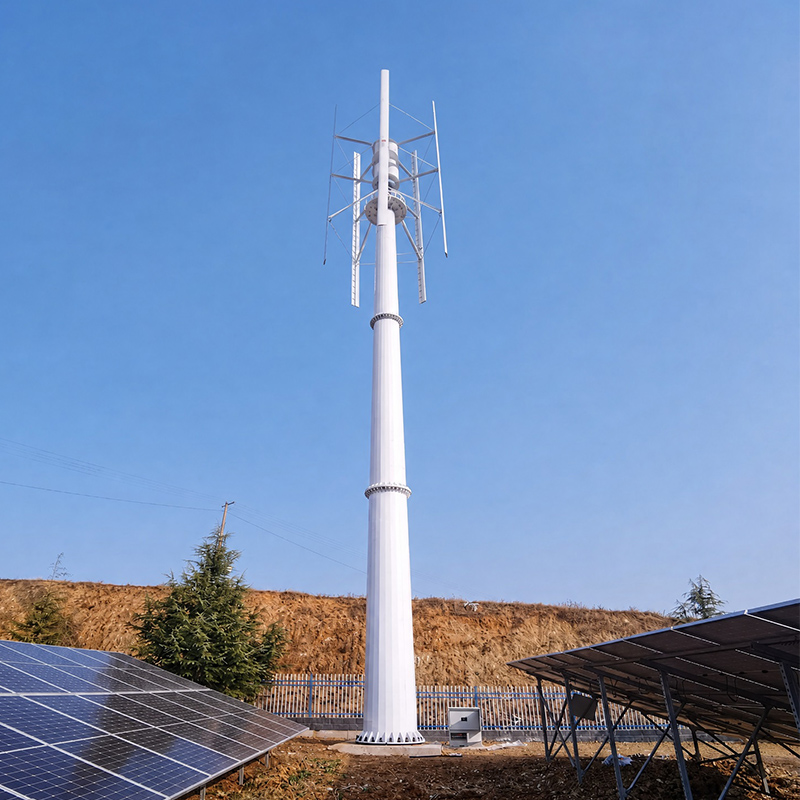
Despite their advantages, house wind turbines can encounter several common issues. Understanding these can help you troubleshoot and maintain optimal performance:
Insufficient Power Output: If the turbine is not producing the expected power, check for obstructions in the wind path, ensure proper orientation, and verify that the cut-in wind speed is being met.
Noise Issues: Turbines can generate noise due to mechanical vibrations or aerodynamic factors. Regular maintenance can minimize these issues, and selecting models designed for quieter operation can also be beneficial.
Mechanical Failures: Components such as bearings or gearboxes may wear out over time. Regular inspections and timely replacements are crucial to preventing prolonged downtime.
Electrical Issues: Ensure that all electrical connections are secure and that there are no faults in the wiring. Testing the electrical system can help identify and resolve issues quickly.
Regulatory Compliance: Check that your installation complies with local zoning and regulatory requirements. Engaging with local authorities early on can prevent future complications.
primary products wind turbines, solar panels and lifepo4 batteries. customers will receive a one-stop-shop service the integration and wind turbine generator a wind-solar hybrid as well as smart photovoltaic system. DHC provides reliable products, technologies, and after-sales service to customers with excellent delivery capability.
most renowned brand wind-powered hybrid power systems DHC the only company with own wind turbine factory that combines R D, design, production technical support. Since 2009, our founders have practiced the 2kw vertical wind turbine of environmental protection and have been immersed in the latest energy sources and have adhered the company's culture that focuses on "diligence and honesty, collaboration, and creativity." Our brand DHC is the consequence of this.
Solar wind power systems are our primary focus. offer customers custom solutions using our expert supply 5000w wind turbine management capability's ability integrate. Simply tell us about your specific requirements, from design, production, to after-sales support, we will provide with real-time professional services throughout the day.
Integrity is foundation of our company. offer real power equipment, as well as skilled wind turbine and generator. In the case of wind turbines, {you can pay attention it is important to commitment to integrity the basis of our business. We provide genuine power equipment, as well as expert service. Consider parameters such as blade diameter as well as wind turbine weight when looking at wind turbines. DHC promises that its products are able to deliver real power without exaggerating the power.
House wind turbines are versatile and can be applied in various settings. Here are some common applications:
Residential Use: Homeowners can use wind turbines to supplement their energy needs, reduce reliance on grid electricity, and lower utility bills. They are particularly beneficial in rural areas with favorable wind conditions.
Agricultural Operations: Farms can utilize wind turbines to power equipment, irrigation systems, and heating systems, contributing to reduced operational costs and promoting sustainability.
Remote Power Stations: Distributed power stations can leverage wind turbines to provide energy in remote locations where grid access is limited or non-existent.
Commercial Buildings: Businesses can integrate wind turbines into their energy strategy to enhance sustainability, reduce energy costs, and improve their carbon footprint.
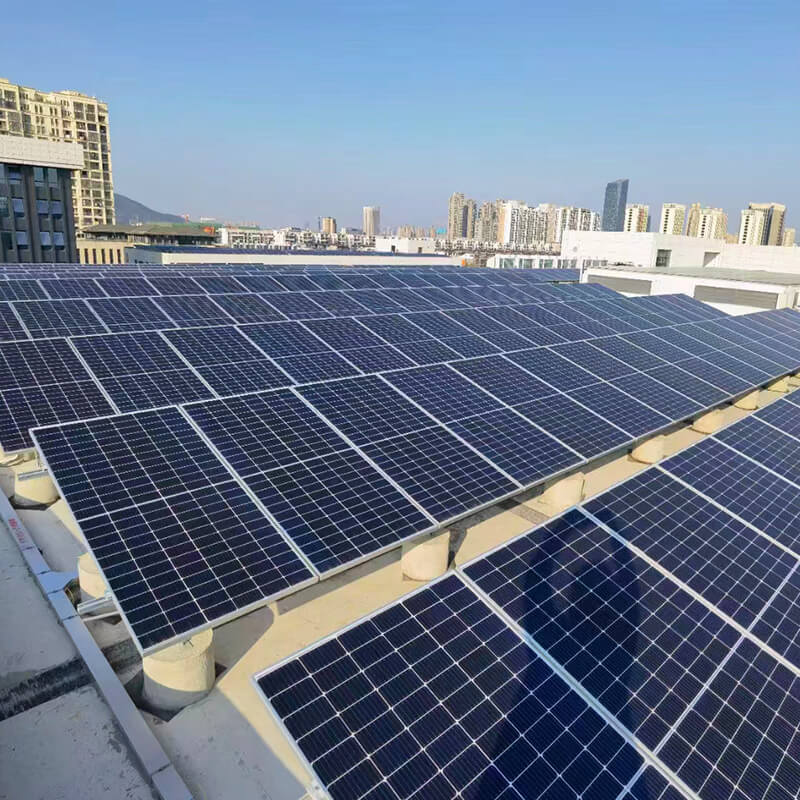
Hybrid Systems: Combining wind turbines with solar power systems and LiFePO4 batteries can create a more reliable and efficient energy solution, ensuring consistent power availability regardless of weather conditions.
By understanding the key factors in selecting a supplier, purchasing options, installation guidance, troubleshooting common problems, and applications for house wind turbines, you can make informed decisions that align with your energy needs and business goals.
Welcome to DHC, the top brand of wind solar hybrid power system! We provide innovative and effective new energy solutions including wind turbine, solar panel, lifepo4 battery, etc.




 EN