“On a hot, sunny day, it is so cool being able to save money.” They produce electricity using the sun’s energy. This is good because it allows us to reduce our use of fossil fuels, which can be bad for the planet. So how do solar panels work, what are photovoltaic cells, and how can this help us?
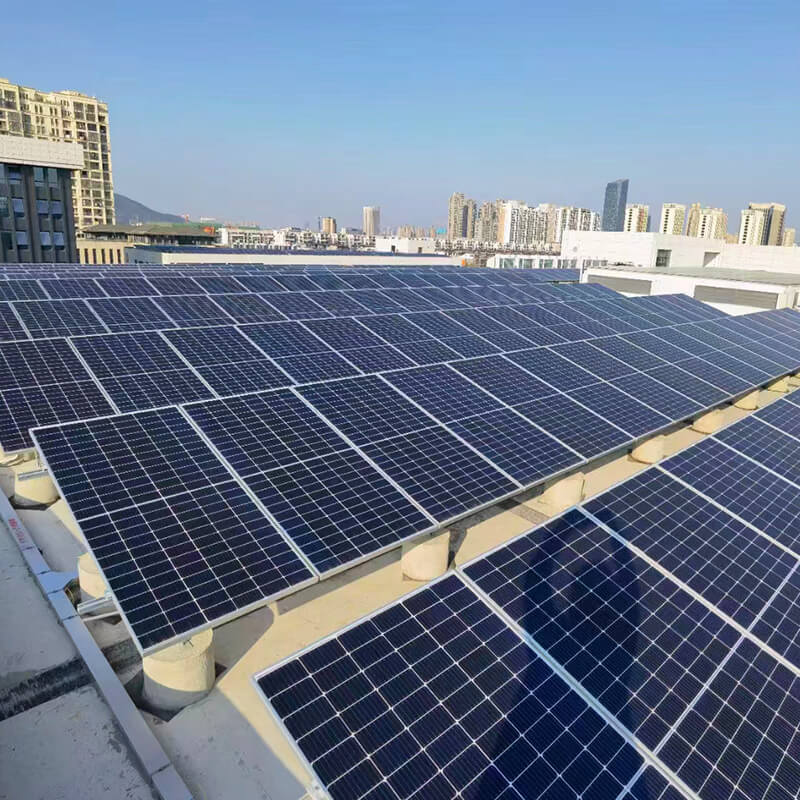
Solar panels, which are also known as flexible photovoltaic panelss, are devices that convert sunlight into electricity. They are composed of numerous tiny elements known as solar cells. When the sun shines on them, these cells can generate electricity. Sunlight hitting the solar cells causes electrons to move and that generates an electrical current. This current can be captured and employed to supply our homes, schools and other buildings.
When the sun hits a photovoltaic panel, the solar cells inside begin to make electricity. The cells absorb sunlight and convert it to electricity. That power travels through wires to energize our appliances and lights. This sun energy is also known as solar energy. Electricity generated by photovoltaic panels is clean and renewable, not emitting harmful gases as ordinary power plants do. This has the effect of cutting air and climate pollution.
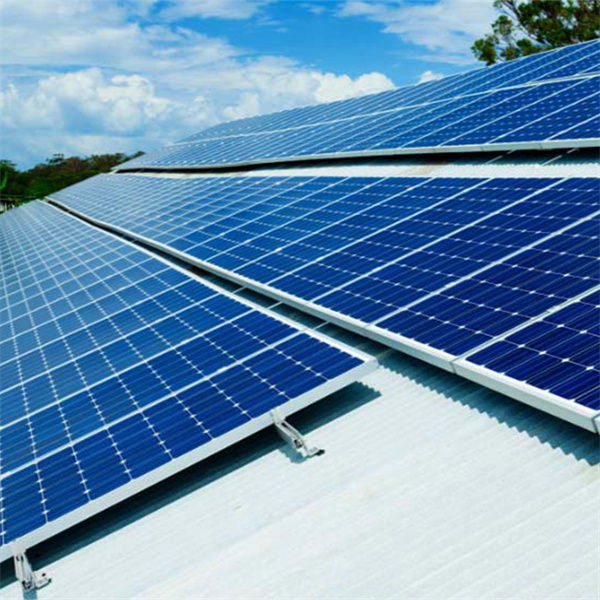
Generating electricity with photovoltaic panels can actually help us cut costs for electricity bills. We can stop using expensive, greenhouse-gas-producing fossil fuels like coal and oil, and use the sun’s power free instead. This also helps us to reduce our carbon footprint and conserve the environment for generations to come. Photovoltaic panels may be an initial outlay of money, but there is a lot to be gained with staying green in the long term.
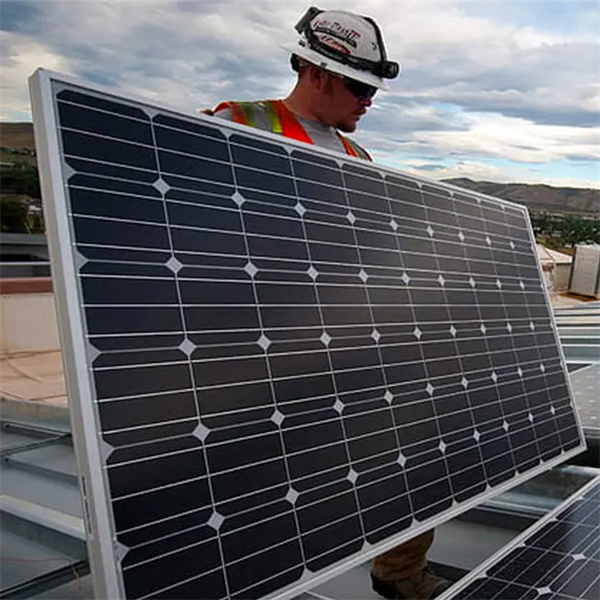
There are quite a few benefits of photovoltaic panels. They can help us burn less fossil fuel, cut our electricity bills, and even boost the value of our homes. Photovoltaic panels also provide us with energy independence because we can produce our own electricity and do not need the grid. Plus, by using solar you’re creating jobs in the renewable energy sector and encouraging a future that’s better for everyone.
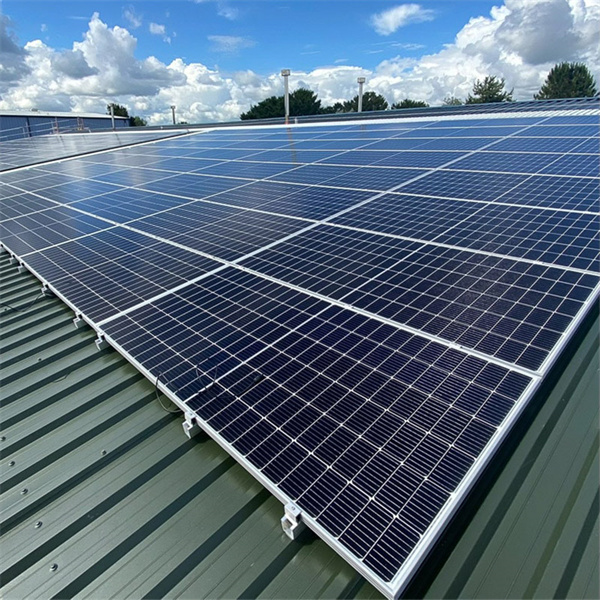
Photovoltaic panels may be able to do more than generate electricity for buildings. They can light street lights and charge electric cars, and provide power in locations with inconsistent access to the electricity grid. Some companies are developing technologies to embed solar collectors in clothing and wearable devices so people can generate their own electricity while walking and working outdoors. These are just some of the potential that can come out of more research in to photovoltaic panels.
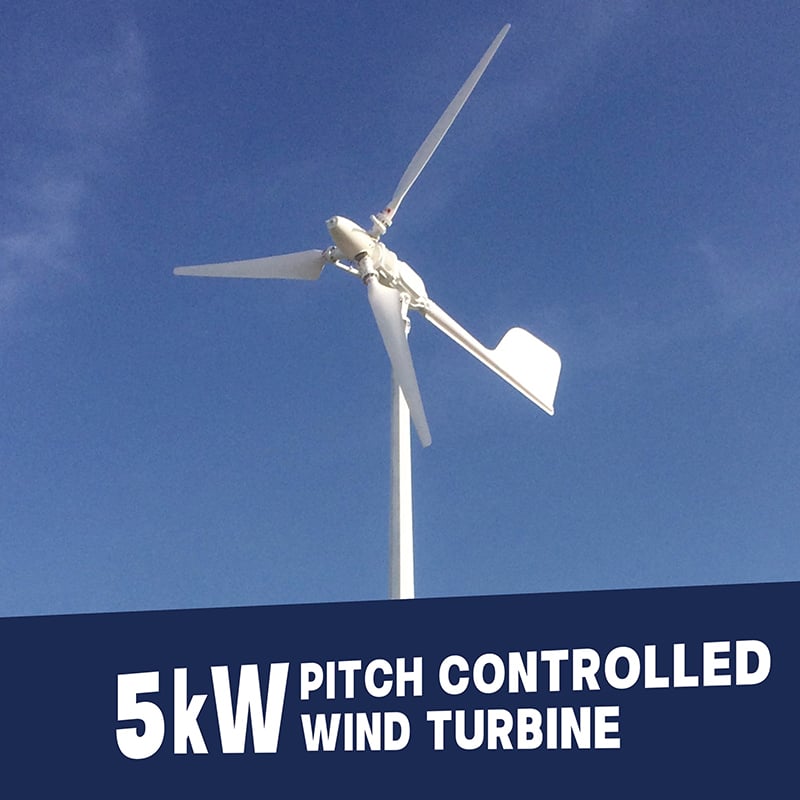
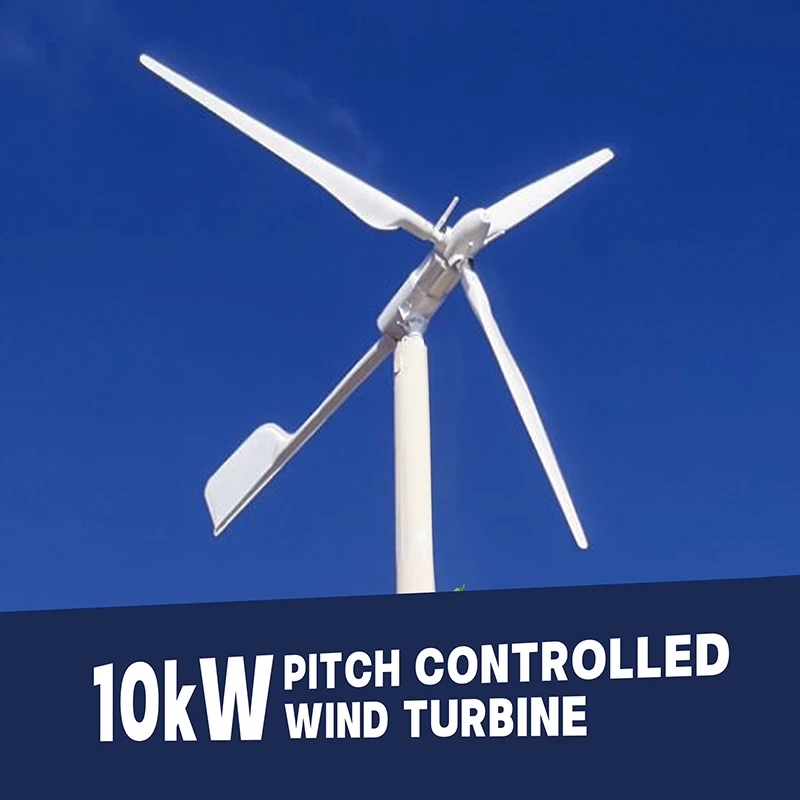
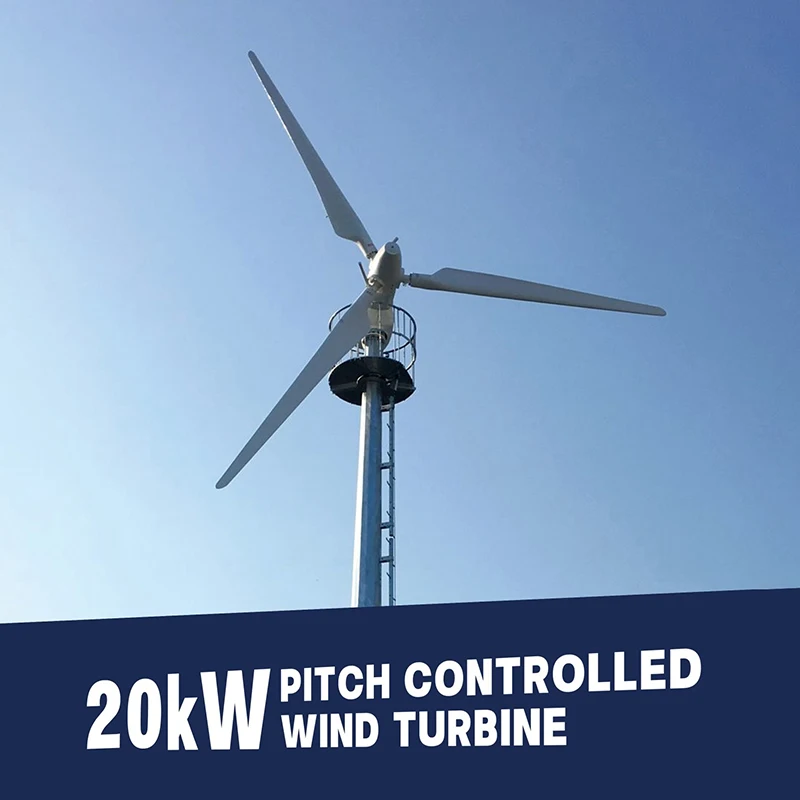
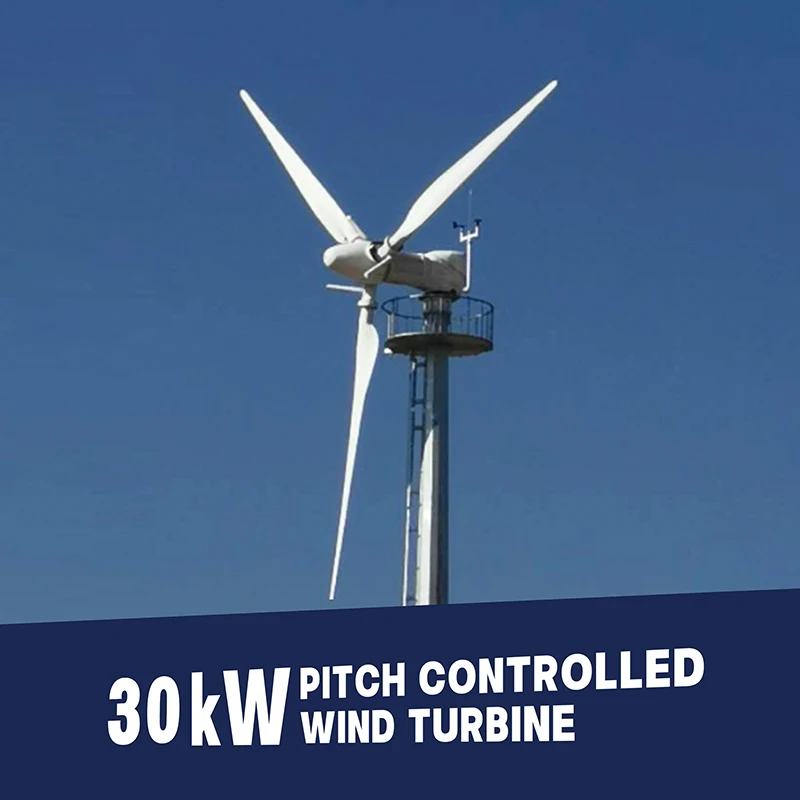
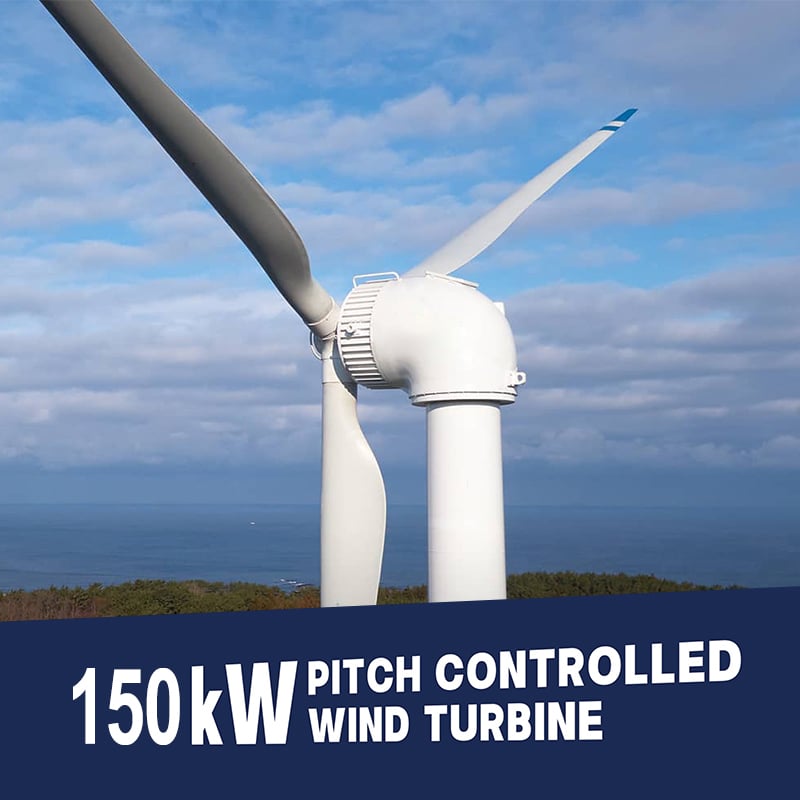
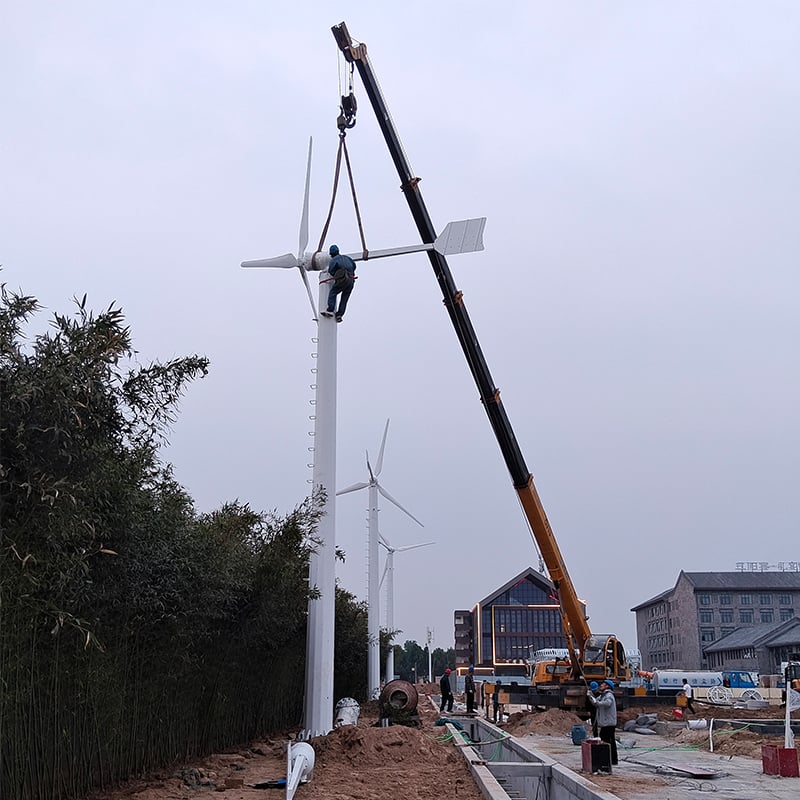
We're committed keeping integrity as the foundation our company, photovoltaic panel customers the best power products as well as expert services. For wind turbines you can pay attention to important integrity is the foundation our company. provide genuine power products provide skilled service. You can consider parameters like blade diameter wind turbine weight when evaluating wind turbines. DHC assures that its products are able to deliver real power without overstating power.
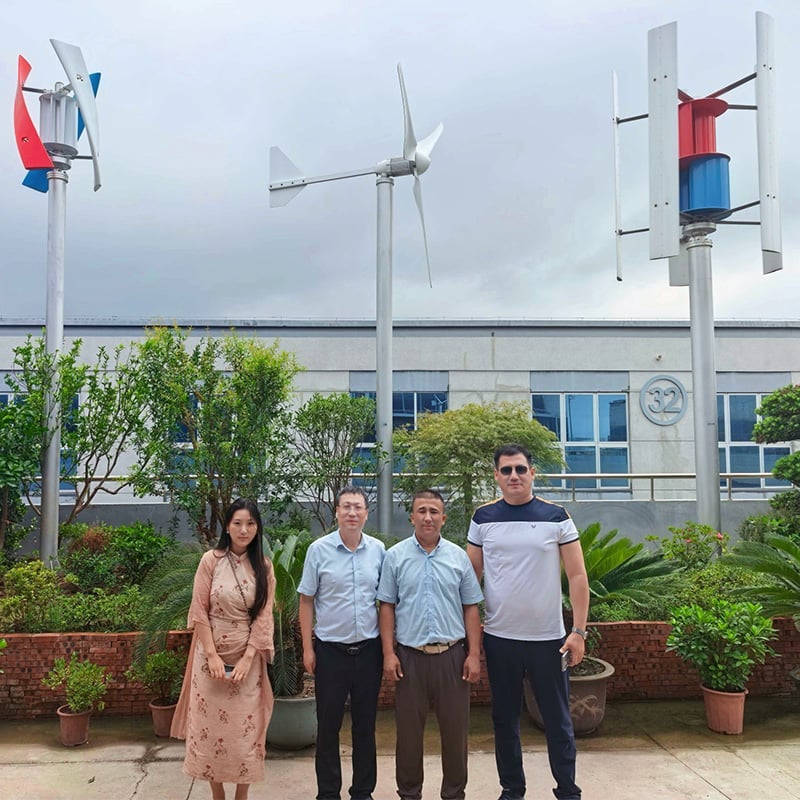
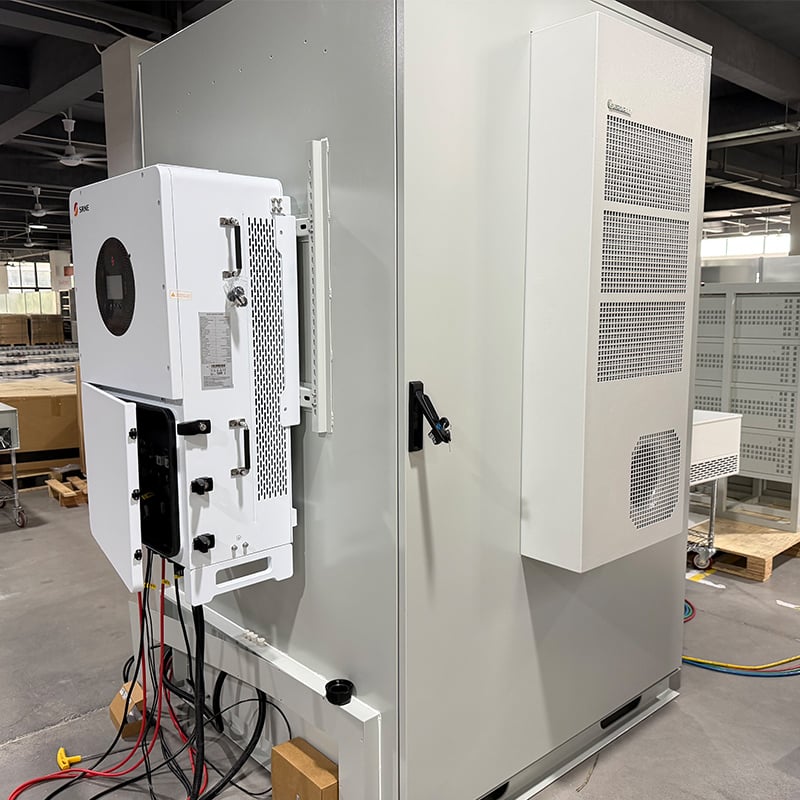
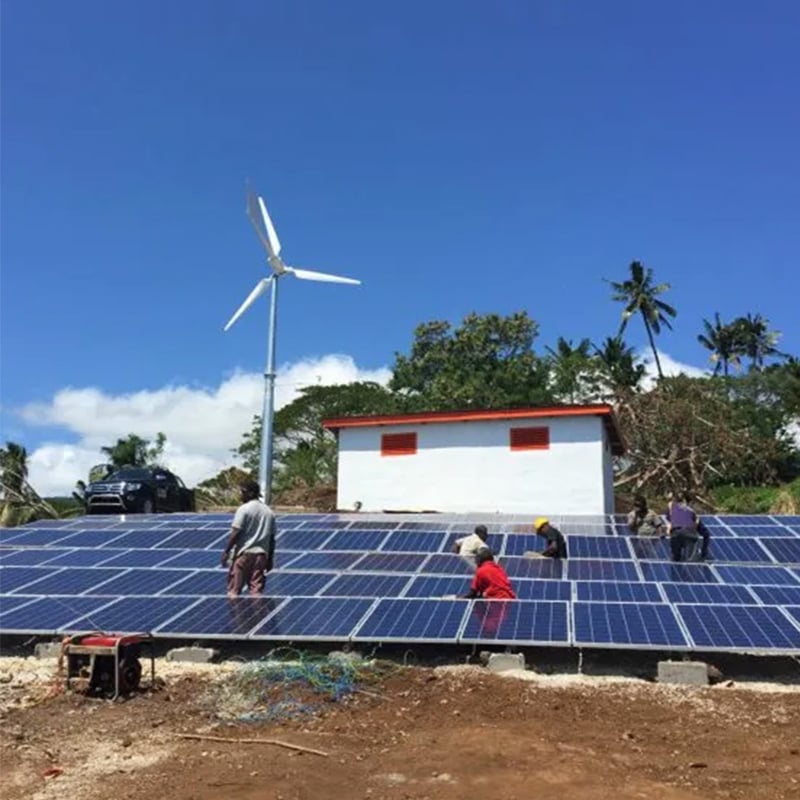
primary products wind turbines, solar panels and lifepo4 batteries. customers will receive a one-stop-shop service the integration and photovoltaic panel a wind-solar hybrid as well as smart photovoltaic system. DHC provides reliable products, technologies, and after-sales service to customers with excellent delivery capability.
We're photovoltaic panel meeting commercial domestic electricity needs with wind/solar power system. can provide our customers with tailored solutions through skilled supply chain management capabilities and capabilities for integration. We'll provide high-quality service all hours of day beginning with design, production and after-sales.
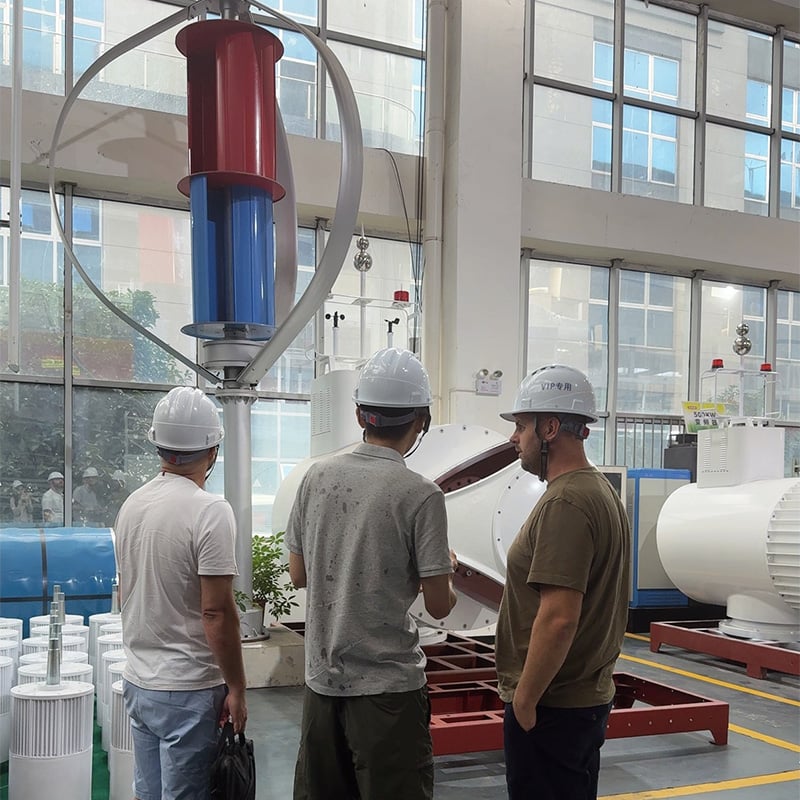
As leading brand wind-powered hybrid power systems DHC is only company with its own wind turbine factory, which combines R D, design, production, technical services. Since 2009 founders have embraced the idea of protecting the environment, immersed new technologies, and photovoltaic panel by the corporate values that focuses "diligence and integrity, as well as cooperation and creativity." This is also the origin of our name "DHC".
Welcome to DHC, the top brand of wind solar hybrid power system! We provide innovative and effective new energy solutions including wind turbine, solar panel, lifepo4 battery, etc.
 EN
EN