
As the demand for renewable energy continues to rise, pvt solar panels have become an essential focus for businesses looking to enhance efficiency and sustainability. Sourcing these panels involves numerous considerations, from technical specifications to cost factors and installation methods. This article aims to provide B2B buyers—such as purchasing managers, distributors, and engineers—with crucial insights into the evaluation and procurement of pvt solar panels, equipping them with the knowledge needed to make informed purchasing decisions.
When sourcing pvt solar panels, several key specifications should be evaluated to ensure optimal performance and suitability for specific applications.
Efficiency: This refers to the ability of the solar panel to convert sunlight into electricity. Higher efficiency ratings, typically above 18%, indicate better performance. Buyers should consider the efficiency in relation to available space, as higher efficiency panels can generate more power in a smaller area.
Power Output: Measured in watts, the power output determines how much electricity a panel can produce under ideal conditions. It's crucial to match the power output to the energy requirements of the application, whether for residential, commercial, or industrial use.
Durability and Warranty: Look for panels with a robust build and a long warranty period, usually around 25 years. This indicates confidence in the product's longevity and performance over time. Check for certifications such as IEC 61215 and IEC 61730, which ensure compliance with international standards.
Temperature Coefficient: This specification indicates how the panel’s efficiency decreases with rising temperatures. A lower temperature coefficient means better performance in hot climates, which is particularly relevant for many applications.
Material: Most solar panels are made from monocrystalline or polycrystalline silicon. Monocrystalline panels tend to be more efficient and have a longer lifespan, making them ideal for applications where space is limited.
Understanding these specifications not only helps buyers select the right panels but also ensures that they can meet their energy needs effectively.
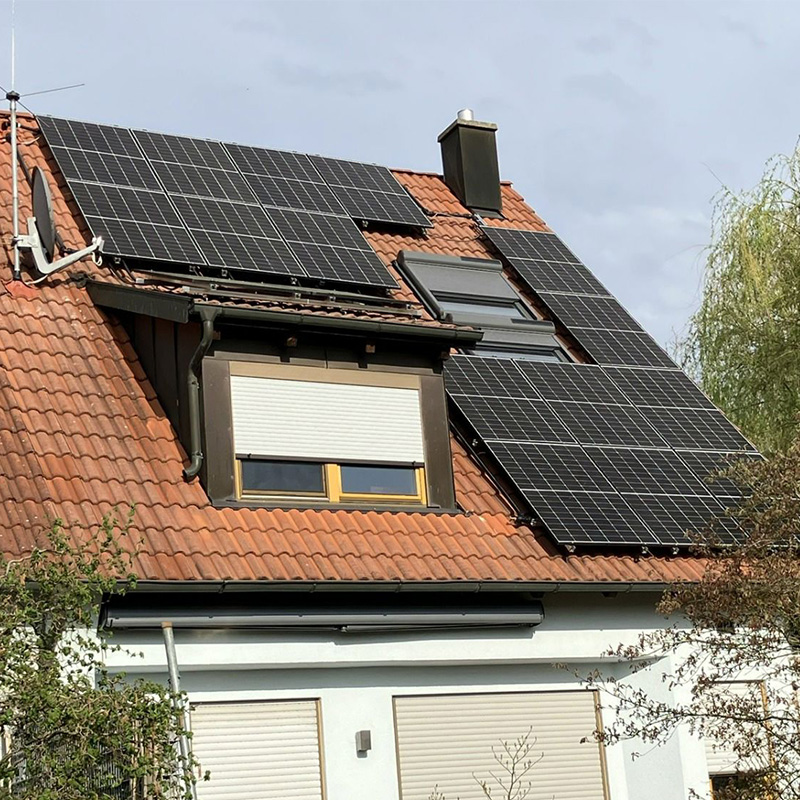
Quality can vary significantly among solar panel manufacturers, making it essential to conduct thorough comparisons.
Reputation: Consider the manufacturer's history in the industry. Companies like Jiangsu DHC Environmental Si-Tech Co., Ltd., with 15 years of experience, often have established supply chains and reliable products.
Certifications and Testing: Look for manufacturers that provide certifications from recognized third-party testing organizations. These certifications validate the manufacturer's claims regarding efficiency, durability, and safety.
Customer Reviews and Case Studies: Research customer feedback and case studies to understand real-world performance. Successful installations and satisfied clients are strong indicators of a manufacturer's reliability.
Customization Options: Some suppliers offer custom solutions tailored to specific energy needs. This can include unique panel sizes, configurations, or integrated technologies, which can be particularly advantageous for specialized applications.
After-Sales Support: Assess the level of customer support provided post-purchase. A solid warranty and responsive customer service can significantly enhance the purchasing experience and provide peace of mind regarding future issues.
By comparing these factors, buyers can identify manufacturers that not only meet quality criteria but also align with their operational needs.
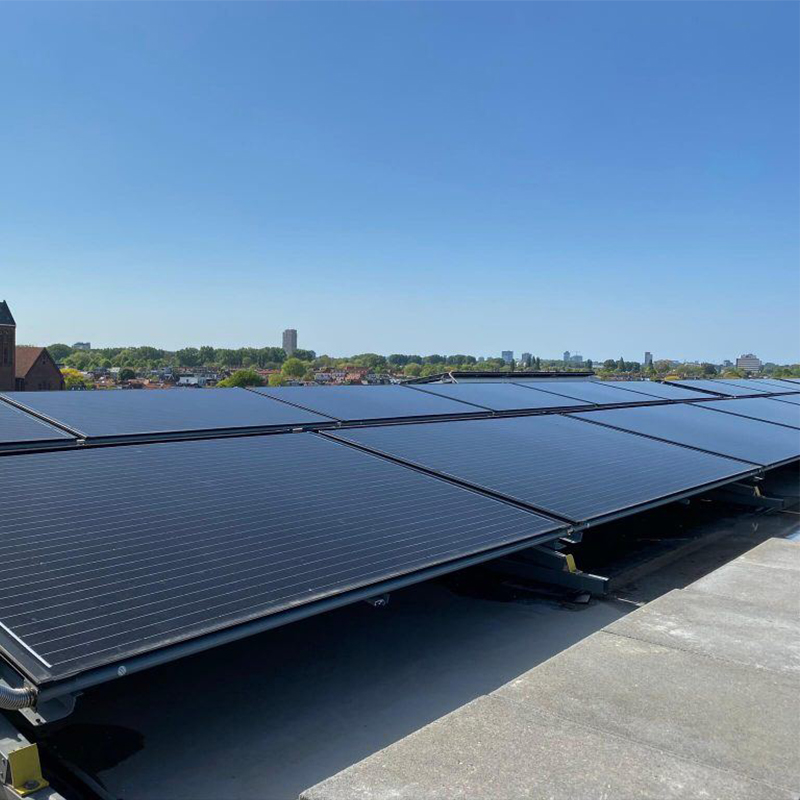
When purchasing pvt solar panels wholesale, several cost factors should be assessed to ensure a wise investment.
Unit Price: The starting point for any purchase, unit prices can vary based on the panel type, efficiency, and features. Larger orders might benefit from volume discounts, so it's worth discussing pricing structures with suppliers.
Shipping and Handling Costs: Depending on the supplier's location and the delivery destination, shipping costs can significantly impact the total purchase price. Buyers should factor in these costs when comparing quotes.
Installation Expenses: The complexity of installation can influence overall costs. Some panels may require specialized installation techniques, which can increase labor costs. It's advisable to obtain installation quotes alongside panel prices.
Maintenance Costs: Consider long-term maintenance costs, including cleaning and potential repairs. Panels with longer warranties may reduce these costs over time, making them a more economical choice.
Incentives and Tax Credits: Many regions offer incentives for renewable energy investments. Buyers should research available tax credits or rebates that could offset initial costs, enhancing the financial viability of the purchase.
Understanding these cost factors helps buyers budget more effectively and ensures that they are making a financially sound decision.
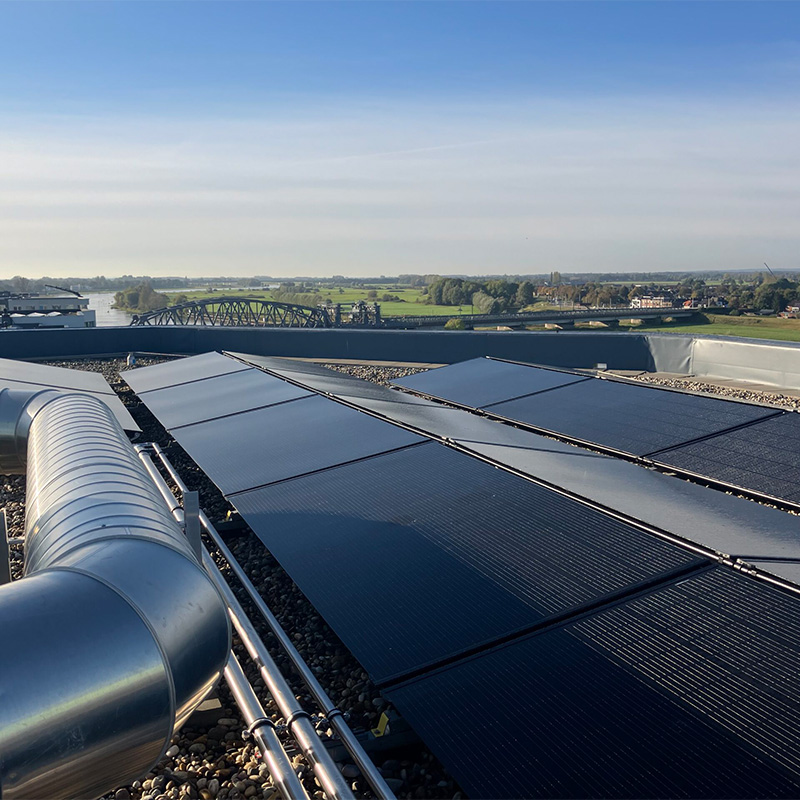
Proper installation is critical to maximizing the performance of pvt solar panels. Here are key considerations for an efficient deployment:
Site Assessment: Before installation, conduct a thorough site assessment to determine the optimal placement of panels. Factors such as shading, roof orientation, and angle should be evaluated to ensure maximum sunlight exposure.
Mounting Systems: Choose suitable mounting systems that align with the installation surface. Roof-mounted systems require different considerations than ground-mounted systems. Ensure that the mounting structures are durable and compatible with local weather conditions.
Electrical Configuration: The electrical setup must be designed according to the specific energy requirements. Working with a qualified electrician can ensure that the inverter and wiring are properly configured to handle the expected load and optimize energy output.
Safety Regulations: Adhere to local building codes and safety regulations during installation. This includes obtaining necessary permits and ensuring compliance with electrical standards.
Testing and Commissioning: After installation, conduct thorough testing to verify that the system operates as intended. This includes checking the electrical connections and ensuring that the inverter is functioning properly.
By following these guidelines, buyers can ensure a successful installation that maximizes the energy generation potential of their solar panels.
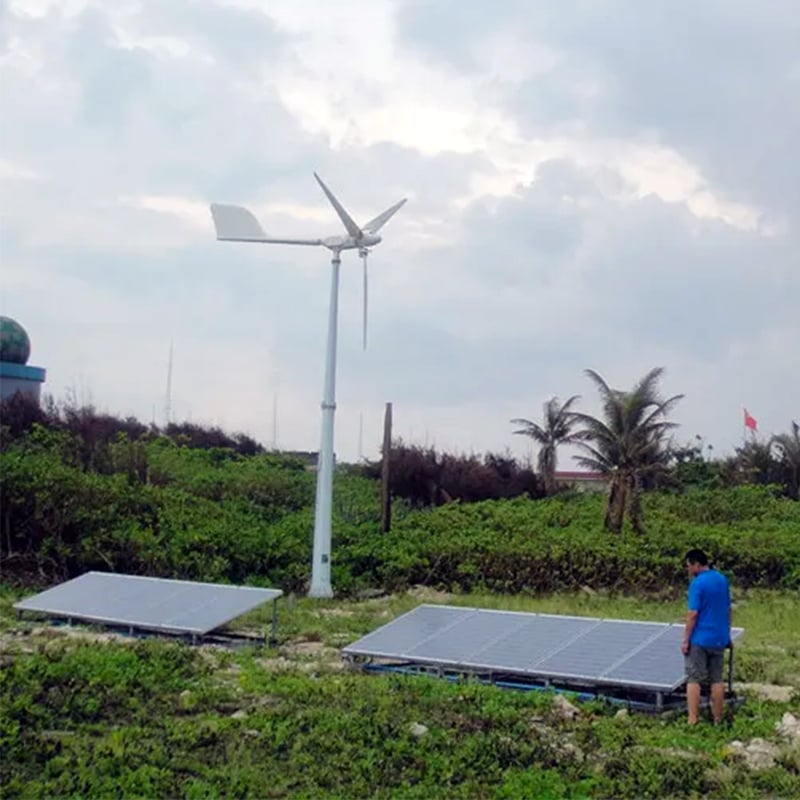
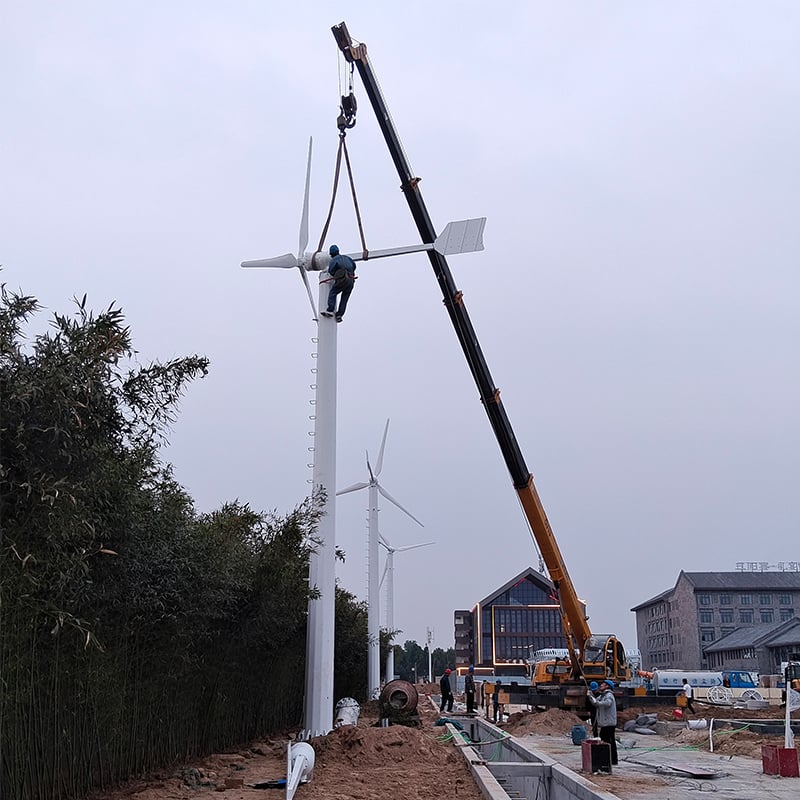
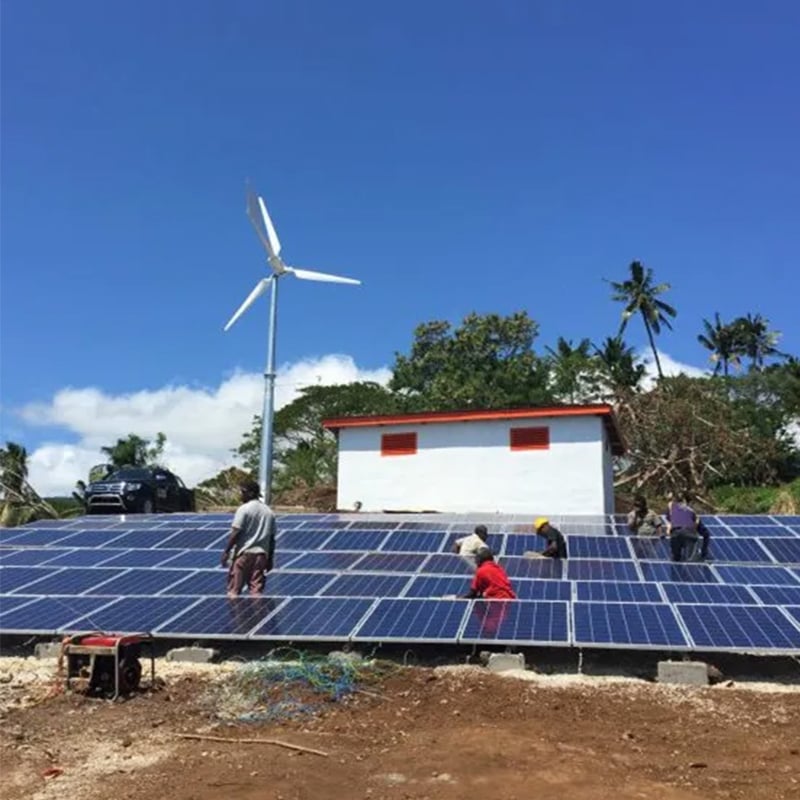
We're dedicated solving commercial residential electrical needs utilizing a solar/wind power system. With professional supply chain management and integration capabilities, are able to provide customers with completely customized solutions. We'll provide high-quality service all hours of day from Wind turbine for home 5kw to design and after-sales.
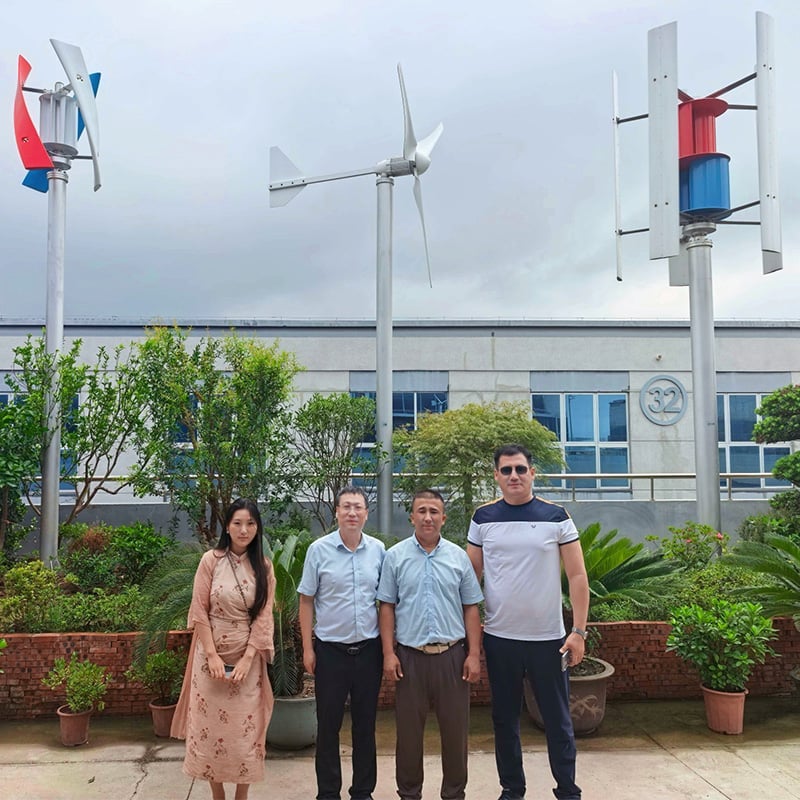
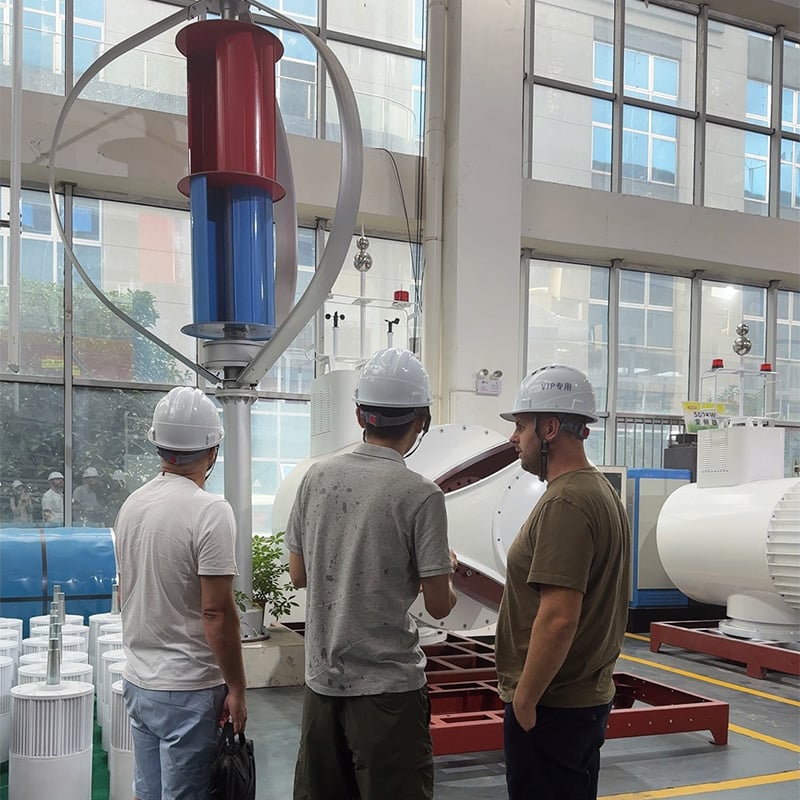
As leading brand wind-powered hybrid power systems DHC is only company with its own wind turbine factory, which combines R D, design, production, technical services. Since 2009 founders have embraced the idea of protecting the environment, immersed new technologies, and Wind turbine for home 5kw by the corporate values that focuses "diligence and integrity, as well as cooperation and creativity." This is also the origin of our name "DHC".
commitment integrity is the basis of our company. We offer real power solutions and offer expert service. Regarding wind turbines can pay attention to is important to We're committed keeping integrity as the primary goal of our 2kw vertical wind turbine, and we offer customers the best power products as well as competent services. When it comes to wind turbines, be sure to consider parameters such as blade diameter and weight. guarantee that all products made by DHC feature actual power output not overinflated power.
primary products wind turbines, solar panels and lifepo4 batteries. customers will receive a one-stop-shop service the integration and 2kw vertical axis wind turbine a wind-solar hybrid as well as smart photovoltaic system. DHC provides reliable products, technologies, and after-sales service to customers with excellent delivery capability.
Despite their robust design, pvt solar panels can encounter issues that may affect performance. Here are some common problems and their solutions:
Degradation: Over time, solar panels may experience performance degradation due to environmental factors. Regular maintenance, including cleaning and inspections, can help mitigate this issue. Buyers should also consider panels with lower degradation rates.
Shading: Trees, buildings, or other obstructions can cast shadows on panels, reducing their efficiency. Proper site assessment before installation can help identify potential shading issues, and solutions such as microinverters or power optimizers can help maximize output even in partially shaded conditions.
Connection Issues: Loose or corroded connections can lead to significant power losses. Regular inspections of electrical connections and ensuring that they are weatherproofed can prevent these issues.
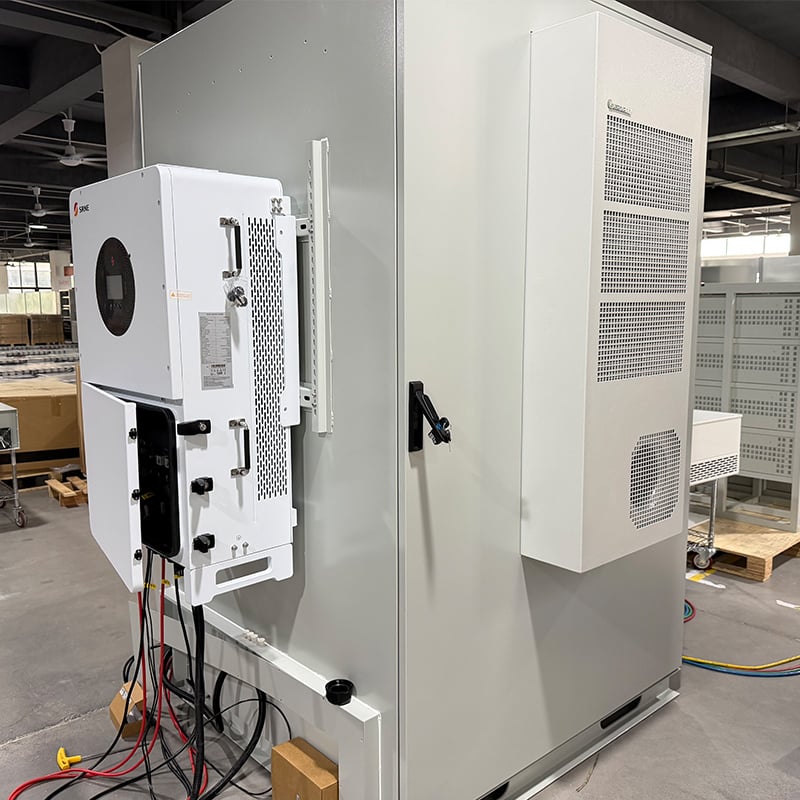
Inverter Problems: The inverter is a critical component that converts DC electricity into AC. Regular monitoring of the inverter's performance can help identify issues early. Buyers should ensure that the inverter is of high quality and matches the system's requirements.
Warranty Claims: In the event of product failure, understanding the warranty process is essential. Buyers should keep records of installation and maintenance to support warranty claims if needed.
By being aware of these common issues and their solutions, buyers can ensure that their investment in pvt solar panels remains efficient and effective over time.
Welcome to DHC, the top brand of wind solar hybrid power system! We provide innovative and effective new energy solutions including wind turbine, solar panel, lifepo4 battery, etc.
 EN