
The solar PVT system, which integrates both photovoltaic and thermal technologies, offers a comprehensive solution for energy generation and heating. As businesses and industries increasingly seek sustainable energy solutions, understanding how to select, source, and install these systems becomes crucial. This article will guide B2B buyers—such as purchasing managers, engineers, and product managers—through the key considerations for solar PVT systems, from selection criteria to installation and applications, ensuring informed purchasing decisions.
Selecting the appropriate solar PVT system involves evaluating multiple factors that align with your specific project requirements. Key considerations include system size, efficiency ratings, and compatibility with existing infrastructure.
System Size: Assess the energy demands of your facility. Larger systems may be necessary for industrial applications, whereas smaller systems could suffice for residential or agricultural use. It’s essential to conduct an energy audit to determine the optimal size.
Efficiency Ratings: Look for systems with high efficiency ratings that can convert maximum sunlight into energy. Systems are typically rated by their photovoltaic efficiency and thermal efficiency—consider both to fully understand the system's performance.
Compatibility: Ensure that the solar PVT system is compatible with your existing electrical systems and heating requirements. Understanding the integration capabilities with inverters and storage solutions, such as LiFePO4 batteries, is crucial for maximizing efficiency and reliability.
Customization: Many suppliers, including Jiangsu DHC Environmental Si-Tech Co., Ltd., offer custom solutions tailored to specific needs. Discuss your requirements with potential suppliers to explore customized options that fit your unique energy profile.
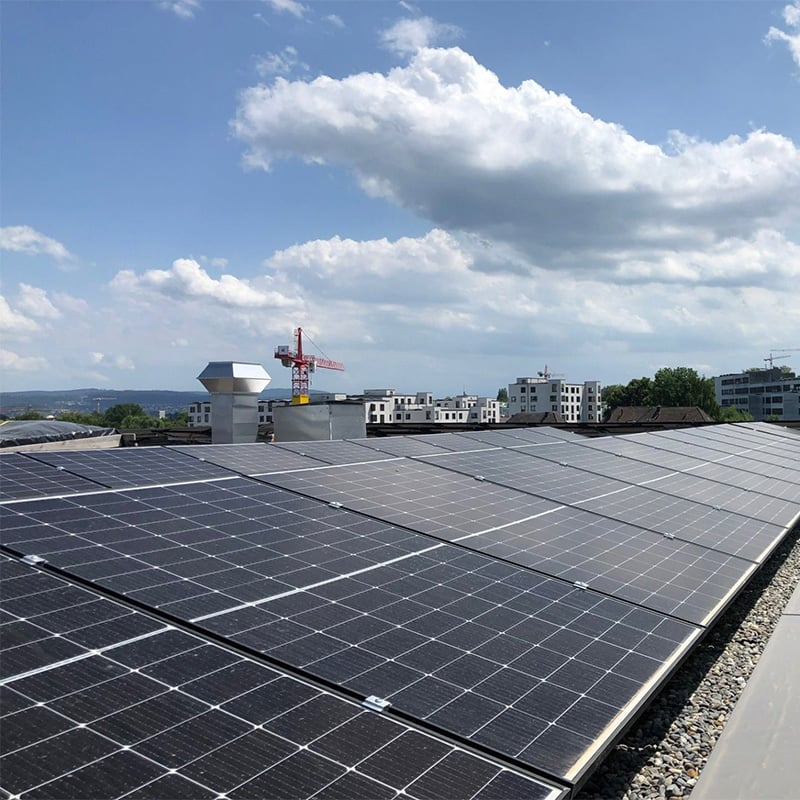
Finding trustworthy suppliers is vital for ensuring quality and reliability in solar PVT systems. Here are some strategies to identify and evaluate suppliers:
Industry Networking: Attend industry expos, conferences, and trade shows focused on renewable energy. These events are excellent for meeting suppliers, viewing their products, and discussing your needs face-to-face.
Online Research: Utilize industry-specific platforms and marketplaces to find suppliers. Look for customer reviews, case studies, and market reputation. Sites like LinkedIn can help connect with professionals in the field to gather recommendations.
Certifications and Standards: Ensure that potential suppliers adhere to relevant industry standards and certifications. Certifications can indicate a supplier's commitment to quality and reliability, so verify these credentials during your evaluation.
Supplier Background: Consider the supplier's experience and history in the market. Companies like Jiangsu DHC have 15 years of expertise in renewable energy, which often translates to better service and product reliability.
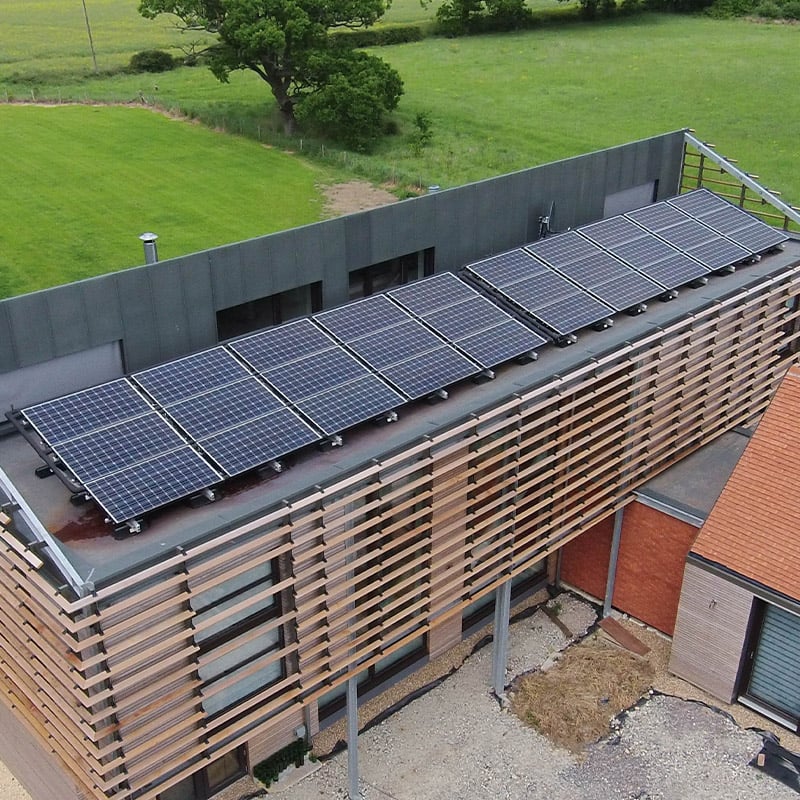
Proper installation is crucial for optimizing the performance of a solar PVT system. Here are key steps and considerations:
Professional Installation: Engage experienced professionals for installation. Improper installation can lead to inefficiencies and potential damage. Ensure the installation team is familiar with both photovoltaic and thermal components.
Site Assessment: Conduct a thorough site assessment to determine the best orientation and angle for the solar panels. Factors such as local climate, shading from nearby structures, and roof condition must be considered to maximize sunlight exposure.
Electrical and Thermal Connections: Ensure that electrical connections are made according to safety standards. For thermal output, consider how the system will integrate with existing heating systems, whether for domestic hot water or space heating, including systems like Solar Heat Pump System.
Post-Installation Testing: After installation, conduct thorough testing to ensure that both the photovoltaic and thermal components are functioning correctly. Regular maintenance checks are also recommended to maintain system efficiency.
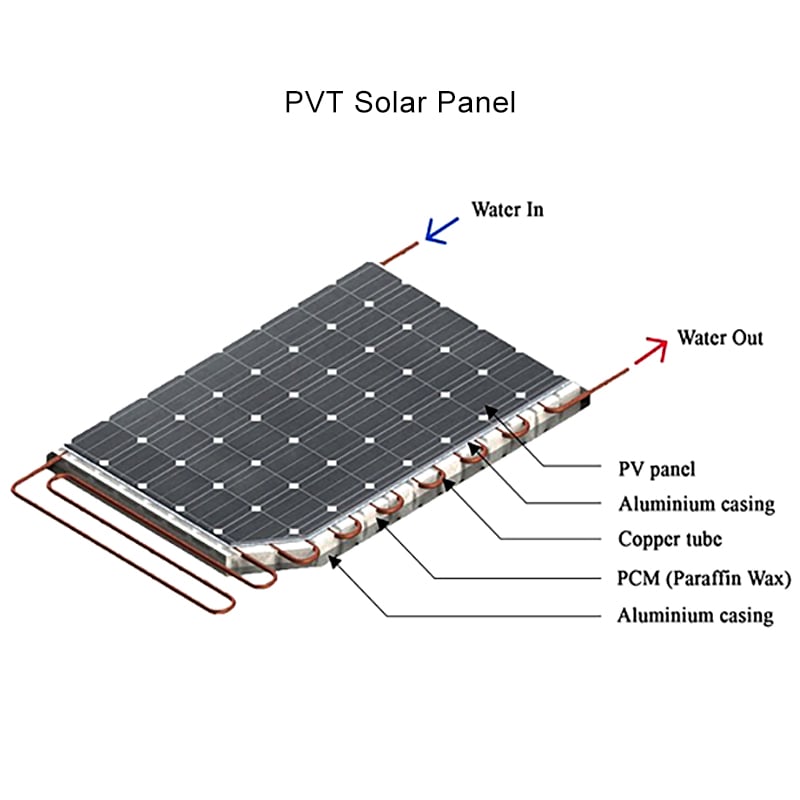
Solar PVT systems are versatile and can be applied across multiple sectors. Here are some key applications:
Residential: Homeowners can benefit from solar PVT systems by decreasing electricity bills and providing hot water for domestic use. These systems are particularly beneficial in regions with high solar insolation.
Agriculture: Farms can utilize solar PVT systems for heating water for livestock, irrigation systems, and powering farm equipment, leading to significant energy savings and reduced operational costs.
Commercial: Businesses can implement solar PVT systems to power their facilities while managing heating needs for processes or buildings. This dual-use capability can enhance energy efficiency and reduce reliance on fossil fuels.
Industrial: Factories can use solar PVT systems for large-scale energy needs, providing both electricity and hot water for processing. This integrated approach can lead to substantial cost savings and support sustainability goals.
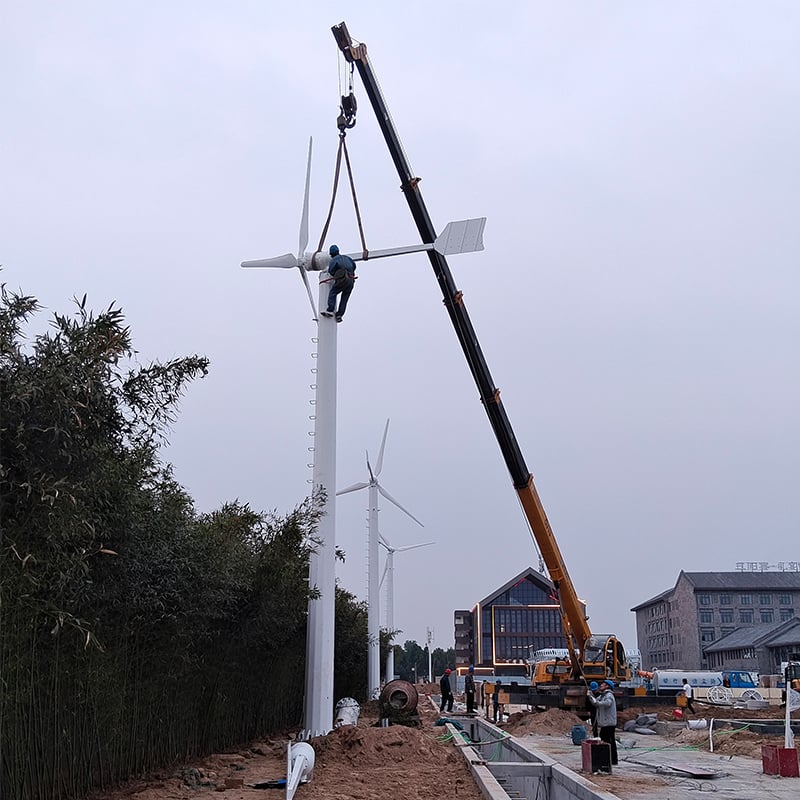
As most sought-after brand of wind solar hybrid power systems, DHC has own wind turbine factory integrating R D design, production and technical support. founders of DHC have been working on the idea green 5000w wind turbine protection since 2009 and immersed in the world of renewable energy adhering to the company's values "diligence as well as honesty, cooperation and innovation." Our DHC brand DHC is the result of this.
main products include wind Wind turbine for home 5kw solar panels. Customers can avail an all-in-one service integration development of wind-solar hybrids as well as smart photovoltaic system. With excellent delivery ability, DHC provides reliable technologies and products, as well as after-sales service customers.
Integrity is foundation of our company. offer real power equipment, as well as skilled Wind turbine. In the case of wind turbines, {you can pay attention it is important to commitment to integrity the basis of our business. We provide genuine power equipment, as well as expert service. Consider parameters such as blade diameter as well as wind turbine weight when looking at wind turbines. DHC promises that its products are able to deliver real power without exaggerating the power.
are dedicated to meeting commercial domestic electricity needs with wind solar power system. able to provide customers with fully customized solutions with our professional capability managing supply chains capabilities 15kw wind turbine for home. We'll provide professional service throughout day beginning with design, production and after-sales.
The materials used in solar PVT systems significantly influence performance and durability. Here are key material considerations:
Photovoltaic Cells: Look for high-quality silicon or thin-film technology in photovoltaic cells. Silicon-based cells typically offer higher efficiency and longevity, while thin-film options may provide flexibility and lighter weight.
Thermal Collectors: The choice of materials for thermal collectors is essential for heat absorption. Select high-performance materials that ensure durability and resistance to environmental factors.
Insulation: Proper insulation materials in the thermal components help reduce heat loss, which is critical for maintaining high thermal efficiency.
Durability and Corrosion Resistance: Ensure that materials are chosen for their resistance to weather conditions and environmental stresses. This consideration is especially important for outdoor installations to enhance the lifespan and reliability of the system.
By understanding these factors, B2B buyers can make informed decisions when selecting solar PVT systems, ensuring they align with project goals and operational requirements. This knowledge not only aids in effective purchasing but also contributes to long-term energy sustainability.
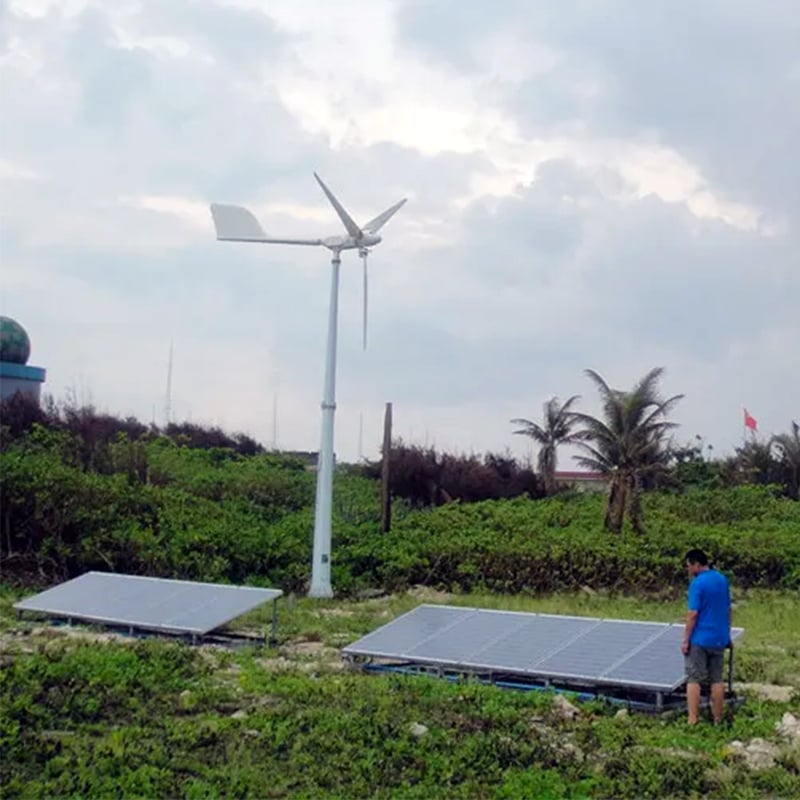
Welcome to DHC, the top brand of wind solar hybrid power system! We provide innovative and effective new energy solutions including wind turbine, solar panel, lifepo4 battery, etc.




 EN