
As businesses increasingly seek sustainable energy solutions, the integration of wind and solar hybrid systems has emerged as a viable option. The pvt module serves as a critical component in these systems, enabling efficient energy generation for various applications. This article addresses key considerations for B2B buyers, including product specifications, common issues, and material evaluation, to help you make informed decisions when selecting a hybrid energy solution. For instance, a Wind Controller can enhance the efficiency of these systems.
Selecting the appropriate wind and solar hybrid system requires a thorough understanding of your energy needs and environmental conditions. Begin by assessing the energy consumption patterns of your facility or project site. This includes evaluating peak demand times and expected usage rates, which will inform the size and capacity of the hybrid system needed.
Next, consider the geographical location. Wind speed and solar radiation levels can vary significantly based on the site. Utilize local meteorological data to determine the average wind speeds and solar insolation in your area, as these factors directly influence the efficiency and output of the hybrid system. Consulting with experienced manufacturers like Jiangsu DHC Environmental Si-Tech Co., Ltd. can provide insights into suitable system configurations tailored to your specific context. Additionally, evaluating options such as a Container Energy Storage Battery can be beneficial for energy management.
Finally, evaluate your project budget and any long-term operational costs. Look for manufacturers that offer transparent pricing models and customization options, which can help align the hybrid system’s capabilities with your financial constraints while achieving optimal performance.
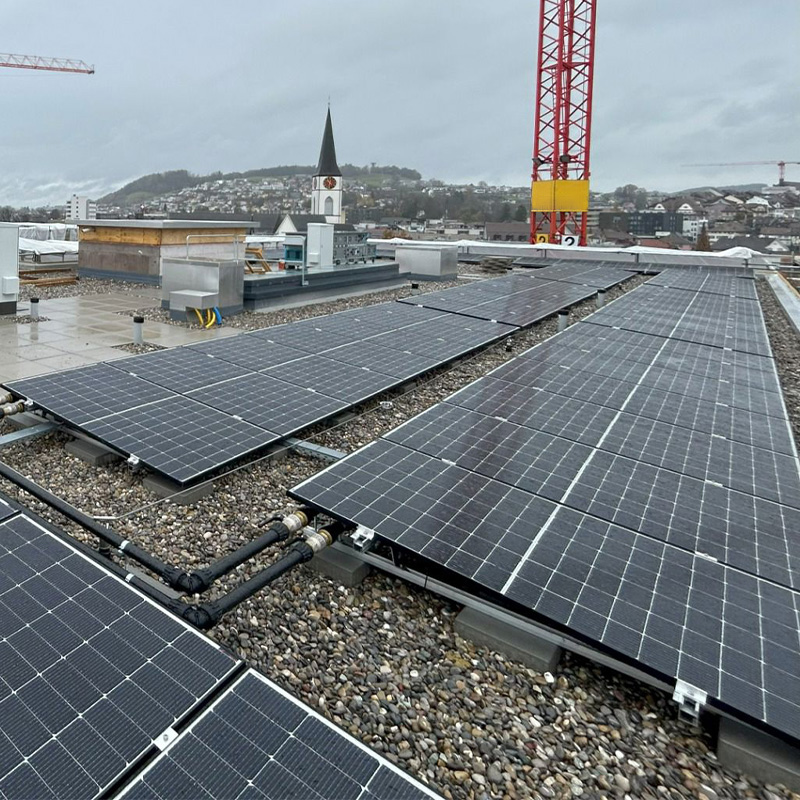
Quality assurance is paramount when selecting wind turbines and solar systems. Key specifications to consider include:
Power Output: Assess the nominal power rating, which indicates the maximum output under ideal conditions. Ensure the system can meet your projected energy demands.
Efficiency Ratings: Check the efficiency ratings of both the wind turbines and solar panels. Higher efficiency translates to better performance and energy yield, particularly in variable weather conditions.
Durability and Material Specifications: The construction materials used in turbines and panels significantly impact their longevity and resistance to environmental stressors. Look for systems built with high-quality, corrosion-resistant materials to ensure durability.
Noise Levels: For wind turbines, especially, consider the noise generated during operation, as this can be a critical factor in residential or urban settings.
Certification Standards: Ensure that the products comply with relevant certifications, such as IEC standards for wind turbines and ISO certifications for solar panels. These certifications signify adherence to rigorous quality and safety standards.
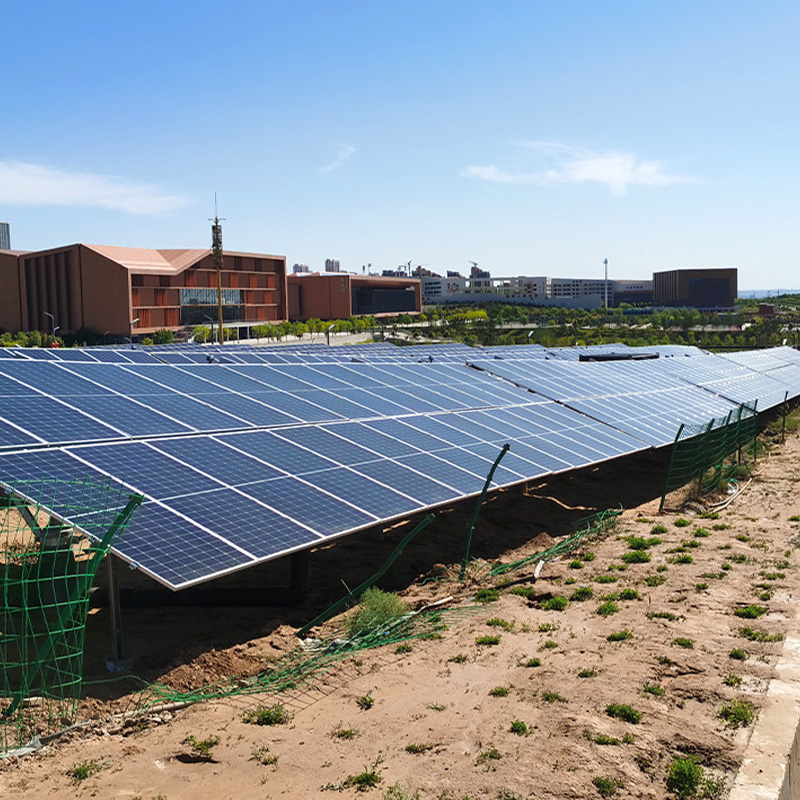
While renewable energy systems present numerous benefits, they can also encounter common issues. Understanding these problems and their solutions can enhance system reliability:
Intermittent Energy Supply: One of the main challenges with hybrid systems is the variability in energy generation due to changing weather conditions. To mitigate this, incorporating energy storage solutions, such as LiFePO4 batteries, enables users to store excess energy generated during peak production periods for use during low generation times. Solutions like a High Voltage Lifepo4 Battery can be particularly effective.
Maintenance Requirements: Regular maintenance is critical for ensuring optimal performance. Establish a maintenance schedule that includes inspections of mechanical components, electrical systems, and cleaning of solar panels to prevent efficiency loss due to dirt and debris.
System Integration: For systems that incorporate multiple energy sources, compatibility can be an issue. Ensure that your system is designed for seamless integration, which may involve consulting with manufacturers who specialize in hybrid technology.
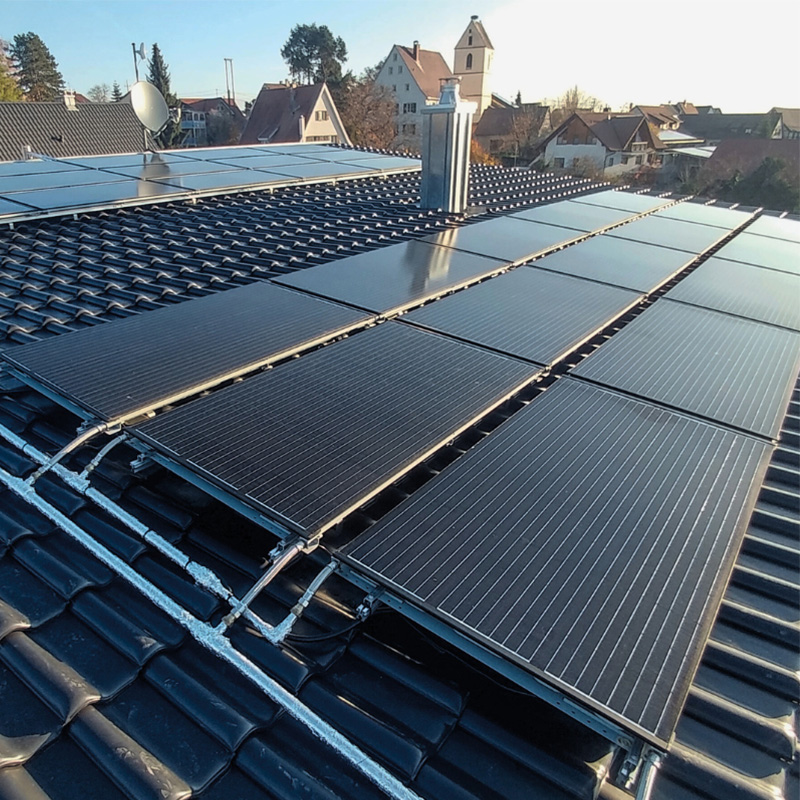
The materials used in wind and solar hybrid systems play a crucial role in their overall performance. Here are some material advantages to consider:
Corrosion Resistance: High-quality materials, such as stainless steel and specialized coatings, can extend the lifespan of components exposed to harsh weather conditions. This is particularly important for wind turbine blades and frames.
Weight and Strength: Lightweight yet strong materials can enhance the structural integrity of solar panels and turbines, allowing for better performance in high-wind environments. Advanced composite materials are often used for turbine blades to reduce weight while maintaining strength.
Thermal Conductivity: In solar panels, materials with high thermal conductivity can help dissipate heat, improving efficiency under high-temperature conditions. This is a critical consideration in regions with intense sunlight.
By evaluating these material properties, buyers can make informed decisions that enhance the efficiency and durability of their hybrid energy systems.
main products include wind Wind turbine for home 5kw solar panels. Customers can avail an all-in-one service integration development of wind-solar hybrids as well as smart photovoltaic system. With excellent delivery ability, DHC provides reliable technologies and products, as well as after-sales service customers.
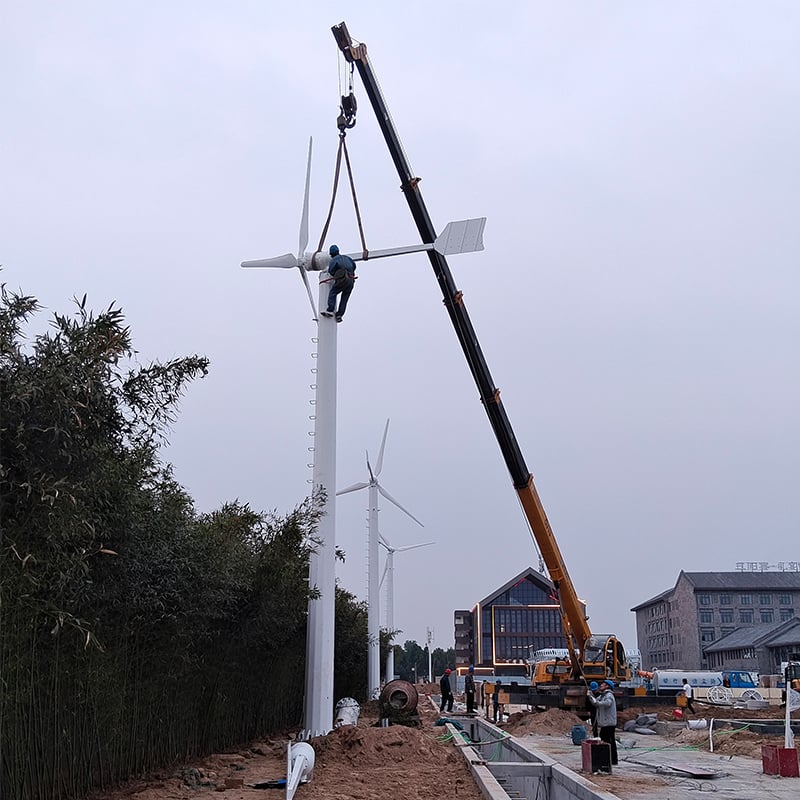
We dedicated to upholding integrity as cornerstone of our business, offering customers genuine power products expert services. In the case of wind turbines can pay attention is important to committed to keeping integrity as the cornerstone of business, offering customers the best power products as well as 15kw wind turbine for home services. Consider parameters such as blade diameter and wind turbine's weight when you evaluate wind turbines. We promise that all products manufactured by DHC have real power output without exaggerated power.
DHC the market leader in hybrid wind solar power systems. has its own manufacturing facility that integrates R D and production, design technical support. Since 2009 founders of DHC have been implementing the concept of environmental protection and have been immersed the latest technology and embraced the corporate wind turbine generator that focuses on "diligence and integrity, collaboration and innovation." This is also the basis of our brand "DHC".
Solar wind power systems are our primary focus. offer customers custom solutions using our expert supply 5000w wind turbine management capability's ability integrate. Simply tell us about your specific requirements, from design, production, to after-sales support, we will provide with real-time professional services throughout the day.
Wind and solar hybrid systems are versatile and can be tailored to various applications across industries. Here are some essential applications:
Agriculture: Farms can leverage hybrid systems to power irrigation systems, greenhouses, and other operations, reducing reliance on grid electricity and lowering operating costs.
Remote Locations: Hybrid systems are ideal for remote sites where traditional energy sources are unavailable. They can provide reliable power for telecommunications, mining operations, and research stations in isolated areas.
Commercial Buildings: Businesses can implement hybrid systems to offset energy costs and enhance sustainability initiatives. This is particularly relevant for organizations committed to reducing their carbon footprint.
Distributed Power Generation: Hybrid systems can serve as distributed energy resources, contributing to local grids and enhancing energy resilience in communities.
Selecting the right pvt module and hybrid energy system involves careful consideration of specifications, materials, and applications. By understanding these factors and working with experienced manufacturers, buyers can ensure they make informed choices that meet their sustainable energy needs while maximizing efficiency and performance.
Welcome to DHC, the top brand of wind solar hybrid power system! We provide innovative and effective new energy solutions including wind turbine, solar panel, lifepo4 battery, etc.




 EN