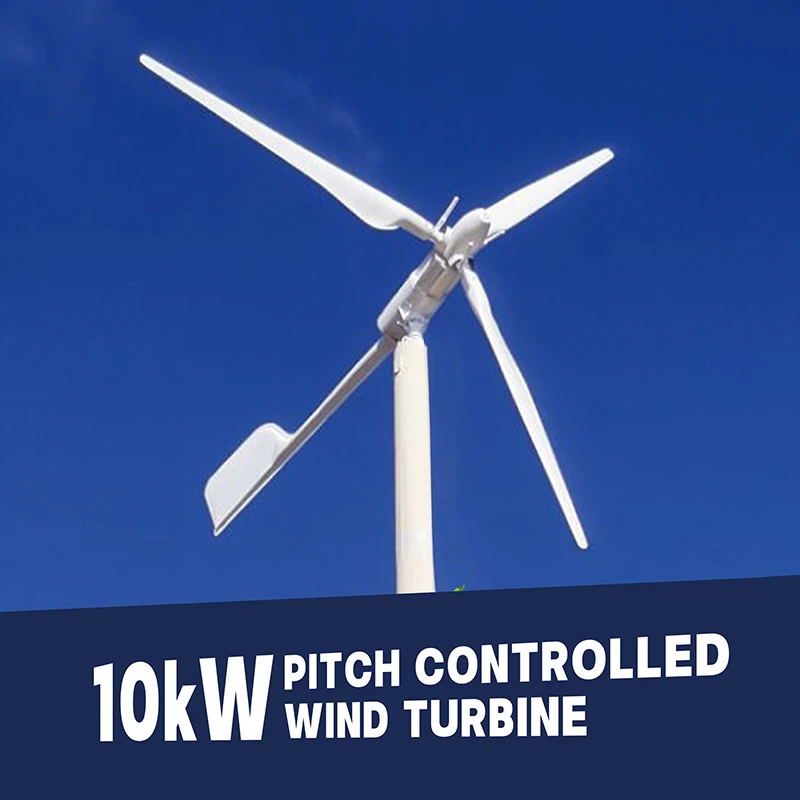
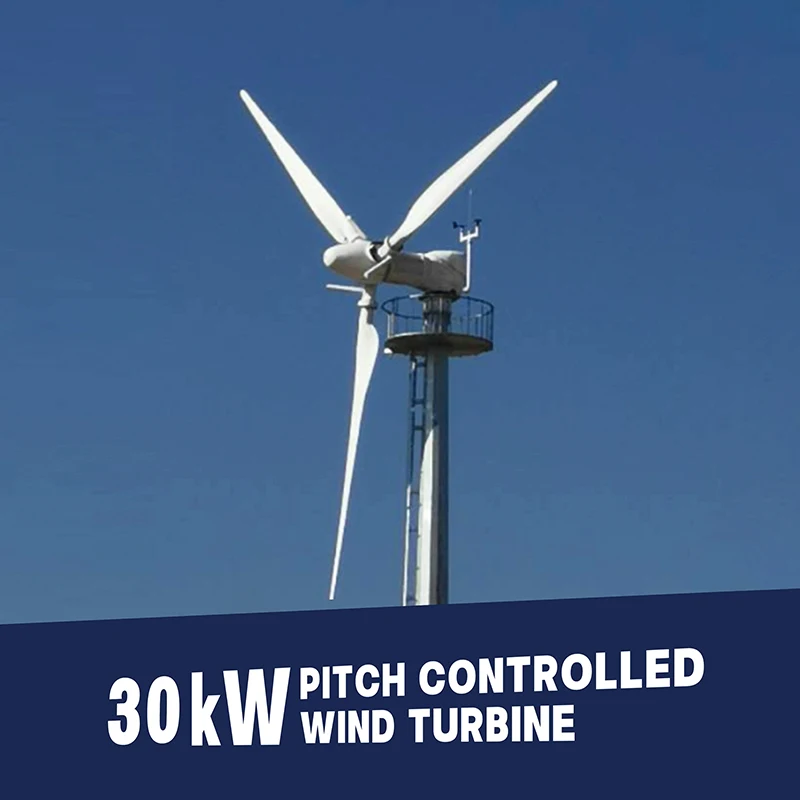
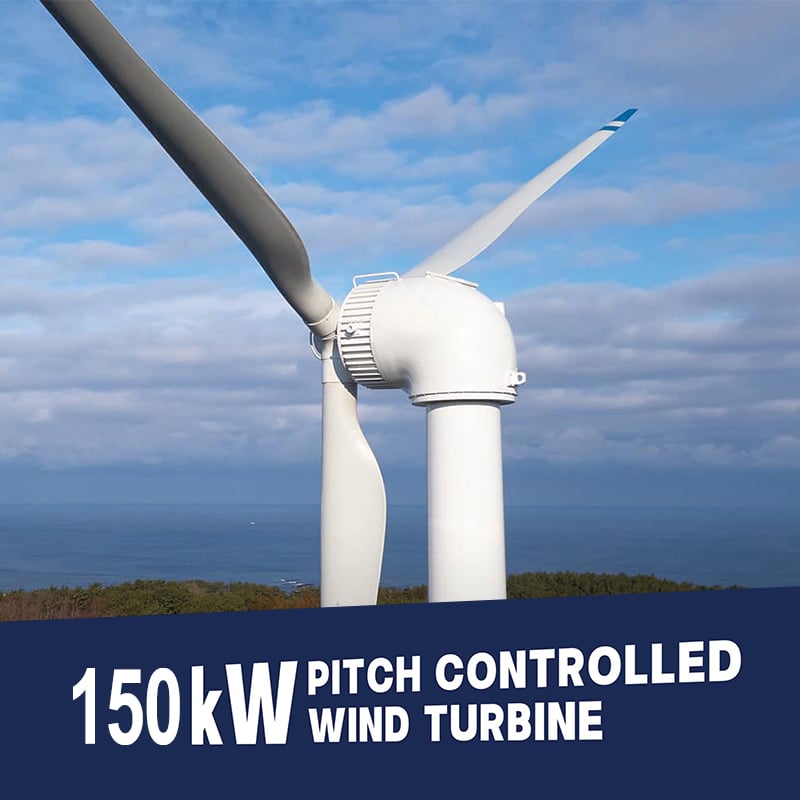
Residential wind turbines are an innovative solution for harnessing renewable energy at the home level. As concerns about energy costs and environmental impact grow, purchasing managers, distributors, and engineers are increasingly considering these systems. However, sourcing the right residential wind turbine involves understanding various factors, including specifications, installation requirements, and potential issues. This article aims to equip you with essential insights to make informed decisions when evaluating and purchasing vertical wind turbine.
When sourcing residential wind turbines wholesale, several key factors should be evaluated. Firstly, it’s crucial to ensure that the manufacturer has a solid reputation and experience in the renewable energy sector, like Jiangsu DHC Environmental Si-Tech Co., Ltd., which boasts 15 years of expertise in wind and solar hybrid systems. Buyers should also assess the manufacturer’s supply chain partnerships, as strong relationships can lead to better pricing and reliability.
Customization capabilities are another important consideration. Different applications may require specific turbine designs or power outputs, so confirming that the manufacturer can meet your requirements is vital. Additionally, understanding the minimum order quantities (MOQ) and lead times can help streamline the procurement process. Always request detailed product specifications and performance data to evaluate the turbine’s efficiency and suitability for your specific applications.
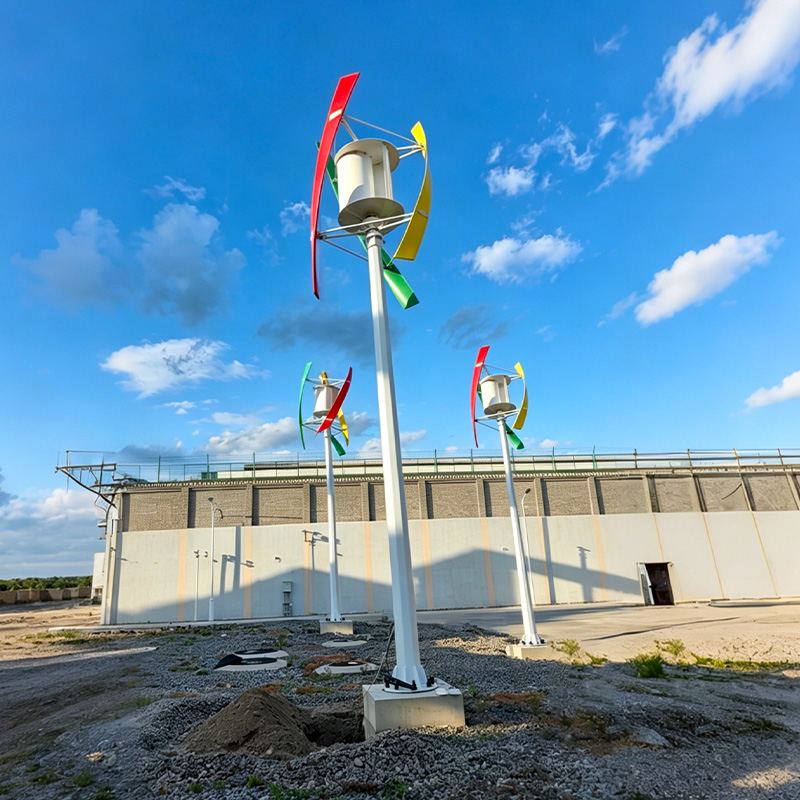
Evaluating the quality of Jiangsu DHC residential wind turbines requires a focus on several key specifications:
Power Output: Measured in kilowatts (kW), this indicates the amount of electricity a turbine can generate. Ensure the power output aligns with your energy needs and local wind conditions.
Rotor Diameter: A larger rotor diameter typically captures more wind energy. Buyers should consider the space available for installation and how it affects overall output.
Cut-in Wind Speed: This is the minimum wind speed at which the turbine begins generating electricity. A lower cut-in speed can be advantageous in areas with variable wind patterns.
Noise Levels: Turbines can produce sound during operation. It’s essential to check the dBA rating to ensure compliance with local noise regulations, especially in residential areas.
Material Quality: The durability of materials used in turbine construction affects longevity and maintenance needs. Look for turbines made from robust materials that can withstand harsh environmental conditions.
Understanding these specifications helps buyers ensure that they select a product suitable for their intended use and that it adheres to industry standards.
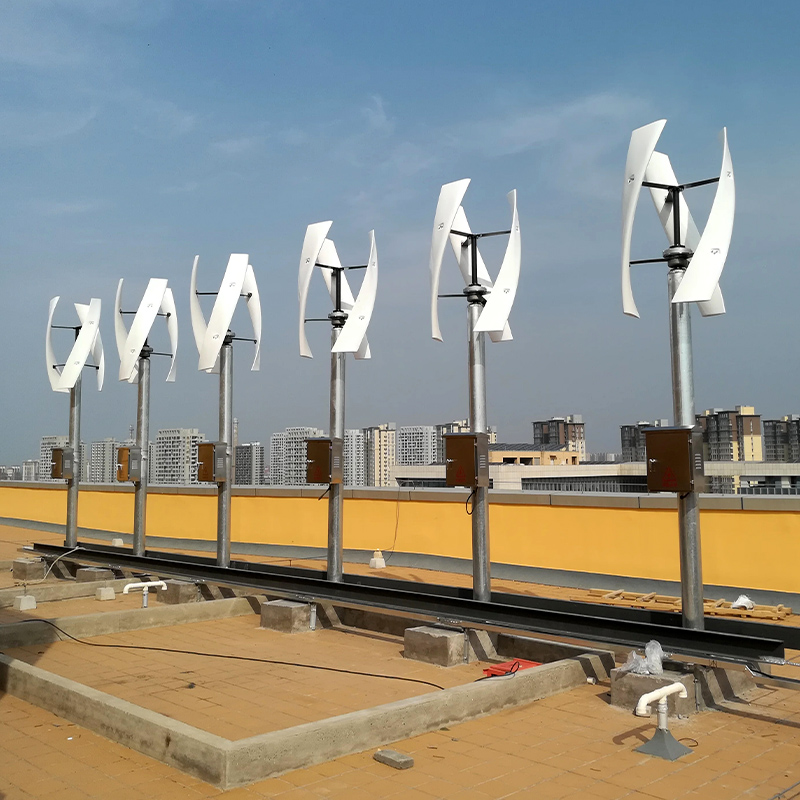
Choosing the right residential wind turbine involves assessing both the technical specifications and the specific needs of your location. Start by evaluating the average wind speed in your area, as this will significantly impact the turbine’s performance. Utilize local wind data and consult with professionals to determine which turbine models are most efficient in your region.
Next, consider the energy consumption of your residence or facility. Calculate your average energy needs to ensure the turbine’s output is sufficient to offset costs. For instance, if you consume 1,000 kWh per month, select a turbine capable of producing that amount based on your local wind conditions.
Finally, pay attention to local regulations and zoning laws, which may govern the installation of wind turbine and generator. Ensure that the selected model complies with these regulations to avoid potential legal issues and fines.
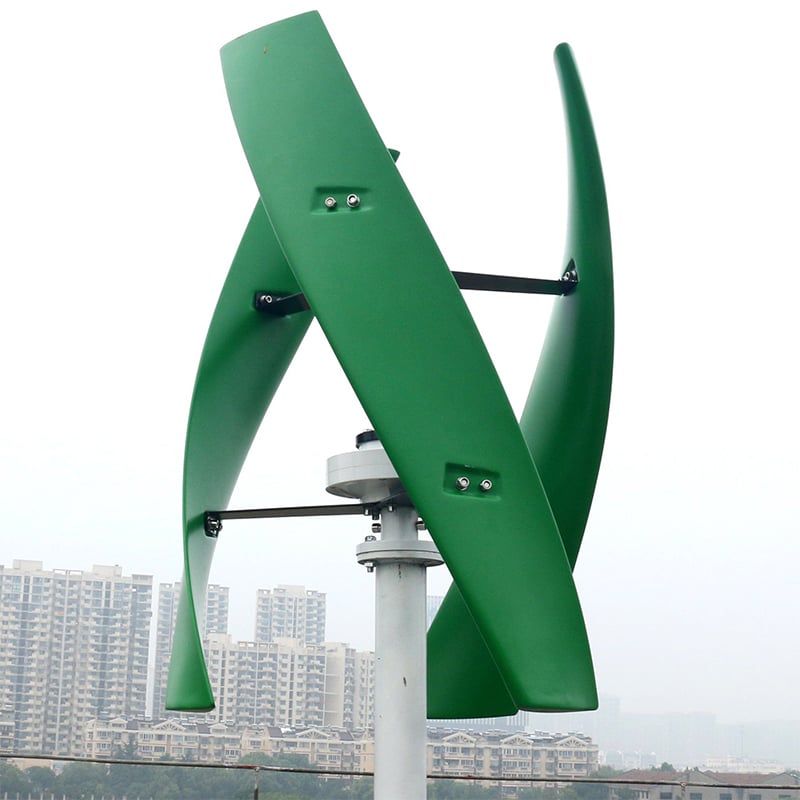
Proper installation is critical to maximizing the efficiency of Jiangsu DHC residential wind turbines. Here are some guidelines to follow:
Site Assessment: Conduct a thorough site assessment to identify the best location for turbine installation. Ideal sites should have minimal obstructions, such as trees or buildings, that can disrupt wind flow.
Height Considerations: Elevating the turbine can improve wind exposure. Many residential turbines require a tower height of at least 30 feet to optimize performance.
Foundation Design: A robust foundation is essential for stability and longevity. The foundation must be designed to support the turbine's weight and withstand wind loads. Consult the manufacturer for recommended designs based on soil conditions.
Electrical Connections: Ensure that all electrical connections adhere to local codes and standards. This includes proper grounding and using high-quality cables to minimize energy loss.
Maintenance Access: Plan for future maintenance by ensuring easy access to the turbine for inspections and repairs. Regular maintenance checks are essential to keep the turbine operating efficiently.
Following these installation guidelines can help ensure that the turbine operates at peak performance and provides reliable energy generation.
primary products wind turbines, solar panels and lifepo4 batteries. customers will receive a one-stop-shop service the integration and Vertical wind turbine a wind-solar hybrid as well as smart photovoltaic system. DHC provides reliable products, technologies, and after-sales service to customers with excellent delivery capability.
DHC the market leader in hybrid wind solar power systems. has its own manufacturing facility that integrates R D and production, design technical support. Since 2009 founders of DHC have been implementing the concept of environmental protection and have been immersed the latest technology and embraced the corporate wind turbine generator that focuses on "diligence and integrity, collaboration and innovation." This is also the basis of our brand "DHC".
Integrity is foundation of our company. offer real power equipment, as well as skilled wind turbine and generator. In the case of wind turbines, {you can pay attention it is important to commitment to integrity the basis of our business. We provide genuine power equipment, as well as expert service. Consider parameters such as blade diameter as well as wind turbine weight when looking at wind turbines. DHC promises that its products are able to deliver real power without exaggerating the power.
We're dedicated meeting commercial domestic electric power needs using wind/solar system. With professional supply chain management integration capabilities, can provide our customers with completely 2kw vertical wind turbine solutions. will only need know your exact needs from design, production, to after-sales support, will provide you with real-time professional assistance throughout day.
While residential wind turbines are designed for durability, they can encounter common issues that may affect performance. Here are some typical problems and their solutions:
Noise Issues: If a turbine generates excessive noise, it may be due to improper installation or mechanical issues. Regular maintenance and ensuring that the turbine is installed at the correct height and location can help minimize noise.
Underperformance: If the turbine is not generating expected output, check for blockages in the wind path or mechanical failures. Additionally, reassess the wind conditions and ensure that the wind turbine generator is appropriately sized for the location.
Electrical Problems: Issues with electrical connections can lead to energy loss. Inspect all wiring and connections regularly, and ensure that they meet safety standards. Utilizing high-quality components can also mitigate these issues.
Physical Damage: Turbines can be susceptible to damage from extreme weather conditions. Regular inspections can help identify and address any wear and tear before they become significant problems.
By being aware of these common issues and implementing preventive measures, buyers can ensure that their residential wind turbines operate efficiently and effectively over their lifespan.
Welcome to DHC, the top brand of wind solar hybrid power system! We provide innovative and effective new energy solutions including wind turbine, solar panel, lifepo4 battery, etc.




 EN