
Rooftop windmill generators are innovative solutions for harnessing wind energy to power homes, farms, and commercial establishments. As businesses increasingly seek sustainable energy sources, the demand for effective rooftop windmill generators has grown. Buyers, including purchasing managers and engineers, often have concerns regarding performance, quality, and application suitability. This article will provide insights into what to consider when selecting a rooftop windmill power system generator, how to evaluate their quality, best practices for installation and maintenance, common issues and solutions, and their applications across various industries.
When selecting a rooftop windmill generator for wholesale, several critical factors need to be considered to ensure that it meets your specific energy needs. First, the generator's power output is crucial. This depends on the turbine size, design, and the average wind speed of the installation location. Buyers should look for generators that provide reliable performance under varying wind conditions.
Next, consider the materials used in construction. High-quality materials can enhance durability and efficiency, reducing the need for frequent replacements or repairs. Additionally, assess the generator's compatibility with existing systems, especially if integrating with solar power systems or battery storage, such as LiFePO4 batteries, is planned.
Customization capabilities are another essential factor. Suppliers, like Jiangsu DHC Environmental Si-Tech Co., Ltd., can provide tailored solutions that meet specific energy requirements, taking into account your unique operational demands. Furthermore, inquire about the minimum order quantity (MOQ) and production capacity to ensure that the supplier can meet your needs efficiently.
Finally, evaluate the supplier's reputation and experience in the industry. A manufacturer with a strong track record in renewable energy solutions will likely provide better support and product quality.
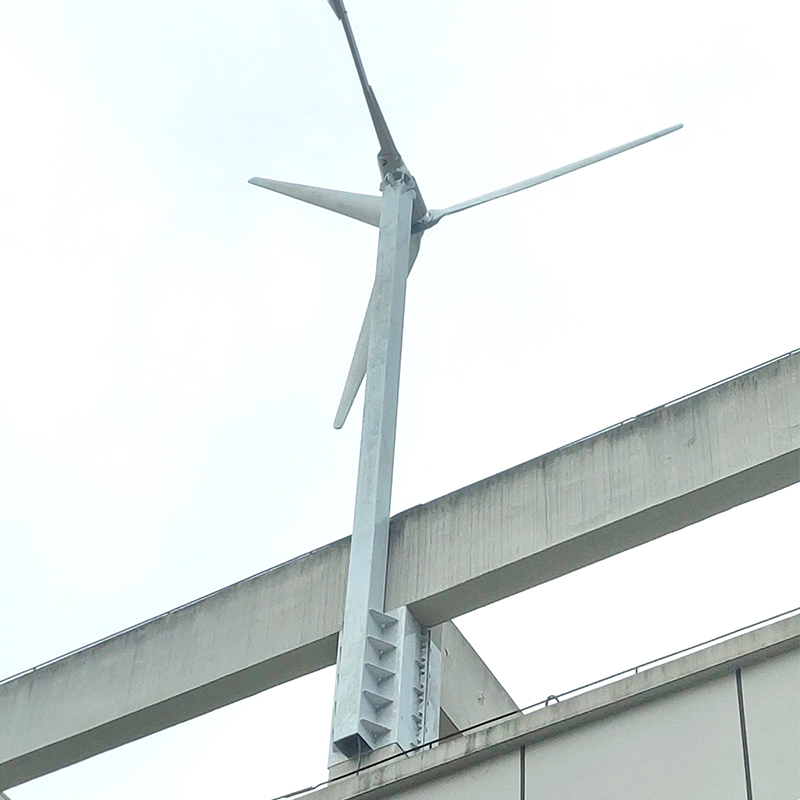
Evaluating the quality of rooftop windmill generators involves several steps. First, verify the product specifications, including power rating, rotor diameter, and cut-in wind speed. These specifications indicate the generator's efficiency and effectiveness in generating power under different wind conditions.
Next, inspect the materials used for construction. A robust and corrosion-resistant material will extend the lifespan of the windmill turbine generator, especially in harsh weather conditions. Additionally, check for certifications that demonstrate compliance with industry standards, which can be an indicator of quality.
Quality control processes are also critical. Inquire about the manufacturer’s quality assurance protocols, including testing procedures for performance and durability. A reputable manufacturer will provide evidence of comprehensive testing and quality checks before the product leaves the factory.
Lastly, consider customer reviews and case studies. Real-world feedback from other buyers can provide valuable insights into the generator's performance and reliability in various applications.
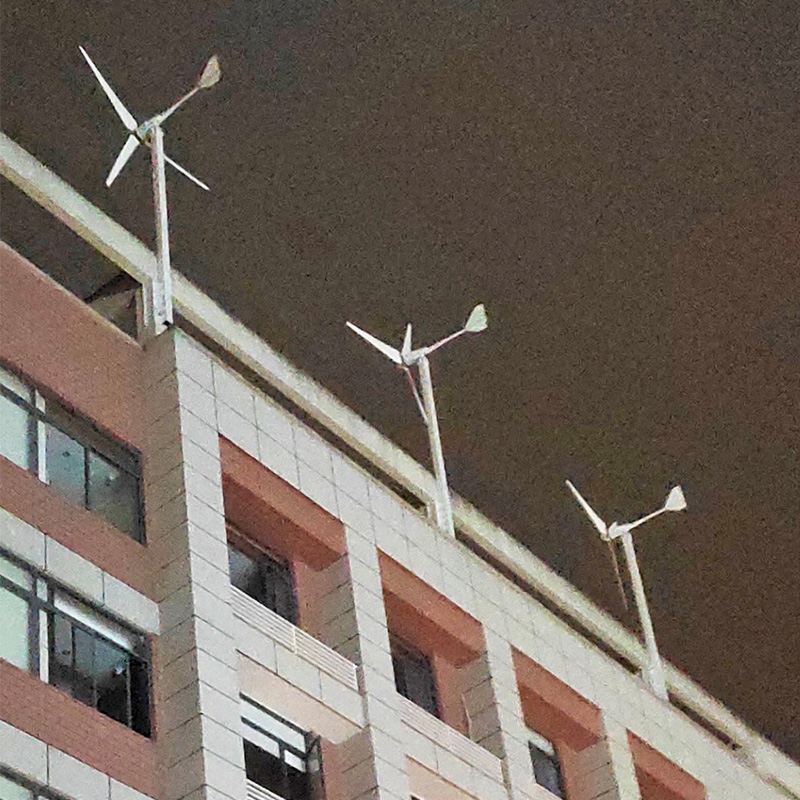
To ensure optimal performance and longevity of rooftop windmill generators, consider following these best practices:
Site Assessment: Conduct a thorough site assessment to determine wind patterns and any potential obstructions that might affect wind flow.
Installation: Proper installation is crucial. Ensure that the generator is mounted securely and at the appropriate height to maximize wind exposure. Engaging experienced professionals for installation can prevent common mistakes.
Regular Maintenance: Implement a routine maintenance schedule. This includes checking for wear and tear, lubricating moving parts, and ensuring that electrical connections are secure. Regular maintenance can prevent small issues from escalating into significant problems.
Monitoring Performance: Utilize monitoring systems to track the generator's performance. This data can help identify inefficiencies or malfunctions early, enabling timely interventions.
Educating Users: If the generator is used in a commercial setting, provide training for users on optimal operation and maintenance practices. Awareness can lead to better energy management and increased lifespan of the equipment.
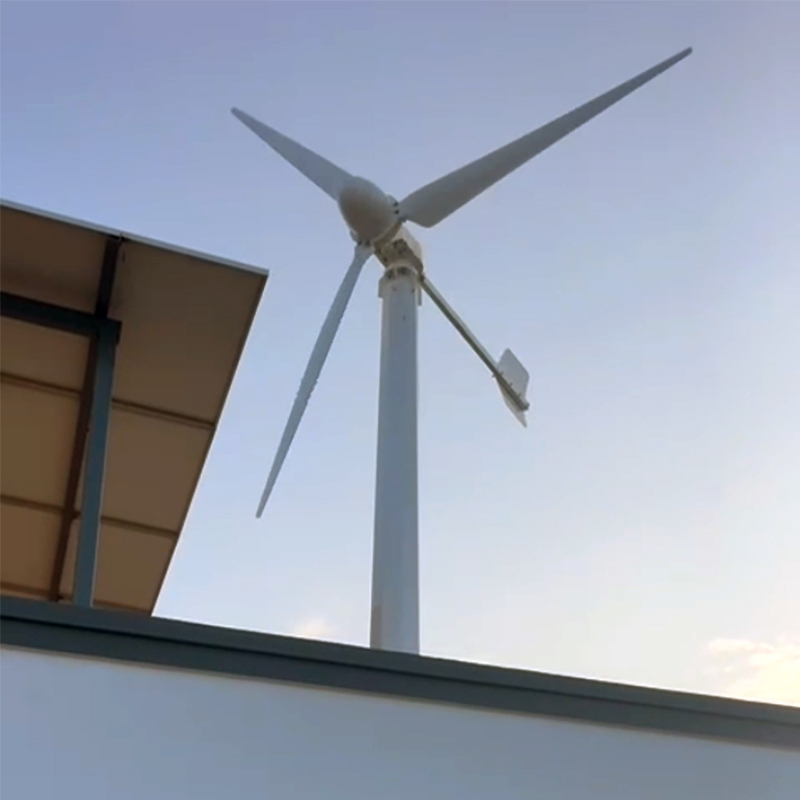
Despite their advantages, rooftop windmill generators can encounter several common issues:
Noise Levels: Some generators may produce noise that can be disruptive. Choosing models designed for quiet operation or installing sound dampening features can mitigate this problem.
Vibration: Excessive vibration can lead to mechanical failure. Ensure the generator is balanced during installation and regularly check for loose bolts or components.
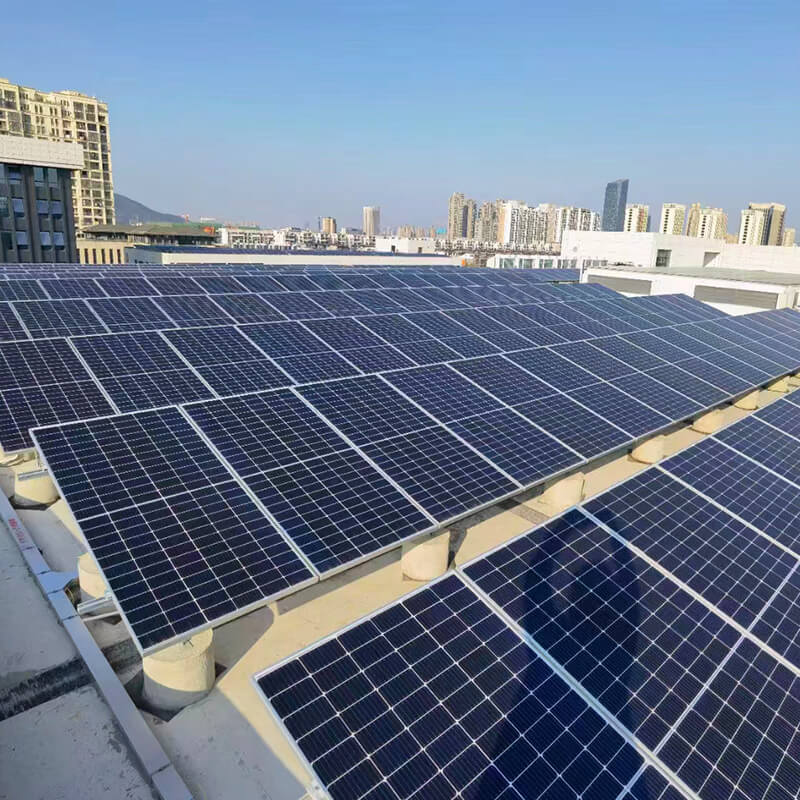
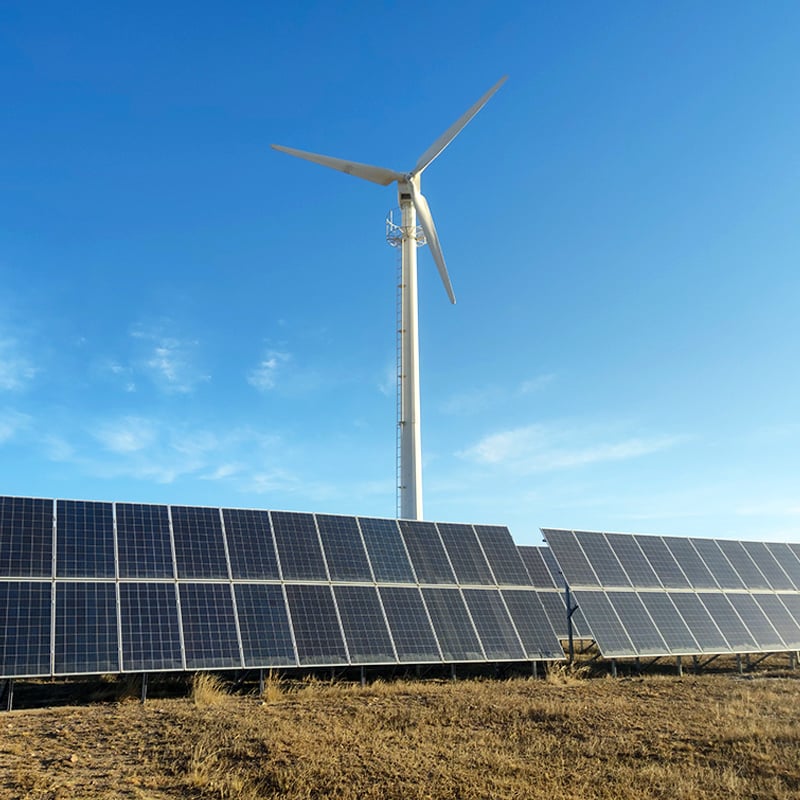
Wind Speed Variability: Inconsistent wind speeds can affect power generation. Consider models with a wider operational range or integrate with supplementary energy sources, such as solar panels, to ensure consistent energy supply.
Ice Accumulation: In colder climates, ice can accumulate on the blades, reducing efficiency. Implementing de-icing solutions or selecting models with anti-icing features can help maintain performance during winter.
Electrical Issues: Problems with wiring or connections can disrupt power output. Regular inspections and engaging qualified electricians for repairs are advisable.
We dedicated to upholding integrity as cornerstone of our business, offering customers genuine power products expert services. In the case of wind turbines can pay attention is important to committed to keeping integrity as the cornerstone of business, offering customers the best power products as well as 15kw wind turbine for home services. Consider parameters such as blade diameter and wind turbine's weight when you evaluate wind turbines. We promise that all products manufactured by DHC have real power output without exaggerated power.
most renowned brand wind-powered hybrid power systems DHC the only company with own wind turbine factory that combines R D, design, production technical support. Since 2009, our founders have practiced the 2kw vertical wind turbine of environmental protection and have been immersed in the latest energy sources and have adhered the company's culture that focuses on "diligence and honesty, collaboration, and creativity." Our brand DHC is the consequence of this.
We're Eolic generator meeting commercial domestic electricity needs with wind/solar power system. can provide our customers with tailored solutions through skilled supply chain management capabilities and capabilities for integration. We'll provide high-quality service all hours of day beginning with design, production and after-sales.
primary products wind turbines, solar panels and lifepo4 batteries. customers will receive a one-stop-shop service the integration and Vertical wind turbine a wind-solar hybrid as well as smart photovoltaic system. DHC provides reliable products, technologies, and after-sales service to customers with excellent delivery capability.
Rooftop windmill generators are versatile and can be utilized across several industries:
Residential: Homeowners install rooftop windmill generators to reduce energy bills and promote sustainability. These systems can be particularly beneficial in rural areas with high wind availability.
Agriculture: Farmers use these generators to power irrigation systems, livestock facilities, and equipment, enabling them to harness renewable energy for their operations.
Commercial: Businesses integrate rooftop wind generators to offset energy costs and enhance their sustainability profile. This can be especially advantageous for large facilities with significant energy consumption.
Telecommunications: Remote communication towers utilize rooftop windmill generators for reliable power supply, ensuring uninterrupted service even in remote locations.
Remote or Off-Grid Locations: In areas without access to a centralized power grid, rooftop windmill power generator can provide a sustainable energy solution, supporting local communities and enterprises.
Selecting the right rooftop windmill generator involves careful consideration of various factors, including power output, material quality, and supplier reliability. By following best practices and being aware of common challenges, businesses can effectively integrate these renewable energy solutions into their operations.
Welcome to DHC, the top brand of wind solar hybrid power system! We provide innovative and effective new energy solutions including wind turbine, solar panel, lifepo4 battery, etc.




 EN

