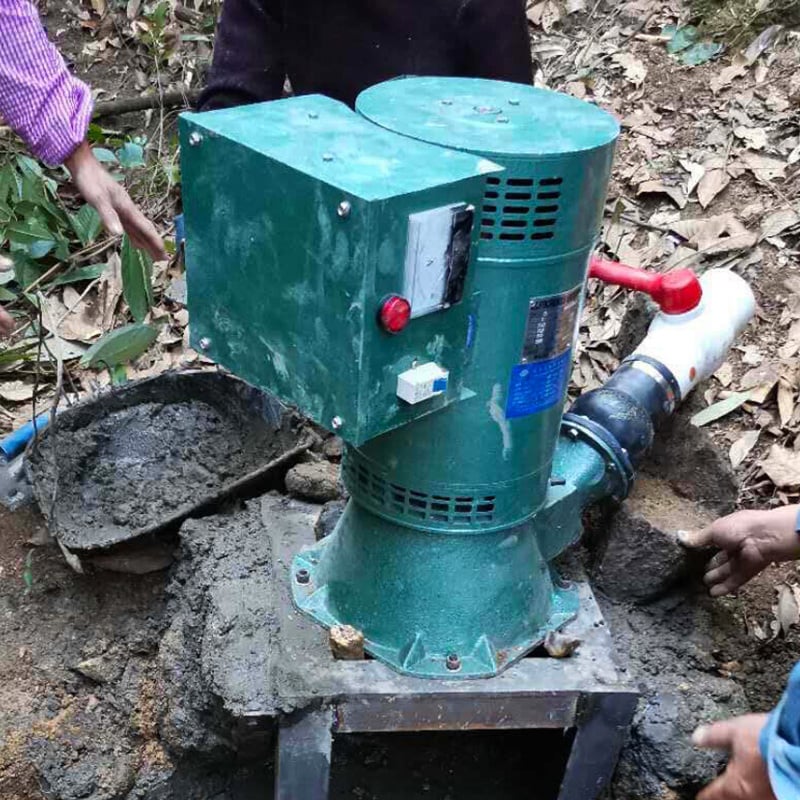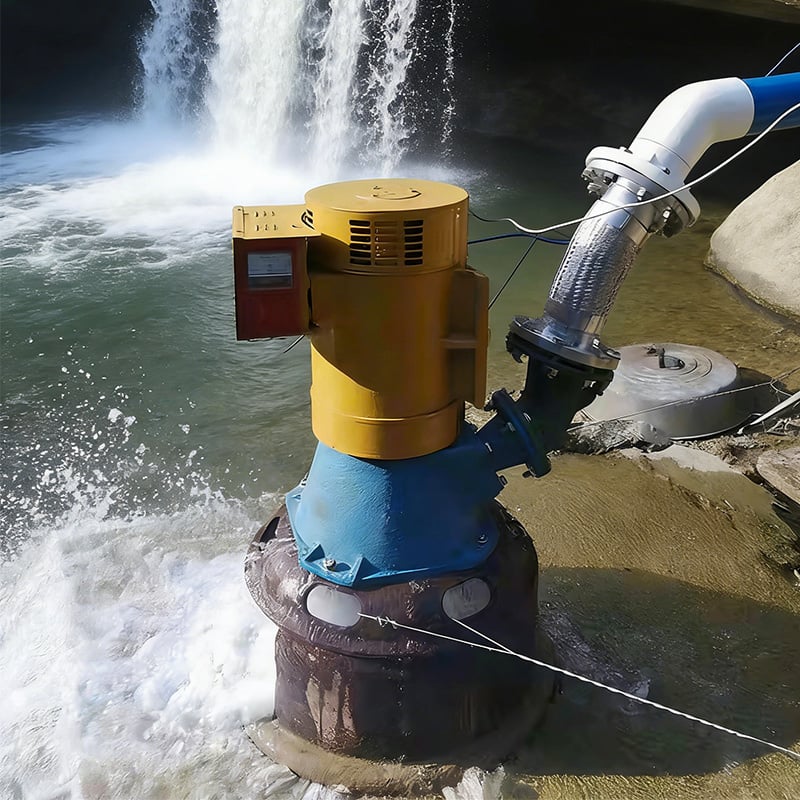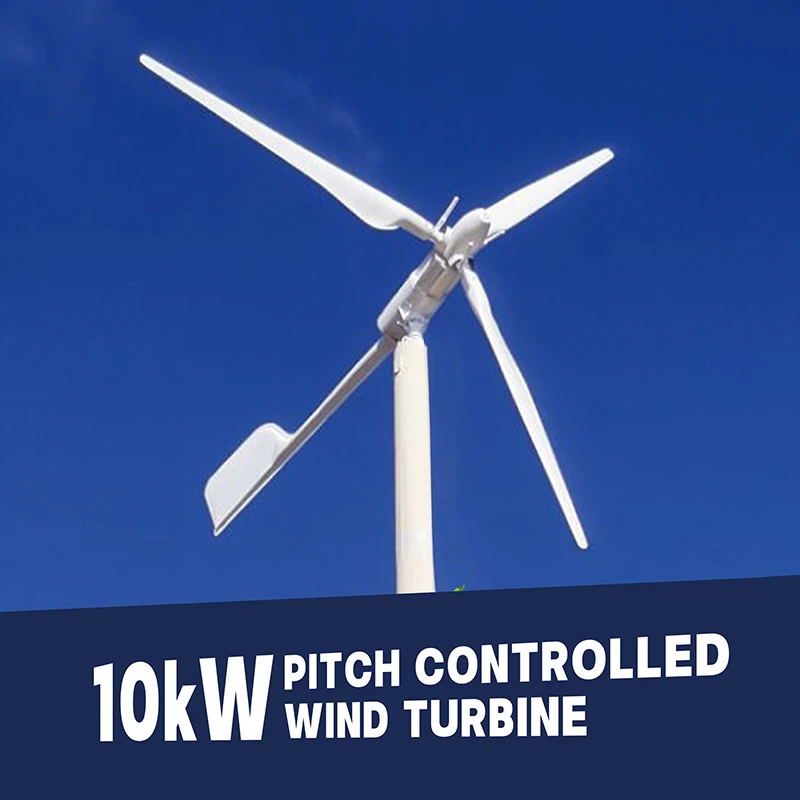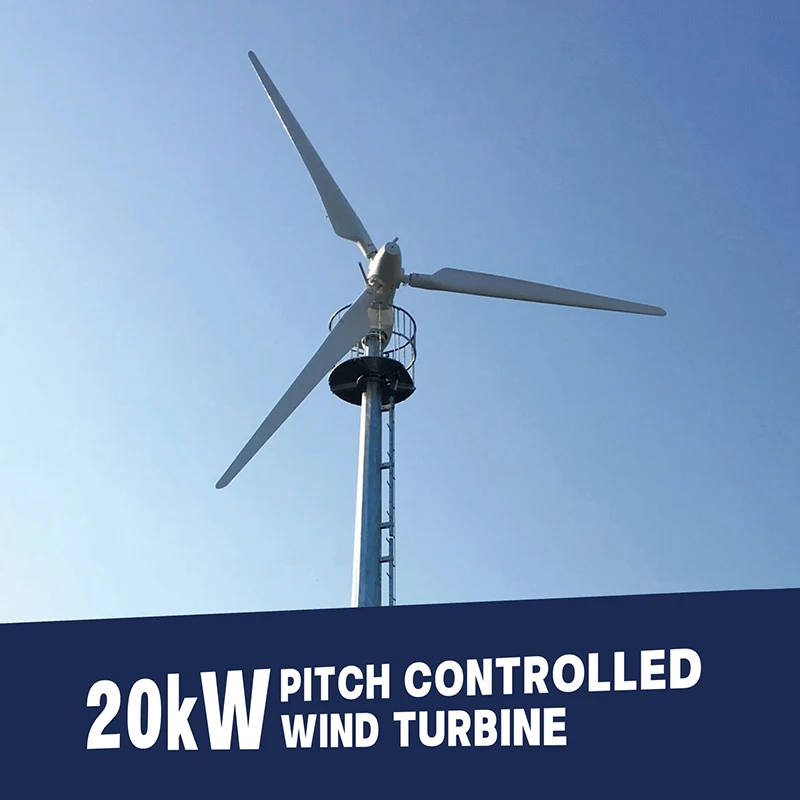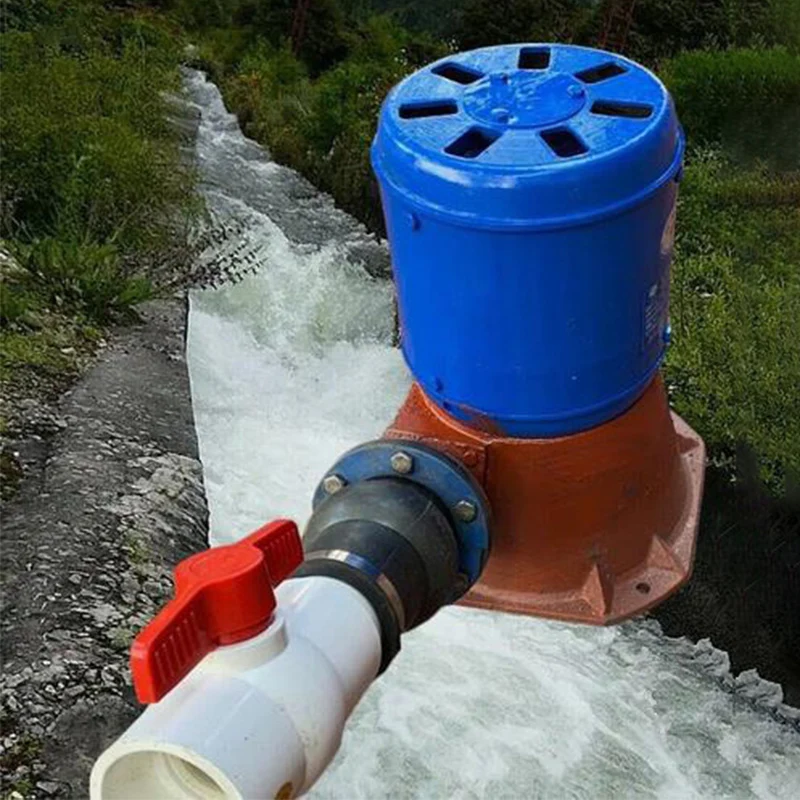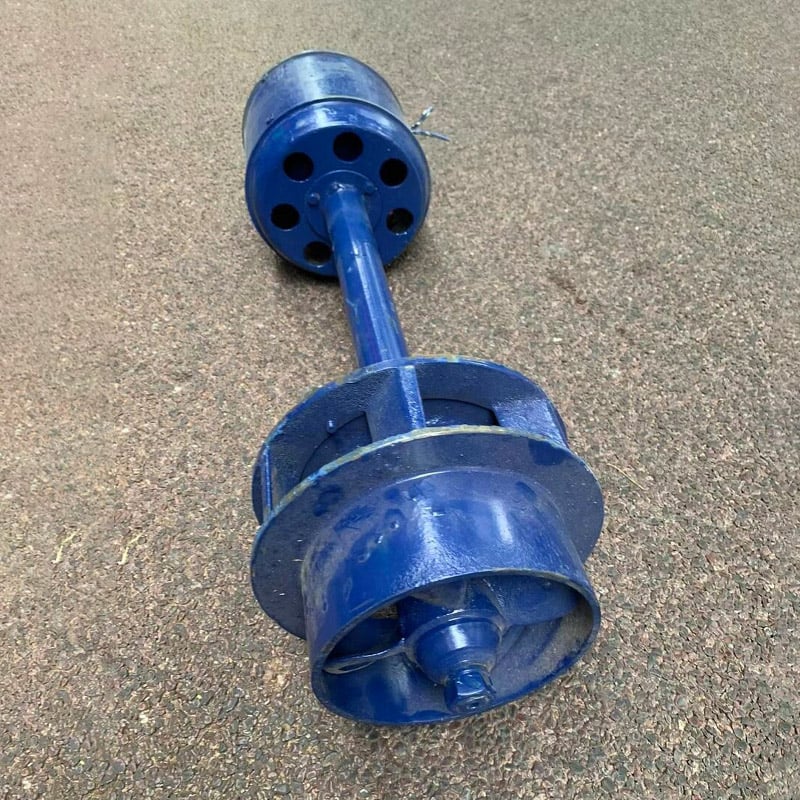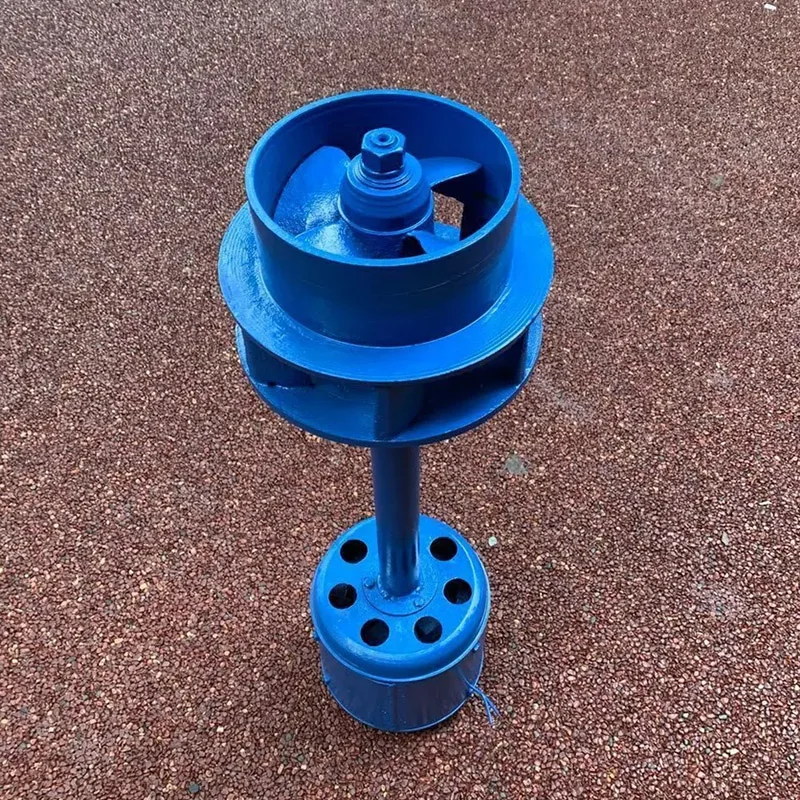
Windmill power generators are increasingly becoming a pivotal component in the renewable energy landscape. With a focus on harnessing wind energy to produce electricity, these systems are ideal for various applications, including residential, agricultural, and distributed power generation. For B2B buyers, such as purchasing managers and product managers, understanding the nuances of windmill power generators is crucial when evaluating options for bulk orders. This article will guide you through essential considerations, including quality evaluation, comparison metrics, cost factors, common issues, and diverse applications.
When assessing the quality of windmill power generators, several key specifications should be prioritized. First, look at the turbine's capacity, typically measured in kilowatts (kW), which indicates how much power the generator can produce under optimal conditions. A higher capacity is often desirable, but it must align with your specific energy needs. Next, consider the materials used in the construction of the turbine and its components. High-quality materials not only enhance durability but also improve efficiency. For example, blades made from composite materials can provide better performance and longevity compared to those made from traditional metals. Additionally, evaluate the certification standards the eolic generator meet, such as IEC or UL certifications, which ensure compliance with international safety and performance standards. Quality control processes are another critical aspect. A reputable manufacturer will have stringent quality checks throughout the production cycle, from raw material sourcing to final assembly. Engaging with suppliers that can share their quality assurance practices can help mitigate risks associated with performance and reliability.
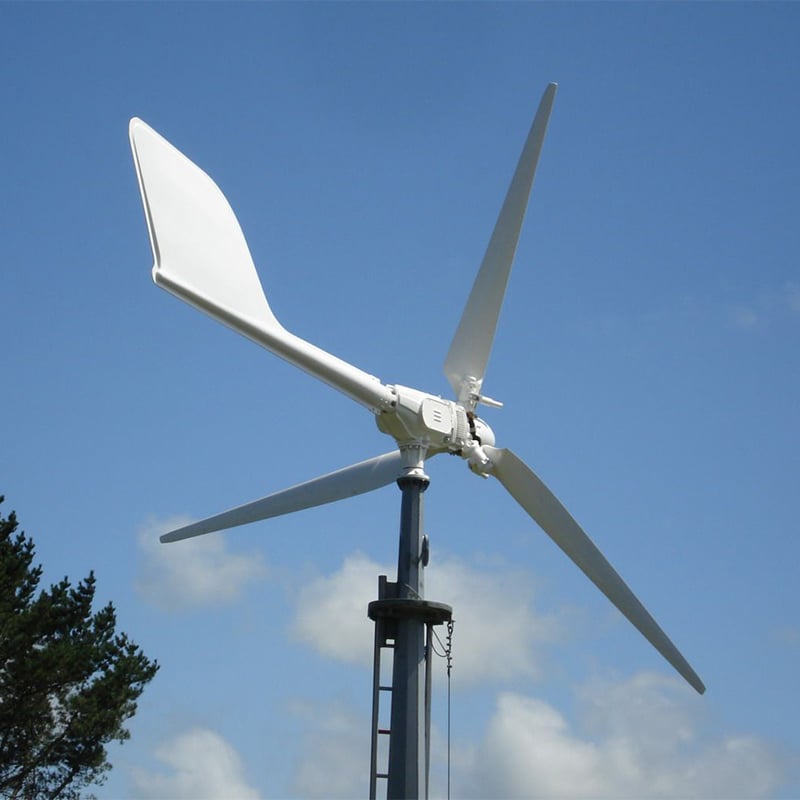
When comparing windmill power generator options, it's vital to establish a clear set of criteria based on your project's specific requirements. Start by identifying the energy output needed and the average wind speed at the installation site. This will help you determine the appropriate turbine size and model. Next, examine the efficiency ratings of different models. Efficiency is the ratio of the electrical energy produced to the kinetic energy available from the wind. A higher efficiency rating indicates that the wind turbine generator converts more wind energy into usable power. Consider customization options, such as the ability to adapt the turbine for specific environmental conditions or installation constraints. A manufacturer with a strong research and development background, like Jiangsu DHC Environmental Si-Tech Co., Ltd., can provide tailored solutions that meet unique project requirements. Lastly, don't forget to review the warranties offered. A robust warranty can be indicative of the manufacturer's confidence in their product's durability and performance.
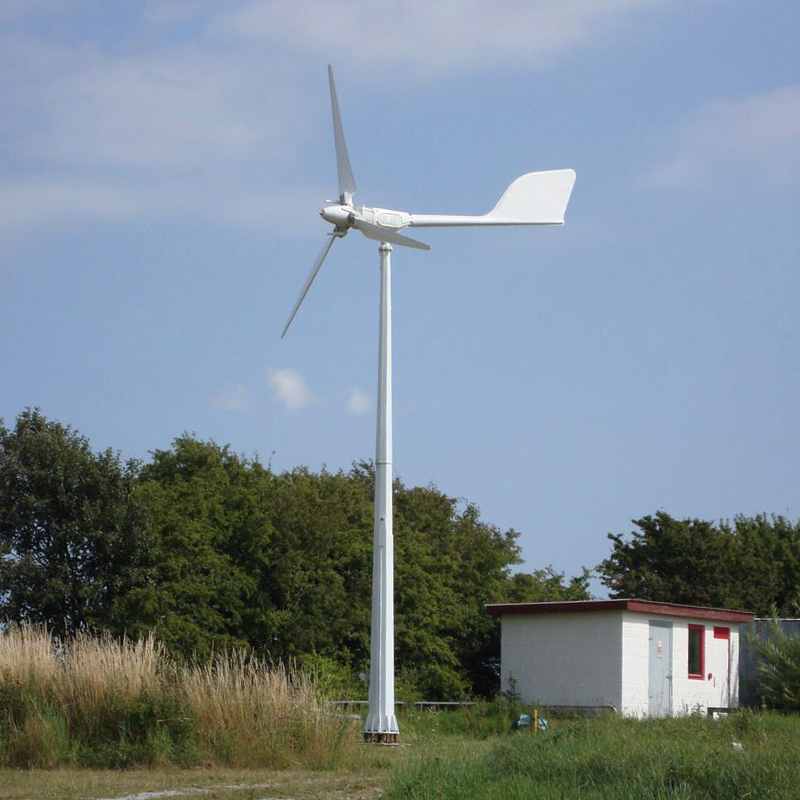
The total cost of windmill power generators involves several factors beyond the initial purchase price. Start by analyzing the upfront costs, which typically include the generator itself, installation, and any necessary infrastructure improvements, such as grid connection or foundation work. Operational costs are also significant. These include maintenance, insurance, and potential repairs over the wind turbine and generator lifespan. Choose a model designed for low maintenance, as this can significantly reduce long-term operational expenses. For example, turbines with fewer moving parts may require less frequent servicing. When negotiating bulk orders, consider the minimum order quantity (MOQ) and any potential discounts for larger purchases. Establishing a strong relationship with your supplier can provide leverage in negotiating favorable terms. Additionally, inquire about lead times for delivery, as this can impact project timelines and cash flow.
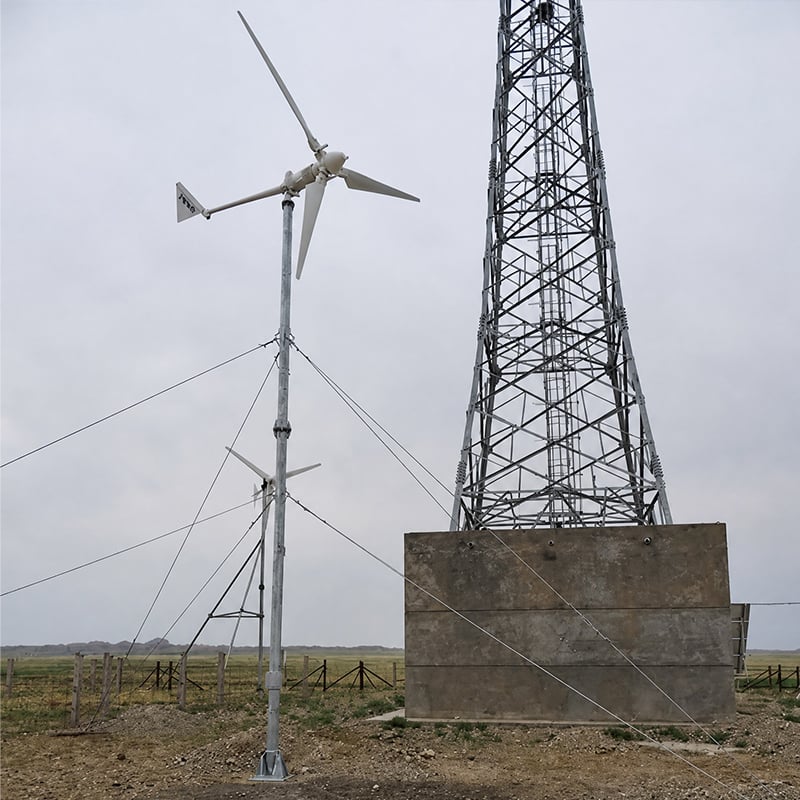
Windmill power generators can encounter a range of issues, but being proactive can mitigate many of these problems. One common concern is mechanical failure, often due to insufficient maintenance. Regular inspections and adherence to maintenance schedules can prevent unexpected downtime. Another issue is noise generation, which can be a concern in residential areas. Choosing turbine designs known for quieter operation or implementing noise-reducing technologies can alleviate this problem. Additionally, buyers should be aware of issues related to site suitability. Factors such as nearby obstructions, soil quality for foundation stability, and local wind patterns can affect performance. Conducting a thorough site assessment before installation can help avoid these challenges. Engaging with a supplier that has extensive industry experience can provide valuable insights into common problems and effective solutions. Jiangsu DHC Environmental Si-Tech Co., Ltd. emphasizes the importance of site evaluation in its project planning processes.
We're dedicated solving commercial residential electrical needs utilizing a solar/wind power system. With professional supply chain management and integration capabilities, are able to provide customers with completely customized solutions. We'll provide high-quality service all hours of day from 2kw vertical axis wind turbine to design and after-sales.
DHC the top brand in the wind solar hybrid power system. It has own manufacturing facility that incorporates R D and design, production, technical support. Since 2009 our founders have embraced the idea of protecting environment by embracing new technology and embraced 15kw wind turbine for home culture "diligence and honesty, as well as cooperation and creativity." This also the basis of our brand "DHC".
main products include wind Wind turbine for home 5kw solar panels. Customers can avail an all-in-one service integration development of wind-solar hybrids as well as smart photovoltaic system. With excellent delivery ability, DHC provides reliable technologies and products, as well as after-sales service customers.
commitment integrity is the basis of our company. We offer real power solutions and offer expert service. Regarding wind turbines can pay attention to is important to We're committed keeping integrity as the primary goal of our 2kw vertical wind turbine, and we offer customers the best power products as well as competent services. When it comes to wind turbines, be sure to consider parameters such as blade diameter and weight. guarantee that all products made by DHC feature actual power output not overinflated power.
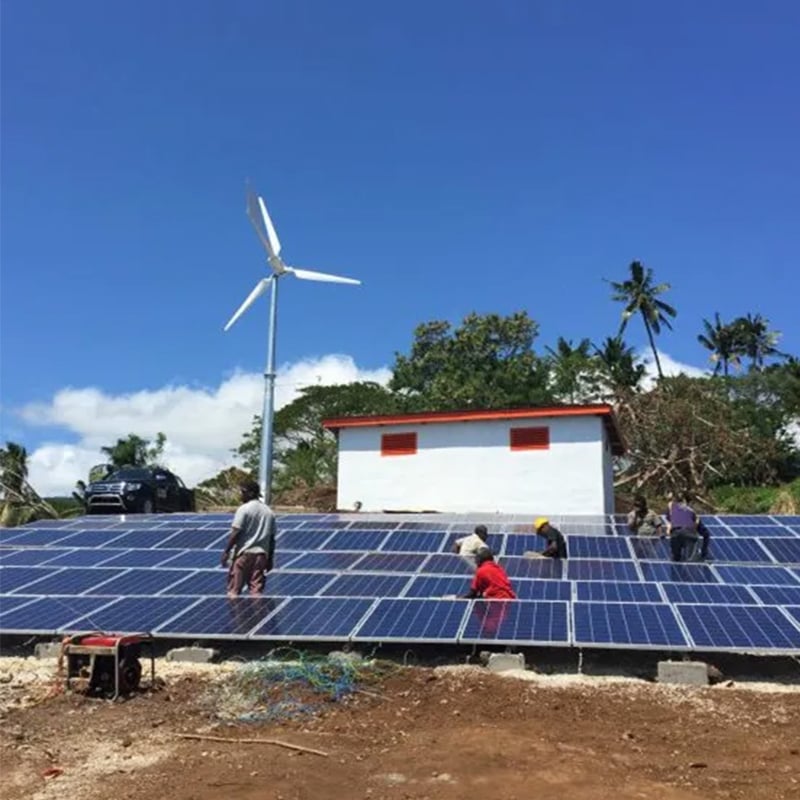
Windmill power generators have diverse applications across multiple industries. In agriculture, these systems are often used to power irrigation systems or livestock operations, reducing reliance on traditional energy sources. For residential use, they offer a sustainable solution for energy independence, particularly in off-grid locations. Commercially, businesses are increasingly adopting wind energy to lower operational costs and enhance sustainability initiatives. For instance, manufacturing facilities can harness wind energy to power production lines, contributing to lower carbon footprints. Furthermore, windmill power generators are ideal for distributed power stations, where small-scale energy generation meets local demands. This decentralized approach not only enhances energy security but also contributes to grid stability. When considering applications, it is essential to evaluate the specific energy needs and environmental conditions to select the most suitable windmill power generator. Suppliers with expertise in various applications can assist in recommending the right solutions based on industry requirements. By understanding these facets of windmill power generators, B2B buyers can make informed decisions that align with their energy needs and sustainability goals. The insights provided here will help guide your purchasing strategy, ensuring that you select the best products for your projects.
Welcome to DHC, the top brand of wind solar hybrid power system! We provide innovative and effective new energy solutions including wind turbine, solar panel, lifepo4 battery, etc.
 EN