Choosing the right windmill turbine generator is crucial for maximizing energy efficiency and meeting specific project requirements. With a variety of options available, B2B buyers often have concerns about performance, reliability, and supplier credibility. This article will provide insights into selecting the ideal wind turbine generator, evaluating suppliers, understanding key specifications, troubleshooting common issues, and comparing the quality and performance of different models.
When selecting a windmill turbine generator, it's essential to consider the specific energy needs of your project. Factors such as the expected power output, site wind conditions, and installation environment play a significant role in this decision. The wind mill turbine generators vary in size, capacity, and technology, including horizontal-axis and vertical-axis designs.
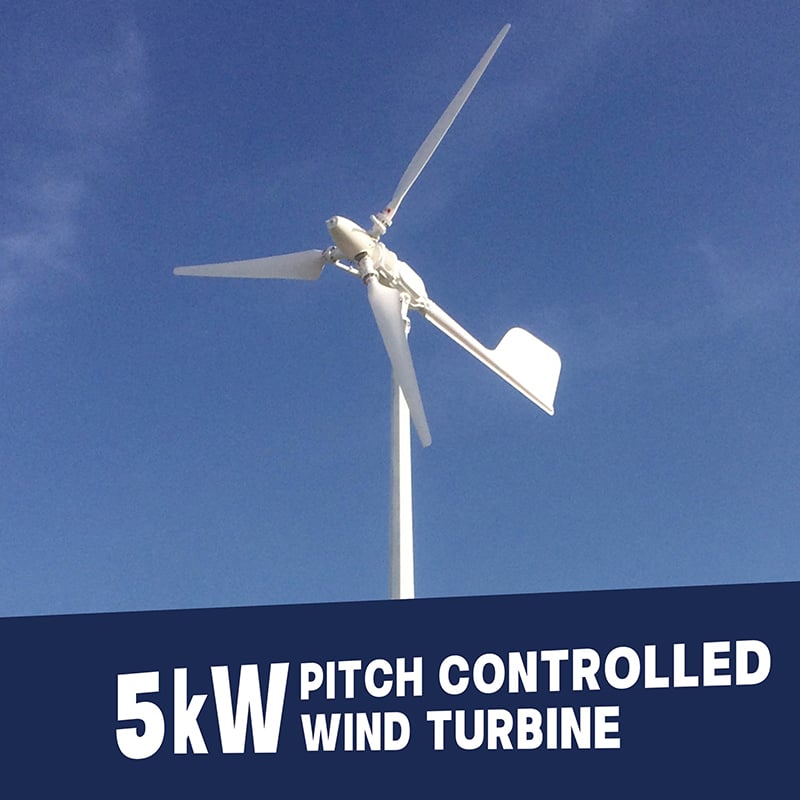
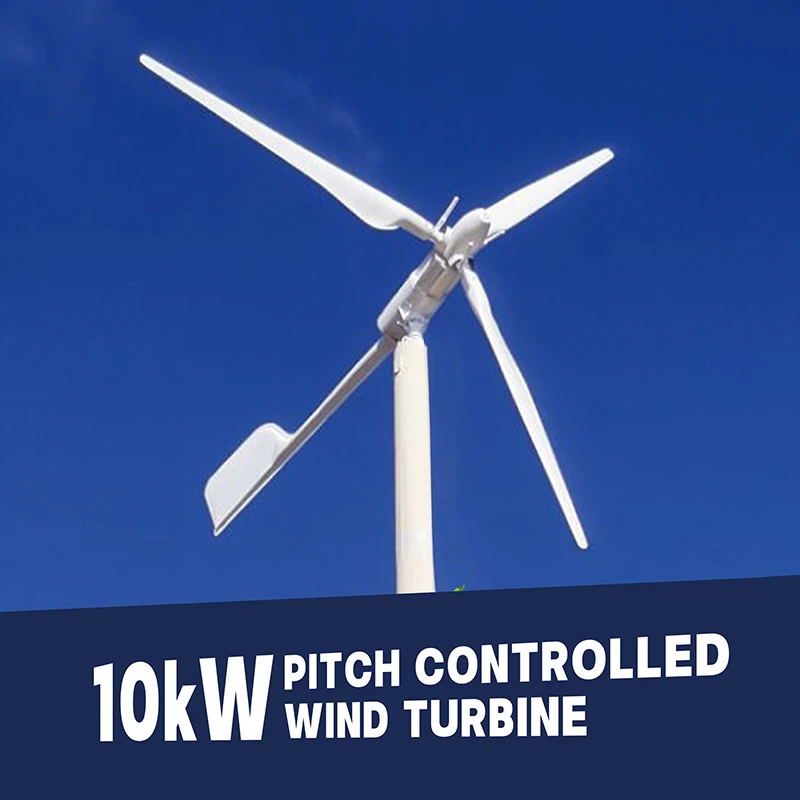
For example, if you are planning to power a rural farm, a mid-range turbine with a capacity of 5-10 kW may be suitable, while larger commercial applications might require turbines with capacities exceeding 100 kW. Additionally, understanding local regulations and grid connection requirements is crucial, as these can impact the type of turbine you choose.
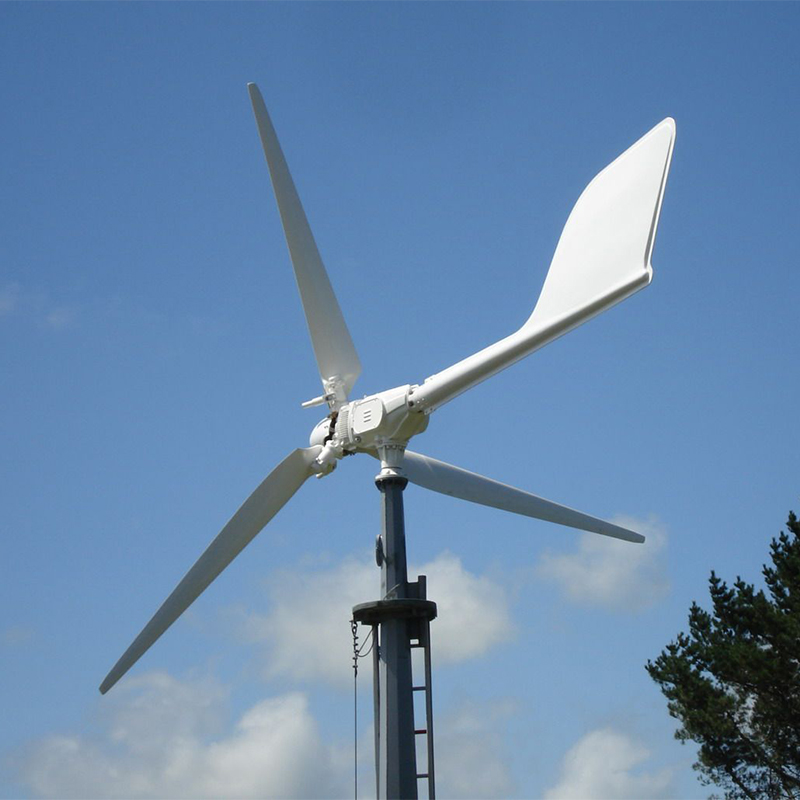
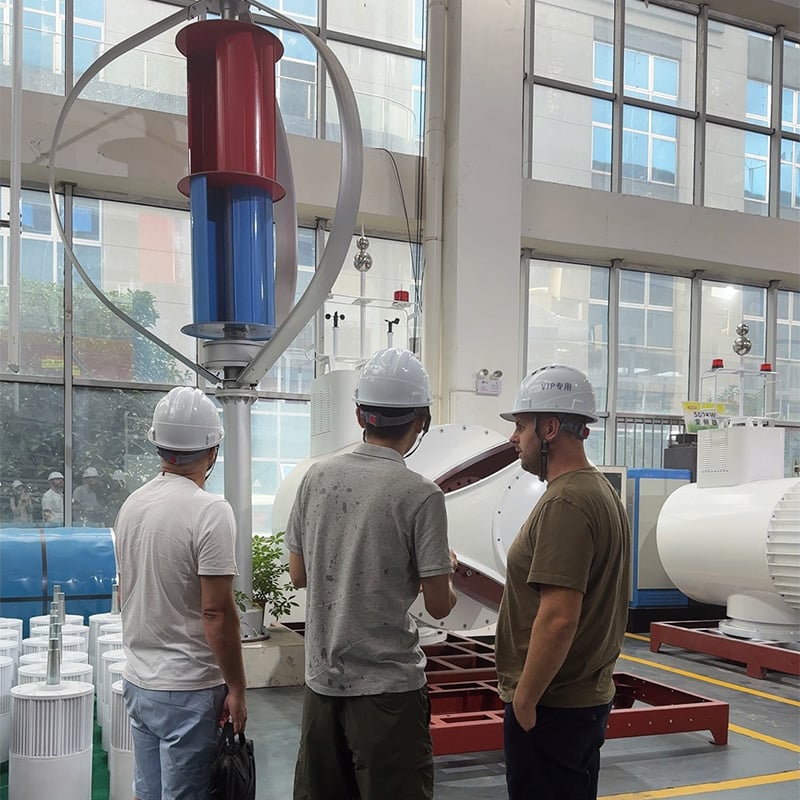
Selecting a trustworthy supplier for windmill turbine generators can significantly impact the success of your project. Look for manufacturers with a proven track record in renewable energy, such as Jiangsu DHC Environmental Si-Tech Co., Ltd., which has 15 years of experience in providing customized wind and solar hybrid solutions.
Key indicators of a reliable supplier include certifications and compliance with industry standards, strong supply chain partnerships, and robust customer support. It’s advisable to request references or case studies that demonstrate the supplier's capability in similar projects. Additionally, assess the supplier's ability to provide post-installation support, including maintenance and troubleshooting services.
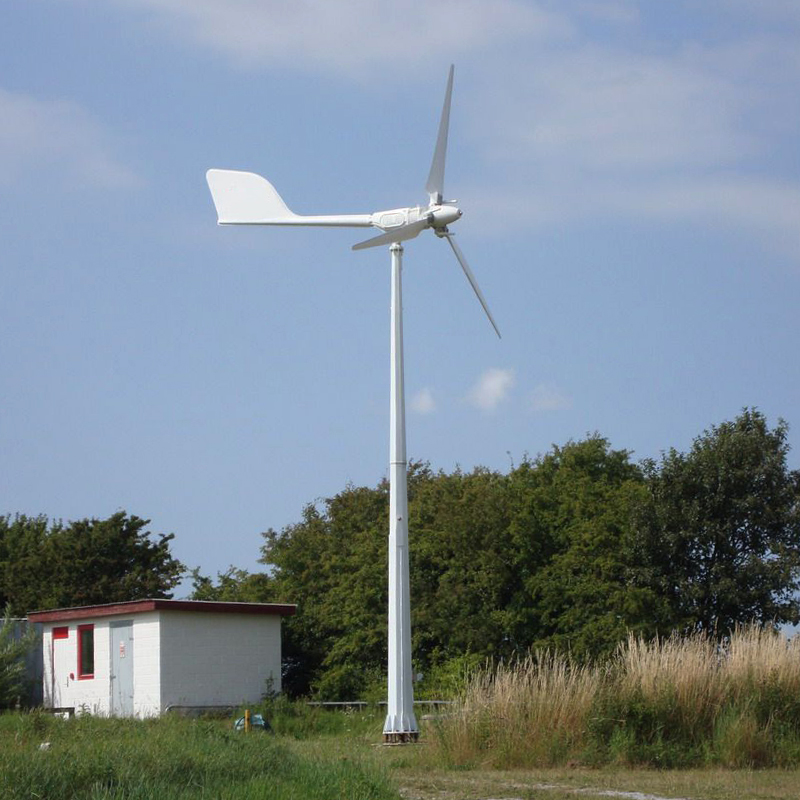
When evaluating windmill turbine generators, several specifications must be considered to ensure optimal performance:
Power Output: Measured in kilowatts (kW), this indicates the maximum energy the turbine can produce. Ensure the output meets your energy needs.
Cut-in Wind Speed: This is the minimum wind speed at which the turbine begins to generate power. A lower cut-in speed can be advantageous in areas with variable wind conditions.
Rated Wind Speed: The wind speed at which the turbine achieves its maximum output. This specification helps determine the turbine's efficiency in your specific location.
Survival Wind Speed: The maximum wind speed the wind turbine generator can withstand without damage. This is crucial for ensuring long-term durability, especially in regions prone to high winds.
Rotor Diameter: Larger diameters typically capture more wind energy, enhancing performance in low-wind areas.
By understanding these specifications, buyers can make informed decisions that align with their operational requirements and site conditions.
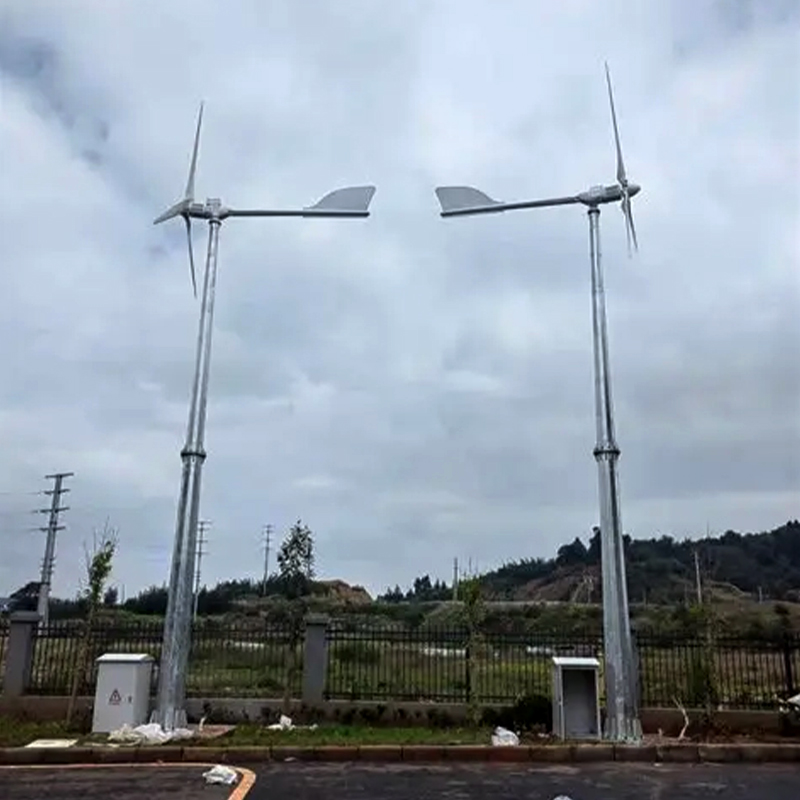
Despite their efficiency, windmill turbine generators can encounter common issues that may disrupt operations. Here are a few and their possible solutions:
Noise: Some turbines produce excessive noise during operation. This can often be mitigated by selecting models designed for low noise output or ensuring proper installation to minimize vibration.
Mechanical Failures: Components such as gearboxes and blades may experience wear and tear. Regular maintenance checks and using high-quality materials can help prevent these issues.
Electrical Problems: These can arise from faulty wiring or inverter issues. Ensuring that all electrical components are installed by qualified personnel can reduce these risks.
Inefficient Performance: If a turbine does not perform as expected, it’s essential to review installation conditions, such as orientation and height, as well as site-specific wind patterns.
Being aware of these potential problems enables buyers to implement preventive measures and work closely with suppliers to address issues promptly.
As most sought-after brand of wind solar hybrid power systems, DHC has own wind turbine factory integrating R D design, production and technical support. founders of DHC have been working on the idea green 5000w wind turbine protection since 2009 and immersed in the world of renewable energy adhering to the company's values "diligence as well as honesty, cooperation and innovation." Our DHC brand DHC is the result of this.
Integrity the cornerstone of company. offer real power solutions offer an expert service. {When it comes to wind turbines, {you can pay attention it is important to Integrity is the foundation our company. We offer real power equipment, as well as skilled service. You can consider parameters like blade diameter as well as wind you should pay attention aspects like blade's diameter as well as weight. promise that all products produced by DHC come with 2kw vertical axis wind turbine power output and not overinflated power.
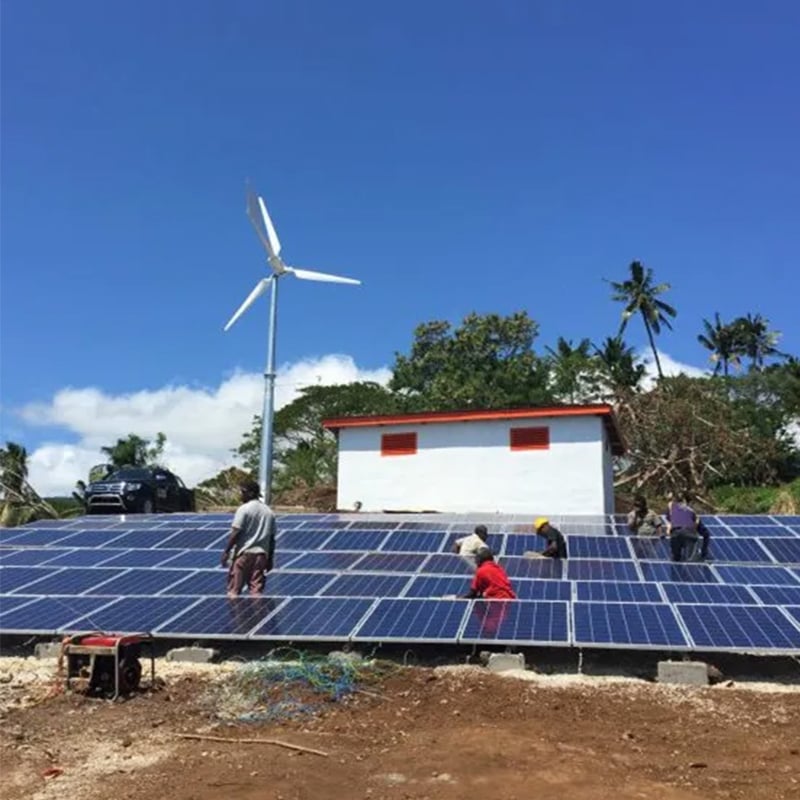
We're dedicated solving commercial residential electrical needs utilizing a solar/wind power system. With professional supply chain management and integration capabilities, are able to provide customers with completely customized solutions. We'll provide high-quality service all hours of day from 2kw vertical axis wind turbine to design and after-sales.
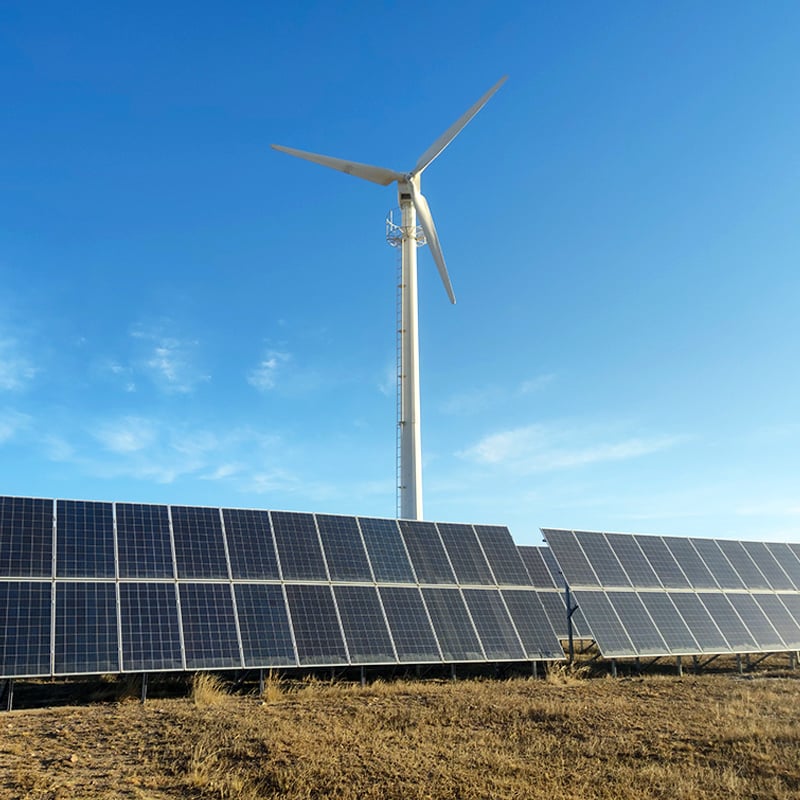
main products wind turbines and solar panels. customers can receive a single-source service integration and development wind-solar hybrids as well as intelligent photovoltaic systems. DHC provides reliable 5000w wind turbine, technologies and after-sales support customers through exceptional delivery capability.
When comparing different windmill turbine generators, several quality indicators should be evaluated:
Material Quality: Turbines made from high-grade materials like corrosion-resistant steel or advanced composites tend to have longer lifespans and better performance.
Manufacturing Standards: Look for suppliers that adhere to international manufacturing standards, which ensure rigorous testing and quality control processes.
Performance Metrics: Evaluate the efficiency ratings and operational performance under various wind conditions. A high-quality generator should maintain consistent output across a range of wind speeds.
Warranty and Support: A robust warranty can indicate confidence in product durability. Additionally, the availability of technical support and maintenance services is essential for long-term performance.
Customer Reviews and Case Studies: Researching user experiences can provide valuable insights into the performance and reliability of specific models.
By considering these factors, buyers can better compare products and make choices that align with their operational needs and budget constraints.
Selecting the right windmill turbine generator involves careful consideration of project requirements, supplier reliability, and performance specifications. By understanding these factors, buyers can enhance their decision-making process and ensure the successful implementation of renewable energy solutions.
Welcome to DHC, the top brand of wind solar hybrid power system! We provide innovative and effective new energy solutions including wind turbine, solar panel, lifepo4 battery, etc.
 EN