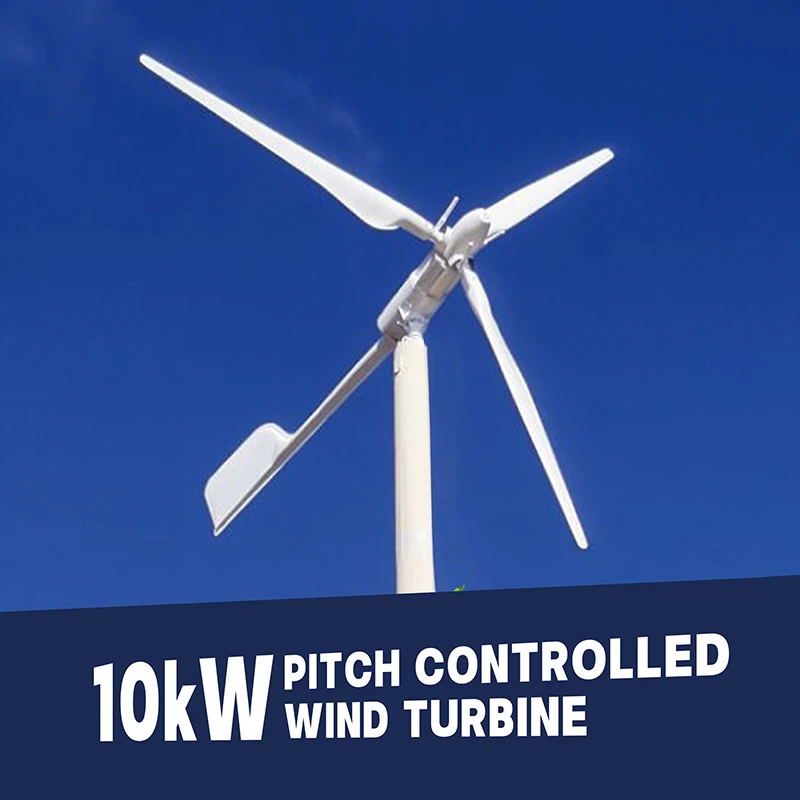
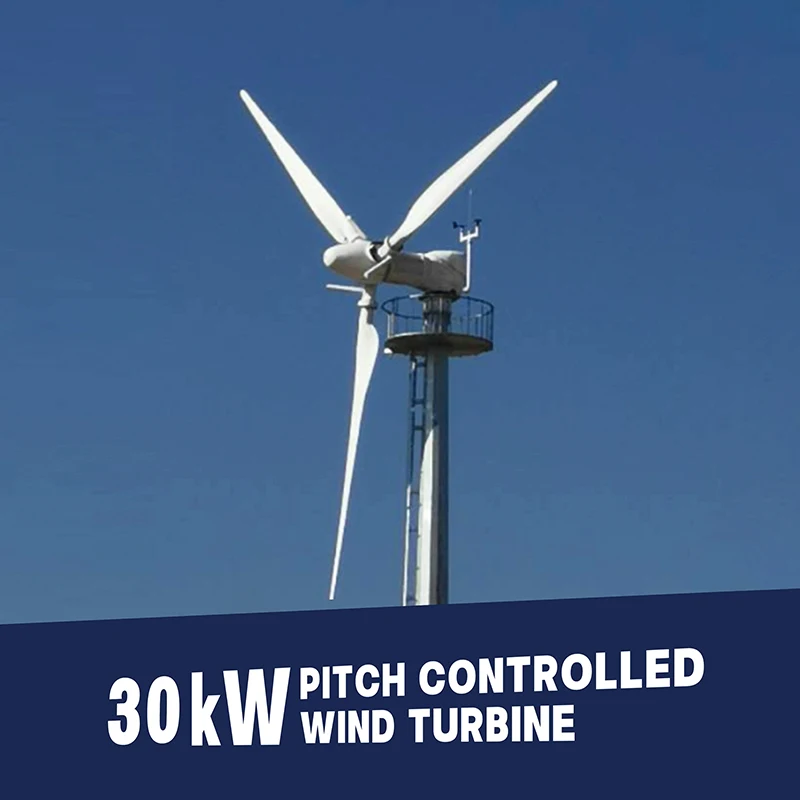
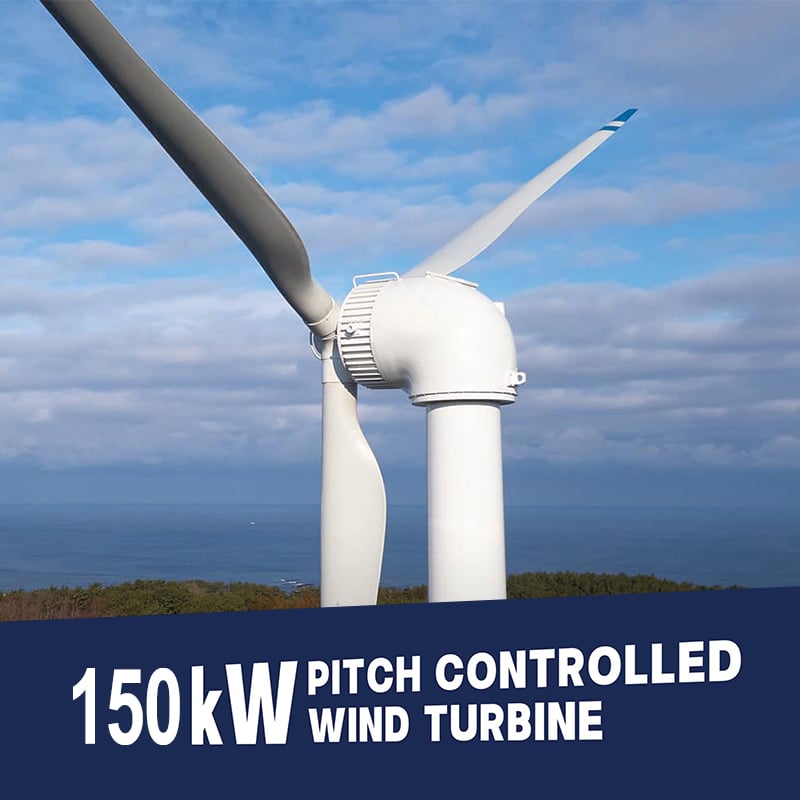
Small residential wind turbines are an increasingly popular solution for homeowners looking to harness renewable energy. These compact systems enable users to generate their own electricity, reduce energy bills, and minimize their carbon footprint. However, with various models and specifications available, potential buyers often face challenges in making informed decisions. This article will guide you through critical factors to consider when selecting a small residential wind turbine, ensuring you choose a product that meets your specific energy needs.
When selecting a small residential wind turbine, several key factors should be evaluated to ensure optimal performance and compatibility with your site. First, consider the small wind turbine rated power output, which indicates the maximum electricity it can generate. This specification should align with your energy consumption needs, which can vary based on your household size and energy habits.
Next, assess the turbine's rotor diameter and height. A larger rotor diameter typically captures more wind energy, thus increasing potential electricity generation. Additionally, the height of the turbine is crucial; installing the turbine at a height that captures unobstructed wind flow can significantly enhance performance.
Wind speeds in your area are also critical. Conduct a site assessment to determine average wind speeds, as turbine efficiency is highly influenced by local wind conditions. Many manufacturers provide wind speed charts or maps to help buyers gauge potential energy production based on their specific location.
Lastly, consider the noise level and aesthetic impact of the turbine. Some models are designed to operate quietly, which may be a significant factor for residential areas. Additionally, the visual aspect may influence your choice, as some homeowners prefer designs that blend harmoniously with their property.
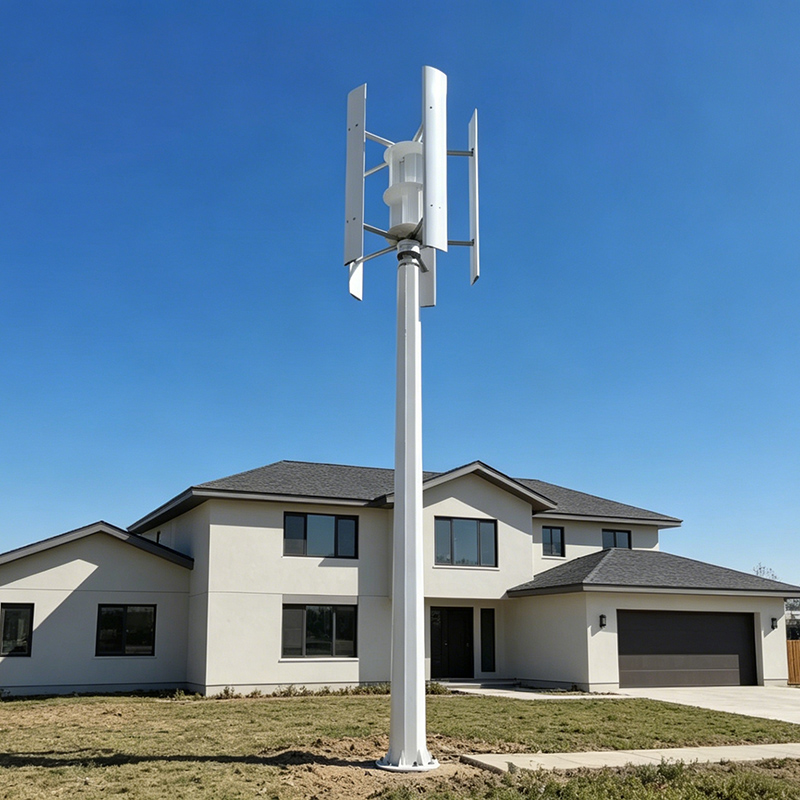
Evaluating the quality of residential wind turbines involves examining several specifications and components. Start by reviewing the materials used in manufacturing the wind turbine kits. High-quality components, such as corrosion-resistant materials for the casing and blades, can enhance durability and longevity.
Check for certifications that indicate compliance with industry standards, such as IEC 61400, which covers the safety and performance of wind turbines. These certifications provide assurance that the product has undergone rigorous testing and meets established reliability benchmarks.
Another essential aspect is the manufacturer's reputation and experience in the industry. A company like Jiangsu DHC Environmental Si-Tech Co., Ltd., with 15 years of expertise in renewable energy solutions, signifies reliability and a commitment to quality.
Inspect the warranty and after-sales support offered. A robust warranty indicates confidence in the product’s quality, while comprehensive customer support can assist with installation, maintenance, and troubleshooting.
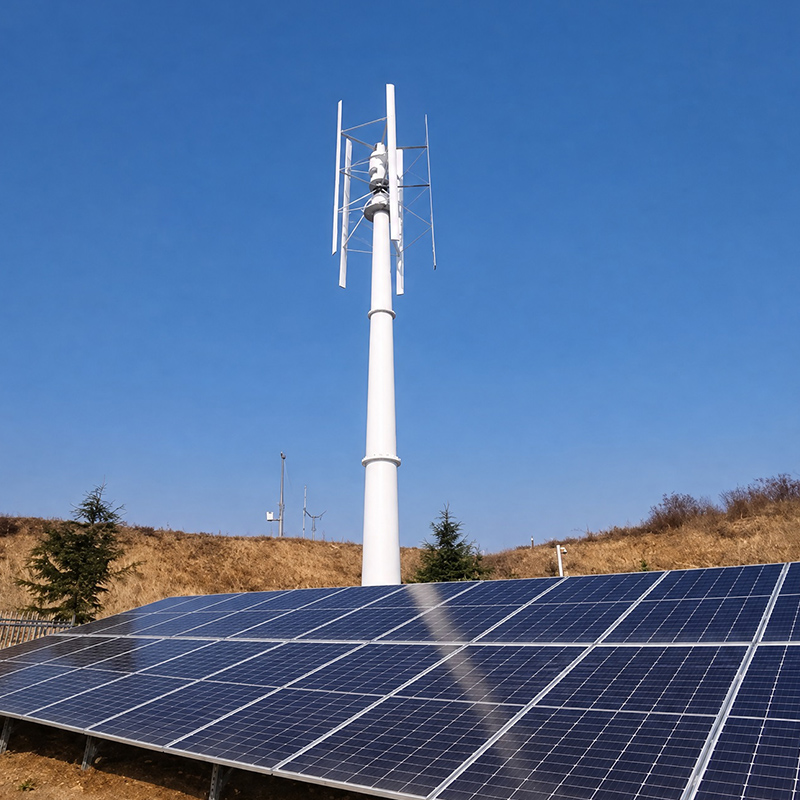
Sourcing reliable small wind turbines for wholesale orders requires careful consideration of suppliers. Start by identifying manufacturers with a proven track record in renewable energy, such as Jiangsu DHC Environmental Si-Tech Co., Ltd. Look for companies that specialize in wind and solar hybrid systems, as they typically have integrated knowledge of complementary technologies.
Leverage industry networks, trade shows, and online platforms to identify potential suppliers. Evaluate their product offerings, focusing on customization capabilities and whether they can meet specific project requirements, including quantity, technical specifications, and delivery timelines.
It's also essential to assess the supplier's production capabilities. Inquire about their manufacturing processes and quality control measures, as these aspects directly impact the reliability and performance of the turbines. Request case studies or references to understand their experience with past wholesale clients.
Finally, consider logistical factors such as minimum order quantities (MOQs), shipping options, and lead times. A reputable supplier will provide clear information on these aspects, allowing you to make informed purchasing decisions.
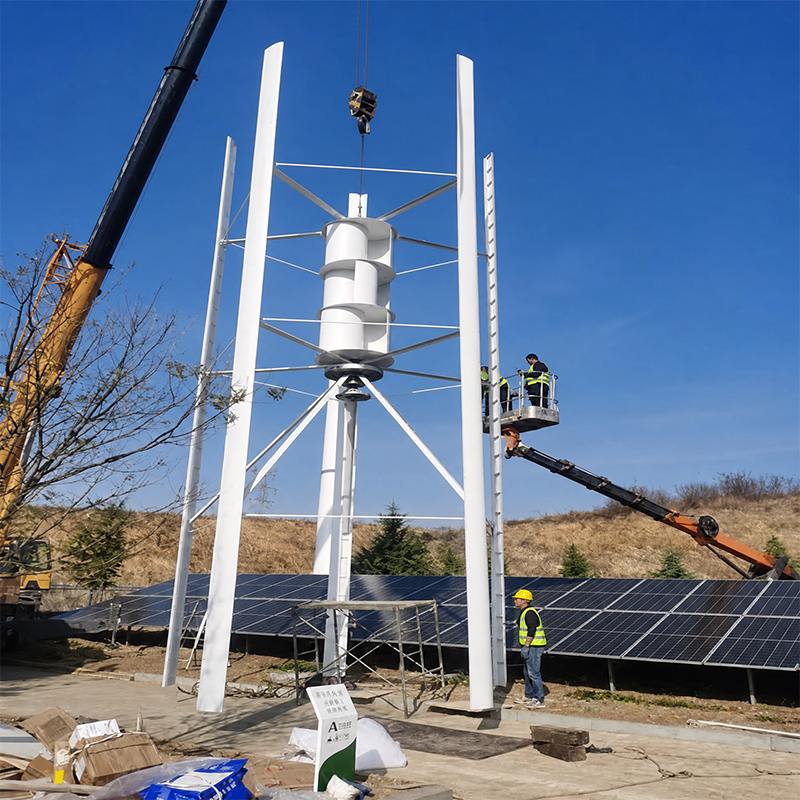
When budgeting for a small residential wind turbine, several cost factors must be taken into account. The initial purchase price is often the first consideration, but it’s essential to evaluate the total cost of ownership. This includes installation costs, which can vary based on the complexity of the setup and local labor rates.
Additionally, consider ongoing maintenance expenses. While many turbines are designed for minimal upkeep, factors such as periodic inspections, lubrication, and potential repairs should be factored into your budget.
Another important consideration is the cost of installation permits or inspections, which may be required by local regulations. These costs can vary depending on your location and the specific requirements of your municipality.
Finally, evaluate the potential savings on your energy bills and any government incentives or rebates available for renewable energy installations. These financial incentives can significantly offset the initial investment and improve the return on investment.
As most sought-after brand of wind solar hybrid power systems, DHC has own wind turbine factory integrating R D design, production and technical support. founders of DHC have been working on the idea green 2kw vertical axis wind turbine protection since 2009 and immersed in the world of renewable energy adhering to the company's values "diligence as well as honesty, cooperation and innovation." Our DHC brand DHC is the result of this.
We're dedicated solving commercial residential electrical needs utilizing a solar/wind power system. With professional supply chain management and integration capabilities, are able to provide customers with completely customized solutions. We'll provide high-quality service all hours of day from Vertical wind turbine to design and after-sales.
Integrity the cornerstone of company. offer real power solutions offer an expert service. {When it comes to wind turbines, {you can pay attention it is important to Integrity is the foundation our company. We offer real power equipment, as well as skilled service. You can consider parameters like blade diameter as well as wind you should pay attention aspects like blade's diameter as well as weight. promise that all products produced by DHC come with Vertical wind turbine power output and not overinflated power.
main products include wind turbines, solar panels lifepo4 batteries. customers can receive all-in-one-shop solution the integration and design wind-solar hybrid smart photovoltaic systems. DHC is reliable supplier of products, 15kw wind turbine for home, after-sales support customers through the best delivery capabilities.
Proper installation of a small residential wind turbine is crucial for optimal performance. First, ensure compliance with local zoning laws and obtain necessary permits. This may involve submitting plans detailing the turbine's specifications and location.
The installation site should be free from obstructions that might impede wind flow, such as trees or buildings. Ideally, turbines should be installed at a height that allows for unobstructed wind access, which often means mounting the turbine on a tall pole or tower.
Follow the manufacturer's installation guidelines closely. These guidelines typically include specific instructions for mounting, electrical connections, and safety precautions. If you lack experience in electrical work, hiring a qualified technician for installation is advisable to ensure compliance with safety standards and proper functioning of the system.
After installation, conduct a performance assessment to verify that the turbine is operating as expected. Regular maintenance checks will help ensure longevity and efficiency, allowing homeowners to enjoy the benefits of their renewable energy investment.
By considering these factors when selecting and installing a small residential wind turbine, buyers can make informed decisions that align with their energy needs and sustainability goals.
Welcome to DHC, the top brand of wind solar hybrid power system! We provide innovative and effective new energy solutions including wind turbine, solar panel, lifepo4 battery, etc.




 EN