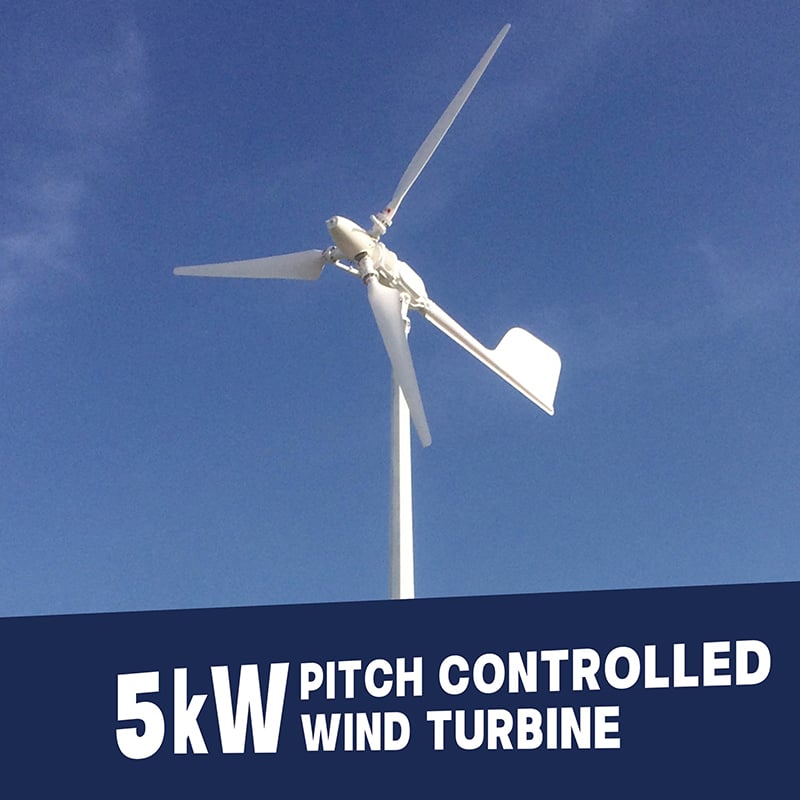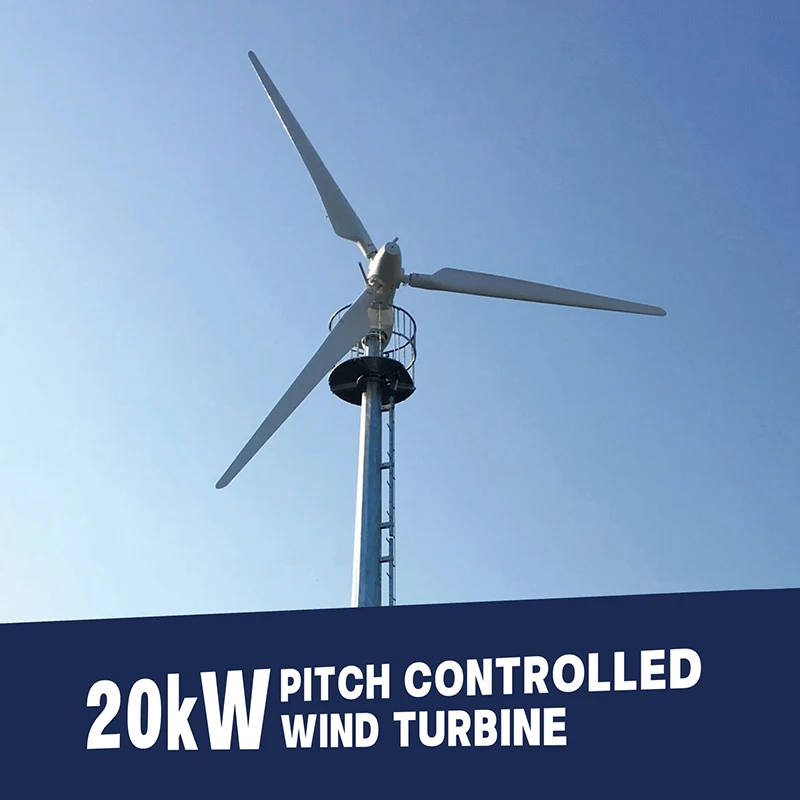
Small wind mills are an increasingly popular renewable energy solution for various applications, including residential, agricultural, and commercial use. As businesses and consumers alike seek sustainable energy sources, understanding how to select, evaluate, and maintain small wind mills becomes critical. This article aims to provide B2B buyers such as purchasing managers and engineers with insights into choosing the right small wind mills, evaluating costs, troubleshooting common problems, and understanding the benefits and features of these systems.
Selecting the appropriate small wind mill involves several key factors. First, consider the energy needs of your application. Assessing the expected power output based on your specific requirements is crucial. For instance, small wind mill turbine can vary significantly in their kilowatt ratings, often ranging from 1 kW to 10 kW and beyond.
Next, evaluate site conditions, such as average wind speeds and terrain. A wind resource assessment will help determine the feasibility of wind energy generation at your location. Typically, a minimum average wind speed of 4.5 to 5.5 m/s is necessary for efficient operation.
Additionally, consider the turbine's design and materials. Rotors made from high-strength composite materials can enhance durability and performance, especially in harsh weather conditions. It's also essential to check for compliance with local regulations and zoning laws, as these can affect installation and operation.
Finally, think about customization options. Jiangsu DHC Environmental Si-Tech Co., Ltd. offers tailored wind and solar hybrid systems that can adapt to different site conditions and energy needs. Engaging with a supplier that understands your unique requirements will help ensure you choose the right system.
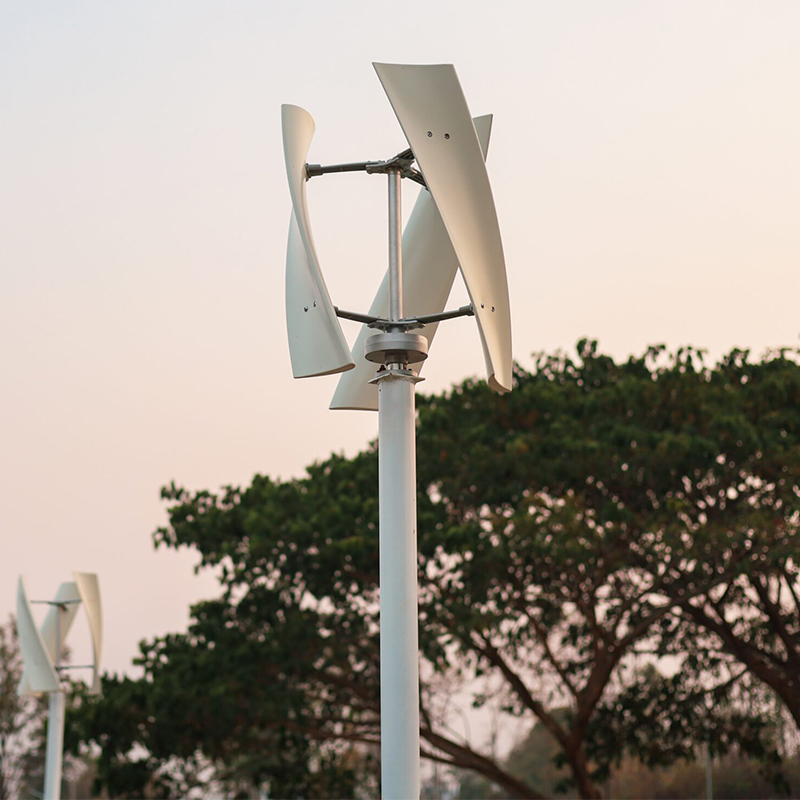
When purchasing small wind mills in bulk, several cost factors must be considered. The initial purchase price of the turbines is critical, but additional costs must also be factored in, such as installation, maintenance, and operational expenses.
Bulk Pricing: Many manufacturers offer discounts for bulk orders. It’s advisable to inquire about volume pricing and negotiate terms that suit your purchasing strategy.
Installation Costs: Evaluate the costs associated with site preparation, installation labor, and any necessary infrastructure modifications. Depending on the complexity of the project, these costs can significantly impact the overall budget.
Maintenance and Operation: Regular maintenance is essential for optimal performance. Understanding the maintenance schedule and associated costs can help you budget appropriately over the turbine’s lifespan.
Return on Investment (ROI): Calculate the potential savings on energy bills and any applicable incentives or rebates for renewable energy systems. This analysis will provide a clearer picture of the financial benefits of your investment.
Shipping and Handling: Shipping costs can vary based on the distance from the manufacturer and the logistics involved in transporting heavy equipment. Ensure you account for these expenses in your total cost analysis.
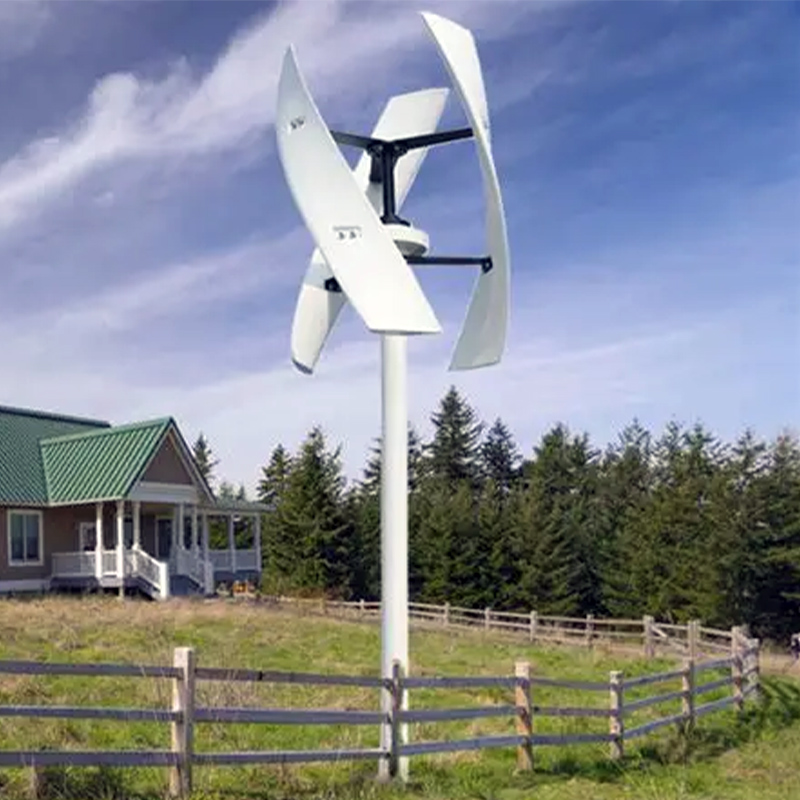
Small wind mills, like any mechanical system, can face various operational challenges. Some common issues include:
Insufficient Wind: If the wind speeds are lower than expected, the turbine may not produce the desired energy output. Conducting a thorough site assessment before installation can mitigate this issue.
Mechanical Failures: Components such as bearings and gearboxes can wear out over time. Regular maintenance, including inspection and timely replacement of worn parts, is essential to ensure longevity.
Noise and Vibration: Some turbines may produce excessive noise or vibration, potentially disturbing nearby residents. Selecting models with lower noise emissions and having proper mounting solutions can help resolve these concerns.
Electrical Issues: Problems with the electrical connections or control systems can lead to performance issues. Regular inspections and ensuring compliance with electrical standards can minimize these risks.
Addressing these challenges proactively can significantly enhance the reliability and efficiency of small wind mill.
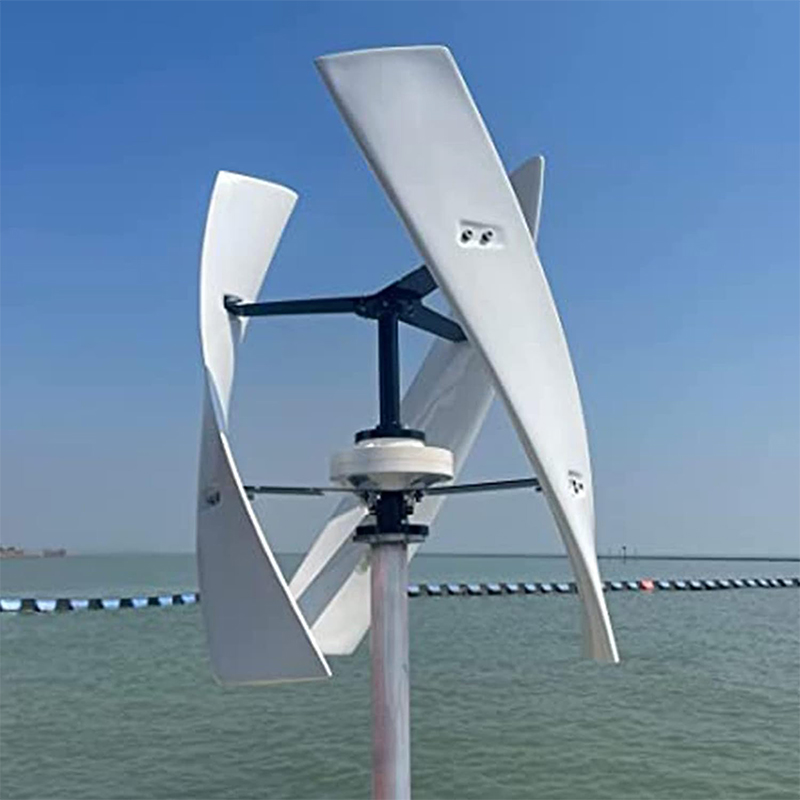
Small wind mills offer a myriad of benefits across different applications. For residential use, they can provide significant energy savings, reducing reliance on the grid and lowering energy bills. They are particularly valuable in remote areas where grid access is limited or non-existent.
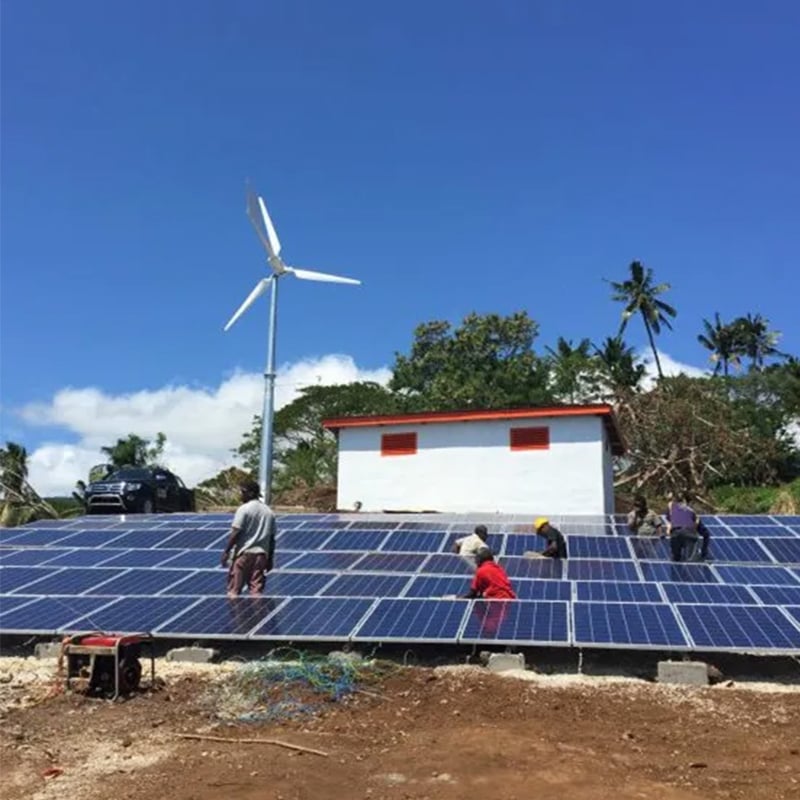
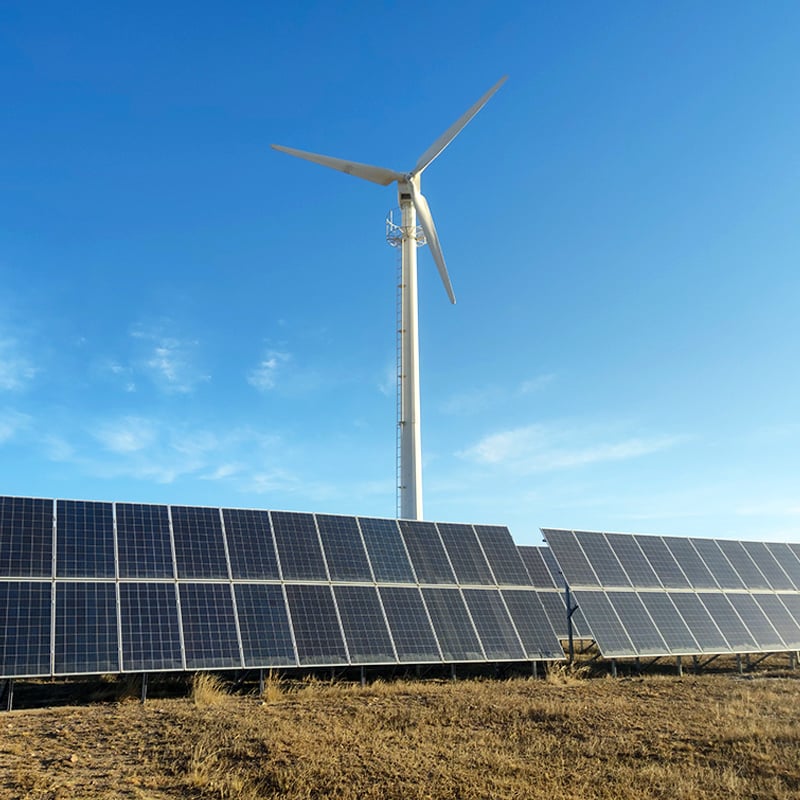
For agricultural applications, small wind mills can power irrigation systems, livestock facilities, and processing operations, enhancing sustainability and reducing operational costs. They can also complement solar power systems in hybrid setups, maximizing energy generation throughout the year.
In commercial settings, small wind mills can contribute to corporate sustainability goals, improve energy independence, and potentially qualify for renewable energy credits or tax incentives. By investing in small wind technology, companies can position themselves as environmentally responsible, appealing to eco-conscious consumers and stakeholders.
main products include wind turbines, solar panels lifepo4 batteries. customers can receive all-in-one-shop solution the integration and design wind-solar hybrid smart photovoltaic systems. DHC is reliable supplier of products, 15kw wind turbine for home, after-sales support customers through the best delivery capabilities.
DHC is market leader the hybrid wind solar power systems. It has its own factory that incorporates R D and production, design, and technical services. Since 2009 our founders have embraced the concept of environmental protection by Eolic generator new technology embraced the corporate culture of "diligence integrity, collaboration and creativity." This is also the source of our name "DHC".
Integrity the cornerstone of company. offer real power solutions offer an expert service. {When it comes to wind turbines, {you can pay attention it is important to Integrity is the foundation our company. We offer real power equipment, as well as skilled service. You can consider parameters like blade diameter as well as wind you should pay attention aspects like blade's diameter as well as weight. promise that all products produced by DHC come with Vertical wind turbine power output and not overinflated power.
Solar wind power systems are the main focus our wind turbine and generator. can provide our customers with custom solutions using expert supply chain management capabilities the ability to integrate. will offer you high-quality service all hours of day from production to design and after-sales.
When evaluating small wind mills, several critical features and performance metrics should be considered:
Rated Power Output: This indicates the maximum capacity the turbine can generate under optimal wind conditions. Understanding this metric helps buyers assess whether the turbine meets their energy needs.
Cut-in Wind Speed: The minimum wind speed at which the turbine begins to generate power. A lower cut-in speed is preferable for maximizing energy production in areas with variable wind patterns.
Survival Wind Speed: This represents the maximum wind speed the turbine can withstand without damage. It's crucial to select a turbine that can handle the extreme weather conditions typical of your location.
Rotor Diameter: A larger rotor diameter typically captures more wind and increases energy production potential. However, it also requires more space and may have implications for local zoning regulations.
Material Quality: The materials used in construction affect durability and maintenance. High-quality, corrosion-resistant materials can lead to longer service life and reduced maintenance costs.
By understanding these features and metrics, buyers can make informed decisions that align with their energy requirements and operational goals.
In summary, selecting, purchasing, and maintaining small wind mills involves careful consideration of various factors, including site conditions, costs, and performance metrics. By leveraging this knowledge, B2B buyers can make informed decisions that lead to successful renewable energy investments.
Welcome to DHC, the top brand of wind solar hybrid power system! We provide innovative and effective new energy solutions including wind turbine, solar panel, lifepo4 battery, etc.
 EN