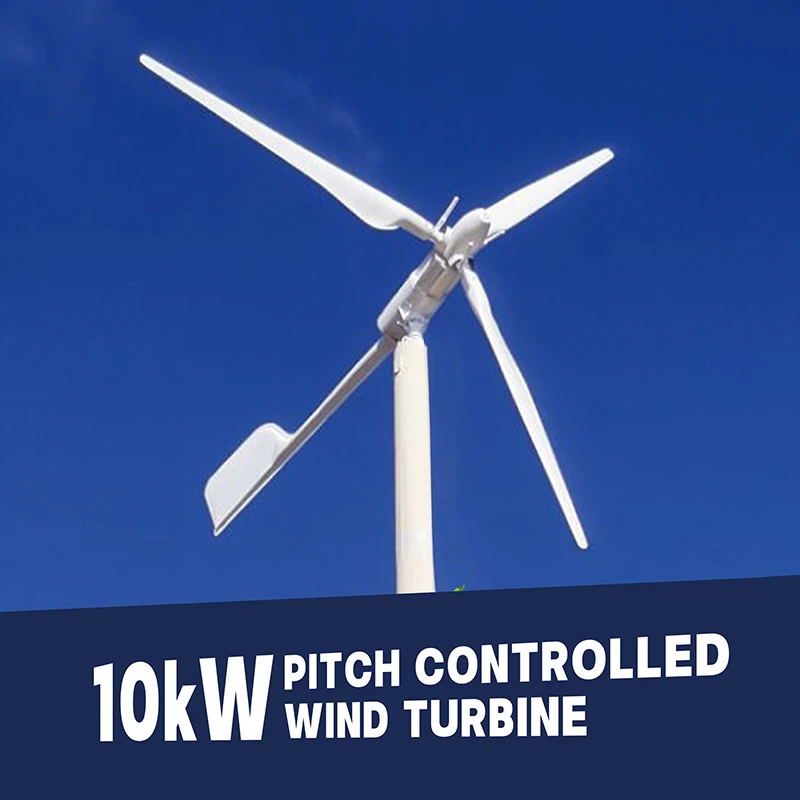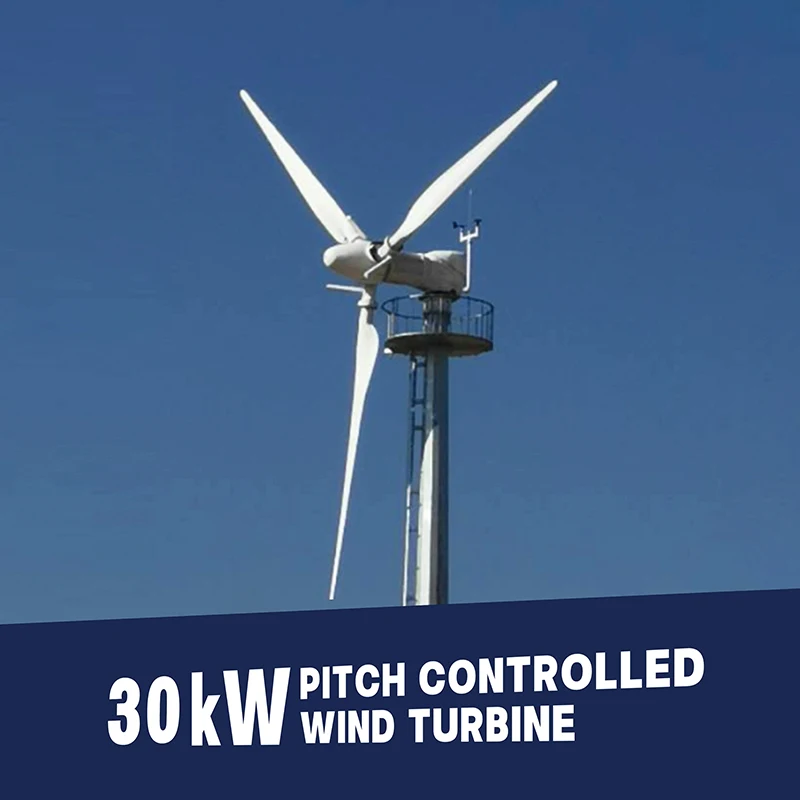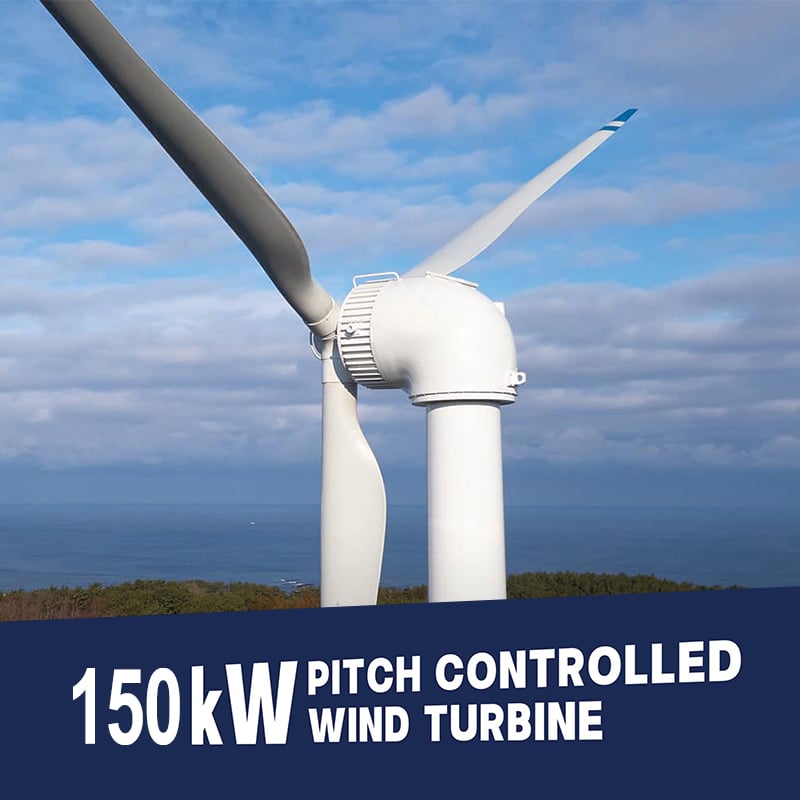
Vertical axis wind turbines (VAWTs) are an innovative solution for harnessing wind energy, particularly suited for various applications in residential, agricultural, and commercial sectors. As businesses increasingly seek sustainable energy solutions, understanding the key factors in selecting the right VAWT for your project becomes essential. This article addresses common concerns for B2B buyers—including product specifications, quality evaluation, supplier reliability, and cost considerations—helping you make informed purchasing decisions.
When selecting a vertical axis wind turbine, it's crucial to consider the specific needs of your project. Key factors include the turbine's height, rotor diameter, and rated power output. For instance, a turbine with a larger rotor diameter typically captures more wind energy, but may also require more substantial structural support.
Additionally, consider the materials used in the turbine's construction. High-quality materials like aluminum or composite materials can enhance durability and performance, especially in harsh weather conditions. Buyers should also evaluate the turbine's noise levels, particularly if it's intended for residential areas or near sensitive wildlife habitats.
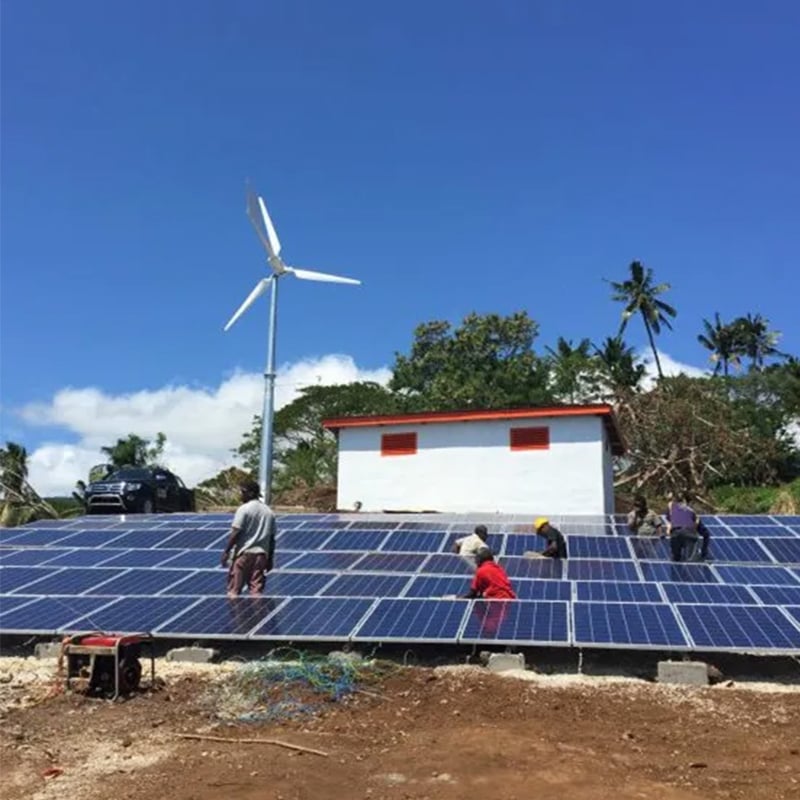
Finally, assess the compatibility of the turbine with your existing energy systems. A VAWT can be integrated into solar power systems or hybrid setups, enhancing overall energy efficiency. Customization options—such as color and design—may also be available to align with your project's aesthetics or branding.
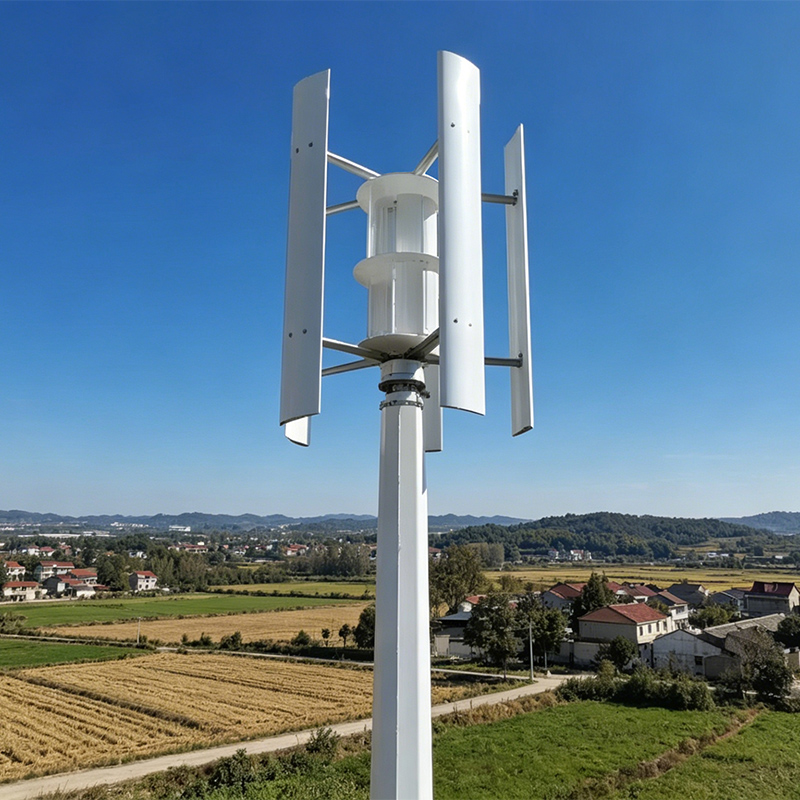
Choosing a reputable supplier is essential for ensuring the reliability and performance of your vertical axis wind turbine. Look for manufacturers with a strong track record in renewable energy solutions, such as Jiangsu DHC Environmental Si-Tech Co., Ltd., which boasts 15 years of experience in the industry.
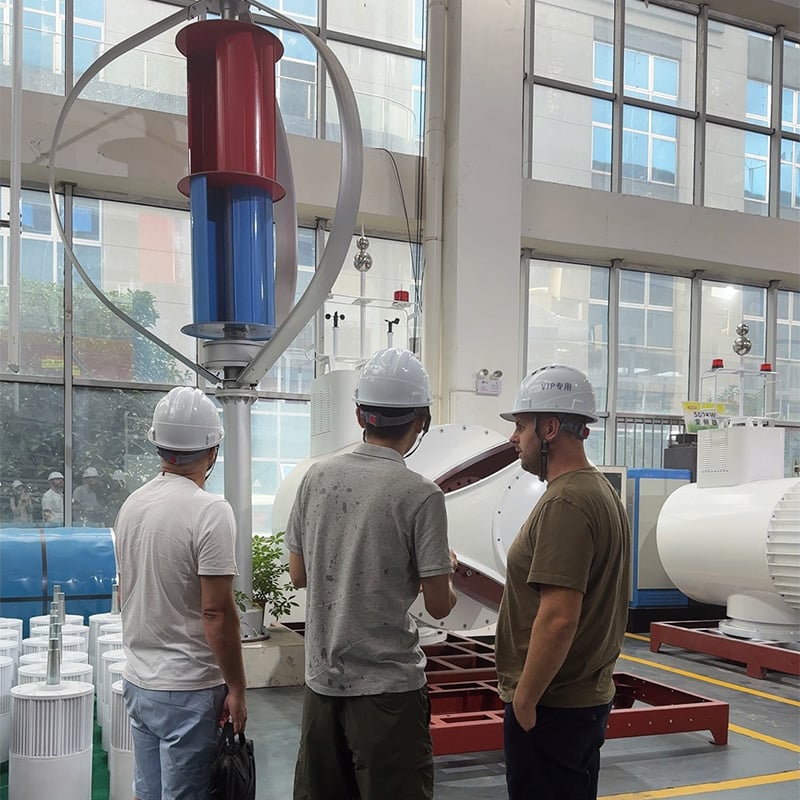
Verify the supplier's production capabilities, including their manufacturing processes and quality control systems. A company with a dedicated R&D factory can offer cutting-edge technology and tailored solutions. Additionally, assess their supply chain partnerships to ensure they can deliver consistent, high-quality components necessary for producing durable VAWTs.
When evaluating suppliers, inquire about their export experience and ability to meet international standards. This can help mitigate risks associated with shipping and compliance with regulations in your region.
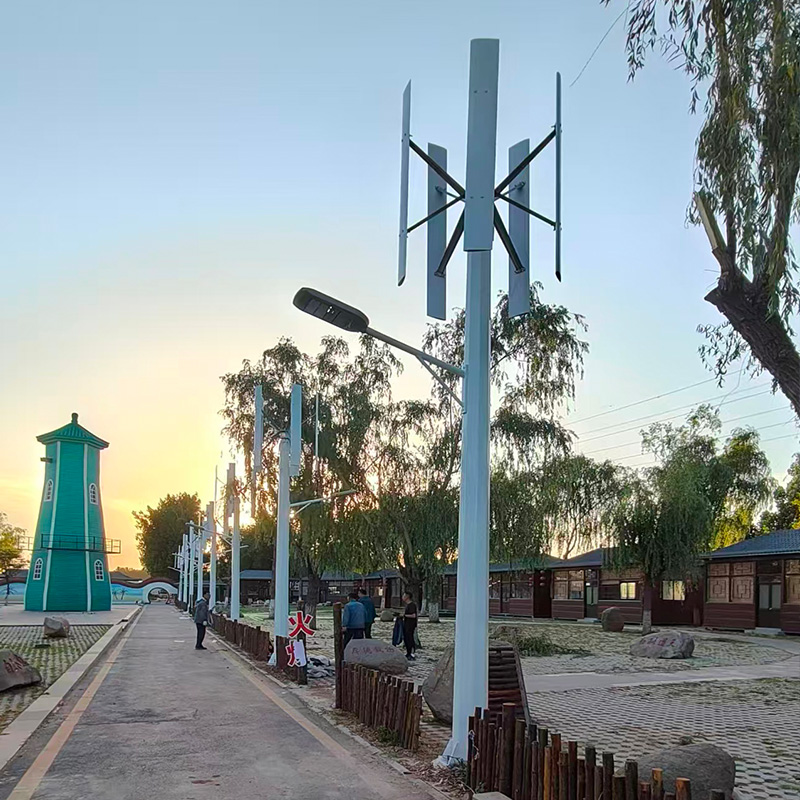
When purchasing vertical axis wind turbines in bulk, ensuring quality across all units is paramount. To begin, request samples and conduct thorough inspections. Key aspects to evaluate include:
Material Integrity: Check for defects or inconsistencies in the materials used. A vertical axis wind turbine generator from subpar materials may not withstand environmental stresses over time.
Performance Metrics: Verify the performance specifications provided by the supplier. This includes assessing power output under various wind conditions and ensuring that the Jiangsu DHC VAWT meets or exceeds the expected performance.
Certification and Compliance: Confirm that the turbines adhere to relevant industry standards and certifications. This not only reflects the quality of the product but can also influence installation and operational permits.
Before committing to a bulk order, understanding the supplier’s warranty and after-sales support is also crucial. A robust warranty can provide peace of mind and protect your investment.
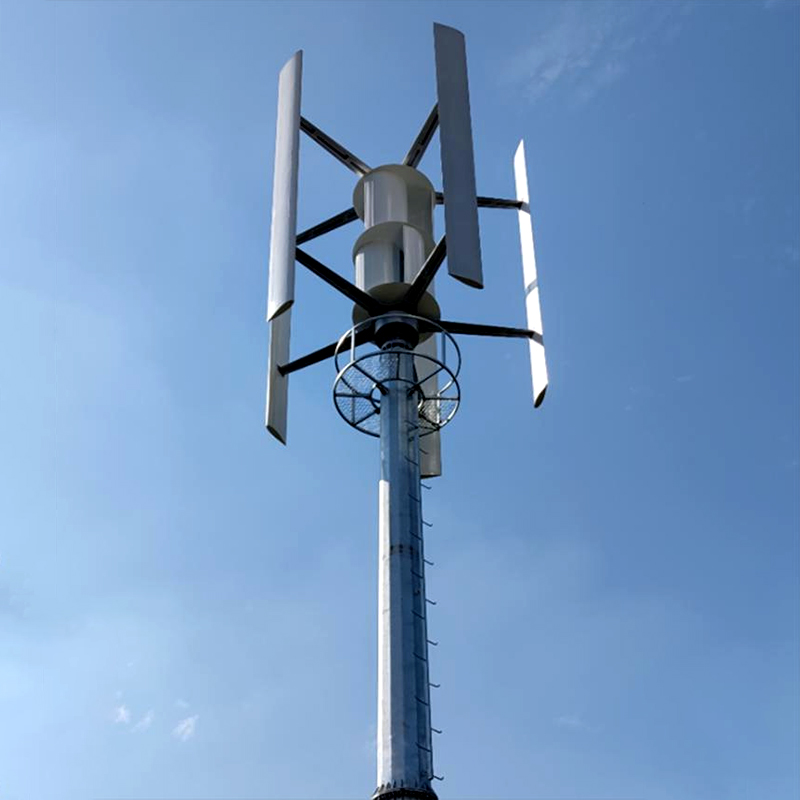
The cost of vertical axis wind turbines can vary significantly based on several factors. When evaluating pricing, consider:
Initial Purchase Price: This includes the cost of the vertical axis wind turbine, installation, and any necessary ancillary equipment.
Long-Term Operational Costs: VAWTs are generally low-maintenance, but costs for repairs, parts replacement, and potential operational downtime should be factored in.
Installation Costs: Depending on the complexity of installation and the site's geographic conditions, labor costs can vary. Ensure you have a clear understanding of these costs upfront.
Customization and Features: Additional features, such as enhanced monitoring systems or customized designs, can increase the overall cost. Evaluate which features are necessary for your application to avoid unnecessary expenses.
Return on Investment (ROI): While upfront costs are significant, consider the potential savings on energy bills and the environmental benefits associated with adopting renewable energy solutions.
DHC is market leader the hybrid wind solar power systems. It has its own factory that incorporates R D and production, design, and technical services. Since 2009 our founders have embraced the concept of environmental protection by Eolic generator new technology embraced the corporate culture of "diligence integrity, collaboration and creativity." This is also the source of our name "DHC".
Solar wind power systems are our primary focus. offer customers custom solutions using our expert supply 5000w wind turbine management capability's ability integrate. Simply tell us about your specific requirements, from design, production, to after-sales support, we will provide with real-time professional services throughout the day.
primary products wind turbines, solar panels and lifepo4 batteries. customers will receive a one-stop-shop service the integration and Wind turbine a wind-solar hybrid as well as smart photovoltaic system. DHC provides reliable products, technologies, and after-sales service to customers with excellent delivery capability.
Our commitment integrity the foundation of our business. We provide genuine power products and provide skilled service. Regarding wind turbines can pay attention is important to committed to preserving integrity as the primary goal of our enterprise, and we offer customers real power products and professional services. It is possible to consider factors such as blade diameter as well as wind turbine weight when Wind turbine for home 5kw wind turbines. We ensure that all products made by DHC are based on actual power output and not overinflated power.
Vertical axis wind turbines are versatile and can be effectively utilized across various industries.
Residential Applications: Homeowners increasingly use Jiangsu DHC VAWTs to reduce energy costs and carbon footprints. Their ability to operate effectively in turbulent wind conditions makes them suitable for urban settings where space is limited.
Agriculture: Farmers can harness wind energy for irrigation systems, grain drying, and other operations, complementing existing solar solutions. VAWTs can provide reliable power in remote locations, reducing reliance on diesel generators.
Commercial Use: Businesses can integrate VAWTs into their energy mix, contributing to sustainability goals and reducing operational costs. The adaptability of VAWTs makes them suitable for rooftops or small land areas adjacent to commercial buildings.
Distributed Power Stations: VAWTs can be deployed in microgrid systems, enhancing energy independence for local communities and reducing transmission losses.
Our small vertical axis wind turbine present a compelling option for businesses looking to invest in renewable energy. By understanding the critical factors in selecting, purchasing, and evaluating these systems, you can make informed decisions that align with your organizational goals and operational needs.
Welcome to DHC, the top brand of wind solar hybrid power system! We provide innovative and effective new energy solutions including wind turbine, solar panel, lifepo4 battery, etc.
 EN