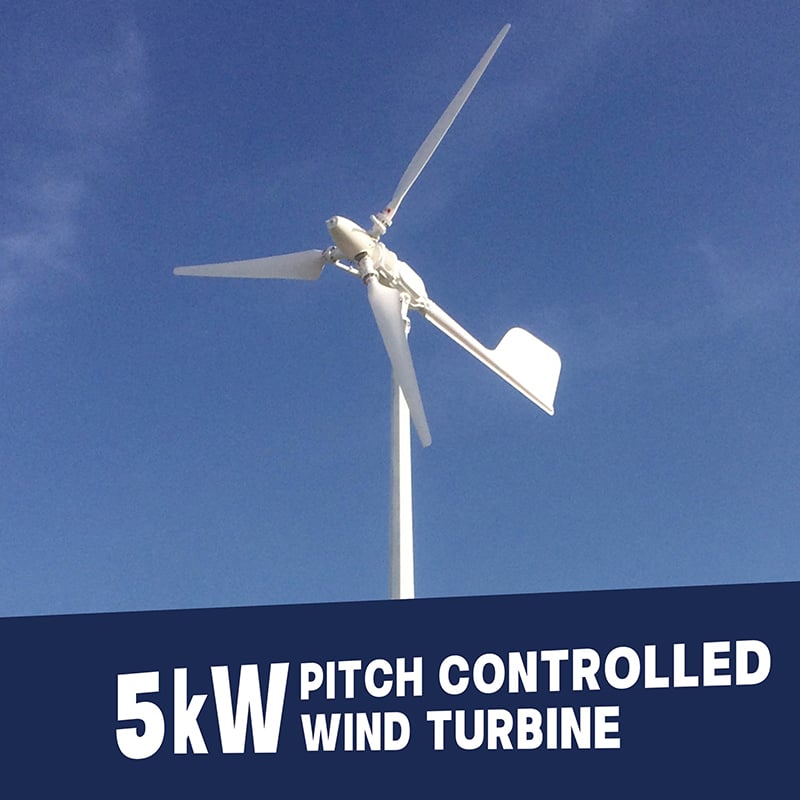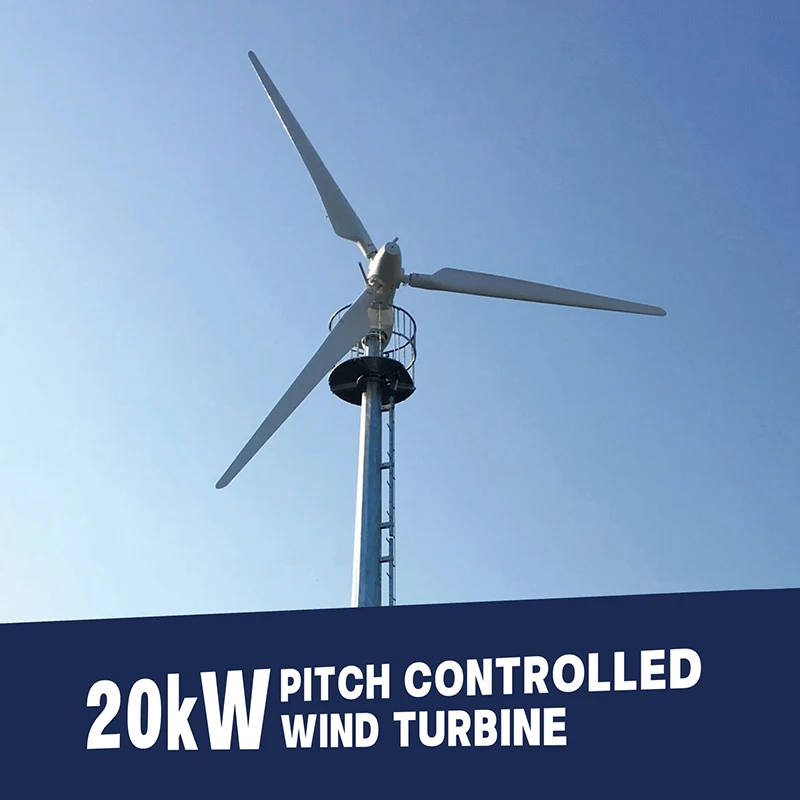
Wind mills for houses are increasingly becoming a viable solution for homeowners looking to harness renewable energy. These small-scale wind turbines convert wind energy into electricity, providing a sustainable power source for residential use. When considering a wind mill for your house, potential buyers often have concerns around efficiency, installation requirements, costs, and compliance with local regulations. This article will provide a comprehensive overview of what you need to know about selecting the right wind mills for your home, along with best practices and applications in renewable energy solutions.
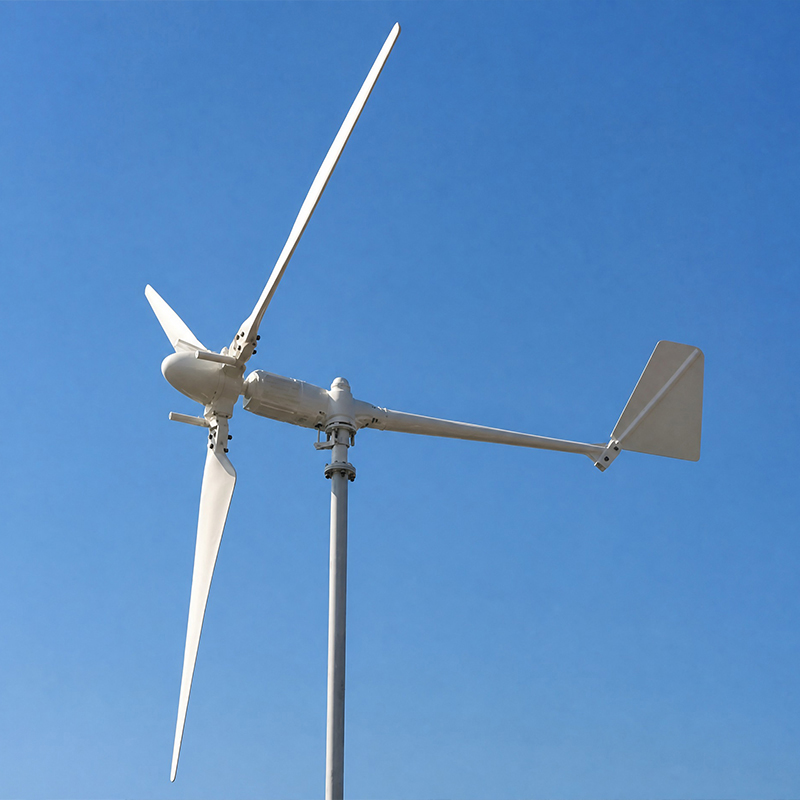
When exploring options for a wind mill for your house, understanding the technology and its specifications is crucial. Residential wind turbines typically range in size from 400 watts to 10 kilowatts. Key factors include rotor diameter, tower height, and power output. A larger rotor diameter generally captures more wind energy, while a taller tower may reduce turbulence from nearby structures or trees, improving efficiency.
Potential buyers should also be aware of their local wind resources. Conducting a wind site assessment can help determine whether your location is suitable for wind energy generation. The average wind speed, determined over a year, will influence the turbine's performance and return on investment. Furthermore, it's essential to familiarize yourself with local zoning laws and regulations concerning wind turbines, as these can impact installation feasibility.
Choosing the right wind mill for your home requires careful evaluation of several factors:
Power Needs: Assess your household energy consumption. Most residential systems are designed to offset a portion of your energy use. Determine how much electricity you want to produce, which will guide the selection of turbine size.
Wind Resource: Utilize resources like wind maps or anemometers to measure the wind speed and patterns at your site. A minimum average wind speed of 9 mph is generally recommended for effective energy generation.
Turbine Specifications: Consider the turbine's rotor diameter and rated capacity. A turbine with a larger rotor diameter can capture more wind energy, leading to higher power output.
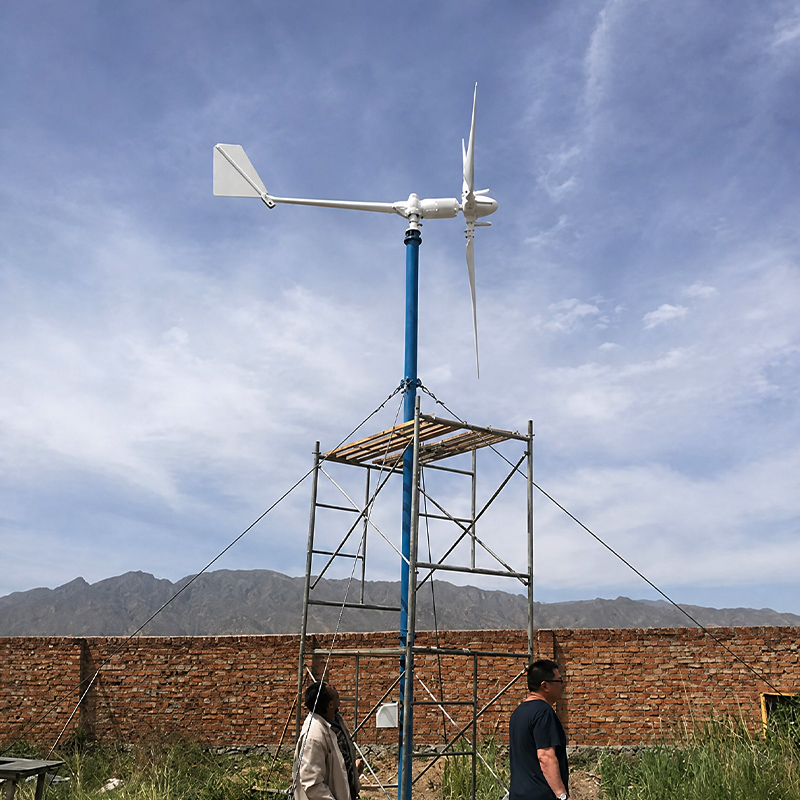
Installation Requirements: Identify the type of tower your wind mill will require either a freestanding or guyed tower. Ensure that your property can accommodate the necessary height and that local regulations support your installation plans.
Budget: Factor in not just the initial investment in the wind turbine, but also installation costs, maintenance, and potential incentives or rebates available for renewable energy systems.
For wholesale buyers, several additional factors should be evaluated:
Quality and Certification: Ensure the wind mills meet industry standards and certifications. This includes compliance with IEC (International Electrotechnical Commission) standards, which can affect the turbine's reliability and performance.
Supplier Reliability: Evaluate the manufacturer's experience and reputation in the renewable energy market. Jiangsu DHC Environmental Si-Tech Co., Ltd., with 15 years of experience, is known for providing quality wind and solar hybrid systems.
Customization Options: Consider whether the manufacturer offers customization to meet specific energy needs or site conditions. This can include modifications to size, materials, or features based on the buyer's requirements.
After-Sales Support: Assess the availability of technical support, warranty terms, and maintenance services. Reliable after-sales service ensures long-term performance and satisfaction.
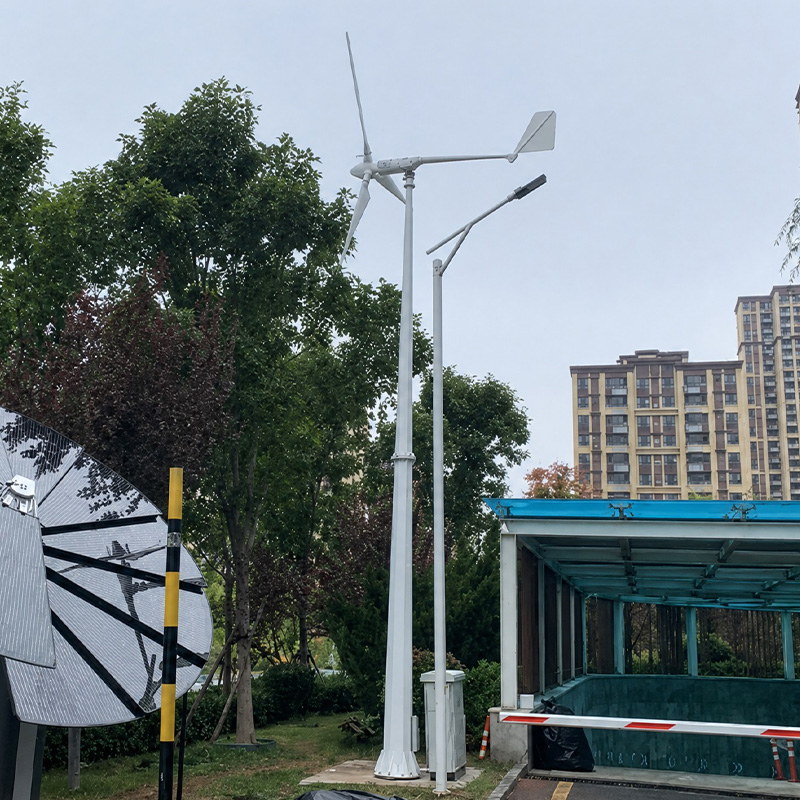
When installing a wind mill for your house, adhering to best practices will optimize performance and longevity:
Professional Installation: Engage experienced technicians for installation to ensure compliance with local regulations and safety standards. This also helps in achieving optimal wind mill turbine positioning.
Regular Maintenance: Schedule routine inspections to check for wear and tear, and ensure that all components, such as the rotor and electrical systems, are functioning correctly.
Monitor Performance: Use monitoring systems to track energy production and assess efficiency. This data can provide insights into whether adjustments are needed for optimal performance.
Engage with Community: Some areas may have community programs or incentives for renewable energy. Engaging with local networks can provide valuable insights and resources.
primary products wind turbines, solar panels and lifepo4 batteries. customers will receive a one-stop-shop service the integration and Wind turbine a wind-solar hybrid as well as smart photovoltaic system. DHC provides reliable products, technologies, and after-sales service to customers with excellent delivery capability.
Our commitment integrity the foundation of our business. We provide genuine power products and provide skilled service. Regarding wind turbines can pay attention is important to committed to preserving integrity as the primary goal of our enterprise, and we offer customers real power products and professional services. It is possible to consider factors such as blade diameter as well as wind turbine weight when Wind turbine for home 5kw wind turbines. We ensure that all products made by DHC are based on actual power output and not overinflated power.
Solar wind power systems are the main focus our wind turbine and generator. can provide our customers with custom solutions using expert supply chain management capabilities the ability to integrate. will offer you high-quality service all hours of day from production to design and after-sales.
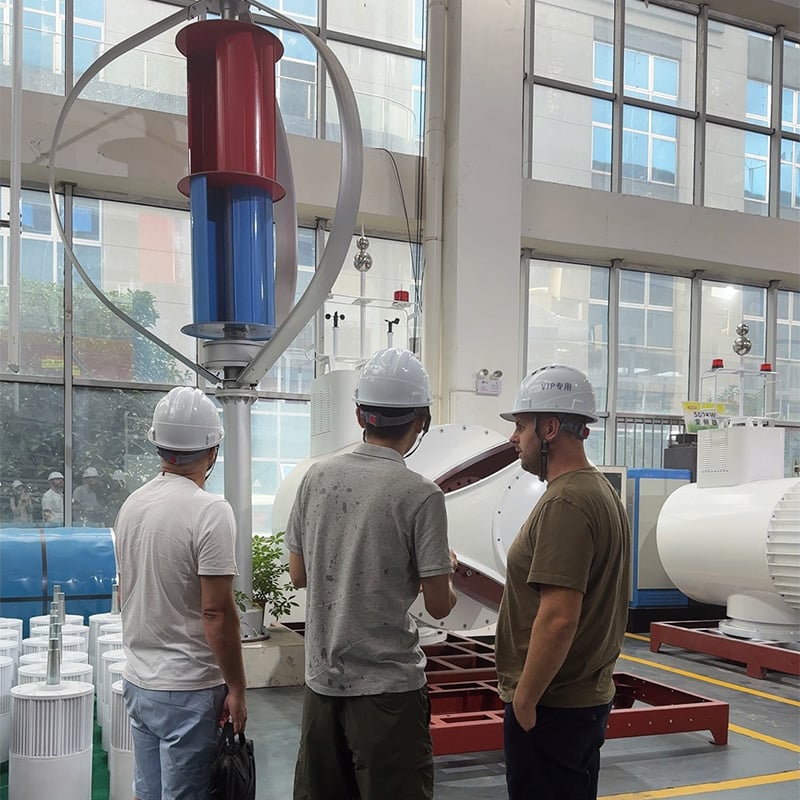
DHC the market leader in hybrid wind solar power systems. has its own manufacturing facility that integrates R D and production, design technical support. Since 2009 founders of DHC have been implementing the concept of environmental protection and have been immersed the latest technology and embraced the corporate wind turbine generator that focuses on "diligence and integrity, collaboration and innovation." This is also the basis of our brand "DHC".
Wind mills for houses play a critical role in various renewable energy applications. Key applications include:
Grid-Tied Systems: Homeowners can connect their wind turbines to the local power grid, allowing them to sell excess energy back to the grid. This can offset electricity costs and provide an additional revenue stream.
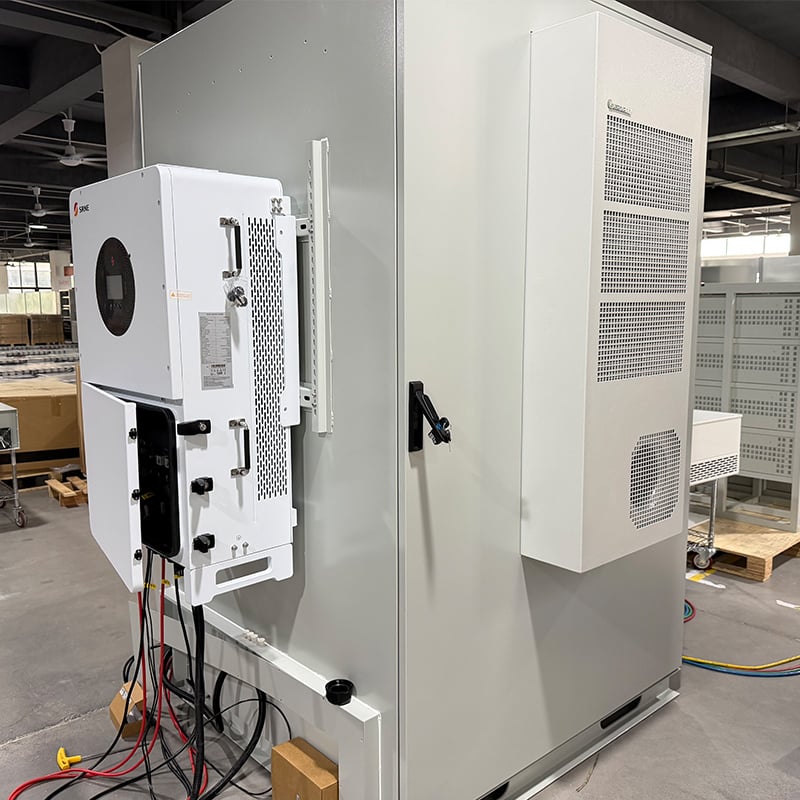
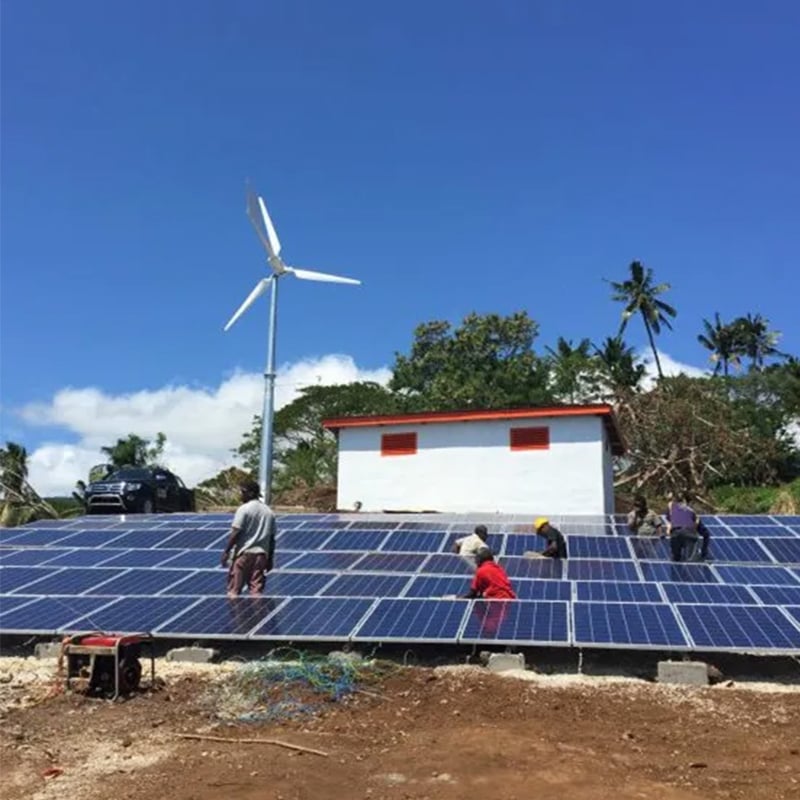
Off-Grid Solutions: For remote locations, wind turbines can be used in conjunction with solar panels and energy storage systems, such as LiFePO4 batteries, to create a reliable off-grid energy solution. This is particularly beneficial for farms or properties without access to traditional energy sources.
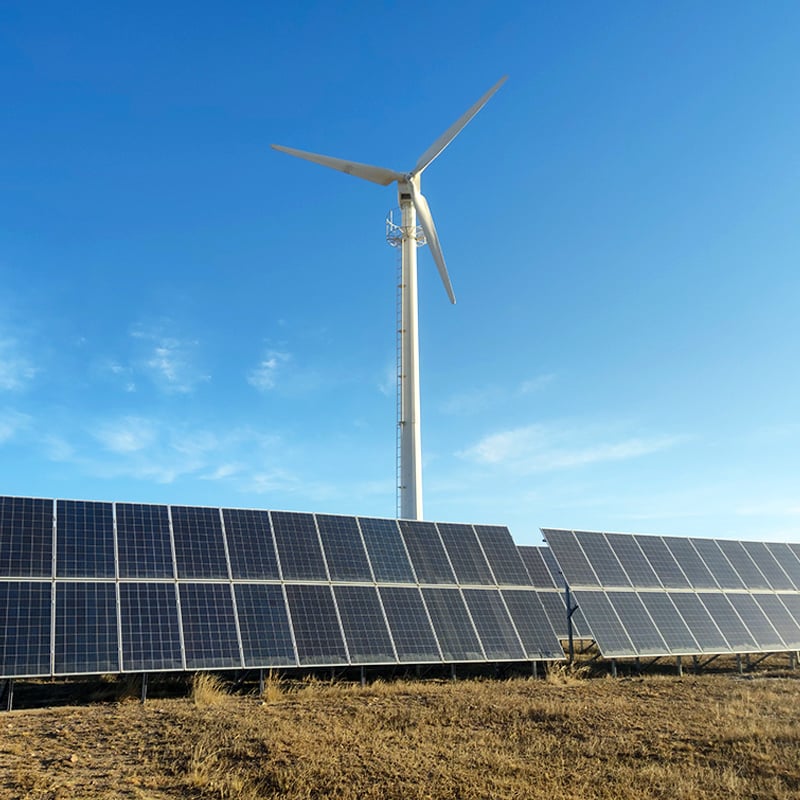
Hybrid Systems: Combining wind and solar energy generation can enhance reliability and efficiency. Wind turbines complement solar systems, particularly in regions where wind patterns are strong during different seasons than solar energy availability.
Disaster Resilience: In areas prone to power outages, residential wind turbines provide a backup energy source, contributing to energy independence and resilience during emergencies.
In summary, investing in a wind mill for your house offers numerous advantages, from reducing energy bills to promoting sustainability. By considering your specific needs, understanding the technology, and engaging with reliable manufacturers, you can successfully enhance your home's energy profile with renewable solutions.
Welcome to DHC, the top brand of wind solar hybrid power system! We provide innovative and effective new energy solutions including wind turbine, solar panel, lifepo4 battery, etc.
 EN