As the demand for renewable energy solutions continues to rise, vertical axis wind turbines (VAWTs) have gained attention for their unique design and efficiency in harnessing wind energy. Unlike traditional horizontal axis turbines, VAWTs offer advantages such as lower noise levels, reduced maintenance, and the ability to operate in turbulent wind conditions. For B2B buyers, understanding the technical specifications, cost factors, and potential challenges associated with these turbines is crucial for making informed purchasing decisions. This article will help you navigate the essential aspects of vertical axis wind turbine, ensuring you choose the right solution for your energy needs.
When selecting a supplier for vertical axis wind turbines, reliability is paramount. A reputable supplier, such as Jiangsu DHC Environmental Si-Tech Co., Ltd., should have a proven track record in the renewable energy sector, backed by years of industry experience. Look for manufacturers that offer transparent information about their production processes, quality control measures, and certifications. Understanding their supply chain partnerships can also provide insights into the consistency and reliability of the products offered.
Additionally, consider the supplier's ability to customize solutions based on your specific needs. Some suppliers provide tailored designs that cater to different applications, such as residential, agricultural, or commercial installations. Ensuring that your supplier can meet your unique requirements will help you avoid potential compatibility issues down the line.
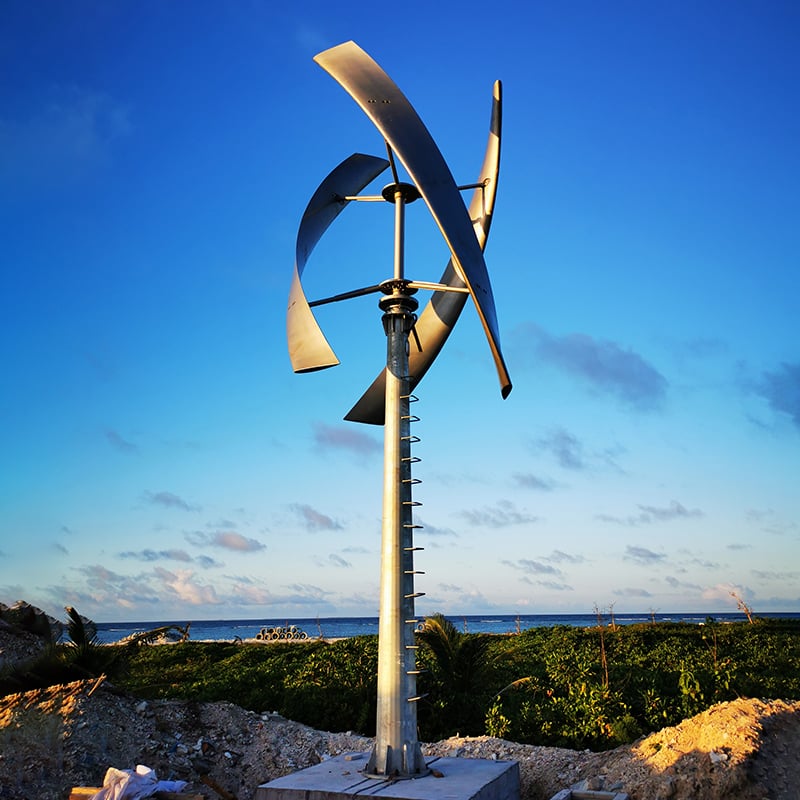
When evaluating vertical axis wind turbines, several key specifications should be considered to ensure optimal performance:
Height and Diameter: The height of the turbine affects its ability to capture wind energy. Taller turbines can access higher wind speeds, while the diameter influences the swept area. A larger swept area typically results in higher energy production.
Rated Power Output: This figure indicates the maximum energy the vertical wind turbine can produce under optimal wind conditions. Ensure that the rated output aligns with your energy needs.
Cut-in and Cut-out Wind Speeds: The cut-in speed is the minimum wind speed required for the turbine to start generating power, while the cut-out speed is the maximum wind speed at which the turbine will shut down to prevent damage. Understanding these parameters helps you gauge the turbine's suitability for your location's wind profile.
Material and Build Quality: The materials used in manufacturing can affect durability and maintenance requirements. High-quality materials can withstand harsh weather conditions and extend the turbine's lifespan.
Noise Levels: For installations near residential areas, noise levels are an essential consideration. The vertical wind turbine for home generally operate more quietly than their horizontal counterparts, but specifications should still be checked to ensure compliance with local regulations.
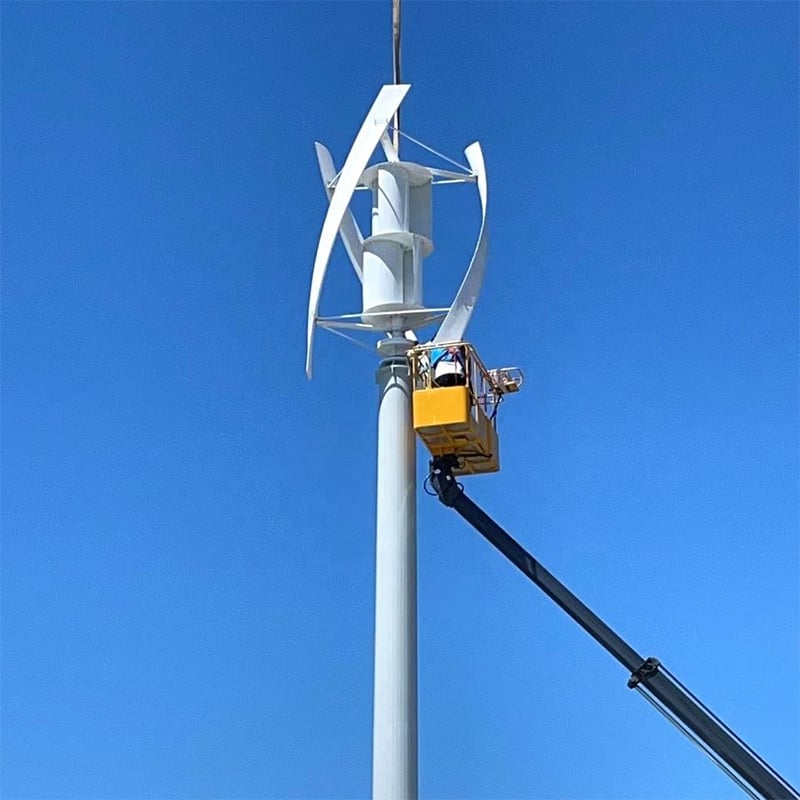
Several cost factors play a significant role in the overall investment in vertical axis wind turbines. Initial costs typically encompass the purchase price of the turbine, installation expenses, and any necessary permits or inspections. Additionally, consider the following:
Maintenance Costs: While VAWTs tend to require less maintenance than traditional turbines, it's important to factor in potential repair costs and routine servicing. Understanding the manufacturer's warranty and service agreements can provide insights into long-term expenses.
Energy Savings: Evaluate the expected energy savings over the turbine's lifespan. This can often offset initial costs and improve return on investment. A thorough analysis of your energy consumption patterns will help you project these savings accurately.
Financing Options: Explore available financing options, such as government incentives, grants, or loans tailored to renewable energy projects. These can significantly reduce upfront costs and make the investment more accessible.
Installation Costs: The complexity of the installation process can vary based on the site’s conditions. This may include site preparation, electrical connections, and potential structural reinforcements. Understanding these factors can help you budget accordingly.
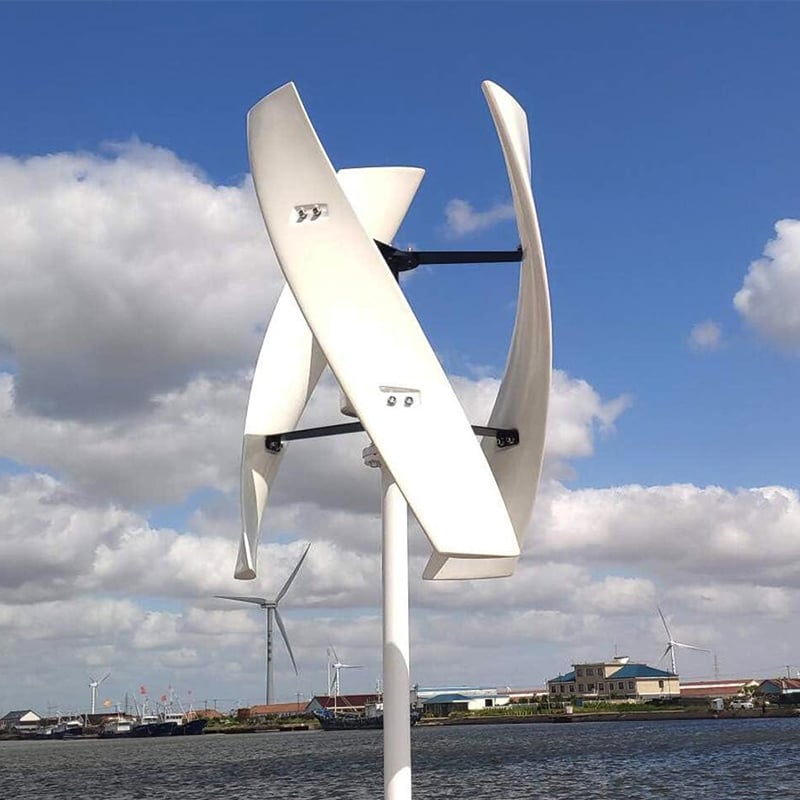
Vertical axis wind turbines offer several features and benefits that make them an appealing choice for various applications:
Omnidirectional: VAWTs can capture wind from any direction, reducing the need for complex yaw mechanisms and allowing for easier installation in areas with variable wind patterns.
Low Maintenance: With fewer moving parts and a simpler design, VAWTs often require less maintenance, translating to lower long-term operational costs.
Safety: The lower center of gravity in VAWTs enhances stability, making them less susceptible to damage during extreme weather conditions.
Aesthetic Appeal: Many buyers appreciate the modern design of vertical axis wind turbines, which can blend seamlessly into urban and rural landscapes.
Scalability: VAWTs can be installed in arrays, allowing for scalable energy solutions that can expand as energy needs grow.
primary products wind turbines, solar panels and lifepo4 batteries. customers will receive a one-stop-shop service the integration and Vertical wind turbine a wind-solar hybrid as well as smart photovoltaic system. DHC provides reliable products, technologies, and after-sales service to customers with excellent delivery capability.
Solar wind power systems are our primary focus. offer customers custom solutions using our expert supply 5000w wind turbine management capability's ability integrate. Simply tell us about your specific requirements, from design, production, to after-sales support, we will provide with real-time professional services throughout the day.
commitment integrity is the basis of our company. We offer real power solutions and offer expert service. Regarding wind turbines can pay attention to is important to We're committed keeping integrity as the primary goal of our 2kw vertical wind turbine, and we offer customers the best power products as well as competent services. When it comes to wind turbines, be sure to consider parameters such as blade diameter and weight. guarantee that all products made by DHC feature actual power output not overinflated power.
DHC is market leader the hybrid wind solar power systems. It has its own factory that incorporates R D and production, design, and technical services. Since 2009 our founders have embraced the concept of environmental protection by Eolic generator new technology embraced the corporate culture of "diligence integrity, collaboration and creativity." This is also the source of our name "DHC".
While vertical axis wind turbines have many advantages, they are not without challenges. Understanding these common problems and their solutions can help you make informed decisions:
Performance in Low Wind Conditions: VAWTs may not perform as efficiently in low wind speeds compared to horizontal axis turbines. To mitigate this, consider installing turbines in locations with consistent wind patterns and higher average wind speeds.
Structural Integrity: Over time, the turbine’s structure may face wear and tear, particularly in harsh environments. Regular inspections and maintenance can help identify potential issues early, ensuring the turbine remains operational.
Initial Cost Concerns: The upfront investment can be a barrier for some buyers. However, emphasizing the long-term savings from energy production and potential financing options can alleviate these concerns.
Noise and Vibration Issues: While VAWTs are generally quieter than traditional turbines, poorly designed models can still generate noise. Ensure that the turbine's specifications include noise reduction features and that it meets local regulations.
By understanding these potential challenges and proactively addressing them, buyers can enhance the longevity and efficiency of their vertical axis wind turbines, ultimately leading to a more successful renewable energy investment.
Welcome to DHC, the top brand of wind solar hybrid power system! We provide innovative and effective new energy solutions including wind turbine, solar panel, lifepo4 battery, etc.




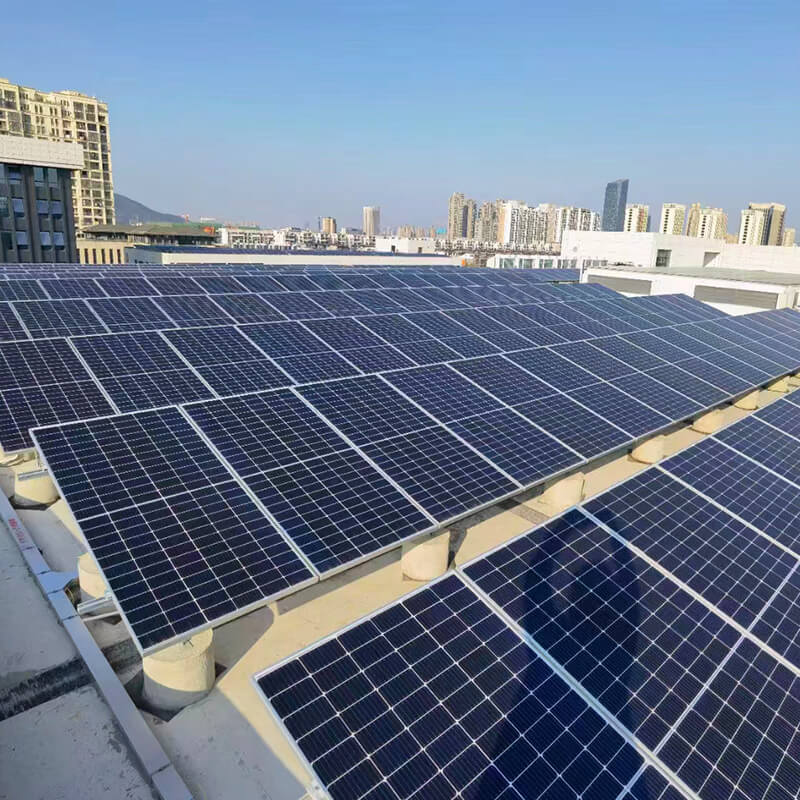
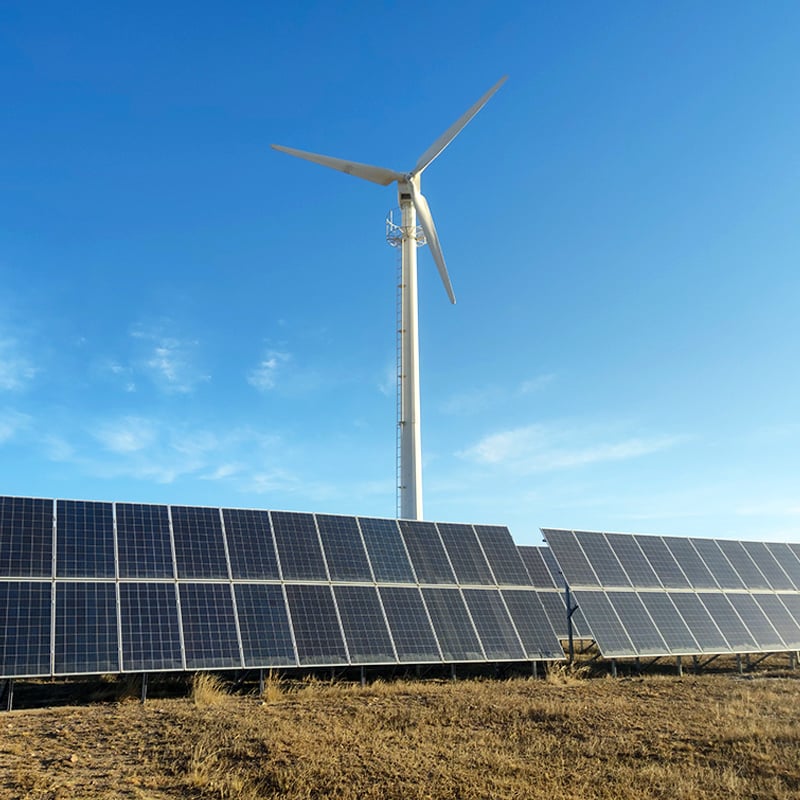
 EN